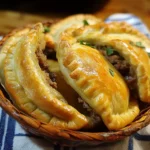
Ingredients
Scale
-
- Olive Oil: 2 tablespoons (for sautéing)
-
- Ground Beef: 1.5 lbs (80/20 or 85/15 blend recommended for flavor and moisture)
-
- Yellow Onion: 1 large, finely chopped (about 1.5 cups)
-
- Red Bell Pepper: 1 medium, finely chopped (about 1 cup)
-
- Green Bell Pepper: 1 medium, finely chopped (about 1 cup)
-
- Garlic: 4-5 cloves, minced (about 1.5 tablespoons)
-
- Beef Broth: 1/2 cup (low sodium preferred)
-
- Tomato Paste: 2 tablespoons
-
- Spices:
-
- Ground Cumin: 1 tablespoon
-
- Smoked Paprika: 1 tablespoon (adds a lovely depth)
-
- Dried Oregano: 1 teaspoon (preferably Mexican oregano if available)
-
- Cayenne Pepper: 1/4 – 1/2 teaspoon (adjust to your heat preference)
-
- Ground Cinnamon: 1/4 teaspoon (optional, but adds a traditional warmth)
-
- Salt: 1.5 teaspoons (adjust to taste)
-
- Black Pepper: 1 teaspoon, freshly ground
-
- Spices:
-
- Green Olives: 1/2 cup, pitted and roughly chopped (pimento-stuffed olives work well)
-
- Raisins: 1/4 cup (optional, for a touch of sweetness – golden or regular)
-
- Hard-Boiled Eggs: 2 large, peeled and chopped (optional, a classic addition)
-
- Fresh Cilantro or Parsley: 1/4 cup, chopped (for finishing)
For the Empanada Dough:
-
- Option 1: Store-Bought Empanada Discs: 2 packages (usually 10 discs per package, look for the ‘para hornear’ for baking or ‘para freir’ for frying type, typically found in the frozen international foods section). This is the quickest option.
-
- Option 2: Homemade Flaky Pastry Dough:
-
- All-Purpose Flour: 3 cups (plus more for dusting)
-
- Salt: 1 teaspoon
-
- Unsalted Butter: 1 cup (2 sticks), very cold and cut into small cubes
-
- Ice Water: 1/2 cup (you might need slightly more or less)
-
- Large Egg: 1 (for binding)
-
- White Vinegar or Lemon Juice: 1 teaspoon (helps tenderize the dough)
-
- Option 2: Homemade Flaky Pastry Dough:
For Assembly and Baking/Frying:
-
- Egg Wash: 1 large egg beaten with 1 tablespoon of water or milk (for sealing and achieving a golden-brown crust when baking)
-
- Oil for Frying (Optional): Vegetable, canola, or peanut oil (about 3-4 cups, enough for deep frying)
Having all your ingredients prepped and measured (mise en place) before you start cooking makes the process much smoother and more enjoyable.
Instructions
-
- Brown the Beef: Heat the olive oil in a large skillet or Dutch oven over medium-high heat. Once shimmering, add the ground beef. Break it apart with a spoon and cook until nicely browned, about 5-7 minutes. Drain off any excess fat, leaving about a tablespoon in the pan for flavor.
-
- Sauté the Aromatics: Add the chopped yellow onion, red bell pepper, and green bell pepper to the skillet with the beef. Cook, stirring frequently, until the vegetables soften, about 6-8 minutes.
-
- Incorporate Garlic and Spices: Add the minced garlic, ground cumin, smoked paprika, dried oregano, cayenne pepper (if using), ground cinnamon (if using), salt, and black pepper. Stir constantly for about 1-2 minutes until the spices are fragrant. Toasting the spices briefly enhances their flavor.
-
- Add Liquids and Tomato Paste: Stir in the tomato paste until it coats the meat and vegetables. Cook for another minute. Pour in the beef broth, scraping the bottom of the pan to lift any browned bits (deglazing). Bring the mixture to a simmer.
-
- Simmer and Reduce: Reduce the heat to low, cover the skillet partially, and let the filling simmer gently for about 15-20 minutes. The goal is for the flavors to meld and the liquid to reduce, resulting in a thick, not watery, filling. Stir occasionally.
-
- Stir in Finishings: Remove the skillet from the heat. Stir in the chopped green olives, raisins (if using), and chopped hard-boiled eggs (if using).
-
- Cool Completely: This is a CRUCIAL step. Transfer the beef filling to a bowl and let it cool completely at room temperature. Then, cover and refrigerate for at least 1 hour, or preferably longer (even overnight). A cold filling is much easier to handle and prevents the empanada dough from becoming greasy or tearing during assembly. Stir in the chopped fresh cilantro or parsley just before assembling. Taste and adjust seasoning if necessary.
Phase 2: Preparing the Empanada Dough (If Making from Scratch)
(Skip this phase if using store-bought discs)
-
- Combine Dry Ingredients: In a large bowl, whisk together the 3 cups of all-purpose flour and 1 teaspoon of salt.
-
- Cut in the Butter: Add the cold, cubed butter to the flour mixture. Using a pastry blender, your fingertips, or a food processor (pulse gently), cut the butter into the flour until the mixture resembles coarse crumbs with some pea-sized pieces of butter remaining. Working quickly prevents the butter from melting.
-
- Add Wet Ingredients: In a small bowl, whisk together the 1/2 cup of ice water, 1 large egg, and 1 teaspoon of vinegar or lemon juice.
-
- Form the Dough: Gradually pour the wet ingredients into the flour-butter mixture, mixing with a fork or your hands until the dough just starts to come together. Be careful not to overmix. If the dough seems too dry, add more ice water, one teaspoon at a time.
-
- Knead Briefly and Chill: Turn the dough out onto a lightly floured surface and gently knead it just a few times until it forms a cohesive ball. Over-kneading will develop the gluten too much, resulting in tough pastry. Divide the dough in half, flatten each half into a disc, wrap tightly in plastic wrap, and refrigerate for at least 30-60 minutes (or up to 2 days) before rolling out. Chilling allows the gluten to relax and the butter to firm up again, crucial for a flaky crust.
Phase 3: Assembling the Beef Empanadas
-
- Prepare Workspace: Lightly flour your work surface. If using homemade dough, roll out one disc of chilled dough to about 1/8-inch thickness. If using store-bought discs, simply lay them out on the floured surface or parchment paper.
-
- Cut Dough Circles (Homemade Dough): Using a 4-to-6-inch round cutter (or the rim of a bowl or large glass), cut out circles from the rolled dough. Gather the scraps, re-roll gently once (avoid overworking), and cut more circles. Repeat with the second disc of dough. Aim for about 16-20 circles, depending on the size.
-
- Fill the Empanadas: Place about 2-3 tablespoons of the chilled beef filling onto one half of each dough circle, leaving a 1/2-inch border around the edge. Be careful not to overfill, as this makes sealing difficult and can lead to leaks during cooking.
-
- Seal the Edges: Brush the edge of the dough circle lightly with the egg wash (or just water). Fold the empty half of the dough over the filling to create a half-moon shape. Press the edges firmly together to seal.
-
- Crimp the Edges (Repulgue): This is key to prevent leaking and adds a decorative touch. You can crimp the sealed edges using the tines of a fork. Alternatively, create a traditional rope edge (‘repulgue’) by folding small sections of the edge over themselves repeatedly. Ensure the seal is secure.
-
- Chill Assembled Empanadas (Optional but Recommended): Place the assembled empanadas on a baking sheet lined with parchment paper. If time allows, cover loosely and chill them in the refrigerator for 15-30 minutes before cooking. This helps them hold their shape and prevents the filling from bursting out.
Phase 4: Cooking the Beef Empanadas
You have two primary cooking methods: baking (healthier, less mess) or frying (classic, arguably crispier crust).
Method 1: Baking
-
- Preheat Oven: Preheat your oven to 400°F (200°C). Line one or two large baking sheets with parchment paper.
-
- Arrange Empanadas: Place the chilled, assembled empanadas on the prepared baking sheets, leaving some space between them.
-
- Apply Egg Wash: Brush the tops of the empanadas evenly with the prepared egg wash. This gives them a beautiful golden-brown color and shine.
-
- Vent (Optional): You can poke a small steam vent in the top of each empanada with a fork or knife tip, although the crimping usually allows enough steam to escape.
-
- Bake: Bake for 20-25 minutes, or until the crust is golden brown and puffed. Rotate the baking sheets halfway through for even cooking.
-
- Cool Slightly: Let the baked empanadas cool on the baking sheet for a few minutes before transferring them to a wire rack. Serve warm.
Method 2: Frying
-
- Heat Oil: Pour about 2-3 inches of frying oil into a heavy-bottomed pot or deep skillet. Heat the oil over medium-high heat until it reaches 350-360°F (175-180°C). Use a thermometer for accuracy. If the oil is too cool, the empanadas will be greasy; if too hot, the crust will burn before the inside is heated through.
-
- Fry in Batches: Carefully lower 3-4 empanadas into the hot oil using a slotted spoon or spider strainer. Do not overcrowd the pot, as this will lower the oil temperature.
-
- Cook Until Golden: Fry the empanadas for about 3-5 minutes per side, turning gently, until they are deep golden brown and crispy.
-
- Drain: Use the slotted spoon to remove the fried empanadas from the oil, allowing excess oil to drip off. Transfer them to a wire rack set over a baking sheet lined with paper towels to drain further.
-
- Maintain Oil Temperature: Check the oil temperature between batches and allow it to return to 350-360°F before adding more empanadas.
-
- Serve: Serve the fried empanadas hot or warm.
Nutrition
- Serving Size: one normal portion
- Calories: 380-480 kcal