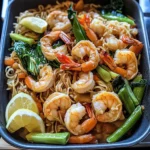
Ingredients
Scale
For the Noodles:
-
- 1 pound Asian Noodles: The foundation of this dish! You have several fantastic options here, each offering a unique texture and taste.
-
- Lo Mein Noodles: These are thick, round, egg noodles, known for their satisfying chewiness. They hold up beautifully in stir-fries and are a classic choice.
-
- Chow Mein Noodles: Thinner than lo mein, chow mein noodles are often pre-cooked and can be stir-fried until slightly crispy. They offer a delightful textural contrast.
-
- Udon Noodles: Thick, chewy, and wheat-based, udon noodles are a Japanese staple. They have a wonderfully bouncy texture and absorb sauces incredibly well.
-
- Soba Noodles: Made from buckwheat flour, soba noodles have a nutty flavor and a slightly firmer texture. They are a healthier option and offer a unique taste.
-
- Rice Noodles (various widths): For a gluten-free option, rice noodles are excellent. Choose wide rice noodles for a heartier bite or thinner vermicelli noodles for a lighter dish. Remember to soak rice noodles according to package instructions before cooking.
-
- Spaghetti or Linguine (in a pinch): While not traditionally Asian, these pasta shapes can work as substitutes if you’re short on time or ingredients. Just be mindful of the cooking time and texture difference.
-
- 1 pound Asian Noodles: The foundation of this dish! You have several fantastic options here, each offering a unique texture and taste.
For the Shrimp:
-
- 1 pound Shrimp: The star protein of the dish! Choose shrimp that are:
-
- Peeled and Deveined: This saves you prep time and ensures a clean, enjoyable eating experience. You can leave the tails on for presentation if desired.
-
- Size: Medium to large shrimp (26-30 count or 31-40 count per pound) are ideal. They cook quickly and remain plump and juicy.
-
- Fresh or Frozen: Both work well. If using frozen shrimp, thaw them completely under cold running water or overnight in the refrigerator. Pat them dry before cooking to ensure they sear properly.
-
- Type: Tiger shrimp, white shrimp, or pink shrimp are all delicious choices.
-
- 1 pound Shrimp: The star protein of the dish! Choose shrimp that are:
For the Vegetables:
-
- 1 tablespoon Vegetable Oil (or Peanut Oil, Sesame Oil for flavor): For stir-frying. Vegetable oil is neutral and versatile, while peanut oil adds a subtle nutty flavor, and sesame oil provides a distinct Asian aroma (use sparingly as sesame oil has a strong flavor).
-
- 1 Red Bell Pepper: Adds sweetness, color, and a satisfying crunch. You can also use other colors like yellow or orange bell peppers.
-
- 1 Green Bell Pepper: Complements the red pepper with its slightly more grassy flavor and adds visual appeal.
-
- 1 Onion (Yellow or White): Provides a savory base flavor. Yellow onions are milder and sweeter when cooked, while white onions have a sharper, more pungent taste.
-
- 2 Carrots: Adds sweetness, color, and a pleasant crunch. You can slice them thinly, julienne them, or use baby carrots cut in half.
-
- 1 cup Broccoli Florets: Adds a healthy dose of greens and a slightly bitter, earthy flavor that balances the sweetness of other vegetables.
-
- 1 cup Snow Peas or Snap Peas: Adds a delicate sweetness and a satisfying crisp-tender texture.
-
- 2 cloves Garlic: Essential for aromatic flavor. Mince or finely chop the garlic.
-
- 1 inch Ginger: Fresh ginger adds warmth, spice, and a distinctive Asian flavor. Peel and mince or grate the ginger.
For the Sauce:
This is where the magic happens! The sauce is the heart of the dish, infusing everything with incredible flavor.
-
- 1/4 cup Soy Sauce (low sodium recommended): Provides the salty, umami base of the sauce. Low sodium soy sauce allows you to control the saltiness better.
-
- 2 tablespoons Oyster Sauce (optional, but highly recommended): Adds a rich, savory, and slightly sweet depth of flavor. If you don’t have oyster sauce, you can substitute with hoisin sauce or a bit more soy sauce and a pinch of sugar.
-
- 2 tablespoons Rice Vinegar: Adds a tangy, slightly sweet acidity that balances the richness of the soy and oyster sauces. Apple cider vinegar or white wine vinegar can be used as substitutes in a pinch, but rice vinegar is preferred for its authentic Asian flavor.
-
- 1 tablespoon Sesame Oil: For aroma and nutty flavor. Use toasted sesame oil for a more intense flavor.
-
- 1 tablespoon Cornstarch: To thicken the sauce and give it a glossy sheen.
-
- 1 tablespoon Brown Sugar (or Honey, Maple Syrup): Adds a touch of sweetness to balance the savory and salty elements. Brown sugar adds a molasses-like depth, while honey or maple syrup offer a cleaner sweetness.
-
- 1/4 cup Water or Chicken Broth: To adjust the sauce consistency and add moisture. Chicken broth will enhance the savory flavor.
-
- 1/2 teaspoon Red Pepper Flakes (optional, for spice): For a touch of heat. Adjust the amount to your spice preference. You can also use a pinch of cayenne pepper or a drizzle of sriracha.
For Garnish (Optional but Recommended):
-
- Sesame Seeds: Toasted sesame seeds add a nutty flavor and a beautiful visual touch.
-
- Chopped Green Onions: Adds freshness, a mild oniony flavor, and vibrant color.
-
- Fresh Cilantro or Parsley: For a fresh, herbaceous element. Cilantro is more traditionally Asian, while parsley offers a milder flavor.
-
- Lime Wedges: To squeeze over the dish just before serving, adding a bright, citrusy zing.
Instructions
Step 1: Prepare the Noodles
-
- Cook the Noodles: Cook your chosen noodles according to package directions. This is crucial, as different types of noodles have varying cooking times. Overcooked noodles will become mushy, while undercooked noodles will be tough.
-
- Lo Mein or Chow Mein Noodles: Usually boiled in salted water until tender but still slightly firm to the bite (al dente). Drain well and rinse with cold water to stop the cooking process and prevent sticking.
-
- Udon Noodles: Often pre-cooked, they may just need to be heated through in boiling water. Fresh udon noodles will require boiling until tender. Drain well.
-
- Soba Noodles: Boil in salted water until al dente. Drain well and rinse with cold water.
-
- Rice Noodles: Soak rice noodles in hot water (not boiling) until softened but still slightly firm. Drain well. Do not oversoak, or they will become mushy.
-
- Spaghetti or Linguine: Cook according to package directions until al dente. Drain well.
-
- Cook the Noodles: Cook your chosen noodles according to package directions. This is crucial, as different types of noodles have varying cooking times. Overcooked noodles will become mushy, while undercooked noodles will be tough.
-
- Toss with a Little Oil (Optional): After draining and rinsing the noodles, toss them with a teaspoon of sesame oil or vegetable oil. This helps prevent them from sticking together and adds a touch of flavor. Set the cooked noodles aside.
Step 2: Prepare the Shrimp
-
- Season the Shrimp: In a bowl, gently toss the peeled and deveined shrimp with a pinch of salt and pepper. You can also add a dash of garlic powder or ginger powder for extra flavor. Let the shrimp sit for a few minutes while you prepare the vegetables.
Step 3: Prepare the Vegetables
-
- Prep the Vegetables: Wash and chop all your vegetables according to the ingredient list. Having everything prepped and ready before you start stir-frying is essential for a smooth and efficient cooking process.
-
- Slice bell peppers into strips.
-
- Slice onions thinly.
-
- Slice or julienne carrots.
-
- Cut broccoli into florets.
-
- Trim snow peas or snap peas.
-
- Mince garlic and ginger.
-
- Prep the Vegetables: Wash and chop all your vegetables according to the ingredient list. Having everything prepped and ready before you start stir-frying is essential for a smooth and efficient cooking process.
Step 4: Make the Sauce
-
- Whisk the Sauce Ingredients: In a small bowl, whisk together all the sauce ingredients: soy sauce, oyster sauce (if using), rice vinegar, sesame oil, cornstarch, brown sugar (or honey/maple syrup), water or chicken broth, and red pepper flakes (if using). Whisk until the cornstarch is fully dissolved and the sauce is smooth. Set the sauce aside.
Step 5: Stir-Fry the Vegetables
-
- Heat the Wok or Large Skillet: Heat vegetable oil (or peanut oil/sesame oil) in a large wok or a large, deep skillet over medium-high heat. The pan should be hot before you add the vegetables.
-
- Stir-Fry Onion and Garlic: Add the sliced onion to the hot pan and stir-fry for 2-3 minutes, until softened and slightly translucent. Then, add the minced garlic and ginger and stir-fry for another minute, until fragrant. Be careful not to burn the garlic.
-
- Add Heartier Vegetables: Add the carrots and bell peppers to the pan and stir-fry for 3-4 minutes, until they are slightly softened but still crisp-tender.
-
- Add Broccoli and Snow Peas (or Snap Peas): Add the broccoli florets and snow peas (or snap peas) to the pan and stir-fry for another 2-3 minutes, until they are bright green and crisp-tender. You want the vegetables to retain some of their crunch.
Step 6: Cook the Shrimp
-
- Push Vegetables to the Side: Push the stir-fried vegetables to one side of the wok or skillet, creating space in the center.
-
- Add Shrimp: Add the seasoned shrimp to the empty space in the pan. Spread them out in a single layer if possible.
-
- Cook Shrimp: Stir-fry the shrimp for 2-3 minutes per side, until they turn pink and opaque and are cooked through. Be careful not to overcook the shrimp, as they will become rubbery.
Step 7: Combine Everything and Simmer
-
- Pour in the Sauce: Pour the prepared sauce over the vegetables and shrimp in the wok or skillet.
-
- Bring to a Simmer: Stir everything together to coat the vegetables and shrimp evenly with the sauce. Bring the sauce to a simmer and cook for 1-2 minutes, or until the sauce has thickened slightly and become glossy. The cornstarch will activate and thicken the sauce as it heats up.
-
- Add Noodles: Add the cooked noodles to the wok or skillet.
-
- Toss to Combine: Toss everything together gently but thoroughly to combine the noodles, vegetables, shrimp, and sauce. Ensure the noodles are evenly coated with the flavorful sauce.
-
- Heat Through: Cook for another 1-2 minutes, or until the noodles are heated through and everything is well combined.
Step 8: Serve and Garnish
-
- Serve Immediately: Asian Shrimp and Noodles are best served hot and fresh right away.
-
- Garnish: Garnish with sesame seeds, chopped green onions, and fresh cilantro or parsley.
-
- Lime Wedges (Optional): Serve with lime wedges on the side for squeezing over the dish just before eating, adding a bright, citrusy finish.
Nutrition
- Serving Size: one normal portion
- Calories: 450-600
- Fat: 15-25 grams
- Carbohydrates: 50-70 grams
- Protein: 30-40 grams