

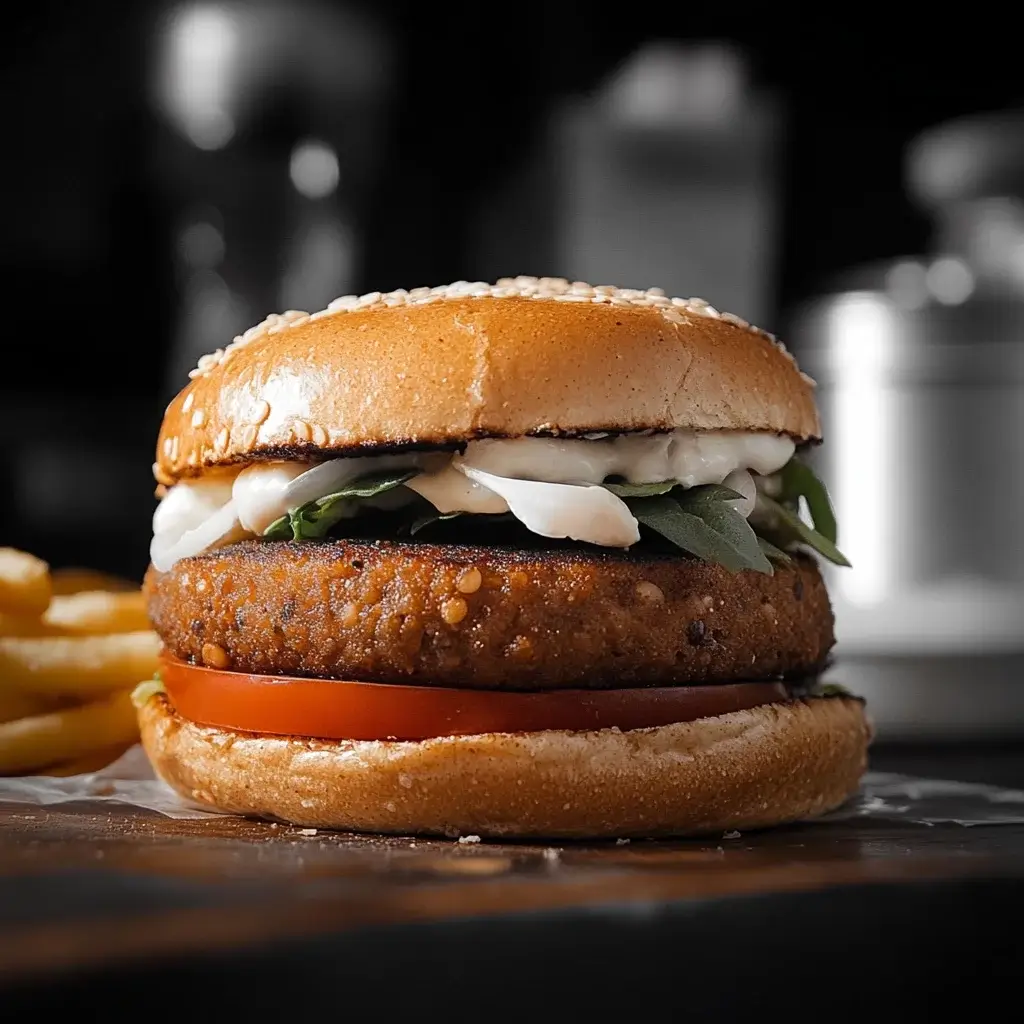
My family, let’s just say, are not always the easiest to please when it comes to vegetarian meals. Burgers, especially, are a sacred territory in our household, usually reserved for juicy, flame-grilled beef patties. So, when I decided to experiment with a veggie bean burger recipe, I was met with a healthy dose of skepticism, to put it mildly. However, I was determined to create something that would not only be healthy and meat-free but also genuinely satisfying and delicious. After several attempts, tweaks, and taste tests (some more successful than others!), I finally landed on this recipe. And to my utter surprise, it was a hit! Even the most ardent meat-lover in my family admitted these veggie bean burgers were not just “good for veggie burgers,” but genuinely delicious, full-stop. They loved the smoky flavor, the satisfying texture, and the fact that they didn’t fall apart on the grill. This recipe has become a regular feature in our summer barbecues and weeknight dinners, proving that veggie burgers can be just as crave-worthy as their meaty counterparts. Ready to convert even the biggest burger skeptics in your life? Let’s dive into this incredible Veggie Bean Burger recipe!
Ingredients
This recipe uses a blend of beans, vegetables, and spices to create a flavorful and satisfying veggie burger. Here’s what you’ll need:
- Black Beans: 1 (15-ounce) can, rinsed and drained. Black beans are the heart of this burger, providing a hearty texture and earthy flavor. They are also packed with protein and fiber, making these burgers nutritious and filling.
- Kidney Beans: 1 (15-ounce) can, rinsed and drained. Kidney beans add a different texture and a slightly sweeter flavor profile, complementing the black beans beautifully. They also contribute to the overall protein content.
- Cooked Brown Rice: 1 cup. Cooked brown rice acts as a binder and adds a pleasant chewiness to the burger. It also contributes complex carbohydrates for sustained energy. You can use leftover rice or cook it fresh.
- Onion: ½ medium, finely diced. Onion provides a foundational savory flavor and aromatic depth. Dicing it finely ensures it cooks through in the burgers.
- Red Bell Pepper: ½ medium, finely diced. Red bell pepper adds a touch of sweetness, color, and vitamins. It also contributes to the overall texture and moisture of the burger.
- Garlic: 2 cloves, minced. Garlic is essential for adding pungent flavor and enhancing the overall taste profile of the burgers. Freshly minced garlic is recommended for the best flavor.
- Chipotle Peppers in Adobo Sauce: 1-2 chipotle peppers, finely minced, plus 1 teaspoon adobo sauce (or to taste). Chipotle peppers bring a smoky heat and depth of flavor that is crucial for a truly delicious veggie burger. Adjust the amount to your spice preference.
- Ground Cumin: 1 teaspoon. Cumin adds warmth and earthiness that complements the beans and chipotle peppers perfectly.
- Smoked Paprika: 1 teaspoon. Smoked paprika enhances the smoky flavor profile and adds a beautiful reddish hue to the burgers.
- Dried Oregano: ½ teaspoon. Oregano provides a slightly herbaceous and savory note that balances the other spices.
- Breadcrumbs: ½ – ¾ cup, plain or panko. Breadcrumbs are essential for binding the ingredients together and absorbing excess moisture, resulting in burgers that hold their shape and don’t become mushy. Start with ½ cup and add more if the mixture is too wet. Panko breadcrumbs will give a slightly crispier texture.
- Olive Oil: 2 tablespoons, plus more for brushing. Olive oil is used for sautéing the vegetables and brushing the burgers before cooking, adding flavor and preventing sticking.
- Salt and Black Pepper: To taste. Seasoning is crucial! Salt enhances all the flavors, and black pepper adds a touch of spice and complexity. Taste and adjust seasoning as needed.
- Optional Binders (if needed): 1-2 tablespoons of flaxseed meal mixed with 3-6 tablespoons of water (flax egg – let sit for 5 minutes to thicken) or 1-2 tablespoons of chia seeds mixed with 3-6 tablespoons of water (chia egg – let sit for 5 minutes to thicken). If your burger mixture seems too wet and isn’t holding together well, these binders can help. They are especially useful for vegan versions.
Ingredient Notes and Substitutions:
- Bean Variations: Feel free to experiment with different types of beans. Pinto beans, cannellini beans, or even lentils (cooked until soft) can be used in combination or substitution.
- Spice Level: If you are sensitive to spice, start with just one chipotle pepper and a smaller amount of adobo sauce. You can always add more later. For a milder flavor, you can use smoked paprika instead of chipotle, or omit the chipotle entirely and add a touch of liquid smoke.
- Vegetable Additions: Get creative with your vegetables! Finely grated carrots, zucchini, or mushrooms can be added for extra flavor and nutrients. Just make sure to squeeze out any excess moisture from grated vegetables before adding them to the mixture.
- Gluten-Free Option: Use gluten-free breadcrumbs or almond flour instead of regular breadcrumbs to make this recipe gluten-free. Ensure your breadcrumbs are certified gluten-free if necessary.
- Herb Variations: Fresh herbs like cilantro or parsley can be added to the mixture or used as a topping for extra freshness.
- Rice Substitutions: Cooked quinoa, barley, or even finely chopped cooked sweet potato can be used instead of brown rice for different flavor and texture profiles.
Instructions
Follow these step-by-step instructions to make delicious and perfectly textured Veggie Bean Burgers:
- Sauté the Vegetables: Heat 2 tablespoons of olive oil in a large skillet over medium heat. Add the diced onion and red bell pepper and cook for about 5-7 minutes, or until softened and slightly translucent. Add the minced garlic and cook for another minute until fragrant, being careful not to burn the garlic. Sautéing the vegetables softens them and brings out their sweetness, which contributes to the overall flavor of the burger.
- Prepare the Bean Mixture: In a large mixing bowl, combine the rinsed and drained black beans and kidney beans. Using a potato masher or a fork, roughly mash the beans. You want to break them down to create a mixture that will hold together, but still leave some texture. Don’t over-mash them into a complete paste; some chunks are desirable for texture.
- Combine Ingredients: Add the sautéed onion, red bell pepper, and garlic to the mashed beans. Then add the cooked brown rice, minced chipotle peppers (and adobo sauce), ground cumin, smoked paprika, dried oregano, salt, and black pepper. Mix everything together thoroughly until well combined. Ensure all spices are evenly distributed throughout the mixture.
- Add Breadcrumbs and Binder (if needed): Start by adding ½ cup of breadcrumbs to the mixture. Mix well. If the mixture still seems too wet and doesn’t easily form a patty (it should hold its shape when pressed together), gradually add more breadcrumbs, up to ¾ cup, until you reach a consistency that is moldable but not dry. If you are using a flax or chia egg, prepare it according to the instructions in the ingredients section and add it to the mixture at this stage. The breadcrumbs and optional binder are crucial for achieving the right texture and preventing the burgers from falling apart.
- Form the Patties: Divide the mixture into 4-6 equal portions, depending on your desired burger size. Gently shape each portion into a patty, about ¾ inch thick. Make sure the edges are smooth and even to prevent cracking during cooking. You can use your hands or a burger press to form the patties. If the mixture is sticky, slightly dampen your hands with water.
- Chill the Patties (Optional but Recommended): Place the formed patties on a plate or baking sheet lined with parchment paper. Cover them loosely with plastic wrap or foil and refrigerate for at least 30 minutes. Chilling helps the patties firm up, making them easier to handle and less likely to fall apart during cooking. While optional, chilling is highly recommended, especially if you plan to grill the burgers.
- Cook the Burgers: You have several cooking options:
- Pan-Frying: Heat 1-2 tablespoons of olive oil in a large skillet over medium heat. Once hot, carefully place the veggie burgers in the skillet (don’t overcrowd the pan; cook in batches if necessary). Cook for about 5-7 minutes per side, or until golden brown and heated through. Gently flip the burgers using a spatula to avoid breaking them.
- Baking: Preheat oven to 400°F (200°C). Place the veggie burgers on a baking sheet lined with parchment paper. Brush the tops with a little olive oil. Bake for 20-25 minutes, flipping halfway through, until heated through and lightly browned. Baking is a healthier, lower-fat option and requires less hands-on attention.
- Grilling: Preheat your grill to medium heat. Lightly brush the grill grates with oil to prevent sticking. Carefully place the veggie burgers on the grill. Grill for about 5-7 minutes per side, or until they have grill marks and are heated through. Be gentle when flipping them, as veggie burgers can be more delicate than meat burgers. Grilling imparts a wonderful smoky flavor.
- Air Frying: Preheat your air fryer to 375°F (190°C). Place the veggie burgers in the air fryer basket in a single layer (you may need to cook in batches). Air fry for 10-12 minutes, flipping halfway through, until golden brown and heated through. Air frying is a quick and easy method that results in crispy burgers.
- Serve: Once cooked, remove the veggie bean burgers from the pan, oven, grill, or air fryer. Serve immediately on burger buns with your favorite toppings and condiments. See the “How to Serve” section below for serving suggestions.
Tips for Perfect Veggie Bean Burgers:
- Don’t Overmix: Be gentle when mixing the ingredients. Overmixing can make the burgers tough. Mix just until everything is combined.
- Adjust Breadcrumbs Carefully: Add breadcrumbs gradually. You want the mixture to be moist enough to hold together but not too wet. If the mixture is too dry, you can add a tablespoon of water or plant-based milk to moisten it slightly.
- Taste and Adjust Seasoning: Before forming the patties, taste a small portion of the mixture and adjust the salt, pepper, and spices as needed. This is your chance to customize the flavor to your liking.
- Don’t Overcrowd the Pan (for Pan-Frying): Overcrowding the pan will lower the temperature and cause the burgers to steam instead of brown nicely. Cook in batches if necessary.
- Handle with Care: Veggie burgers can be more delicate than meat burgers, especially before cooking. Handle them gently when forming, flipping, and transferring them. Chilling them before cooking helps make them firmer and easier to handle.
Nutritional Information
(Estimated per serving, assuming 4 servings per recipe. Nutritional values can vary based on specific ingredients and serving sizes.)
- Servings: 4
- Calories per Serving: Approximately 350-400 calories
Approximate Nutritional Breakdown per Serving:
- Protein: 15-20 grams
- Fat: 12-15 grams (primarily from olive oil and beans)
- Saturated Fat: 2-3 grams
- Cholesterol: 0 mg
- Sodium: 500-700 mg (can vary depending on canned beans and added salt)
- Carbohydrates: 45-55 grams
- Fiber: 10-15 grams
- Sugar: 5-8 grams (naturally occurring from vegetables and beans)
Nutritional Highlights:
- High in Protein: Provides a good source of plant-based protein from beans and brown rice, essential for muscle building and satiety.
- Rich in Fiber: Packed with dietary fiber from beans, vegetables, and brown rice, promoting digestive health and helping to regulate blood sugar levels.
- Good Source of Complex Carbohydrates: Provides sustained energy from brown rice and beans, unlike simple carbohydrates that cause energy crashes.
- Lower in Saturated Fat and Cholesterol: A healthier alternative to traditional beef burgers, lower in saturated fat and cholesterol, contributing to heart health.
- Vitamins and Minerals: Contains vitamins and minerals from vegetables and beans, including iron, folate, potassium, and vitamin C.
Note: This is an estimated nutritional breakdown. For precise nutritional information, you can use a nutrition calculator app or website and input the specific ingredients and quantities you use.
Preparation Time
- Prep Time: 30 minutes (including vegetable chopping and mixture preparation)
- Cook Time: 20-25 minutes (baking), 20-28 minutes (pan-frying, grilling, air frying – depending on batch size and method)
- Total Time: Approximately 50-55 minutes
Make-Ahead Tips:
- Prepare the Burger Mixture Ahead: You can prepare the veggie burger mixture up to 24 hours in advance and store it in the refrigerator. Form the patties just before cooking.
- Pre-Cook and Freeze Patties: Cooked veggie burgers freeze exceptionally well. Cook the patties completely, let them cool to room temperature, then wrap them individually in plastic wrap and place them in a freezer-safe bag or container. They can be frozen for up to 2-3 months. To reheat, bake, pan-fry, or microwave from frozen until heated through.
How to Serve
These Veggie Bean Burgers are incredibly versatile and can be served in countless delicious ways. Here are some ideas:
- Classic Burger Style:
- Serve on toasted burger buns (whole wheat, brioche, or gluten-free).
- Top with classic burger fixings like lettuce, tomato, onion, pickles, cheese (cheddar, Monterey Jack, vegan cheese), ketchup, mustard, and mayonnaise.
- Add crispy bacon or tempeh bacon for an extra layer of flavor (optional).
- Adventurous Toppings:
- Guacamole and Salsa: Top with fresh guacamole, salsa, and a dollop of sour cream or Greek yogurt for a Tex-Mex inspired burger.
- Caramelized Onions and Gruyere: Elevate your burger with sweet caramelized onions, melted Gruyere cheese, and a balsamic glaze.
- Spicy Peanut Sauce and Slaw: Give your burger an Asian-inspired twist with a spicy peanut sauce, crunchy slaw (cabbage, carrots, cilantro, lime dressing), and pickled ginger.
- Mediterranean Style: Top with hummus, feta cheese, cucumber slices, Kalamata olives, and a drizzle of olive oil.
- Mushroom and Swiss: Sautéed mushrooms and melted Swiss cheese create a rich and savory burger combination.
- Beyond the Bun:
- Burger Bowls: Skip the bun and crumble the veggie burger over a bowl of quinoa or rice, topped with roasted vegetables, avocado, and your favorite sauce.
- Salad Topper: Slice the veggie burger and add it to a large salad for a protein-packed and satisfying meal.
- Lettuce Wraps: For a low-carb option, serve the veggie burger in large lettuce cups instead of buns, with your favorite toppings.
- Veggie Burger Crumbles: Crumble cooked veggie burgers and use them as a base for tacos, chili, or pasta sauce.
- Side Dish Pairings:
- Classic Sides: French fries, sweet potato fries, onion rings, potato salad, coleslaw, macaroni salad.
- Healthy Sides: Side salad, roasted vegetables (broccoli, asparagus, Brussels sprouts), grilled corn on the cob, fruit salad, quinoa salad.
- Unique Sides: Grilled pineapple skewers, elote (Mexican street corn), watermelon and feta salad, black bean and corn salsa.
Additional Tips for Veggie Bean Burger Perfection
- Proper Bean Preparation is Key: Ensure your beans are thoroughly rinsed and drained. Excess moisture can make the burger mixture too wet. Mashing them roughly provides texture and helps them bind together.
- Sautéing Vegetables Enhances Flavor: Don’t skip sautéing the onions, peppers, and garlic. This step softens them, reduces their raw bite, and brings out their sweetness, contributing significantly to the overall flavor of the burgers.
- Chill Before Cooking for Best Results: Chilling the formed patties in the refrigerator for at least 30 minutes is highly recommended. It firms them up, making them easier to handle and less prone to falling apart during cooking, especially on the grill.
- Don’t Overcook: Veggie burgers don’t need to be cooked to a specific internal temperature like meat burgers. Overcooking can dry them out. Cook until they are heated through, golden brown, and slightly firm to the touch.
- Experiment with Flavors and Textures: This recipe is a fantastic base. Feel free to experiment with different spices, vegetables, and additions to create your signature veggie bean burger. Try adding different types of beans, grains, herbs, or even nuts and seeds for added texture and flavor complexity.
Frequently Asked Questions (FAQ)
Q1: My veggie burgers are falling apart. What am I doing wrong?
A: Several factors can cause veggie burgers to fall apart. The most common are:
* Too much moisture: Ensure your beans are well-drained and you haven’t added too much liquid. If the mixture is too wet, add more breadcrumbs gradually until it reaches a moldable consistency.
* Not enough binder: Breadcrumbs are essential for binding. You may need to add slightly more than the recipe suggests, especially if your beans were particularly moist. Consider using a flax egg or chia egg as an additional binder, especially for vegan versions.
* Not chilling the patties: Chilling firms up the patties, making them easier to handle and cook without falling apart. Always chill for at least 30 minutes before cooking.
* Flipping too early or too aggressively: Be gentle when flipping veggie burgers. Let them cook for a few minutes on one side before attempting to flip, and use a wide spatula for support.
Q2: Can I make these veggie burgers vegan?
A: Yes, absolutely! This recipe is naturally vegan-friendly as it doesn’t contain any animal products. Just ensure you are using vegan breadcrumbs (most plain breadcrumbs are vegan) and vegan burger buns if you are using them. No substitutions are needed for the core recipe to be vegan.
Q3: Can I grill these veggie burgers without them sticking or falling apart?
A: Yes, grilling veggie burgers is definitely possible! Here are some tips for grilling success:
* Chill the patties thoroughly: Chilling is even more crucial for grilling.
* Preheat the grill properly: Make sure your grill is preheated to medium heat.
* Oil the grill grates: Lightly brush the grill grates with oil to prevent sticking.
* Handle gently: Use a wide spatula to carefully place and flip the burgers.
* Don’t flip too often: Let them cook for a few minutes per side before flipping to allow them to firm up and develop grill marks.
Q4: Can I freeze these veggie burgers?
A: Yes, these veggie burgers freeze very well, both cooked and uncooked (though cooked is recommended for best texture after thawing).
* To freeze cooked burgers: Let them cool completely, wrap individually in plastic wrap, and then place in a freezer-safe bag or container. Freeze for up to 2-3 months. Reheat from frozen in the oven, skillet, or microwave.
* To freeze uncooked patties: Form the patties, place them on a parchment-lined baking sheet, and freeze until solid. Once frozen, transfer them to a freezer-safe bag or container. Cook from frozen, adding a few extra minutes to the cooking time.
Q5: How can I make these burgers spicier?
A: If you want to increase the spice level, you have several options:
* Add more chipotle peppers: Increase the number of chipotle peppers in adobo sauce, and/or add more adobo sauce.
* Include cayenne pepper or red pepper flakes: Add a pinch of cayenne pepper or red pepper flakes to the burger mixture. Start with a small amount and adjust to taste.
* Use hot sauce: Add a dash of your favorite hot sauce to the burger mixture.
* Incorporate jalapeños: Finely dice a jalapeño pepper (remove seeds for less heat) and add it to the sautéed vegetables.
* Spicy toppings: Use spicy toppings like pickled jalapeños, pepper jack cheese, or a spicy mayo or sriracha mayo to amp up the heat when serving.
Enjoy making and savoring these delicious and healthy Veggie Bean Burgers! They are sure to become a new favorite in your kitchen.
Print
Veggie Bean Burger recipe
Ingredients
- Black Beans: 1 (15-ounce) can, rinsed and drained. Black beans are the heart of this burger, providing a hearty texture and earthy flavor. They are also packed with protein and fiber, making these burgers nutritious and filling.
- Kidney Beans: 1 (15-ounce) can, rinsed and drained. Kidney beans add a different texture and a slightly sweeter flavor profile, complementing the black beans beautifully. They also contribute to the overall protein content.
- Cooked Brown Rice: 1 cup. Cooked brown rice acts as a binder and adds a pleasant chewiness to the burger. It also contributes complex carbohydrates for sustained energy. You can use leftover rice or cook it fresh.
- Onion: ½ medium, finely diced. Onion provides a foundational savory flavor and aromatic depth. Dicing it finely ensures it cooks through in the burgers.
- Red Bell Pepper: ½ medium, finely diced. Red bell pepper adds a touch of sweetness, color, and vitamins. It also contributes to the overall texture and moisture of the burger.
- Garlic: 2 cloves, minced. Garlic is essential for adding pungent flavor and enhancing the overall taste profile of the burgers. Freshly minced garlic is recommended for the best flavor.
- Chipotle Peppers in Adobo Sauce: 1-2 chipotle peppers, finely minced, plus 1 teaspoon adobo sauce (or to taste). Chipotle peppers bring a smoky heat and depth of flavor that is crucial for a truly delicious veggie burger. Adjust the amount to your spice preference.
- Ground Cumin: 1 teaspoon. Cumin adds warmth and earthiness that complements the beans and chipotle peppers perfectly.
- Smoked Paprika: 1 teaspoon. Smoked paprika enhances the smoky flavor profile and adds a beautiful reddish hue to the burgers.
- Dried Oregano: ½ teaspoon. Oregano provides a slightly herbaceous and savory note that balances the other spices.
- Breadcrumbs: ½ – ¾ cup, plain or panko. Breadcrumbs are essential for binding the ingredients together and absorbing excess moisture, resulting in burgers that hold their shape and don’t become mushy. Start with ½ cup and add more if the mixture is too wet. Panko breadcrumbs will give a slightly crispier texture.
- Olive Oil: 2 tablespoons, plus more for brushing. Olive oil is used for sautéing the vegetables and brushing the burgers before cooking, adding flavor and preventing sticking.
- Salt and Black Pepper: To taste. Seasoning is crucial! Salt enhances all the flavors, and black pepper adds a touch of spice and complexity. Taste and adjust seasoning as needed.
- Optional Binders (if needed): 1-2 tablespoons of flaxseed meal mixed with 3-6 tablespoons of water (flax egg – let sit for 5 minutes to thicken) or 1-2 tablespoons of chia seeds mixed with 3-6 tablespoons of water (chia egg – let sit for 5 minutes to thicken). If your burger mixture seems too wet and isn’t holding together well, these binders can help. They are especially useful for vegan versions.
Instructions
- Sauté the Vegetables: Heat 2 tablespoons of olive oil in a large skillet over medium heat. Add the diced onion and red bell pepper and cook for about 5-7 minutes, or until softened and slightly translucent. Add the minced garlic and cook for another minute until fragrant, being careful not to burn the garlic. Sautéing the vegetables softens them and brings out their sweetness, which contributes to the overall flavor of the burger.
- Prepare the Bean Mixture: In a large mixing bowl, combine the rinsed and drained black beans and kidney beans. Using a potato masher or a fork, roughly mash the beans. You want to break them down to create a mixture that will hold together, but still leave some texture. Don’t over-mash them into a complete paste; some chunks are desirable for texture.
- Combine Ingredients: Add the sautéed onion, red bell pepper, and garlic to the mashed beans. Then add the cooked brown rice, minced chipotle peppers (and adobo sauce), ground cumin, smoked paprika, dried oregano, salt, and black pepper. Mix everything together thoroughly until well combined. Ensure all spices are evenly distributed throughout the mixture.
- Add Breadcrumbs and Binder (if needed): Start by adding ½ cup of breadcrumbs to the mixture. Mix well. If the mixture still seems too wet and doesn’t easily form a patty (it should hold its shape when pressed together), gradually add more breadcrumbs, up to ¾ cup, until you reach a consistency that is moldable but not dry. If you are using a flax or chia egg, prepare it according to the instructions in the ingredients section and add it to the mixture at this stage. The breadcrumbs and optional binder are crucial for achieving the right texture and preventing the burgers from falling apart.
- Form the Patties: Divide the mixture into 4-6 equal portions, depending on your desired burger size. Gently shape each portion into a patty, about ¾ inch thick. Make sure the edges are smooth and even to prevent cracking during cooking. You can use your hands or a burger press to form the patties. If the mixture is sticky, slightly dampen your hands with water.
- Chill the Patties (Optional but Recommended): Place the formed patties on a plate or baking sheet lined with parchment paper. Cover them loosely with plastic wrap or foil and refrigerate for at least 30 minutes. Chilling helps the patties firm up, making them easier to handle and less likely to fall apart during cooking. While optional, chilling is highly recommended, especially if you plan to grill the burgers.
- Cook the Burgers: You have several cooking options:
- Pan-Frying: Heat 1-2 tablespoons of olive oil in a large skillet over medium heat. Once hot, carefully place the veggie burgers in the skillet (don’t overcrowd the pan; cook in batches if necessary). Cook for about 5-7 minutes per side, or until golden brown and heated through. Gently flip the burgers using a spatula to avoid breaking them.
- Baking: Preheat oven to 400°F (200°C). Place the veggie burgers on a baking sheet lined with parchment paper. Brush the tops with a little olive oil. Bake for 20-25 minutes, flipping halfway through, until heated through and lightly browned. Baking is a healthier, lower-fat option and requires less hands-on attention.
- Grilling: Preheat your grill to medium heat. Lightly brush the grill grates with oil to prevent sticking. Carefully place the veggie burgers on the grill. Grill for about 5-7 minutes per side, or until they have grill marks and are heated through. Be gentle when flipping them, as veggie burgers can be more delicate than meat burgers. Grilling imparts a wonderful smoky flavor.
- Air Frying: Preheat your air fryer to 375°F (190°C). Place the veggie burgers in the air fryer basket in a single layer (you may need to cook in batches). Air fry for 10-12 minutes, flipping halfway through, until golden brown and heated through. Air frying is a quick and easy method that results in crispy burgers.
- Serve: Once cooked, remove the veggie bean burgers from the pan, oven, grill, or air fryer. Serve immediately on burger buns with your favorite toppings and condiments. See the “How to Serve” section below for serving suggestions.
Nutrition
- Serving Size: one normal portion
- Calories: 350-400
- Sugar: 5-8 grams
- Sodium: 500-700 mg
- Fat: 12-15 grams
- Saturated Fat: 2-3 grams
- Carbohydrates: 45-55 grams
- Fiber: 10-15 grams
- Protein: 15-20 grams