

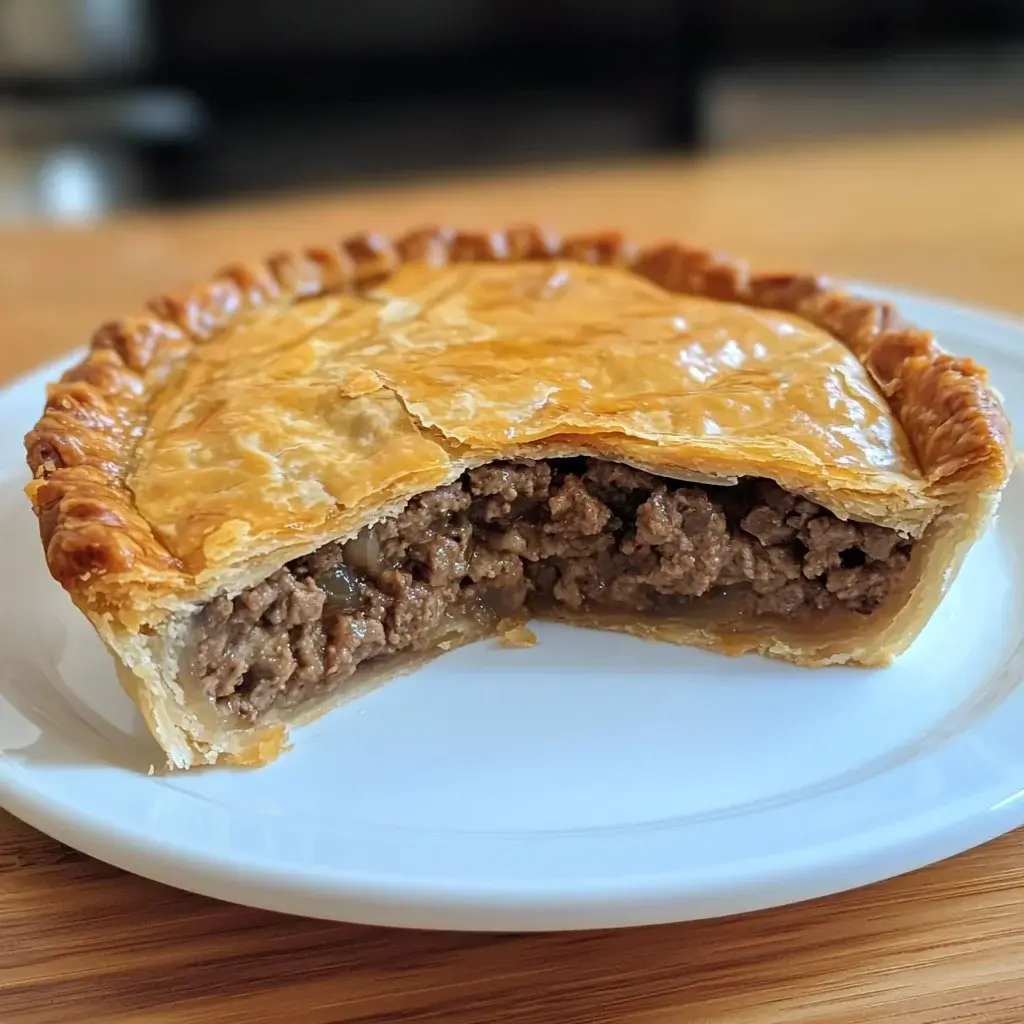
he aroma of Tourtière baking in the oven is, for me, the scent of pure comfort and celebration. The first time I attempted this iconic French Canadian meat pie, I was a little intimidated. It seemed like such a storied dish, steeped in tradition, particularly around the holidays. But as the spiced meat filling simmered, releasing its fragrant steam, and the flaky pastry turned golden in the heat, my kitchen transformed. When I finally pulled that magnificent pie from the oven and served it to my family, their reactions were priceless. The kids, usually picky, devoured their slices, while my partner declared it the best meat pie he’d ever tasted. It wasn’t just a meal; it was an experience, a warm hug on a cold day, and it instantly became a cherished recipe in our home, requested for every Christmas Eve and often for cozy Sunday dinners throughout the winter. This recipe, refined over several attempts, captures that perfect balance of savory meat, warming spices, and buttery pastry that makes Tourtière so beloved.
Complete Ingredients
This recipe yields one generous 9-inch Tourtière, perfect for sharing.
For the Flaky Pastry (Pâte Brisée):
- 2 ½ cups (300g) all-purpose flour
- 1 teaspoon salt
- 1 cup (226g) unsalted butter, very cold and cubed (or half butter, half lard for extra flakiness)
- ½ cup (120ml) ice water, plus 1-2 tablespoons more if needed
For the Rich Meat Filling:
- 1 tablespoon olive oil or butter
- 1 large onion, finely chopped (about 1 ½ cups)
- 2 cloves garlic, minced
- 1 pound (450g) ground pork (not lean – a bit of fat is good for flavor)
- ½ pound (225g) ground beef (80/20 recommended)
- (Optional: ¼ pound (115g) ground veal for extra tenderness)
- 1 medium potato (about ½ pound/225g), peeled and finely diced (or ½ cup plain breadcrumbs or ½ cup mashed potatoes)
- ½ cup (120ml) beef or chicken broth (or water)
- 1 teaspoon salt, or to taste
- ½ teaspoon black pepper, or to taste
- ½ teaspoon ground cloves
- ½ teaspoon ground cinnamon
- ¼ teaspoon ground allspice
- ¼ teaspoon dried savory or thyme (optional, but adds a nice herbal note)
- Pinch of ground nutmeg
For the Egg Wash (Optional, for a golden crust):
- 1 large egg
- 1 tablespoon milk or cream
Instructions
Follow these steps carefully for a Tourtière that will transport you straight to a Québécois winter wonderland.
Step 1: Prepare the Pastry
- Combine Dry Ingredients: In a large bowl, whisk together the flour and salt.
- Cut in Fat: Add the cold, cubed butter (and/or lard) to the flour mixture. Using a pastry blender, your fingertips, or a food processor (pulsing briefly), cut the fat into the flour until the mixture resembles coarse meal with some pea-sized pieces of butter remaining. This is key for a flaky crust.
- Add Ice Water: Gradually sprinkle the ice water over the mixture, one tablespoon at a time, mixing lightly with a fork after each addition, just until the dough starts to come together. Be careful not to overmix or add too much water. The dough should not be sticky.
- Divide and Chill: Turn the dough out onto a lightly floured surface and gently gather it into a ball. Divide the dough in half, flatten each half into a disc, wrap tightly in plastic wrap, and refrigerate for at least 1 hour (or up to 2 days). This resting period allows the gluten to relax, making the dough easier to roll.
Step 2: Prepare the Meat Filling
- Sauté Aromatics: Heat the olive oil or butter in a large, heavy-bottomed skillet or Dutch oven over medium heat. Add the chopped onion and cook, stirring occasionally, until softened and translucent, about 5-7 minutes. Add the minced garlic and cook for another minute until fragrant.
- Brown the Meats: Add the ground pork, ground beef (and veal, if using) to the skillet. Break up the meat with a spoon and cook, stirring frequently, until it’s nicely browned and no pink remains. Drain off any excess fat if there’s a lot.
- Add Potato and Spices: Stir in the finely diced potato (or breadcrumbs/mashed potato). Add the salt, black pepper, ground cloves, ground cinnamon, ground allspice, savory/thyme (if using), and nutmeg. Stir well to ensure the meat is evenly coated with the spices. The aroma should be incredible at this point!
- Simmer: Pour in the beef or chicken broth (or water). Bring the mixture to a gentle simmer. Reduce the heat to low, cover the skillet loosely (allowing some steam to escape), and let it simmer for at least 30-45 minutes, or until the potatoes are very tender and the liquid has mostly cooked down. The filling should be moist but not watery. If using breadcrumbs or mashed potatoes instead of diced, the simmer time can be reduced to 20-25 minutes, just enough for flavors to meld.
- Cool Completely: Once cooked, remove the filling from the heat and let it cool completely. This is a crucial step. Adding hot filling to pastry will melt the butter and result in a soggy, tough crust. You can speed up cooling by spreading it on a baking sheet and refrigerating.
Step 3: Assemble the Tourtière
- Preheat Oven: Preheat your oven to 400°F (200°C). Place a baking sheet on the lower rack to catch any potential drips (optional, but recommended).
- Roll Bottom Crust: On a lightly floured surface, take one disc of chilled dough and roll it out into a 12-inch circle, about ⅛-inch thick. Carefully transfer the dough to a 9-inch pie plate. Gently press it into the bottom and up the sides. Trim any excess dough, leaving about a ½-inch overhang.
- Add Filling: Spoon the cooled meat filling into the pastry-lined pie plate, spreading it evenly.
- Roll Top Crust: Roll out the second disc of dough into an 11-inch circle. Carefully place it over the filling.
- Crimp and Vent: Trim the top crust, leaving a 1-inch overhang. Fold the overhang under the edge of the bottom crust and crimp the edges decoratively to seal the pie. Use a sharp knife to cut several vents in the top crust to allow steam to escape during baking. This prevents the crust from puffing up too much. You can make simple slits or get creative with a small pastry cutter.
- Egg Wash (Optional): In a small bowl, whisk together the egg and milk/cream. Lightly brush the top crust with the egg wash. This will give your Tourtière a beautiful golden-brown, shiny finish.
Step 4: Bake the Tourtière
- Initial Bake: Place the pie on the preheated baking sheet (if using) or directly on the oven rack in the lower third of the oven. Bake at 400°F (200°C) for 15-20 minutes, until the crust begins to set and lightly brown.
- Reduce Heat and Continue Baking: Reduce the oven temperature to 375°F (190°C) and continue baking for another 30-40 minutes, or until the crust is deeply golden brown and the filling is bubbly (you might see some juices bubbling through the vents). If the edges of the crust start to brown too quickly, you can cover them loosely with aluminum foil or a pie crust shield.
- Rest Before Serving: Once baked, remove the Tourtière from the oven and let it rest on a wire rack for at least 20-30 minutes before slicing and serving. This allows the filling to set properly, making it easier to slice neatly.
Nutrition Facts
- Servings: This recipe makes 8 generous servings.
- Calories per serving (approximate): Around 650-750 calories.
- Disclaimer: Nutritional information is an estimate and can vary based on specific ingredients used (e.g., fat content of meat, type of fat in pastry) and portion sizes.
Preparation Time
- Pastry Preparation & Chilling: 20 minutes active prep, at least 1 hour chilling.
- Filling Preparation & Cooling: 20 minutes active prep, 45-60 minutes simmering, at least 1 hour cooling.
- Assembly: 20-30 minutes.
- Baking Time: 45-60 minutes.
- Resting Time: 20-30 minutes.
- Total Time (including chilling/cooling): Approximately 4.5 – 5.5 hours. Much of this is inactive time.
- Tip for efficiency: The pastry and filling can be made a day in advance and stored in the refrigerator.
How to Serve
Tourtière is more than just a pie; it’s a centerpiece. Here’s how to make the most of serving this French Canadian delight:
- Temperature: Serve warm, not piping hot. This allows the flavors to be fully appreciated and makes for cleaner slices.
- Traditional Condiments: These are almost non-negotiable for an authentic experience!
- Fruit Ketchup (Ketchup aux Fruits): A sweet and tangy homemade ketchup, often made with tomatoes, apples, peaches, and warm spices. It’s the classic accompaniment.
- Chow-Chow: A pickled green tomato relish, sometimes with other vegetables and mustard. Its acidity cuts through the richness of the pie beautifully.
- Pickled Beets: Simple, earthy, and sweet-sour, pickled beets add color and a contrasting flavor.
- Regular Tomato Ketchup: If homemade fruit ketchup isn’t available, good quality tomato ketchup is a perfectly acceptable and popular choice.
- Side Dishes:
- Simple Green Salad: A light salad with a vinaigrette dressing provides a fresh counterpoint.
- Mashed Potatoes: While there’s potato in the pie, a side of creamy mashed potatoes is a common and comforting pairing, especially if you’re very hungry!
- Steamed or Roasted Vegetables: Green beans, peas, or roasted root vegetables like carrots and parsnips work well.
- Beverages:
- Red Wine: A light to medium-bodied red wine like a Pinot Noir or a Gamay.
- Beer: A Canadian ale or a crisp lager.
- Apple Cider: Hard or non-alcoholic, especially during fall and winter.
- Occasions:
- Réveillon (Christmas Eve): The most traditional time to serve Tourtière in Quebec.
- New Year’s Eve/Day: Another popular holiday for this festive pie.
- Cold Winter Nights: Perfect comfort food anytime the temperature drops.
- Potlucks and Gatherings: It’s a crowd-pleaser and travels reasonably well (let it cool before transporting).
Additional Tips (5 tips)
- Don’t Skimp on Spices, But Adjust to Taste: The characteristic flavor of Tourtière comes from its unique spice blend, particularly cloves and cinnamon. Don’t be shy with them! However, if you’re new to these savory applications, you can start with slightly less and adjust in future batches. Some families have secret spice ratios passed down through generations. Freshly grinding whole spices will also elevate the flavor.
- Cool Filling is Crucial: I can’t stress this enough. Adding warm or hot filling to your unbaked pie crust will melt the butter in the pastry, leading to a greasy, soggy bottom and a tough crust. Allow the filling to cool completely to room temperature, or even chill it slightly in the refrigerator.
- Achieving a Flaky Crust: The secret to a flaky pie crust lies in keeping your ingredients (especially butter/lard and water) very cold and not overworking the dough. The small pieces of fat melt during baking, creating steam pockets that result in those desirable flaky layers. Chilling the dough before rolling and even chilling the assembled pie for 20 minutes before baking can further enhance flakiness.
- Make-Ahead Magic: Tourtière is an excellent make-ahead dish.
- Filling: Can be made up to 2-3 days in advance and stored in an airtight container in the refrigerator.
- Pastry: Dough can be made 2-3 days ahead and refrigerated, or frozen for up to 3 months (thaw in the refrigerator overnight).
- Assembled Unbaked Pie: You can assemble the entire pie, wrap it tightly in plastic wrap and then foil, and freeze it for up to 3 months. Bake directly from frozen, adding about 20-30 minutes to the baking time.
- Baked Pie: A fully baked and cooled Tourtière can be refrigerated for 3-4 days or frozen for up to 3 months. Reheat in a 350°F (175°C) oven until warmed through.
- Ventilation is Key: Those slits or decorative cut-outs on the top crust aren’t just for looks. They allow steam from the cooking filling to escape. Without proper venting, steam can build up and cause the top crust to dome excessively or even crack unattractively. It also helps the filling cook down properly.
FAQ Section (5 Q/A)
Q1: What is the best type of meat to use for Tourtière?
A1: Traditionally, Tourtière is made primarily with ground pork, as pork was more readily available and affordable historically in Quebec. Many modern recipes, including this one, use a combination of ground pork and ground beef for a richer flavor and slightly different texture. Some high-end or regional variations might also include ground veal for tenderness, or even game meats like venison or rabbit (though these are less common for the everyday Tourtière). The key is not to use overly lean meat; a bit of fat (like from 80/20 ground beef and regular ground pork) contributes significantly to the flavor and moisture of the filling.
Q2: Can I use store-bought pie crust for Tourtière?
A2: Absolutely! While homemade pastry adds a special touch and allows you to control the ingredients (like using butter and lard for ultimate flakiness), good quality store-bought refrigerated or frozen pie crusts are a fantastic time-saver. If using store-bought, ensure you have enough for a double-crust 9-inch pie. The results will still be delicious, and it makes the recipe much more approachable for a weeknight or when you’re short on time.
Q3: How do I prevent a soggy bottom crust on my meat pie?
A3: A soggy bottom is a common pie woe! Here are several strategies:
* Cool the Filling: As mentioned multiple times, ensure your meat filling is completely cool before adding it to the pastry.
* Thicker Bottom Crust: Roll your bottom crust slightly thicker than the top crust.
* Use a Metal Pie Plate: Metal (especially aluminum) conducts heat better than glass or ceramic, helping the bottom crust cook more quickly and thoroughly.
* Bake on a Lower Rack: Placing the pie on the lower third rack of the oven puts the bottom crust closer to the heat source.
* Preheated Baking Sheet: Placing your pie plate on a preheated baking sheet helps to transfer heat to the bottom of the pie quickly.
* Blind Baking (Partial): For a super-crisp bottom, you can partially blind bake the bottom crust for 10-15 minutes before adding the filling. Line it with parchment paper and pie weights (or dried beans).
* Egg Wash Barrier: Some bakers brush the inside of the bottom crust with a lightly beaten egg white before adding the filling. This creates a slight barrier.
Q4: How long does Tourtière last, and how should I store leftovers?
A4: Leftover Tourtière, once cooled completely, should be covered tightly with plastic wrap or aluminum foil, or stored in an airtight container.
* Refrigerator: It will last for 3-4 days in the refrigerator.
* Freezer: For longer storage, you can freeze slices or the whole remaining pie. Wrap well in plastic wrap, then a layer of aluminum foil, or place in a freezer-safe container. It can be frozen for up to 2-3 months.
* Reheating: Reheat slices in a preheated oven at 350°F (175°C) for about 15-25 minutes, or until warmed through. Using the oven helps to re-crisp the crust. Microwaving works for speed but can make the crust soft.
Q5: What makes Tourtière different from other meat pies, like a British steak and ale pie?
A5: While both are savory pies, there are key differences:
* Meat & Texture: Tourtière typically uses finely ground meats (pork, beef, veal), often with a binder like potato or breadcrumbs, resulting in a more homogenous, pâté-like filling. British meat pies often use cubed or chunked meat (like steak in a steak and ale pie) in a gravy.
* Spices: This is a major distinction. Tourtière is characterized by its warm, aromatic “Christmas” spices – primarily cloves, cinnamon, and allspice, sometimes nutmeg and savory. British meat pies lean towards herbs like thyme, rosemary, bay leaf, and often include savory elements like Worcestershire sauce or beer in the gravy.
* Crust: Tourtière almost always has a top and bottom crust (a full pie). Some British meat pies might only have a top crust (a “pot pie” style).
* Cultural Significance: Tourtière is deeply embedded in French Canadian culture, especially associated with Christmas Eve (Réveillon) and New Year’s celebrations. While British meat pies are a staple, Tourtière holds a specific festive and traditional importance in its region of origin.
* Serving: Tourtière is often served with sweet or tangy condiments like fruit ketchup or chow-chow, which isn’t typical for most British meat pies.

Tourtiere – French Canadian Meat Pie recipe
Ingredients
For the Flaky Pastry (Pâte Brisée):
- 2 ½ cups (300g) all-purpose flour
- 1 teaspoon salt
- 1 cup (226g) unsalted butter, very cold and cubed (or half butter, half lard for extra flakiness)
- ½ cup (120ml) ice water, plus 1-2 tablespoons more if needed
For the Rich Meat Filling:
- 1 tablespoon olive oil or butter
- 1 large onion, finely chopped (about 1 ½ cups)
- 2 cloves garlic, minced
- 1 pound (450g) ground pork (not lean – a bit of fat is good for flavor)
- ½ pound (225g) ground beef (80/20 recommended)
- (Optional: ¼ pound (115g) ground veal for extra tenderness)
- 1 medium potato (about ½ pound/225g), peeled and finely diced (or ½ cup plain breadcrumbs or ½ cup mashed potatoes)
- ½ cup (120ml) beef or chicken broth (or water)
- 1 teaspoon salt, or to taste
- ½ teaspoon black pepper, or to taste
- ½ teaspoon ground cloves
- ½ teaspoon ground cinnamon
- ¼ teaspoon ground allspice
- ¼ teaspoon dried savory or thyme (optional, but adds a nice herbal note)
- Pinch of ground nutmeg
For the Egg Wash (Optional, for a golden crust):
- 1 large egg
- 1 tablespoon milk or cream
Instructions
Step 1: Prepare the Pastry
- Combine Dry Ingredients: In a large bowl, whisk together the flour and salt.
- Cut in Fat: Add the cold, cubed butter (and/or lard) to the flour mixture. Using a pastry blender, your fingertips, or a food processor (pulsing briefly), cut the fat into the flour until the mixture resembles coarse meal with some pea-sized pieces of butter remaining. This is key for a flaky crust.
- Add Ice Water: Gradually sprinkle the ice water over the mixture, one tablespoon at a time, mixing lightly with a fork after each addition, just until the dough starts to come together. Be careful not to overmix or add too much water. The dough should not be sticky.
- Divide and Chill: Turn the dough out onto a lightly floured surface and gently gather it into a ball. Divide the dough in half, flatten each half into a disc, wrap tightly in plastic wrap, and refrigerate for at least 1 hour (or up to 2 days). This resting period allows the gluten to relax, making the dough easier to roll.
Step 2: Prepare the Meat Filling
- Sauté Aromatics: Heat the olive oil or butter in a large, heavy-bottomed skillet or Dutch oven over medium heat. Add the chopped onion and cook, stirring occasionally, until softened and translucent, about 5-7 minutes. Add the minced garlic and cook for another minute until fragrant.
- Brown the Meats: Add the ground pork, ground beef (and veal, if using) to the skillet. Break up the meat with a spoon and cook, stirring frequently, until it’s nicely browned and no pink remains. Drain off any excess fat if there’s a lot.
- Add Potato and Spices: Stir in the finely diced potato (or breadcrumbs/mashed potato). Add the salt, black pepper, ground cloves, ground cinnamon, ground allspice, savory/thyme (if using), and nutmeg. Stir well to ensure the meat is evenly coated with the spices. The aroma should be incredible at this point!
- Simmer: Pour in the beef or chicken broth (or water). Bring the mixture to a gentle simmer. Reduce the heat to low, cover the skillet loosely (allowing some steam to escape), and let it simmer for at least 30-45 minutes, or until the potatoes are very tender and the liquid has mostly cooked down. The filling should be moist but not watery. If using breadcrumbs or mashed potatoes instead of diced, the simmer time can be reduced to 20-25 minutes, just enough for flavors to meld.
- Cool Completely: Once cooked, remove the filling from the heat and let it cool completely. This is a crucial step. Adding hot filling to pastry will melt the butter and result in a soggy, tough crust. You can speed up cooling by spreading it on a baking sheet and refrigerating.
Step 3: Assemble the Tourtière
- Preheat Oven: Preheat your oven to 400°F (200°C). Place a baking sheet on the lower rack to catch any potential drips (optional, but recommended).
- Roll Bottom Crust: On a lightly floured surface, take one disc of chilled dough and roll it out into a 12-inch circle, about ⅛-inch thick. Carefully transfer the dough to a 9-inch pie plate. Gently press it into the bottom and up the sides. Trim any excess dough, leaving about a ½-inch overhang.
- Add Filling: Spoon the cooled meat filling into the pastry-lined pie plate, spreading it evenly.
- Roll Top Crust: Roll out the second disc of dough into an 11-inch circle. Carefully place it over the filling.
- Crimp and Vent: Trim the top crust, leaving a 1-inch overhang. Fold the overhang under the edge of the bottom crust and crimp the edges decoratively to seal the pie. Use a sharp knife to cut several vents in the top crust to allow steam to escape during baking. This prevents the crust from puffing up too much. You can make simple slits or get creative with a small pastry cutter.
- Egg Wash (Optional): In a small bowl, whisk together the egg and milk/cream. Lightly brush the top crust with the egg wash. This will give your Tourtière a beautiful golden-brown, shiny finish.
Step 4: Bake the Tourtière
- Initial Bake: Place the pie on the preheated baking sheet (if using) or directly on the oven rack in the lower third of the oven. Bake at 400°F (200°C) for 15-20 minutes, until the crust begins to set and lightly brown.
- Reduce Heat and Continue Baking: Reduce the oven temperature to 375°F (190°C) and continue baking for another 30-40 minutes, or until the crust is deeply golden brown and the filling is bubbly (you might see some juices bubbling through the vents). If the edges of the crust start to brown too quickly, you can cover them loosely with aluminum foil or a pie crust shield.
- Rest Before Serving: Once baked, remove the Tourtière from the oven and let it rest on a wire rack for at least 20-30 minutes before slicing and serving. This allows the filling to set properly, making it easier to slice neatly.
Nutrition
- Serving Size: one normal portion
- Calories: 650-750