

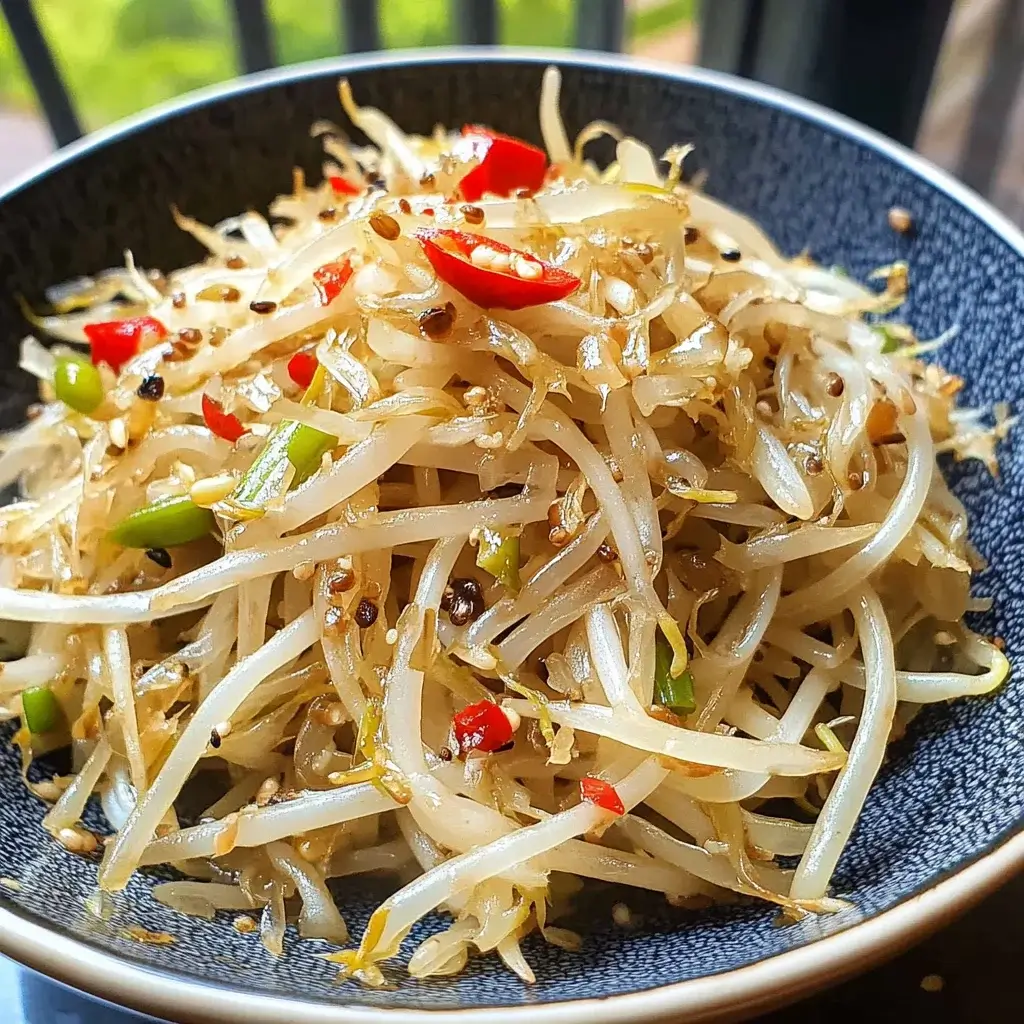
Our family absolutely adores the vibrant crunch and refreshing taste of freshly stir-fried mung bean sprouts. It’s one of those dishes I can whip up in minutes, and it disappears just as quickly! I remember the first time I made it for a large family gathering; I was worried it might be too simple, too plain. But it was the first side dish to vanish! The kids loved the slight sweetness and the satisfying snap, and the adults appreciated its light, clean flavor that perfectly complemented the richer main courses. Now, it’s a staple for our weeknight dinners when I need a quick vegetable side, and it’s always a hit when we have guests. There’s something inherently delightful about their texture and how they soak up just enough of the savory sauce without losing their characteristic crispness. This recipe is my go-to for achieving that perfect balance every single time.
The Quintessential Quick & Crispy: Stir-Fry Mung Bean Sprouts
Mung bean sprouts are a culinary chameleon – wonderfully crisp when raw, tender-crisp when lightly cooked, and a fantastic vehicle for flavor. This stir-fry recipe celebrates their natural qualities, enhancing them with simple aromatics and a light, savory sauce. It’s a dish that’s as healthy as it is delicious, packed with nutrients and incredibly low in calories. Whether you’re looking for a speedy side dish, a light vegetarian meal, or a component for a larger Asian-inspired feast, this Stir-Fry Mung Bean Sprouts recipe is a guaranteed winner.
Ingredients You’ll Need for Perfect Stir-Fry Mung Bean Sprouts
Gathering fresh, quality ingredients is the first step towards a successful and delicious stir-fry. Here’s what you’ll need:
Main Ingredient:
- Mung Bean Sprouts: 1 pound (about 450g), fresh, rinsed, and thoroughly drained
Aromatics:
- Garlic: 3-4 cloves, minced
- Ginger: 1-inch piece, peeled and minced (optional, but recommended)
- Scallions (Green Onions): 2-3 stalks, cut into 1-inch pieces (white and green parts separated)
Sauce Components:
- Soy Sauce: 1.5 tablespoons (light soy sauce recommended)
- Sesame Oil: 1 teaspoon (toasted sesame oil for best flavor)
- Sugar: ½ teaspoon (or to taste, helps balance flavors)
- White Pepper: ¼ teaspoon (or to taste)
- Chicken Broth or Water: 2 tablespoons (optional, for a little more sauce/steam)
- Cornstarch: ½ teaspoon mixed with 1 tablespoon cold water (cornstarch slurry, optional, for a slightly thicker sauce)
Cooking Oil:
- Vegetable Oil (or any high smoke point oil like canola, peanut, or grapeseed): 1-2 tablespoons
Optional Additions & Garnishes:
- Carrot: ½ medium carrot, julienned (adds color and sweetness)
- Red Bell Pepper: ½ small pepper, thinly sliced (for color and crunch)
- Firm Tofu: 4-6 ounces, pressed and cubed (for added protein)
- Cooked Shrimp or Chicken: 4-6 ounces, sliced (for a non-vegetarian version)
- Chili Flakes: A pinch, for a touch of heat
- Toasted Sesame Seeds: For garnish
Key Ingredient Spotlight: Understanding Their Roles
- Mung Bean Sprouts: The star. Their freshness is paramount. Look for sprouts that are white and crisp, with yellowish tips, not slimy, brown, or overly long and stringy. They cook very quickly and should retain a pleasant crunch.
- Garlic & Ginger: These aromatics form the flavor backbone of many stir-fries. Fresh is always best. Minced finely, they release their pungent, fragrant oils into the hot cooking oil.
- Scallions: Provide a mild oniony flavor and a pop of green. The white parts are added earlier with aromatics as they are more robust, while the green parts are often added at the end for freshness.
- Soy Sauce: The primary source of saltiness and umami. Light soy sauce is generally preferred for its flavor and less intense color compared to dark soy sauce.
- Sesame Oil: Toasted sesame oil is used as a finishing oil for its nutty aroma and flavor, rather than a cooking oil, as it has a lower smoke point and its flavor can diminish with high heat.
- Sugar: A small amount balances the saltiness of the soy sauce and enhances the overall flavor profile.
- White Pepper: Offers a different kind of heat and aroma than black pepper, common in Chinese cuisine.
- Cornstarch Slurry: If used, this helps to lightly thicken the sauce, allowing it to coat the sprouts nicely and give a glossy finish. It’s entirely optional; many prefer sprouts with a thinner, more “au jus” style sauce.
Step-by-Step Instructions: Crafting Your Crispy Mung Bean Sprout Stir-Fry
This dish comes together in a flash, so ensure all your ingredients are prepped and ready to go (mise en place) before you start cooking.
1. Prepare the Mung Bean Sprouts:
* Rinse the mung bean sprouts thoroughly under cold running water in a colander.
* Pick out any discolored sprouts or loose green husks (the tiny seed shells).
* Drain them very well. You can even give them a gentle spin in a salad spinner or pat them dry with paper towels. Excess water will make the stir-fry soggy and prevent crisping. Set aside.
2. Prepare Aromatics and Other Vegetables (if using):
* Mince the garlic and ginger.
* Cut the scallions into 1-inch pieces, keeping the white/light green parts separate from the dark green tops.
* If using carrots or bell peppers, julienne or thinly slice them.
* If using tofu, ensure it’s pressed and cubed. If using cooked shrimp or chicken, have it ready.
3. Mix the Sauce:
* In a small bowl, whisk together the soy sauce, sesame oil, sugar, white pepper, and chicken broth/water (if using).
* If you want a slightly thicker sauce, prepare the cornstarch slurry by mixing ½ teaspoon of cornstarch with 1 tablespoon of cold water in a separate tiny bowl until smooth. Set both the sauce and slurry aside.
4. Heat the Wok/Skillet:
* Place a wok or large, heavy-bottomed skillet over high heat. Allow it to get very hot – you should see a slight shimmer or wisps of smoke.
5. Stir-Fry the Aromatics (and optional protein/harder vegetables):
* Add 1-2 tablespoons of vegetable oil to the hot wok. Swirl to coat the bottom.
* Add the minced garlic and ginger. Stir-fry for about 15-30 seconds until fragrant. Be careful not to burn them.
* If using firm tofu, add it now and stir-fry until lightly golden.
* If using carrots or bell peppers, add them now and stir-fry for 1-2 minutes until they are slightly tender-crisp.
* Add the white/light green parts of the scallions and stir-fry for another 30 seconds.
6. Add the Mung Bean Sprouts:
* Add the thoroughly drained mung bean sprouts to the wok.
* Stir-fry quickly and continuously over high heat for 1-2 minutes. The goal is to heat them through and cook them lightly so they retain their crispness. They will wilt slightly. Avoid overcooking, as they can become watery and limp.
7. Add the Sauce:
* Pour the prepared sauce mixture over the sprouts. Toss everything together quickly to coat evenly.
* If using the cornstarch slurry, give it a quick stir (as cornstarch settles) and pour it into the wok. Stir continuously until the sauce thickens slightly and turns glossy, about 30 seconds.
8. Finish and Serve:
* Stir in the green parts of the scallions.
* If using cooked shrimp or chicken, add it now and toss just to heat through.
* If you like a bit of heat, add a pinch of chili flakes.
* Turn off the heat.
* Immediately transfer the stir-fried mung bean sprouts to a serving dish.
* Garnish with toasted sesame seeds, if desired. Serve hot.
Nutritional Snapshot: A Light and Healthy Choice
Mung bean sprouts are a fantastic low-calorie, nutrient-dense food. Here’s an approximate nutritional overview:
- Servings: This recipe typically serves 2-3 people as a main component (e.g., with rice for a light meal) or 4-6 people as a side dish.
- Calories per serving (approximate, assuming 4 side dish servings, without optional protein/tofu): 60-90 calories.
Key Nutritional Highlights:
- Low in Calories: Makes it an excellent choice for weight management.
- Good Source of Vitamin K: Important for blood clotting and bone health.
- Contains Vitamin C: An antioxidant that supports the immune system.
- Provides Fiber: Aids in digestion and promotes satiety.
- Source of Folate: Crucial for cell growth and development.
- Contains Plant-Based Protein: Though not a primary protein source, they contribute to overall protein intake.
- Hydrating: Mung bean sprouts have high water content.
Disclaimer: Nutritional information is an estimate and can vary based on specific ingredient brands, quantities, and optional additions. For precise figures, consult a professional nutritionist or use a detailed nutrition calculator.
Time Commitment: On the Table in a Flash!
One of the biggest appeals of this stir-fry is its incredible speed.
- Preparation Time: 10-15 minutes (includes rinsing/draining sprouts, chopping aromatics, mixing sauce).
- Cooking Time: 3-5 minutes.
- Total Time: Approximately 15-20 minutes.
This makes it an ideal candidate for busy weeknights or when you need a quick, healthy addition to your meal.
How to Serve Your Delicious Stir-Fried Mung Bean Sprouts
This versatile dish can be enjoyed in many ways. Here are some serving suggestions:
- As a Classic Side Dish:
- Perfect alongside grilled or roasted meats like char siu (Chinese BBQ pork), roast chicken, or pan-seared fish.
- Complements other Asian dishes wonderfully, such as sweet and sour chicken, beef and broccoli, or mapo tofu.
- With Rice or Noodles:
- Serve over a bed of steamed jasmine rice for a simple, satisfying meal.
- Toss with cooked egg noodles or rice vermicelli for a light noodle dish. A drizzle of chili oil would be a great addition here.
- In a Multi-Course Meal:
- Include it as one of several vegetable dishes in a traditional Chinese family-style meal.
- As a Light Lunch or Vegetarian Main:
- Increase the portion size and add more tofu or edamame for a fulfilling vegetarian lunch.
- Component in Other Dishes:
- Use as a filling for spring rolls or summer rolls (once cooled).
- Add to bibimbap or other mixed rice/noodle bowls.
- Elevate with Garnishes:
- Toasted sesame seeds: Add a nutty crunch and visual appeal.
- Fresh cilantro leaves: Provide a burst of fresh, herbaceous flavor.
- Extra sliced scallion greens: For more fresh oniony notes.
- A wedge of lime: A squeeze of fresh lime juice can brighten the flavors, especially if you prefer a tangier profile.
Additional Tips for Mung Bean Sprout Stir-Fry Perfection
Achieve stir-fry mastery with these five essential tips:
- Ensure Sprouts are VERY Dry: This is crucial. Wet sprouts will steam instead of stir-frying, leading to a soggy, watery dish. After rinsing, use a salad spinner or pat them thoroughly dry with paper towels or a clean kitchen towel.
- Use High Heat and a Hot Wok/Skillet: Authentic stir-frying demands high heat. This cooks the sprouts quickly, keeping them crisp and preventing them from releasing too much water. Make sure your wok or skillet is properly preheated before adding oil.
- Don’t Overcrowd the Pan: If you’re making a large batch, cook the sprouts in two or more separate batches. Overcrowding lowers the temperature of the pan, leading to steaming rather than searing, and resulting in limp sprouts.
- Cook Quickly – Don’t Overcook! Mung bean sprouts cook in a matter of minutes. The goal is tender-crisp, not soft and mushy. Stir-fry for just 1-2 minutes after adding them to the wok. They should still have a pleasant snap.
- Taste and Adjust Seasoning at the End: Before serving, give it a quick taste. You might want to add a tiny bit more soy sauce for saltiness, a pinch more sugar for balance, or a dash more sesame oil for aroma.
FAQ: Your Stir-Fry Mung Bean Sprout Questions Answered
Here are some common questions and answers about making this dish:
- Q: How do I keep my mung bean sprouts crisp and not soggy?
- A: There are three key factors: 1) Dry your sprouts thoroughly after rinsing. 2) Use high heat and a preheated wok/skillet. 3) Don’t overcrowd the pan, and cook them quickly (1-2 minutes is usually enough). Overcooking is the primary culprit for soggy sprouts.
- Q: Can I prepare the sprouts in advance?
- A: You can rinse and dry the sprouts a few hours in advance. Store them in the refrigerator in an airtight container lined with a paper towel to absorb any excess moisture. It’s best to stir-fry them just before serving for optimal crispness.
- Q: My mung bean sprouts sometimes have a slightly “grassy” or “raw” taste. How can I avoid this?
- A: Ensuring they are fresh is key. Older sprouts can develop off-flavors. Also, a quick blanch (dip in boiling water for 10-15 seconds, then immediately plunge into ice water) before stir-frying can sometimes help remove any slight bitterness or raw taste, though this recipe typically doesn’t require it if your sprouts are fresh and cooked properly. High heat stir-frying usually mitigates this.
- Q: Can I add protein to make this a more complete meal?
- A: Absolutely! Cubed firm tofu (press it first to remove excess water), cooked shrimp, thinly sliced chicken or pork, or even a fried egg on top would be excellent additions. Cook the protein separately or before the sprouts, remove it, then add it back at the end with the sauce to heat through.
- Q: What’s the best way to store raw mung bean sprouts before using them?
- A: Store fresh mung bean sprouts in the coldest part of your refrigerator, usually the crisper drawer. Keep them in their original packaging or in a loosely closed plastic bag. They are highly perishable, so try to use them within 1-3 days of purchase for the best quality and crispness. Avoid washing them until just before you’re ready to cook.
Why This Simple Stir-Fry Mung Bean Sprout Recipe is a Keeper
This isn’t just another stir-fry recipe; it’s a testament to how simple ingredients, when treated right, can create something truly special.
- Incredibly Fast: From fridge to table in under 20 minutes, it’s a lifesaver on busy days.
- Healthy and Light: Low in calories, high in nutrients, and naturally gluten-free (ensure your soy sauce is gluten-free if needed).
- Wonderfully Textured: The delightful crunch of the sprouts is the star, offering a satisfying textural contrast to softer main dishes.
- Versatile Flavor Profile: The savory, slightly sweet sauce is a classic that pairs well with a vast array of other dishes and can be easily customized.
- Budget-Friendly: Mung bean sprouts are generally an inexpensive vegetable, making this an economical choice.
- Crowd-Pleaser: Its clean, refreshing taste and appealing texture make it a hit with both adults and children.
Exploring Variations: Making the Sprouts Your Own
While this classic recipe is fantastic as is, feel free to get creative and adapt it to your tastes:
- Spicy Kick:
- Add a teaspoon of chili bean paste (Doubanjiang) with the garlic and ginger for a deep, spicy umami.
- Toss in a few dried red chilies (broken in half) with the oil before adding aromatics.
- A swirl of Sriracha or chili oil at the end.
- Different Vegetables:
- Chinese Chives (Garlic Chives): Add chopped Chinese chives along with or instead of scallions for a more pronounced garlicky flavor.
- Shiitake Mushrooms: Thinly sliced fresh or rehydrated dried shiitake mushrooms add an earthy, umami depth.
- Water Chestnuts: Sliced water chestnuts can enhance the crunch factor.
- Sauce Enhancements:
- Oyster Sauce: Add 1-2 teaspoons of oyster sauce (or vegetarian mushroom oyster sauce) for a richer, more complex savory flavor.
- Rice Vinegar: A teaspoon of rice vinegar added at the end can brighten the dish with a touch of acidity.
- Hoisin Sauce: A small amount can add sweetness and depth.
- Protein Power-Up:
- Ground Pork or Chicken: Brown a small amount of ground meat with the aromatics before adding the sprouts.
- Edamame (shelled): Adds more plant-based protein and a pleasant chew.
The Humble Mung Bean Sprout: More Than Just Crunch
Often overlooked, mung bean sprouts are surprisingly nutritious. When mung beans (small, green legumes) are sprouted, their nutritional profile changes, becoming richer in certain vitamins and more digestible.
- Vitamin K Power: Essential for blood coagulation and playing a role in bone metabolism.
- Vitamin C Boost: An important antioxidant that supports immune function and collagen production.
- Folate Source: Crucial for DNA synthesis and cell division, particularly important during pregnancy.
- Low Calorie, High Volume: Their high water content and low calorie density make them excellent for adding bulk and nutrients to meals without significantly increasing caloric intake.
- Digestibility: The sprouting process can reduce anti-nutrients found in legumes, making them easier to digest for some people.
It’s important to handle mung bean sprouts safely. Because they are grown in warm, humid conditions, they can be susceptible to bacterial growth. Always buy from reputable sources, store them properly in the refrigerator, rinse them thoroughly before use, and cook them if you are in a high-risk group (e.g., pregnant, elderly, or immunocompromised). For most, enjoying them cooked as in this stir-fry is perfectly safe and delicious.
Storing and Reheating Leftover Stir-Fried Mung Bean Sprouts (Though Best Eaten Fresh!)
Stir-fried mung bean sprouts are definitely at their peak crispness and flavor when enjoyed immediately after cooking. However, if you do have leftovers:
Storing:
- Allow the stir-fry to cool completely.
- Transfer to an airtight container.
- Refrigerate for up to 1-2 days. Beyond this, they tend to become quite watery and lose their desirable texture.
Reheating:
- Best Method (Skillet/Wok): Briefly reheat in a hot skillet or wok with a tiny bit of oil for 30-60 seconds, tossing constantly. The goal is just to warm them through without cooking them much further.
- Microwave: Reheat in short 15-20 second intervals on medium power. Be very careful, as microwaving can easily make them limp and release more water.
Keep in mind that reheated sprouts will not be as crisp as freshly made ones.
A Final Word: Embrace the Crisp Simplicity!
This Stir-Fry Mung Bean Sprouts recipe is a celebration of simplicity, speed, and fresh flavors. It’s a reminder that delicious and healthy food doesn’t need to be complicated or time-consuming. With just a handful of ingredients and a few minutes at the stove, you can create a dish that’s light, refreshing, and satisfyingly crunchy. Give it a try, and it might just become a new favorite in your household too! Happy stir-frying!
Print
Stir Fry Mung Bean Sprouts Recipe
Ingredients
Main Ingredient:
-
- Mung Bean Sprouts: 1 pound (about 450g), fresh, rinsed, and thoroughly drained
Aromatics:
-
- Garlic: 3-4 cloves, minced
-
- Ginger: 1-inch piece, peeled and minced (optional, but recommended)
-
- Scallions (Green Onions): 2-3 stalks, cut into 1-inch pieces (white and green parts separated)
Sauce Components:
-
- Soy Sauce: 1.5 tablespoons (light soy sauce recommended)
-
- Sesame Oil: 1 teaspoon (toasted sesame oil for best flavor)
-
- Sugar: ½ teaspoon (or to taste, helps balance flavors)
-
- White Pepper: ¼ teaspoon (or to taste)
-
- Chicken Broth or Water: 2 tablespoons (optional, for a little more sauce/steam)
-
- Cornstarch: ½ teaspoon mixed with 1 tablespoon cold water (cornstarch slurry, optional, for a slightly thicker sauce)
Cooking Oil:
-
- Vegetable Oil (or any high smoke point oil like canola, peanut, or grapeseed): 1-2 tablespoons
Optional Additions & Garnishes:
-
- Carrot: ½ medium carrot, julienned (adds color and sweetness)
-
- Red Bell Pepper: ½ small pepper, thinly sliced (for color and crunch)
-
- Firm Tofu: 4-6 ounces, pressed and cubed (for added protein)
-
- Cooked Shrimp or Chicken: 4-6 ounces, sliced (for a non-vegetarian version)
-
- Chili Flakes: A pinch, for a touch of heat
-
- Toasted Sesame Seeds: For garnish
Instructions
1. Prepare the Mung Bean Sprouts:
* Rinse the mung bean sprouts thoroughly under cold running water in a colander.
* Pick out any discolored sprouts or loose green husks (the tiny seed shells).
* Drain them very well. You can even give them a gentle spin in a salad spinner or pat them dry with paper towels. Excess water will make the stir-fry soggy and prevent crisping. Set aside.
2. Prepare Aromatics and Other Vegetables (if using):
* Mince the garlic and ginger.
* Cut the scallions into 1-inch pieces, keeping the white/light green parts separate from the dark green tops.
* If using carrots or bell peppers, julienne or thinly slice them.
* If using tofu, ensure it’s pressed and cubed. If using cooked shrimp or chicken, have it ready.
3. Mix the Sauce:
* In a small bowl, whisk together the soy sauce, sesame oil, sugar, white pepper, and chicken broth/water (if using).
* If you want a slightly thicker sauce, prepare the cornstarch slurry by mixing ½ teaspoon of cornstarch with 1 tablespoon of cold water in a separate tiny bowl until smooth. Set both the sauce and slurry aside.
4. Heat the Wok/Skillet:
* Place a wok or large, heavy-bottomed skillet over high heat. Allow it to get very hot – you should see a slight shimmer or wisps of smoke.
5. Stir-Fry the Aromatics (and optional protein/harder vegetables):
* Add 1-2 tablespoons of vegetable oil to the hot wok. Swirl to coat the bottom.
* Add the minced garlic and ginger. Stir-fry for about 15-30 seconds until fragrant. Be careful not to burn them.
* If using firm tofu, add it now and stir-fry until lightly golden.
* If using carrots or bell peppers, add them now and stir-fry for 1-2 minutes until they are slightly tender-crisp.
* Add the white/light green parts of the scallions and stir-fry for another 30 seconds.
6. Add the Mung Bean Sprouts:
* Add the thoroughly drained mung bean sprouts to the wok.
* Stir-fry quickly and continuously over high heat for 1-2 minutes. The goal is to heat them through and cook them lightly so they retain their crispness. They will wilt slightly. Avoid overcooking, as they can become watery and limp.
7. Add the Sauce:
* Pour the prepared sauce mixture over the sprouts. Toss everything together quickly to coat evenly.
* If using the cornstarch slurry, give it a quick stir (as cornstarch settles) and pour it into the wok. Stir continuously until the sauce thickens slightly and turns glossy, about 30 seconds.
8. Finish and Serve:
* Stir in the green parts of the scallions.
* If using cooked shrimp or chicken, add it now and toss just to heat through.
* If you like a bit of heat, add a pinch of chili flakes.
* Turn off the heat.
* Immediately transfer the stir-fried mung bean sprouts to a serving dish.
* Garnish with toasted sesame seeds, if desired. Serve hot.
Nutrition
- Serving Size: one normal portion
- Calories: 60-90