

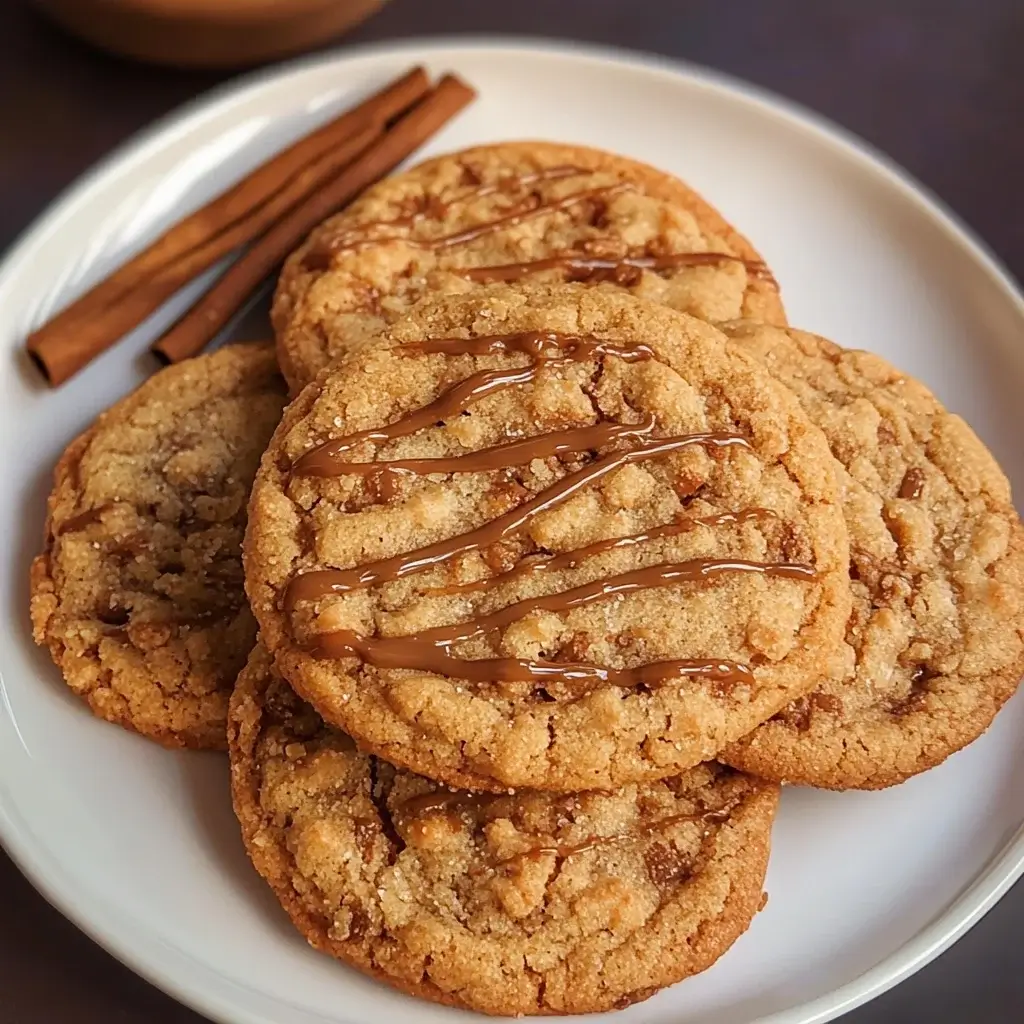
There are few things more comforting than the smell of freshly baked cookies wafting through the house. For our family, baking is a weekend ritual, a chance to slow down, get our hands messy, and create something delicious together. For ages, my trips to Starbucks were often punctuated by grabbing one of their Toffee Doodle Cookies – that perfect blend of chewy, cinnamon-sugar goodness with delightful little pockets of crunchy, buttery toffee. It was a treat I looked forward to. But café treats add up, and frankly, nothing beats a cookie straight from your own oven. So, the mission began: recreate the Starbucks Toffee Doodle Cookie at home. After several batches, tweaking ingredients, and enduring the delicious torture of “taste-testing,” I think we’ve cracked the code. The resulting cookies are everything I hoped for: wonderfully chewy centers, slightly crisp edges, coated in that classic cinnamon-sugar sparkle, and generously studded with sweet toffee bits. The smiles on my kids’ faces (and my husband’s, who declared them “better than the original”) were the ultimate seal of approval. Now, you can bring that same coffee shop magic into your kitchen with this easy-to-follow recipe. Get ready to impress your family, friends, or just treat yourself – you deserve it! This homemade version captures the essence of the Starbucks favorite, offering that familiar comfort with the added satisfaction of having made it yourself.
The Magic Behind the Toffee Doodle: Ingredients You’ll Need
Creating the perfect copycat Starbucks Toffee Doodle Cookie starts with gathering the right ingredients. Precision is key in baking, so ensure you measure accurately. Using high-quality ingredients will also significantly impact the final taste and texture, bringing you closer to that authentic coffee-house flavour.
For the Cookie Dough:
- Unsalted Butter: 1 cup (2 sticks or 226g), softened to room temperature. Using unsalted butter allows you to control the salt level. Ensure it’s properly softened – not melted, but soft enough to indent easily with a finger. This is crucial for creaming properly with the sugar.
- Granulated Sugar: 1 ½ cups (300g). Provides sweetness and contributes to the spread and browning of the cookies.
- Large Eggs: 2. Should be at room temperature. Room temperature eggs incorporate more easily into the batter, creating a smoother emulsion. Simply take them out of the fridge about 30-60 minutes before you start baking.
- Vanilla Extract: 2 teaspoons. Use pure vanilla extract for the best flavour. It enhances the other flavours in the cookie.
- All-Purpose Flour: 2 ¾ cups (345g). The structural backbone of the cookie. Measure correctly by spooning the flour into the measuring cup and leveling it off with a straight edge – don’t scoop directly from the bag, as this compacts the flour and can lead to dry cookies.
- Cream of Tartar: 2 teaspoons. This is the signature ingredient that gives Snickerdoodles (the base of this cookie) their characteristic tang and chewiness. It reacts with baking soda to help the cookies rise and provides that unique flavour profile.
- Baking Soda: 1 teaspoon. The primary leavening agent, reacting with the cream of tartar and heat to make the cookies puff up. Ensure your baking soda is fresh for optimal results.
- Salt: ½ teaspoon. Balances the sweetness and enhances the overall flavour profile. Fine sea salt or regular table salt works well.
- Toffee Bits: 1 cup (about 170g). Use good quality English toffee bits (like Heath Bits ‘O Brickle). Avoid chocolate-coated toffee bits for this specific recipe to maintain the authentic flavour. Ensure they are relatively small pieces.
For the Cinnamon-Sugar Coating:
- Granulated Sugar: ¼ cup (50g).
- Ground Cinnamon: 2 teaspoons. Provides that warm, classic Snickerdoodle spice aroma and flavour.
Having all your ingredients measured out and ready before you start mixing (a process called “mise en place”) makes the baking process smoother and more enjoyable. Room temperature butter and eggs are particularly important for achieving the desired cookie texture.
Baking Bliss: Step-by-Step Instructions
Follow these steps carefully to achieve chewy, toffee-studded perfection. Baking is a science, and each step plays a role in the final outcome. Don’t rush the process, especially the chilling time!
- Cream Butter and Sugar: In a large mixing bowl, using either a stand mixer fitted with the paddle attachment or a hand mixer, beat the softened unsalted butter on medium speed until smooth and creamy (about 1 minute). Add the 1 ½ cups of granulated sugar and continue beating on medium-high speed for 2-3 minutes, until the mixture is light, fluffy, and pale in colour. Scrape down the sides and bottom of the bowl occasionally to ensure even mixing. This step incorporates air into the dough, contributing to the cookie’s texture.
- Add Eggs and Vanilla: Add the room temperature eggs one at a time, beating well after each addition until fully incorporated. Scrape down the bowl again. Beat in the vanilla extract until combined. The mixture should look smooth and homogenous.
- Combine Dry Ingredients: In a separate medium bowl, whisk together the all-purpose flour, cream of tartar, baking soda, and salt. Whisking helps distribute the leavening agents and salt evenly throughout the flour, ensuring consistent results in every cookie.
- Combine Wet and Dry: Gradually add the dry ingredient mixture to the wet ingredient mixture in the large bowl. Mix on low speed, starting slowly to avoid flour flying everywhere, just until the flour streaks are almost gone. Be careful not to overmix at this stage; overmixing develops the gluten too much, which can result in tough cookies instead of chewy ones.
- Fold in Toffee Bits: Gently fold in the toffee bits using a rubber spatula or wooden spoon until they are evenly distributed throughout the dough. Again, avoid overmixing.
- Chill the Dough (Crucial Step!): Cover the mixing bowl tightly with plastic wrap, pressing the wrap directly onto the surface of the dough to prevent it from drying out. Refrigerate the cookie dough for at least 60 minutes (or up to 2-3 days). Chilling is essential for several reasons: it solidifies the butter, preventing the cookies from spreading too much during baking; it allows the flavours to meld and deepen; and it makes the dough much easier to handle and roll. Do not skip this step if you want thick, chewy cookies like the Starbucks version.
- Preheat Oven and Prepare Baking Sheets: When ready to bake, preheat your oven to 375°F (190°C). Line two large baking sheets with parchment paper or silicone baking mats. This prevents sticking and promotes even baking.
- Prepare Cinnamon-Sugar Coating: In a small, shallow bowl, combine the ¼ cup granulated sugar and 2 teaspoons of ground cinnamon. Whisk them together until well blended.
- Shape the Cookies: Remove the chilled dough from the refrigerator. Scoop dough using a medium cookie scoop (about 1.5 to 2 tablespoons per cookie) for uniformly sized cookies. Roll each scoop of dough between your hands to form a smooth ball.
- Roll in Cinnamon Sugar: Roll each dough ball generously in the cinnamon-sugar mixture until it’s completely coated.
- Arrange on Baking Sheets: Place the cinnamon-sugar coated dough balls onto the prepared baking sheets, leaving about 2 inches of space between each cookie to allow for spreading during baking. You’ll likely need to bake in batches.
- Bake: Bake in the preheated oven for 9-12 minutes. The edges should be lightly golden brown and set, while the centers should still look slightly soft and puffy. They might seem slightly underdone in the middle, but they will continue to cook and set as they cool on the baking sheet. This timing is key for achieving that desirable chewy texture. Overbaking will result in crunchy cookies.
- Cool: Let the cookies cool on the baking sheets for 5-10 minutes. This allows them to set properly so they don’t fall apart when you move them. After this initial cooling period, transfer the cookies carefully using a spatula to a wire rack to cool completely.
- Repeat: Repeat the scooping, rolling, and baking process with any remaining dough. Allow baking sheets to cool slightly between batches if possible.
- Enjoy! Once cooled, your homemade Starbucks Toffee Doodle Cookies are ready to be devoured!
Nutritional Snapshot (Approximate)
Understanding the nutritional content can be helpful. Please note that these values are estimates and can vary based on the specific ingredients used (brand of butter, toffee bits, size of eggs) and the exact size of your cookies.
- Servings: This recipe yields approximately 24-30 cookies, depending on the size you scoop them.
- Calories per Serving (1 Cookie): Approximately 180-220 calories per cookie.
This estimate assumes a yield of 24 cookies. The primary contributors to the calorie count are the butter, sugar, flour, and toffee bits. While these are definitely a treat, enjoying them in moderation as part of a balanced lifestyle is key. The joy of homemade baking often lies in the quality and flavour, not just the numbers!
Timing is Everything: Preparation Breakdown
Planning your baking session helps ensure you have enough time, especially considering the mandatory chilling period. Here’s a breakdown of the time involved:
- Active Preparation Time: 20-25 minutes (This includes measuring ingredients, mixing the dough, and shaping the cookies).
- Chilling Time: Minimum 60 minutes (This is inactive time, but essential for the recipe’s success. Longer chilling, even overnight, is also fine and can enhance flavour).
- Baking Time: 9-12 minutes per batch (If baking two sheets at once, this time remains the same. If baking one sheet at a time in multiple batches, multiply accordingly).
- Cooling Time: 15-20 minutes (5-10 minutes on the baking sheet, plus additional time on the wire rack).
- Total Time: Approximately 1 hour 45 minutes to 2 hours (including the minimum 1-hour chilling time and baking one or two batches). If you chill the dough for longer or need to bake multiple batches sequentially, the total time will increase.
Knowing this timeline helps you fit baking these delicious Starbucks Toffee Doodle copycats into your schedule, perhaps prepping the dough the night before for easy baking the next day.
Serving Your Homemade Starbucks Toffee Doodle Delights
These cookies are fantastic on their own, but pairing them thoughtfully can elevate the experience. Here are some serving suggestions:
- The Classic Coffee Shop Experience:
- Serve warm cookies alongside a cup of freshly brewed coffee (a medium roast complements the cinnamon and toffee well).
- Pair with a latte or cappuccino for a creamy contrast.
- An iced coffee or cold brew is perfect for warmer days.
- Milk’s Favorite Cookie:
- A tall glass of cold milk (dairy or non-dairy) is a timeless pairing. Dunking is highly encouraged!
- Warm milk, perhaps infused with a little vanilla or cinnamon, offers a comforting combination.
- Tea Time Treat:
- Enjoy with a cup of black tea, like English Breakfast or Earl Grey.
- Chai tea, with its own warm spices, harmonizes beautifully with the cinnamon in the cookies.
- Dessert Enhancements:
- Crumble a cookie over a scoop of vanilla bean or caramel ice cream.
- Serve alongside a simple fruit salad for a balanced dessert spread.
- Use two cookies to sandwich a scoop of ice cream for an epic Toffee Doodle ice cream sandwich.
- Gifting and Sharing:
- Arrange cooled cookies on a pretty platter for parties or gatherings.
- Package them in cellophane bags tied with ribbon or in decorative boxes for thoughtful homemade gifts during holidays or as thank-you gestures.
- Pack them for school lunches or work snacks for a delightful midday pick-me-up.
- Presentation:
- Serve them slightly warm for maximum chewiness and gooey toffee goodness.
- Stack them high on a cake stand for an impressive display.
- Simply place them in a charming cookie jar on the counter for easy access (though they might disappear quickly!).
No matter how you serve them, these homemade Starbucks Toffee Doodle cookies are sure to be a hit, bringing smiles and satisfying sweet cravings.
Pro Tips for Perfect Toffee Doodles Every Time
Achieve cookie perfection with these five essential tips, honed through experience to help you nail that copycat Starbucks Toffee Doodle texture and taste:
- Don’t Skip the Chill: We’ve mentioned it before, but it bears repeating because it’s that important. Chilling the dough for at least 60 minutes is non-negotiable. This step solidifies the fat (butter) which prevents the cookies from spreading into thin, greasy puddles in the oven. It also allows the flour to hydrate fully and the flavours to meld, resulting in a chewier texture and richer taste. For even better results, chill for 2-3 hours or even overnight.
- Measure Flour Correctly: How you measure flour significantly impacts your cookie’s texture. Avoid scooping the measuring cup directly into the flour bag/container, as this compacts the flour, leading to too much flour in your dough. Excess flour results in dry, dense, cakey cookies. Instead, use the ‘spoon and level’ method: Fluff up the flour in its container with a spoon, then gently spoon the flour into your measuring cup until it overflows slightly. Finally, level off the top with the straight edge of a knife or offset spatula without packing it down.
- Room Temperature Matters (Butter & Eggs): Starting with properly softened butter (cool to the touch but yields to gentle pressure) and room temperature eggs is crucial for the creaming process. Softened butter traps air when beaten with sugar, creating a lighter texture. Room temperature eggs emulsify better into the batter, leading to a smoother, more uniform dough. If you forget to take them out, you can place eggs in a bowl of warm (not hot) water for 5-10 minutes, and cut cold butter into small cubes and let it sit for about 15-20 minutes.
- Avoid Overbaking for Chewiness: The key to a chewy Toffee Doodle (or any Snickerdoodle variation) is to pull them from the oven when they look slightly underdone in the very center. The edges should be set and lightly golden, but the middle will still appear soft and puffy. Cookies continue to bake from residual heat after being removed from the oven while they cool on the baking sheet. Baking them until they look fully done in the oven will often result in a drier, crispier cookie once cooled. Aim for that 9-12 minute sweet spot, adjusting for your specific oven.
- Choose Your Toffee Wisely: The type of toffee bits you use can make a difference. Standard English toffee bits (like Heath Bits ‘O Brickle, which are just the toffee without chocolate) work best for mimicking the Starbucks flavour and texture. They provide little pockets of crunchy, buttery sweetness. Avoid chocolate-covered toffee unless you specifically want that flavour variation. Ensure the bits aren’t overly large; if needed, give larger pieces a quick chop before adding them to the dough for better distribution.
By keeping these tips in mind, you’ll dramatically increase your chances of baking batch after batch of perfectly chewy, flavourful, toffee-studded cookies that rival the coffee shop original.
Your Toffee Doodle Questions Answered: FAQ
Here are answers to some frequently asked questions about making and storing these delicious copycat Starbucks Toffee Doodle Cookies:
- Q: How do I store leftover Toffee Doodle Cookies to keep them fresh?
- A: Once the cookies have cooled completely, store them in an airtight container at room temperature. They should stay fresh and chewy for about 3-5 days. Placing a slice of sandwich bread inside the container can help absorb excess moisture and maintain softness for slightly longer, though it might slightly impact the flavour over time. Avoid refrigerating baked cookies, as this can make them dry out faster.
- Q: Can I freeze these cookies or the dough?
- A: Yes, absolutely! Both baked cookies and dough freeze well.
- To freeze baked cookies: Let them cool completely, then place them in a single layer on a baking sheet and freeze until solid (about 1 hour). Transfer the frozen cookies to a freezer-safe zip-top bag or airtight container, removing as much air as possible. They can be frozen for up to 2-3 months. Thaw at room temperature or warm briefly in a low oven or microwave.
- To freeze cookie dough: After chilling the dough, scoop and roll the dough balls (you can roll them in cinnamon sugar before freezing or after thawing). Place the dough balls on a parchment-lined baking sheet and freeze until solid. Transfer the frozen dough balls to a freezer bag or container. They can be frozen for up to 3 months. Bake directly from frozen, adding 1-3 minutes to the original baking time – no need to thaw first.
- A: Yes, absolutely! Both baked cookies and dough freeze well.
- Q: I don’t have Cream of Tartar. Can I substitute it?
- A: Cream of tartar is key to a classic Snickerdoodle’s tangy flavour and chewy texture; it reacts with baking soda for leavening. While there isn’t a perfect substitute that replicates the exact result, you can replace both the cream of tartar and the baking soda. For every 1 teaspoon of baking soda and 2 teaspoons of cream of tartar called for in a recipe, you can substitute 2 teaspoons of baking powder. However, be aware that using baking powder will slightly alter the flavour (less tang) and potentially the texture (might be slightly cakier) of your Toffee Doodles. For the most authentic copycat result, using cream of tartar is highly recommended.
- Q: Why did my cookies spread out too much and become flat?
- A: Several factors can cause excessive spreading:
- Dough wasn’t chilled long enough: This is the most common culprit. Chilling solidifies the butter.
- Butter was too warm/melted: Ensure butter is softened to room temperature, not melted or overly soft.
- Oven temperature too low: An oven that isn’t hot enough allows the butter to melt completely before the cookie structure sets. Use an oven thermometer to verify your oven’s accuracy.
- Over-creaming butter and sugar: While creaming is important, excessive creaming can incorporate too much air, leading to collapse.
- Baking sheets were too warm: If reusing baking sheets for multiple batches, allow them to cool down before placing new dough balls on them. Placing dough on hot sheets starts the melting process too early.
- A: Several factors can cause excessive spreading:
- Q: Can I add chocolate chips or nuts to this recipe?
- A: Yes, you can customize these cookies! While the goal here is a copycat Starbucks Toffee Doodle, feel free to experiment. You could substitute some (or all) of the toffee bits with semi-sweet chocolate chips, white chocolate chips, or chopped nuts like pecans or walnuts. Aim to keep the total amount of add-ins roughly the same (around 1 cup total) to maintain the dough’s integrity. Remember that adding chocolate will change the flavour profile significantly from the original Toffee Doodle. Enjoy making them your own!

Starbucks Toffee Doodle Cookies recipe
Ingredients
For the Cookie Dough:
- Unsalted Butter: 1 cup (2 sticks or 226g), softened to room temperature. Using unsalted butter allows you to control the salt level. Ensure it’s properly softened – not melted, but soft enough to indent easily with a finger. This is crucial for creaming properly with the sugar.
- Granulated Sugar: 1 ½ cups (300g). Provides sweetness and contributes to the spread and browning of the cookies.
- Large Eggs: 2. Should be at room temperature. Room temperature eggs incorporate more easily into the batter, creating a smoother emulsion. Simply take them out of the fridge about 30-60 minutes before you start baking.
- Vanilla Extract: 2 teaspoons. Use pure vanilla extract for the best flavour. It enhances the other flavours in the cookie.
- All-Purpose Flour: 2 ¾ cups (345g). The structural backbone of the cookie. Measure correctly by spooning the flour into the measuring cup and leveling it off with a straight edge – don’t scoop directly from the bag, as this compacts the flour and can lead to dry cookies.
- Cream of Tartar: 2 teaspoons. This is the signature ingredient that gives Snickerdoodles (the base of this cookie) their characteristic tang and chewiness. It reacts with baking soda to help the cookies rise and provides that unique flavour profile.
- Baking Soda: 1 teaspoon. The primary leavening agent, reacting with the cream of tartar and heat to make the cookies puff up. Ensure your baking soda is fresh for optimal results.
- Salt: ½ teaspoon. Balances the sweetness and enhances the overall flavour profile. Fine sea salt or regular table salt works well.
- Toffee Bits: 1 cup (about 170g). Use good quality English toffee bits (like Heath Bits ‘O Brickle). Avoid chocolate-coated toffee bits for this specific recipe to maintain the authentic flavour. Ensure they are relatively small pieces.
For the Cinnamon-Sugar Coating:
- Granulated Sugar: ¼ cup (50g).
- Ground Cinnamon: 2 teaspoons. Provides that warm, classic Snickerdoodle spice aroma and flavour.
Instructions
- Cream Butter and Sugar: In a large mixing bowl, using either a stand mixer fitted with the paddle attachment or a hand mixer, beat the softened unsalted butter on medium speed until smooth and creamy (about 1 minute). Add the 1 ½ cups of granulated sugar and continue beating on medium-high speed for 2-3 minutes, until the mixture is light, fluffy, and pale in colour. Scrape down the sides and bottom of the bowl occasionally to ensure even mixing. This step incorporates air into the dough, contributing to the cookie’s texture.
- Add Eggs and Vanilla: Add the room temperature eggs one at a time, beating well after each addition until fully incorporated. Scrape down the bowl again. Beat in the vanilla extract until combined. The mixture should look smooth and homogenous.
- Combine Dry Ingredients: In a separate medium bowl, whisk together the all-purpose flour, cream of tartar, baking soda, and salt. Whisking helps distribute the leavening agents and salt evenly throughout the flour, ensuring consistent results in every cookie.
- Combine Wet and Dry: Gradually add the dry ingredient mixture to the wet ingredient mixture in the large bowl. Mix on low speed, starting slowly to avoid flour flying everywhere, just until the flour streaks are almost gone. Be careful not to overmix at this stage; overmixing develops the gluten too much, which can result in tough cookies instead of chewy ones.
- Fold in Toffee Bits: Gently fold in the toffee bits using a rubber spatula or wooden spoon until they are evenly distributed throughout the dough. Again, avoid overmixing.
- Chill the Dough (Crucial Step!): Cover the mixing bowl tightly with plastic wrap, pressing the wrap directly onto the surface of the dough to prevent it from drying out. Refrigerate the cookie dough for at least 60 minutes (or up to 2-3 days). Chilling is essential for several reasons: it solidifies the butter, preventing the cookies from spreading too much during baking; it allows the flavours to meld and deepen; and it makes the dough much easier to handle and roll. Do not skip this step if you want thick, chewy cookies like the Starbucks version.
- Preheat Oven and Prepare Baking Sheets: When ready to bake, preheat your oven to 375°F (190°C). Line two large baking sheets with parchment paper or silicone baking mats. This prevents sticking and promotes even baking.
- Prepare Cinnamon-Sugar Coating: In a small, shallow bowl, combine the ¼ cup granulated sugar and 2 teaspoons of ground cinnamon. Whisk them together until well blended.
- Shape the Cookies: Remove the chilled dough from the refrigerator. Scoop dough using a medium cookie scoop (about 1.5 to 2 tablespoons per cookie) for uniformly sized cookies. Roll each scoop of dough between your hands to form a smooth ball.
- Roll in Cinnamon Sugar: Roll each dough ball generously in the cinnamon-sugar mixture until it’s completely coated.
- Arrange on Baking Sheets: Place the cinnamon-sugar coated dough balls onto the prepared baking sheets, leaving about 2 inches of space between each cookie to allow for spreading during baking. You’ll likely need to bake in batches.
- Bake: Bake in the preheated oven for 9-12 minutes. The edges should be lightly golden brown and set, while the centers should still look slightly soft and puffy. They might seem slightly underdone in the middle, but they will continue to cook and set as they cool on the baking sheet. This timing is key for achieving that desirable chewy texture. Overbaking will result in crunchy cookies.
- Cool: Let the cookies cool on the baking sheets for 5-10 minutes. This allows them to set properly so they don’t fall apart when you move them. After this initial cooling period, transfer the cookies carefully using a spatula to a wire rack to cool completely.
- Repeat: Repeat the scooping, rolling, and baking process with any remaining dough. Allow baking sheets to cool slightly between batches if possible.
- Enjoy! Once cooled, your homemade Starbucks Toffee Doodle Cookies are ready to be devoured!
Nutrition
- Serving Size: one normal portion
- Calories: 180-220