
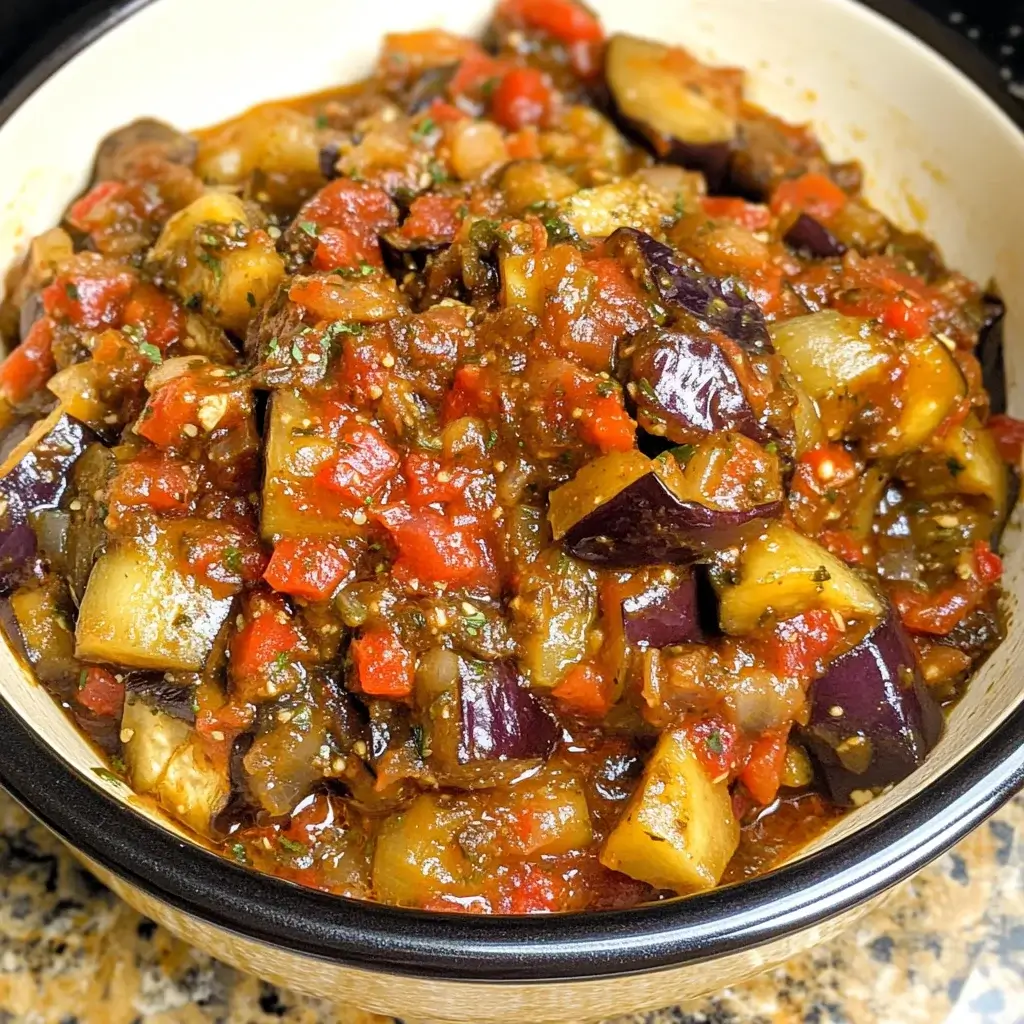
The first time I encountered true Sicilian Caponata, it wasn’t just a dish; it was a revelation. I was at a small, family-run trattoria on a sun-drenched afternoon in Sicily, and this vibrant, complex relish was served as part of an antipasto platter. The explosion of sweet, sour, and savory notes from the tender eggplant, briny olives, tangy capers, and rich tomato base was unlike anything I’d tasted. It was love at first bite. Since then, I’ve dedicated myself to perfecting my own version, and this recipe is the culmination of many happy experiments. My family now adores it; we slather it on crusty bread, serve it alongside grilled fish, or even just eat it by the spoonful. It’s a taste of Sicilian sunshine, no matter where you are, and a testament to how simple ingredients can create something truly magical.
The Soul of Sicily: Unveiling the Magic of Caponata (Sicilian Eggplant Relish)
Caponata is more than just an eggplant relish; it’s a cornerstone of Sicilian cuisine, a vibrant tapestry of flavors and textures that tells the story of the island’s rich culinary heritage. This iconic dish, often served as an appetizer (antipasto) or a side, beautifully balances the sweetness of cooked-down vegetables and a touch of sugar with the tang of vinegar, creating the beloved “agrodolce” (sweet and sour) profile that is quintessentially Sicilian. While recipes vary from family to family and region to region across Sicily, the star is always the eggplant, transformed into a meltingly tender delight. This recipe captures the classic elements, offering a robust, flavorful Caponata that will transport you straight to the Mediterranean.
Gather Your Mediterranean Jewels: Ingredients for Authentic Sicilian Caponata
This recipe yields a generous batch, perfect for sharing or enjoying over several days (it gets better with time!). It serves approximately 6-8 as an appetizer or side.
- The Star – Eggplant:
- 2 large eggplants (about 2 – 2.5 lbs total), cut into 1-inch cubes
- Coarse salt (for drawing out moisture from eggplant)
- The Flavor Base (Soffritto):
- 1/4 cup extra virgin olive oil, plus more for frying/roasting eggplant
- 1 large yellow onion, finely chopped (about 1.5 cups)
- 3-4 celery stalks, finely chopped (about 1.5 cups), leaves reserved for garnish if desired
- The Agrodolce Sauce & Key Elements:
- 1 (28-ounce) can crushed San Marzano tomatoes (or good quality crushed tomatoes)
- 1/2 cup good quality red wine vinegar (or white wine vinegar)
- 2-3 tablespoons granulated sugar (adjust to taste)
- 1/2 cup green olives (Sicilian Castelvetrano olives are ideal), pitted and roughly chopped
- 1/4 cup salted capers, rinsed and drained
- 2 tablespoons tomato paste
- Optional & Finishing Touches:
- 1/4 cup pine nuts, toasted (optional, but traditional and adds lovely texture)
- 1/2 cup fresh basil leaves, roughly chopped or torn, plus more for garnish
- 2 tablespoons fresh flat-leaf parsley, chopped, for garnish
- Freshly ground black pepper to taste
- Pinch of red pepper flakes (optional, for a hint of spice)
Crafting Your Caponata: Step-by-Step Instructions
Follow these steps to build layers of flavor for an unforgettable Caponata.
- Prepare the Eggplant (Crucial Step):
- Place the cubed eggplant in a colander set over a bowl. Sprinkle generously with coarse salt (about 1-2 tablespoons). Toss to coat.
- Let the eggplant sit for at least 1 hour (or up to 2 hours) to draw out excess moisture and any bitterness. You’ll see liquid collecting in the bowl.
- After an hour, rinse the eggplant thoroughly under cold water to remove the excess salt. Pat the cubes completely dry with paper towels or a clean kitchen towel. This step is vital for achieving a good texture and preventing the Caponata from becoming watery.
- Cook the Eggplant: You have two main options here:
- Traditional Frying (Richest Flavor): Heat about 1/2 to 1 inch of olive oil (or a neutral frying oil) in a large, heavy-bottomed skillet or Dutch oven over medium-high heat. Once the oil is hot (a cube of eggplant should sizzle immediately), fry the eggplant cubes in batches, being careful not to overcrowd the pan. Fry until golden brown and tender on all sides, about 5-7 minutes per batch. Remove with a slotted spoon and drain on a paper towel-lined plate. Add more oil as needed between batches.
- Roasting (Healthier Alternative): Preheat oven to 400°F (200°C). Toss the dried eggplant cubes with 2-3 tablespoons of olive oil, salt, and pepper on a large baking sheet. Spread in a single layer. Roast for 20-30 minutes, flipping halfway, until tender and nicely browned.
- Sauté the Aromatics (Soffritto):
- In a large, heavy-bottomed pot or Dutch oven (you can use the same one if you fried the eggplant, after carefully wiping out most of the oil, leaving about 1/4 cup), heat 1/4 cup of fresh extra virgin olive oil over medium heat.
- Add the chopped onion and celery. Sauté for 8-10 minutes, stirring occasionally, until softened and translucent. Don’t rush this step; it builds a sweet flavor base.
- Build the Sauce:
- Add the tomato paste to the pot with the onions and celery. Cook for 1-2 minutes, stirring constantly, until it darkens slightly. This deepens its flavor.
- Stir in the crushed San Marzano tomatoes. Bring the mixture to a gentle simmer.
- Add the red wine vinegar and sugar. Stir well to combine. Taste and adjust sweetness or acidity if needed. Some prefer it sweeter, others tangier.
- Stir in the chopped green olives and rinsed capers. If using, add a pinch of red pepper flakes.
- Combine and Simmer:
- Gently add the cooked (fried or roasted) eggplant cubes to the simmering tomato sauce. Stir carefully to coat the eggplant without mashing it.
- Reduce the heat to low, cover the pot, and let the Caponata simmer for at least 20-30 minutes. This allows the flavors to meld beautifully. Stir occasionally and gently. If the sauce becomes too thick, you can add a tablespoon or two of water. The Caponata should be thick and stew-like, not watery.
- Finishing Touches & Resting (Very Important!):
- Remove the Caponata from the heat. Stir in the fresh chopped basil and toasted pine nuts (if using).
- Taste and adjust seasoning if necessary – you might need a little more salt (especially if your capers weren’t very salty), pepper, sugar, or vinegar to achieve your perfect agrodolce balance.
- Crucially, let the Caponata cool to room temperature, or even better, chill it in the refrigerator for several hours or overnight. The flavors will continue to meld and deepen significantly as it rests. This is not a dish best served piping hot.
Nutritional Snapshot: Understanding Your Caponata
- Servings: This recipe yields approximately 6-8 servings as an appetizer or side dish.
- Calories per serving (approximate): Around 200-280 calories per serving if using the roasting method for eggplant, and potentially 300-400+ if frying, depending on oil absorption. This does not include accompaniments like bread.
Caponata is packed with vegetables, making it rich in fiber, vitamins (like Vitamin K from basil, Vitamin C from tomatoes), and minerals. Eggplant itself is a good source of antioxidants. The use of olive oil provides healthy monounsaturated fats. While it contains sugar for the agrodolce balance, the overall nutritional profile is quite good for a flavor-packed relish.
Timing Your Culinary Creation: Preparation & Cooking Time
- Eggplant Salting Time: 1 hour (passive time)
- Preparation Time (Chopping & Frying/Roasting Eggplant): 30-45 minutes
- Cooking Time (Soffritto & Simmering): 40-50 minutes
- Resting Time: At least 1 hour, preferably several hours or overnight (passive time)
- Total Active Time: Approximately 1 hour 15 minutes to 1 hour 35 minutes
- Total Time (including passive salting and resting): Minimum 3 hours, ideally longer for best flavor.
Caponata is a labor of love, but much of the time is passive. It’s an excellent dish to prepare a day or two in advance.
The Versatile Star: How to Serve Sicilian Eggplant Relish (Caponata)
Caponata’s versatility is one of its greatest strengths. Here are some classic and creative ways to enjoy it:
- Classic Antipasto:
- Serve at room temperature or slightly chilled in a bowl, accompanied by slices of crusty Italian bread, crostini, or focaccia for scooping.
- Include it as part of a larger antipasto platter with cured meats, cheeses, olives, and other marinated vegetables.
- Delicious Side Dish:
- It’s a fantastic accompaniment to grilled or roasted fish (like swordfish or sea bass).
- Pairs wonderfully with grilled chicken or pork.
- Serve alongside simple roasted meats.
- Flavorful Topping or Filling:
- Use it as a topping for bruschetta.
- Spoon it over polenta for a hearty vegetarian meal.
- It can be a component in a vegetarian lasagna or a filling for arancini (rice balls).
- Add it to sandwiches or wraps for a burst of Mediterranean flavor.
- With Pasta:
- Toss warm Caponata with your favorite pasta shape (like rigatoni or penne) for a quick and flavorful vegetarian pasta dish. A dollop of ricotta on top is a nice addition.
- Garnishes:
- Always garnish with fresh basil leaves or chopped parsley before serving.
- A drizzle of high-quality extra virgin olive oil just before serving can enhance the flavors.
- Celery leaves, finely chopped, can also be used as a traditional garnish.
Insider Secrets: Additional Tips for Caponata Perfection
- Don’t Skip Salting the Eggplant: This step is crucial. It draws out excess moisture, which prevents the eggplant from absorbing too much oil during frying and stops the final Caponata from being watery. It also helps to remove any potential bitterness from the eggplant.
- Master the Agrodolce Balance: The sweet (dolce) and sour (agro) balance is the heart of Caponata. Taste the sauce frequently as you add the sugar and vinegar. Some prefer it tangier, others sweeter. The acidity of your tomatoes and vinegar can vary, so adjust accordingly. Start with the recommended amounts and then tweak.
- Patience is a Virtue – Let it Rest! Caponata is one of those magical dishes that tastes significantly better the next day, or even two days later. The flavors need time to meld and marry. Resist the urge to serve it hot right out of the pot. Room temperature or slightly chilled is ideal.
- Quality Ingredients Shine: Use the best quality ingredients you can find, especially for the olive oil, tomatoes (San Marzano are highly recommended for their sweetness and low acidity), and vinegar. These simple components make a big difference in the final taste.
- Dice Vegetables Uniformly: Try to dice your eggplant, onion, and celery into relatively uniform sizes. This ensures even cooking and a more pleasant texture in the finished dish. For eggplant, 1-inch cubes are a good standard.
Your Caponata Questions Answered: FAQ Section
Q1: Is it better to fry or roast the eggplant for Caponata?
A: Traditionally, eggplant for Caponata is fried. Frying gives the eggplant a wonderfully creamy texture and rich flavor due to the oil absorption. However, roasting is a healthier alternative that still yields delicious results, though the texture might be slightly less unctuous. If roasting, ensure the eggplant is well-browned for maximum flavor. Both methods work; it often comes down to personal preference and dietary considerations.
Q2: Can I make Caponata ahead of time?
A: Absolutely! Caponata is an ideal make-ahead dish. In fact, its flavor improves significantly after a day or two in the refrigerator as the ingredients meld. Prepare it completely, let it cool, then store it covered in the fridge.
Q3: How do I store leftover Caponata, and can it be frozen?
A: Store leftover Caponata in an airtight container in the refrigerator for up to 5-7 days. For freezing, allow the Caponata to cool completely, then transfer it to freezer-safe containers or heavy-duty freezer bags. It can be frozen for up to 3 months. Thaw overnight in the refrigerator. The texture of the eggplant might be slightly softer after thawing, but the flavor will remain excellent. Serve at room temperature or gently reheated.
Q4: Is Caponata vegan and gluten-free?
A: Yes, this classic Caponata recipe is naturally vegan and gluten-free. All ingredients are plant-based. Just ensure you serve it with gluten-free bread or accompaniments if catering to a gluten-free diet.
Q5: What kind of olives and capers are best for Caponata?
A: For olives, bright green Sicilian olives like Castelvetrano are a fantastic choice for their buttery flavor and firm texture. However, any good quality pitted green olive will work. For capers, salted capers are generally preferred over brined ones as they have a more intense, floral flavor. Be sure to rinse salted capers well before use to remove excess salt. If using brined capers, drain them thoroughly.
This Sicilian Eggplant Relish, or Caponata, is a true celebration of Mediterranean flavors. It’s a versatile, crowd-pleasing dish that brings a touch of Italian sunshine to any table. Enjoy the journey of making it and the delight of sharing it! Buon Appetito!
Print
Sicilian Eggplant Relish Recipe
Ingredients
-
- The Star – Eggplant:
-
- 2 large eggplants (about 2 – 2.5 lbs total), cut into 1-inch cubes
-
- Coarse salt (for drawing out moisture from eggplant)
-
- The Star – Eggplant:
-
- The Flavor Base (Soffritto):
-
- 1/4 cup extra virgin olive oil, plus more for frying/roasting eggplant
-
- 1 large yellow onion, finely chopped (about 1.5 cups)
-
- 3–4 celery stalks, finely chopped (about 1.5 cups), leaves reserved for garnish if desired
-
- The Flavor Base (Soffritto):
-
- The Agrodolce Sauce & Key Elements:
-
- 1 (28-ounce) can crushed San Marzano tomatoes (or good quality crushed tomatoes)
-
- 1/2 cup good quality red wine vinegar (or white wine vinegar)
-
- 2–3 tablespoons granulated sugar (adjust to taste)
-
- 1/2 cup green olives (Sicilian Castelvetrano olives are ideal), pitted and roughly chopped
-
- 1/4 cup salted capers, rinsed and drained
-
- 2 tablespoons tomato paste
-
- The Agrodolce Sauce & Key Elements:
-
- Optional & Finishing Touches:
-
- 1/4 cup pine nuts, toasted (optional, but traditional and adds lovely texture)
-
- 1/2 cup fresh basil leaves, roughly chopped or torn, plus more for garnish
-
- 2 tablespoons fresh flat-leaf parsley, chopped, for garnish
-
- Freshly ground black pepper to taste
-
- Pinch of red pepper flakes (optional, for a hint of spice)
-
- Optional & Finishing Touches:
Instructions
-
- Prepare the Eggplant (Crucial Step):
-
- Place the cubed eggplant in a colander set over a bowl. Sprinkle generously with coarse salt (about 1-2 tablespoons). Toss to coat.
-
- Let the eggplant sit for at least 1 hour (or up to 2 hours) to draw out excess moisture and any bitterness. You’ll see liquid collecting in the bowl.
-
- After an hour, rinse the eggplant thoroughly under cold water to remove the excess salt. Pat the cubes completely dry with paper towels or a clean kitchen towel. This step is vital for achieving a good texture and preventing the Caponata from becoming watery.
-
- Prepare the Eggplant (Crucial Step):
-
- Cook the Eggplant: You have two main options here:
-
- Traditional Frying (Richest Flavor): Heat about 1/2 to 1 inch of olive oil (or a neutral frying oil) in a large, heavy-bottomed skillet or Dutch oven over medium-high heat. Once the oil is hot (a cube of eggplant should sizzle immediately), fry the eggplant cubes in batches, being careful not to overcrowd the pan. Fry until golden brown and tender on all sides, about 5-7 minutes per batch. Remove with a slotted spoon and drain on a paper towel-lined plate. Add more oil as needed between batches.
-
- Roasting (Healthier Alternative): Preheat oven to 400°F (200°C). Toss the dried eggplant cubes with 2-3 tablespoons of olive oil, salt, and pepper on a large baking sheet. Spread in a single layer. Roast for 20-30 minutes, flipping halfway, until tender and nicely browned.
-
- Cook the Eggplant: You have two main options here:
-
- Sauté the Aromatics (Soffritto):
-
- In a large, heavy-bottomed pot or Dutch oven (you can use the same one if you fried the eggplant, after carefully wiping out most of the oil, leaving about 1/4 cup), heat 1/4 cup of fresh extra virgin olive oil over medium heat.
-
- Add the chopped onion and celery. Sauté for 8-10 minutes, stirring occasionally, until softened and translucent. Don’t rush this step; it builds a sweet flavor base.
-
- Sauté the Aromatics (Soffritto):
-
- Build the Sauce:
-
- Add the tomato paste to the pot with the onions and celery. Cook for 1-2 minutes, stirring constantly, until it darkens slightly. This deepens its flavor.
-
- Stir in the crushed San Marzano tomatoes. Bring the mixture to a gentle simmer.
-
- Add the red wine vinegar and sugar. Stir well to combine. Taste and adjust sweetness or acidity if needed. Some prefer it sweeter, others tangier.
-
- Stir in the chopped green olives and rinsed capers. If using, add a pinch of red pepper flakes.
-
- Build the Sauce:
-
- Combine and Simmer:
-
- Gently add the cooked (fried or roasted) eggplant cubes to the simmering tomato sauce. Stir carefully to coat the eggplant without mashing it.
-
- Reduce the heat to low, cover the pot, and let the Caponata simmer for at least 20-30 minutes. This allows the flavors to meld beautifully. Stir occasionally and gently. If the sauce becomes too thick, you can add a tablespoon or two of water. The Caponata should be thick and stew-like, not watery.
-
- Combine and Simmer:
-
- Finishing Touches & Resting (Very Important!):
-
- Remove the Caponata from the heat. Stir in the fresh chopped basil and toasted pine nuts (if using).
-
- Taste and adjust seasoning if necessary – you might need a little more salt (especially if your capers weren’t very salty), pepper, sugar, or vinegar to achieve your perfect agrodolce balance.
-
- Crucially, let the Caponata cool to room temperature, or even better, chill it in the refrigerator for several hours or overnight. The flavors will continue to meld and deepen significantly as it rests. This is not a dish best served piping hot.
-
- Finishing Touches & Resting (Very Important!):
Nutrition
- Serving Size: one normal portion
- Calories: 200-280