
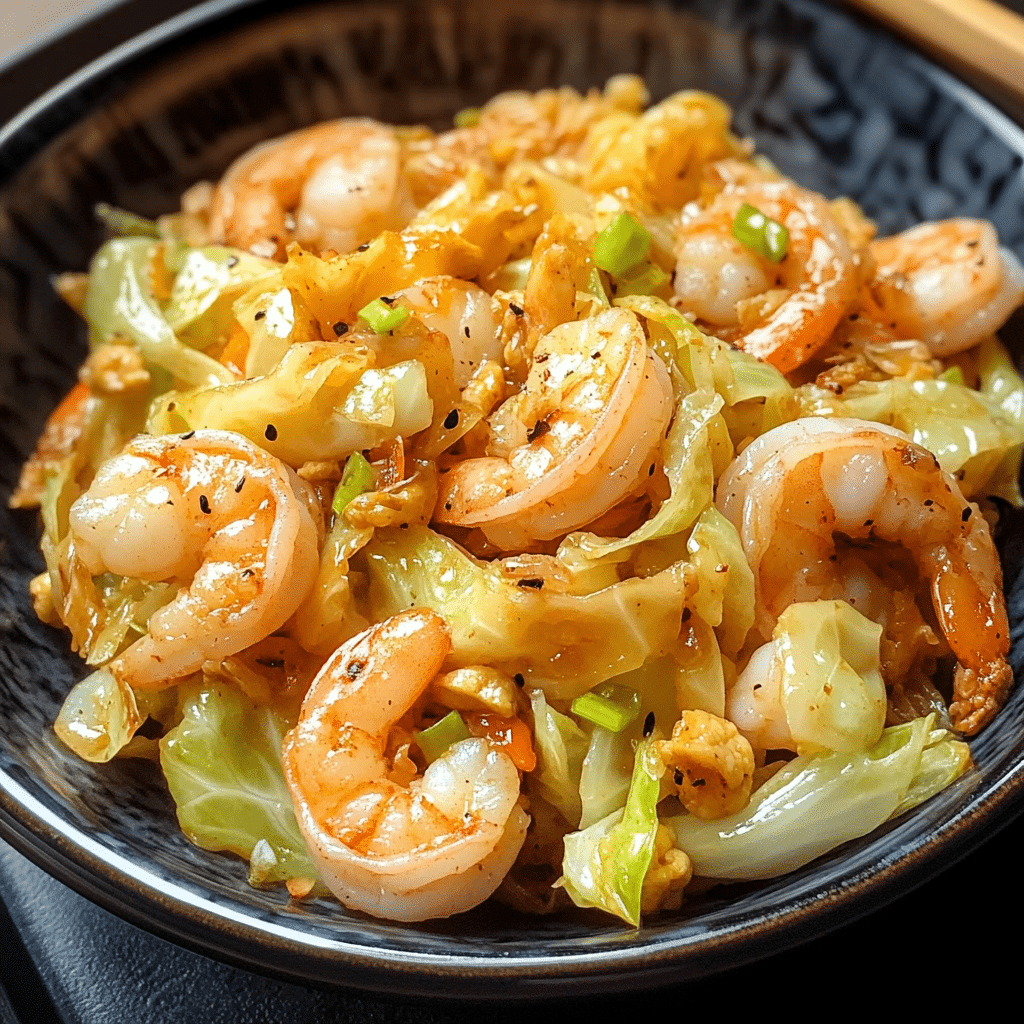
This Shrimp and Cabbage Stir-Fry has become an absolute weeknight savior in our household, a dish that magically transforms humble ingredients into something truly spectacular. The first time I made it, I was a bit skeptical – cabbage and shrimp? But my family, including my usually picky eaters, devoured it. The kids loved the tender-crisp texture of the cabbage and the juicy, flavorful shrimp, while my partner and I appreciated how quickly it came together, making it perfect for those busy evenings when you crave something healthy, delicious, and fast. The vibrant colors, the aromatic sizzle from the wok, and the way the savory sauce clings to every morsel – it’s a sensory delight. It’s now a firm favorite, requested at least once a fortnight, and I’m thrilled to share this gem with you!
Why This Shrimp and Cabbage Stir-Fry Will Become Your Go-To
In a world where time is precious and healthy eating is a priority, this Shrimp and Cabbage Stir-Fry recipe ticks all the boxes. It’s incredibly versatile, surprisingly quick to prepare, and packed with flavor and nutrients.
- Speed and Efficiency: From prep to plate, you can have this delicious meal ready in under 30 minutes, making it an ideal solution for hectic weeknights.
- Flavor Explosion: The combination of savory soy sauce, aromatic garlic and ginger, a hint of sweetness, and the umami punch from the shrimp creates a beautifully balanced and addictive taste.
- Nutrient-Rich: Shrimp is a fantastic source of lean protein, while cabbage is a low-calorie, high-fiber vegetable packed with vitamins C and K. This stir-fry is a powerhouse of goodness.
- Customizable: Don’t like an ingredient? Want to add more spice? This recipe is wonderfully adaptable to your personal preferences and what you have on hand.
- Budget-Friendly: Cabbage is an incredibly economical vegetable, and when paired with shrimp (which can often be bought frozen in bulk), it makes for a relatively inexpensive yet satisfying meal.
This isn’t just a recipe; it’s a template for quick, healthy, and delicious eating. Once you master the basic technique, the stir-fry world is your oyster (or, in this case, your shrimp!).
Ingredients for Shrimp and Cabbage Stir-Fry
This recipe balances fresh produce with pantry staples to create a vibrant and flavorful dish. Here’s what you’ll need:
For the Stir-Fry:
- Shrimp: 1 pound (450g) large shrimp, peeled and deveined (fresh or frozen and thawed)
- Cabbage: 1 small head (about 1.5 lbs / 680g) green cabbage, thinly sliced or shredded
- Carrots: 2 medium carrots, peeled and julienned or thinly sliced
- Bell Pepper: 1 medium red bell pepper, thinly sliced (optional, for color and sweetness)
- Green Onions: 3-4 green onions, chopped (whites and greens separated)
- Garlic: 4 cloves, minced
- Ginger: 1-inch piece fresh ginger, grated or minced
- Sesame Oil: 1 tablespoon, toasted (for finishing)
- Vegetable Oil or Avocado Oil: 2 tablespoons (for stir-frying)
- Sesame Seeds: 1 teaspoon, for garnish (optional)
- Red Pepper Flakes: ¼ – ½ teaspoon, for a touch of heat (optional)
For the Stir-Fry Sauce:
- Soy Sauce: ¼ cup (60ml) low-sodium soy sauce or tamari for gluten-free
- Oyster Sauce: 2 tablespoons (optional, for deeper umami – can substitute with more soy sauce and a pinch of sugar)
- Rice Vinegar: 1 tablespoon
- Honey or Maple Syrup: 1 tablespoon (or brown sugar)
- Cornstarch: 1 teaspoon (mixed with 1 tablespoon cold water to make a slurry)
Step-by-Step Instructions to Culinary Success
Follow these simple steps to create a restaurant-quality stir-fry in your own kitchen. The key is to have all your ingredients prepped and ready to go (mise en place) before you start cooking, as stir-frying happens quickly!
1. Prepare the Ingredients (Mise en Place):
- Shrimp: If using frozen shrimp, ensure they are fully thawed. Pat them dry with paper towels – this helps them sear rather than steam. If desired, you can lightly season them with a pinch of salt and pepper.
- Vegetables: Wash and chop all your vegetables as directed. Shred the cabbage thinly, julienne or slice the carrots, slice the bell pepper (if using), mince the garlic and ginger, and chop the green onions, keeping the white and green parts separate.
- Sauce: In a small bowl, whisk together all the sauce ingredients: low-sodium soy sauce, oyster sauce (if using), rice vinegar, and honey/maple syrup. In a separate tiny bowl or cup, mix the cornstarch with 1 tablespoon of cold water until smooth to create a slurry. Keep this separate for now.
2. Cook the Shrimp:
- Heat 1 tablespoon of vegetable oil in a large skillet, wok, or Dutch oven over medium-high heat. The pan should be hot enough that the shrimp sizzle upon contact.
- Add the shrimp in a single layer, being careful not to overcrowd the pan (cook in batches if necessary).
- Cook for 1-2 minutes per side, or until pink and opaque. Don’t overcook, as they will cook a bit more later.
- Remove the shrimp from the pan and set aside on a plate.
3. Sauté the Aromatics:
- To the same pan, add the remaining 1 tablespoon of vegetable oil if needed.
- Add the minced garlic, grated ginger, and the white parts of the green onions. If using red pepper flakes for heat, add them now.
- Stir-fry for about 30-60 seconds until fragrant. Be careful not to burn the garlic.
4. Stir-Fry the Vegetables:
- Add the shredded cabbage, julienned carrots, and sliced red bell pepper (if using) to the pan.
- Stir-fry over medium-high heat for 5-7 minutes, tossing frequently, until the cabbage is tender-crisp. You want it to wilt down but still retain a slight crunch. If the pan seems too dry, you can add a tablespoon or two of water or broth to help steam the vegetables slightly.
5. Combine and Sauce:
- Return the cooked shrimp to the pan with the vegetables.
- Give the prepared stir-fry sauce a quick whisk and pour it over the shrimp and vegetables. Toss everything together to coat evenly.
- Bring the sauce to a gentle simmer.
- Now, give the cornstarch slurry another quick stir (it tends to settle) and pour it into the pan.
- Stir continuously for about 1-2 minutes, until the sauce thickens to a glossy consistency that coats the ingredients nicely.
6. Finish and Serve:
- Remove the pan from the heat.
- Stir in the toasted sesame oil and the green parts of the green onions.
- Taste and adjust seasoning if necessary (you might want a tiny bit more soy sauce or a pinch of sugar depending on your preference).
- Garnish with sesame seeds, if desired.
- Serve immediately for the best texture and flavor.
Nutrition Facts (Approximate)
Please note that these nutritional values are estimates and can vary based on specific ingredient brands, portion sizes, and any modifications made to the recipe.
- Servings: This recipe typically yields 4 servings.
- Calories per serving: Approximately 300-380 calories.
This stir-fry is a relatively low-calorie dish, rich in protein from the shrimp and fiber from the cabbage and other vegetables. Using low-sodium soy sauce helps manage sodium intake.
Preparation and Cook Time
Understanding the time commitment can help you plan your meal efficiently.
- Preparation Time: 15-20 minutes (This includes thawing shrimp if frozen, washing and chopping all vegetables, and mixing the sauce. Being organized with your “mise en place” is key.)
- Cook Time: 10-12 minutes (Stir-frying is a quick cooking process.)
- Total Time: Approximately 25-32 minutes
This makes it an excellent choice for a quick and satisfying meal any day of the week.
How to Serve Your Delicious Shrimp and Cabbage Stir-Fry
This versatile dish can be served in various ways to suit your dietary preferences and meal goals. Here are some popular serving suggestions:
- With Steamed Rice:
- Jasmine Rice: Its fragrant aroma beautifully complements the stir-fry.
- Brown Rice: A healthier, fiber-rich option that adds a nutty flavor.
- Basmati Rice: Another aromatic long-grain choice.
- Over Noodles:
- Rice Noodles (Vermicelli or wider Pad Thai style): A classic pairing for stir-fries, keeping it light.
- Egg Noodles or Lo Mein Noodles: For a heartier, more traditional “take-out” style meal.
- Soba Noodles (Buckwheat): Adds a distinct earthy flavor and is a good source of fiber.
- Udon Noodles: Thick, chewy wheat noodles that soak up the sauce beautifully.
- Low-Carb Options:
- Cauliflower Rice: A fantastic low-carb, grain-free alternative.
- Zucchini Noodles (Zoodles): Light, fresh, and quick to prepare.
- Spaghetti Squash: Its strands offer a noodle-like texture.
- On its own: The stir-fry is substantial enough to be enjoyed as a standalone light meal, especially if you’re watching your carb intake.
- Garnishes and Toppings:
- A sprinkle of extra chopped green onions.
- A few more toasted sesame seeds.
- A wedge of lime for a fresh citrusy zing.
- A drizzle of chili garlic sauce or Sriracha for extra heat.
- Fresh cilantro leaves for a bright, herbaceous note.
- As Part of a Larger Spread:
- Serve alongside other Asian-inspired dishes like spring rolls, dumplings, or a light miso soup.
No matter how you choose to serve it, this Shrimp and Cabbage Stir-Fry is sure to be a hit!
Additional Tips for Stir-Fry Perfection
Elevate your stir-fry game with these five essential tips:
- Don’t Overcrowd the Pan: This is the golden rule of stir-frying. Overcrowding lowers the pan’s temperature, causing ingredients to steam rather than sear. This results in soggy vegetables and rubbery shrimp. If your pan isn’t large enough, cook ingredients in batches (like the shrimp) and combine them at the end. A large, heavy-bottomed skillet or a traditional wok works best.
- Mise en Place is Non-Negotiable: Stir-frying is a rapid cooking process. Once you start, there’s no time to stop and chop an onion or mix a sauce. Have all your vegetables chopped, your shrimp prepped, and your sauce ingredients measured and mixed before you turn on the heat. This ensures a smooth, stress-free cooking experience and perfectly cooked results.
- High Heat is Your Friend (But Manage It): You need high heat to achieve that characteristic “wok hei” (breath of the wok) char and to cook ingredients quickly, sealing in their juices and keeping vegetables crisp. However, be mindful not to let the oil smoke excessively or burn your aromatics (garlic and ginger). Adjust the heat as needed throughout the cooking process.
- Sequence of Adding Ingredients Matters: Start with aromatics (garlic, ginger, white parts of green onions) to flavor the oil. Then add harder vegetables (like carrots) that take longer to cook, followed by softer vegetables (like bell peppers and cabbage). Protein like shrimp is often cooked first and set aside, then added back at the end to prevent overcooking. The sauce is typically added last, followed by a cornstarch slurry to thicken it.
- Achieve the Perfect Sauce Consistency: The cornstarch slurry is key to a glossy, nicely thickened sauce that coats every ingredient. Make sure the sauce is simmering before you add the slurry, and stir continuously until it thickens. If it gets too thick, you can thin it with a tablespoon or two of water or broth. If it’s too thin, you can add a little more cornstarch slurry (mix ½ teaspoon cornstarch with ½ tablespoon cold water).
Frequently Asked Questions (FAQ)
Here are answers to some common questions about this Shrimp and Cabbage Stir-Fry recipe:
- Q: Can I use frozen shrimp?
A: Absolutely! Frozen shrimp are a convenient and often more affordable option. Just make sure they are completely thawed before cooking. To thaw, you can leave them in the refrigerator overnight or, for a quicker method, place them in a colander under cold running water for a few minutes. Pat them thoroughly dry with paper towels before adding to the hot pan to ensure they sear well. - Q: Can I make this recipe spicy?
A: Yes, definitely! There are several ways to add heat:- Red Pepper Flakes: Add ¼ to ½ teaspoon (or more to taste) along with the garlic and ginger.
- Fresh Chilies: Finely chop a bird’s eye chili, serrano, or jalapeño and add it with the aromatics. Remove seeds for less heat.
- Sriracha or Chili Garlic Sauce: Either stir a teaspoon or two into the sauce mixture or serve it on the side for individuals to add as they like.
- Q: What other vegetables can I add to this stir-fry?
A: This recipe is very versatile! Feel free to add or substitute other vegetables based on what you have or prefer. Good options include:- Broccoli florets
- Snow peas or snap peas
- Mushrooms (shiitake, cremini, or button)
- Bok choy
- Zucchini or yellow squash, sliced
- Water chestnuts for crunch
Adjust cooking times based on the density of the vegetables you choose.
- Q: How do I store and reheat leftovers?
A: Store any leftover stir-fry in an airtight container in the refrigerator for up to 2-3 days. To reheat, you can gently warm it in a skillet over medium-low heat, adding a splash of water or broth if it seems dry. You can also microwave it, but be careful not to overcook the shrimp, which can make them rubbery. For best results, reheat only until warmed through. - Q: Can I make this recipe gluten-free?
A: Yes, it’s easy to make this stir-fry gluten-free. The main ingredient to watch is soy sauce. Simply substitute regular soy sauce with tamari (which is typically gluten-free) or a certified gluten-free soy sauce. Also, ensure your oyster sauce (if using) is gluten-free, as some brands contain wheat. Always double-check labels if you are highly sensitive to gluten.
This Shrimp and Cabbage Stir-Fry is more than just a meal; it’s a testament to how simple ingredients, when treated with care and combined thoughtfully, can create something truly delightful. It’s quick enough for a weeknight, yet impressive enough for guests. Enjoy the process, savor the flavors, and make this recipe your own!
Print
Shrimp And Cabbage Stir Fry Recipe
Ingredients
-
- Shrimp: 1 pound (450g) large shrimp, peeled and deveined (fresh or frozen and thawed)
-
- Cabbage: 1 small head (about 1.5 lbs / 680g) green cabbage, thinly sliced or shredded
-
- Carrots: 2 medium carrots, peeled and julienned or thinly sliced
-
- Bell Pepper: 1 medium red bell pepper, thinly sliced (optional, for color and sweetness)
-
- Green Onions: 3-4 green onions, chopped (whites and greens separated)
-
- Garlic: 4 cloves, minced
-
- Ginger: 1-inch piece fresh ginger, grated or minced
-
- Sesame Oil: 1 tablespoon, toasted (for finishing)
-
- Vegetable Oil or Avocado Oil: 2 tablespoons (for stir-frying)
-
- Sesame Seeds: 1 teaspoon, for garnish (optional)
-
- Red Pepper Flakes: ¼ – ½ teaspoon, for a touch of heat (optional)
For the Stir-Fry Sauce:
-
- Soy Sauce: ¼ cup (60ml) low-sodium soy sauce or tamari for gluten-free
-
- Oyster Sauce: 2 tablespoons (optional, for deeper umami – can substitute with more soy sauce and a pinch of sugar)
-
- Rice Vinegar: 1 tablespoon
-
- Honey or Maple Syrup: 1 tablespoon (or brown sugar)
-
- Cornstarch: 1 teaspoon (mixed with 1 tablespoon cold water to make a slurry)
Instructions
-
- Shrimp: If using frozen shrimp, ensure they are fully thawed. Pat them dry with paper towels – this helps them sear rather than steam. If desired, you can lightly season them with a pinch of salt and pepper.
-
- Vegetables: Wash and chop all your vegetables as directed. Shred the cabbage thinly, julienne or slice the carrots, slice the bell pepper (if using), mince the garlic and ginger, and chop the green onions, keeping the white and green parts separate.
-
- Sauce: In a small bowl, whisk together all the sauce ingredients: low-sodium soy sauce, oyster sauce (if using), rice vinegar, and honey/maple syrup. In a separate tiny bowl or cup, mix the cornstarch with 1 tablespoon of cold water until smooth to create a slurry. Keep this separate for now.
2. Cook the Shrimp:
-
- Heat 1 tablespoon of vegetable oil in a large skillet, wok, or Dutch oven over medium-high heat. The pan should be hot enough that the shrimp sizzle upon contact.
-
- Add the shrimp in a single layer, being careful not to overcrowd the pan (cook in batches if necessary).
-
- Cook for 1-2 minutes per side, or until pink and opaque. Don’t overcook, as they will cook a bit more later.
-
- Remove the shrimp from the pan and set aside on a plate.
3. Sauté the Aromatics:
-
- To the same pan, add the remaining 1 tablespoon of vegetable oil if needed.
-
- Add the minced garlic, grated ginger, and the white parts of the green onions. If using red pepper flakes for heat, add them now.
-
- Stir-fry for about 30-60 seconds until fragrant. Be careful not to burn the garlic.
4. Stir-Fry the Vegetables:
-
- Add the shredded cabbage, julienned carrots, and sliced red bell pepper (if using) to the pan.
-
- Stir-fry over medium-high heat for 5-7 minutes, tossing frequently, until the cabbage is tender-crisp. You want it to wilt down but still retain a slight crunch. If the pan seems too dry, you can add a tablespoon or two of water or broth to help steam the vegetables slightly.
5. Combine and Sauce:
-
- Return the cooked shrimp to the pan with the vegetables.
-
- Give the prepared stir-fry sauce a quick whisk and pour it over the shrimp and vegetables. Toss everything together to coat evenly.
-
- Bring the sauce to a gentle simmer.
-
- Now, give the cornstarch slurry another quick stir (it tends to settle) and pour it into the pan.
-
- Stir continuously for about 1-2 minutes, until the sauce thickens to a glossy consistency that coats the ingredients nicely.
6. Finish and Serve:
-
- Remove the pan from the heat.
-
- Stir in the toasted sesame oil and the green parts of the green onions.
-
- Taste and adjust seasoning if necessary (you might want a tiny bit more soy sauce or a pinch of sugar depending on your preference).
-
- Garnish with sesame seeds, if desired.
-
- Serve immediately for the best texture and flavor.
Nutrition
- Serving Size: one normal portion
- Calories: 300-380