

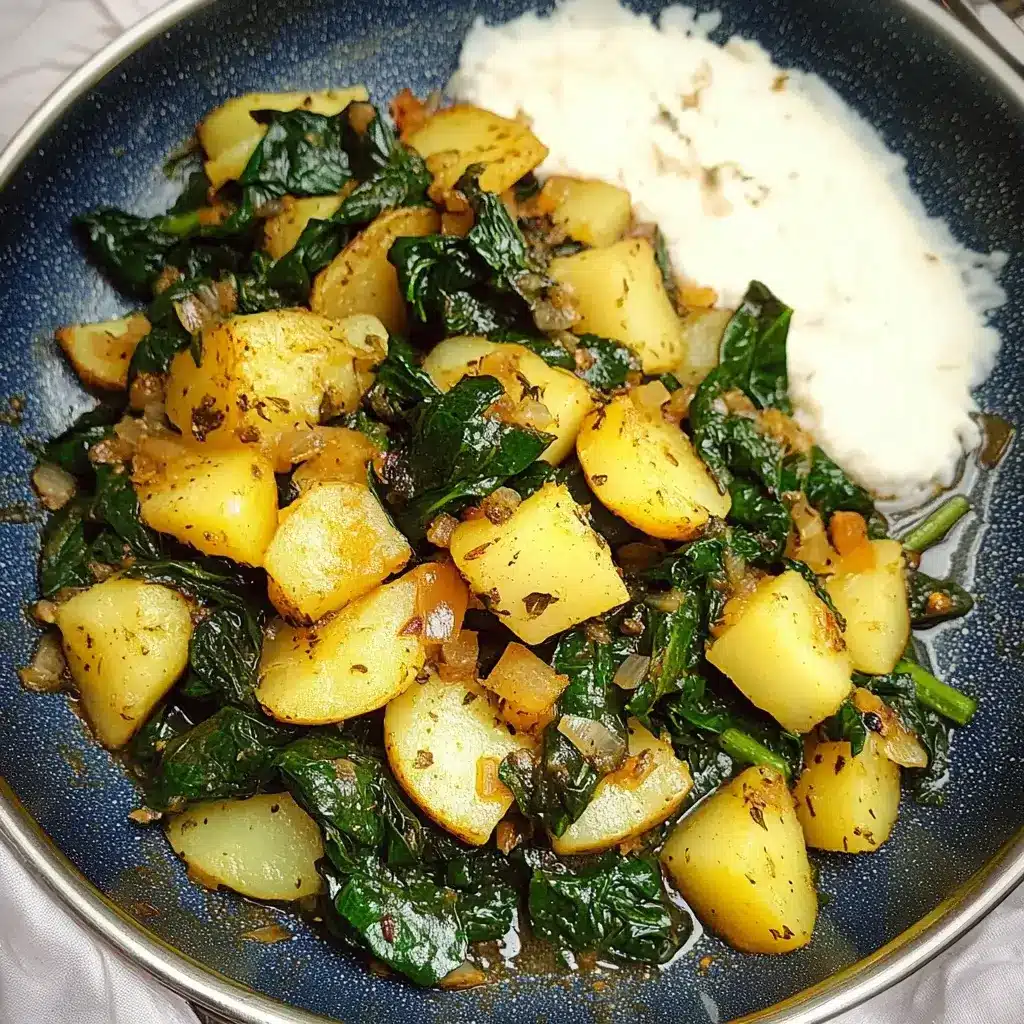
There are some dishes that just spell comfort, simplicity, and wholesome goodness, and for me, Sauteed Spinach and Potatoes is right at the top of that list. I first threw this together on a whim, needing a quick and healthy side dish using ingredients I already had. The earthy potatoes, perfectly golden and slightly crisp, combined with the tender, garlicky spinach, was an instant hit. My kids, who can sometimes be a bit wary of greens, actually devour this, especially when I get the potatoes just right. It’s become a weeknight staple, a reliable friend in the kitchen that never fails to satisfy. It’s proof that you don’t need fancy ingredients or complicated techniques to create something truly delicious and nourishing.
Why This Sauteed Spinach and Potatoes is a Must-Try Recipe
In a world of complex recipes and fleeting food trends, there’s an enduring charm to dishes that are simple, nutritious, and deeply satisfying. This Sauteed Spinach and Potatoes recipe embodies all these qualities, making it a true kitchen hero.
Firstly, its simplicity is its strength. With just a handful of readily available ingredients – potatoes, spinach, garlic, and olive oil – you can create a dish that bursts with natural flavor. There are no complicated steps, no obscure techniques. It’s accessible to cooks of all skill levels, from beginners looking for a reliable recipe to seasoned chefs wanting a straightforward, delicious side.
Secondly, this dish is a nutritional powerhouse. Potatoes, often unfairly maligned, are a fantastic source of potassium, Vitamin C, and complex carbohydrates for sustained energy, especially when cooked with their skins on. Spinach is a celebrated superfood, packed with iron, Vitamin K, Vitamin A, folate, and antioxidants. Combined, they offer a well-rounded nutritional profile that supports overall health and well-being.
Thirdly, it’s incredibly versatile. While perfect as a side dish to accompany roasted chicken, grilled fish, steak, or a plant-based protein like tofu or lentils, it can also stand on its own. Add a couple of fried or poached eggs on top, and you have a fantastic brunch or light lunch. Toss in some chickpeas or white beans, and it becomes a more substantial vegetarian main course.
Fourthly, the flavor and texture combination is classic and irresistible. The potatoes, when cooked correctly, offer a delightful contrast of crispy edges and fluffy interiors. The spinach wilts down to a tender, almost creamy consistency, beautifully infused with the aroma of sautéed garlic. A touch of salt and pepper, perhaps a pinch of red pepper flakes for a gentle kick, is all it takes to make these humble ingredients sing.
Finally, it’s relatively quick to prepare and budget-friendly. Potatoes and spinach are generally affordable and available year-round. The active cooking time is minimal, making it a great option for busy weeknights when you want something wholesome without spending hours in the kitchen. This Sauteed Spinach and Potatoes isn’t just food; it’s a testament to the beauty of simple, well-cooked ingredients.
Complete Ingredients with Amounts
Here’s what you’ll need to create this delightful and comforting dish:
- 1.5 lbs (about 680g) potatoes (Yukon Gold, red potatoes, or baby potatoes recommended), scrubbed and cut into ¾-inch to 1-inch cubes
- 1 tablespoon olive oil (plus more if needed)
- 3-4 cloves garlic, minced
- 10 ounces (about 280g) fresh spinach (baby spinach or mature spinach, roughly chopped if leaves are large)
- ½ teaspoon sea salt, or to taste
- ¼ teaspoon black pepper, or to taste
- Pinch of red pepper flakes (optional, for a hint of spice)
- Optional for finishing: A squeeze of fresh lemon juice or a drizzle of balsamic glaze.
A Closer Look at Key Ingredients:
- Potatoes: The type of potato you choose can impact the final texture.
- Yukon Gold: These are an excellent all-rounder. They have a creamy, buttery texture, thin skin (which can be left on), and hold their shape well when sautéed, getting nicely golden.
- Red Potatoes: Another waxy variety with thin skin that holds its shape well. They offer a slightly sweeter flavor and a firm, moist texture.
- Baby Potatoes/New Potatoes: These are naturally tender and have very thin skins, making them ideal for sautéing. Simply halve or quarter them.
- Russet Potatoes (Baking Potatoes): While they can be used, Russets are starchier and tend to fall apart more easily. If using Russets, peeling them is often preferred, and be gentle when stirring. They will absorb more oil but can get quite crispy.
The key is to cut them into uniform pieces so they cook evenly. Par-boiling the potatoes before sautéing can significantly speed up the cooking time in the pan and ensure a fluffy interior with a crispy exterior.
- Spinach:
- Baby Spinach: Tender, mild, and requires no chopping. It wilts down very quickly. You’ll need a large volume as it shrinks dramatically.
- Mature Spinach (Bunches or Bags): Has larger, sturdier leaves and a more robust flavor. It’s best to wash it thoroughly to remove any grit, trim off tough stems, and roughly chop the leaves before adding to the pan.
Frozen spinach can be used in a pinch (see FAQ).
- Garlic: Fresh garlic is a must for the best flavor. Adjust the amount based on your preference. Minced garlic releases its flavor quickly. For a milder garlic flavor, you can use thinly sliced garlic.
- Olive Oil: Good quality extra virgin olive oil will lend the best flavor, but regular olive oil or another neutral cooking oil (like avocado oil) will also work.
- Seasoning: Simple sea salt and freshly ground black pepper are often all that’s needed. A pinch of red pepper flakes adds a welcome warmth. Fresh herbs like thyme or rosemary can be added with the potatoes for extra aromatic depth.
- Finishing Touches (Optional): A squeeze of fresh lemon juice added at the very end can brighten all the flavors beautifully. A light drizzle of balsamic glaze can add a touch of sweetness and acidity.
Step-by-Step Instructions
Follow these simple steps for perfectly sauteed spinach and potatoes:
- Prepare the Potatoes (Par-boil for best results):
- Place the cubed potatoes in a medium saucepan and cover with cold water. Add a pinch of salt to the water.
- Bring to a boil over high heat, then reduce the heat to medium-low and simmer for 5-7 minutes, or until the potatoes are just fork-tender but still hold their shape well (you don’t want them mushy). They should not be fully cooked.
- Drain the potatoes thoroughly in a colander and let them sit for a few minutes to steam dry. This helps them crisp up better when sautéed.
- (Alternative, no-boil method: If skipping par-boiling, ensure potato cubes are no larger than ¾-inch. You’ll need to cook them longer in the skillet, covered, over medium-low heat until tender, which might take 15-20 minutes before proceeding to brown them.)
- Sauté the Potatoes:
- Heat 1 tablespoon of olive oil in a large skillet (cast iron works wonderfully) over medium-high heat.
- Once the oil is shimmering, add the drained and dried potatoes to the skillet in a single layer. Try not to overcrowd the pan; use two pans if necessary or cook in batches.
- Cook for 8-12 minutes, flipping or stirring occasionally, until the potatoes are golden brown and crispy on all sides. Season with about half of the salt, pepper, and red pepper flakes (if using) during the last few minutes of cooking.
- Once potatoes are browned and tender, push them to one side of the skillet, or temporarily remove them to a plate if your skillet is small.
- Sauté Garlic and Wilt Spinach:
- Reduce the heat to medium or medium-low. If the pan looks dry, add another drizzle of olive oil to the empty side of the skillet.
- Add the minced garlic to the empty side of the skillet and cook for about 30-60 seconds, or until fragrant. Be careful not to burn the garlic, as it can become bitter.
- Add the fresh spinach to the skillet (it might look like a lot, but it will wilt down significantly). If using a large amount of spinach, you may need to add it in batches.
- Stir gently and continuously until the spinach is wilted, which should take about 2-4 minutes.
- Combine and Finish:
- Once the spinach is wilted, stir it together with the potatoes.
- Season with the remaining salt and pepper, or to your taste.
- If using, squeeze fresh lemon juice over the mixture or drizzle with balsamic glaze.
- Stir one last time to combine all flavors.
- Serve:
- Serve immediately while warm.
Nutrition Facts
- Servings: This recipe makes approximately 4 side dish servings.
- Calories per serving: Approximately 200-280 calories.
(Disclaimer: Nutritional information is an estimate and can vary depending on the specific types and quantities of ingredients used, the amount of oil absorbed, and portion sizes. For precise nutritional data, using a nutrition calculator with your exact ingredients is recommended.)
This dish is a good source of Vitamin K, Vitamin A, Vitamin C, iron, potassium, and dietary fiber.
Preparation & Cook Time
- Preparation Time: 10-15 minutes (includes scrubbing/chopping potatoes and mincing garlic)
- Cook Time (including par-boiling): 20-25 minutes
- Total Time: Approximately 30-40 minutes
This timing makes it an excellent choice for a relatively quick and satisfying side dish for weeknight meals.
How to Serve Your Sauteed Spinach and Potatoes
This humble dish is surprisingly versatile in how it can be served:
- Classic Side Dish:
- Perfect alongside roasted chicken, pork tenderloin, or a hearty steak.
- Complements grilled or baked fish beautifully, especially salmon, cod, or halibut.
- A great accompaniment to vegetarian mains like lentil loaf, veggie burgers, or grilled halloumi.
- Hearty Breakfast or Brunch:
- Serve topped with a fried or poached egg for a delicious and filling start to the day.
- Fold into an omelet or frittata.
- Use as a base for a breakfast hash, perhaps with some crumbled vegan sausage or diced ham.
- Light Lunch or Vegetarian Main:
- Enjoy a larger portion on its own for a simple, satisfying meal.
- Toss with cooked chickpeas, white beans, or lentils to boost the protein and make it more substantial.
- Serve in a bowl topped with a dollop of plain yogurt or a sprinkle of feta cheese (or vegan feta).
- Ingredient in Other Dishes:
- Use as a filling for savory crepes or wraps.
- Add to a grain bowl with quinoa or farro, other roasted vegetables, and a flavorful dressing.
- Flavor Boosters & Toppings:
- A sprinkle of toasted pine nuts or slivered almonds for crunch.
- A dusting of Parmesan cheese or nutritional yeast for a cheesy, umami flavor.
- A drizzle of good quality balsamic glaze for sweetness and tang.
- A dollop of pesto for an extra herbaceous kick.
Experiment with different pairings to discover your favorite way to enjoy this delightful combination!
Additional Tips for Sautéing Perfection (5 Tips)
- Don’t Skip Par-Boiling (for the Best Potatoes): While you can cook the potatoes entirely in the skillet, par-boiling them first for 5-7 minutes until just tender makes a huge difference. It ensures the insides are fluffy and cooked through while allowing you to focus on getting a beautiful golden, crispy exterior in the skillet without worrying about undercooked centers.
- Dry Potatoes Thoroughly: After par-boiling and draining, let the potatoes steam dry for a few minutes, or pat them dry with a clean kitchen towel or paper towels. Excess moisture will create steam in the pan, hindering browning and crisping.
- Don’t Overcrowd the Pan: When sautéing the potatoes, give them space in the skillet. If they are too crowded, they will steam rather than brown. Cook in batches if necessary to achieve that desirable golden-brown crust.
- Add Garlic Towards the End: Minced garlic burns easily. Add it to the pan after the potatoes are mostly cooked and just before adding the spinach. This allows its aroma to infuse the dish without it becoming bitter.
- Season in Layers: Season the potatoes while they are cooking, and then check the seasoning again after the spinach has wilted and everything is combined. Spinach absorbs a surprising amount of salt. Tasting and adjusting at the end is key to a perfectly flavored dish.
The Humble Power of Simple Ingredients: Potatoes and Spinach
In an age of elaborate culinary creations, it’s easy to overlook the profound satisfaction that comes from simple, well-prepared food. Sauteed Spinach and Potatoes is a prime example of how basic, wholesome ingredients can come together to create something truly special.
Potatoes: Often misunderstood, the humble potato is a nutritional workhorse. It’s an excellent source of potassium (even more than a banana!), which is crucial for blood pressure regulation and muscle function. Potatoes also provide a good amount of Vitamin C, an important antioxidant, and Vitamin B6, vital for brain development and function. When eaten with their skins, they are a good source of dietary fiber, aiding digestion and promoting satiety. Their complex carbohydrates provide sustained energy, making them a far cry from “empty calories.”
Spinach: This leafy green is legendary for its nutritional density. It’s loaded with Vitamin K, essential for blood clotting and bone health. It’s also rich in Vitamin A (from beta-carotene) for vision and immune function, folate for cell growth, and iron for oxygen transport. Spinach contains powerful antioxidants like lutein and zeaxanthin, which are beneficial for eye health. Its versatility means it can be enjoyed raw in salads or cooked, as in this sauté, where its volume reduces dramatically, concentrating its nutrients.
When these two ingredients are combined with heart-healthy olive oil and aromatic garlic, the dish becomes more than just a side. It’s a simple, delicious way to incorporate a wealth of essential nutrients into your diet. It’s a reminder that nutritious food doesn’t have to be complicated or expensive. The magic lies in respecting the ingredients and allowing their natural flavors to shine.
Variations and Delicious Add-Ins
While this Sauteed Spinach and Potatoes recipe is fantastic as is, it also serves as a wonderful canvas for variations and additions. Here are a few ideas to inspire you:
- Cheesy Delight:
- Stir in ¼ cup of grated Parmesan, Pecorino Romano, or crumbled feta cheese at the very end for a salty, savory kick.
- For a vegan option, sprinkle with nutritional yeast or a vegan parmesan alternative.
- Spice it Up:
- Increase the amount of red pepper flakes or add a pinch of cayenne pepper for more heat.
- A dash of smoked paprika can add a lovely smoky depth.
- Herbaceous Notes:
- Add 1 teaspoon of fresh chopped rosemary or thyme to the potatoes while they are sautéing.
- Stir in some fresh chopped parsley or chives at the end for brightness.
- Add More Veggies:
- Sauté some diced onions or shallots before adding the garlic for extra sweetness and depth.
- Toss in some sliced mushrooms, diced bell peppers, or sun-dried tomatoes (oil-packed, drained) along with the potatoes.
- Protein Boost:
- For a non-vegan version, add some crispy crumbled bacon or diced pancetta. Cook it first, remove from pan, and crumble it over the finished dish.
- Stir in cooked chickpeas, cannellini beans, or lentils for a heartier vegetarian/vegan meal.
- Top with toasted nuts like pine nuts, walnuts, or slivered almonds for added crunch and healthy fats.
- A Touch of Tang:
- Besides lemon juice, a splash of apple cider vinegar or white wine vinegar can also brighten the flavors.
Feel free to experiment with your favorite flavors and ingredients to make this dish your own!
Storage and Reheating
Sauteed Spinach and Potatoes is best enjoyed fresh, but leftovers can still be delicious if stored and reheated properly:
- Storage:
- Allow the cooked dish to cool completely to room temperature.
- Transfer leftovers to an airtight container.
- Store in the refrigerator for up to 3-4 days.
- Reheating:
- Stovetop (Recommended for best texture): Heat a tablespoon of olive oil in a skillet over medium heat. Add the leftover spinach and potatoes and cook, stirring occasionally, until warmed through and the potatoes have re-crisped slightly. This method helps to revive the texture.
- Oven/Toaster Oven: Preheat your oven or toaster oven to 350°F (175°C). Spread the leftovers in a single layer on a baking sheet. Reheat for 10-15 minutes, or until warmed through.
- Microwave: While convenient, microwaving can sometimes make the potatoes a bit softer and the spinach can become more watery. Reheat in 30-60 second intervals, stirring in between, until heated to your liking.
For best results, try to only reheat the amount you plan to eat to maintain the quality of any remaining leftovers.
FAQ Section (5 Q/A)
Q1: Can I use frozen spinach instead of fresh?
- A: Yes, you can use frozen spinach. You’ll need about 5-6 ounces of frozen spinach to equate to 10 ounces of fresh (as it’s already condensed). Thaw the frozen spinach completely and squeeze out as much excess water as possible before adding it to the skillet. Add it after the garlic, just as you would fresh spinach, and cook until heated through. The texture might be slightly softer than with fresh spinach.
Q2: What’s the best way to ensure the potatoes get crispy?
- A: Several factors contribute to crispy potatoes:
- Choose the right potato: Waxy potatoes like Yukon Gold or red potatoes hold their shape and crisp well.
- Par-boil and dry: Par-boiling cooks the inside, and thoroughly drying them removes surface moisture.
- Hot oil & don’t overcrowd: Ensure the oil is hot before adding potatoes and cook them in a single layer.
- Don’t stir too often initially: Let them sit for a few minutes to develop a crust before flipping.
- Cast iron skillet: If you have one, it excels at creating crispy exteriors.
Q3: Can I make this dish vegan?
- A: Yes, this dish is naturally vegan as written if you stick to olive oil, potatoes, spinach, garlic, and seasonings. If you consider adding cheese or other non-vegan flavor boosters mentioned in the variations, simply opt for vegan alternatives (like nutritional yeast instead of Parmesan, or vegan bacon bits).
Q4: How can I prevent the spinach from becoming watery or slimy?
- A:
- Don’t overcook the spinach: Add it towards the end and cook just until it wilts. Overcooking releases more water and can lead to a slimy texture.
- High enough heat: Sautéing over medium to medium-high heat helps any excess moisture evaporate quickly.
- If using mature spinach with thick stems: Remove the toughest parts of the stems, as they can be watery.
- Drain well if washing: If you’ve just washed your spinach, try to remove as much surface water as possible before adding it to the pan. A salad spinner works great.
Q5: Can I prepare any parts of this Sauteed Spinach and Potatoes recipe ahead of time?
- A: Yes, you can do some prep work in advance:
- Potatoes: Scrub and cube the potatoes. You can store them submerged in cold water in the refrigerator for up to 24 hours to prevent browning before par-boiling. Or, you can par-boil, drain, and cool them, then store them in an airtight container in the fridge for a day before sautéing.
- Garlic: Mince the garlic and store it in a small airtight container in the fridge for a day.
- Spinach: If using mature spinach, you can wash, dry, and chop it a day ahead. Store it wrapped in paper towels in a resealable bag in the refrigerator.
Doing these steps ahead can cut down the active cooking time on the day you plan to serve the dish.
Concluding Thoughts: A Timeless, Comforting Classic
This Sauteed Spinach and Potatoes recipe is a beautiful reminder that culinary excellence doesn’t always require a long list of ingredients or hours spent in the kitchen. It’s a dish built on the simple, harmonious pairing of earthy potatoes and vibrant spinach, elevated by the aromatic touch of garlic and the richness of olive oil.
It’s the kind of versatile, dependable recipe that every home cook should have in their arsenal – perfect as a quick weeknight side, a satisfying component of a weekend brunch, or even a light vegetarian meal on its own. The combination of textures, from the crispy-edged, fluffy-centered potatoes to the tender, wilted spinach, is simply delightful.
So, embrace the simplicity, savor the wholesome flavors, and make this Sauteed Spinach and Potatoes a regular feature on your table. It’s a dish that nourishes the body and comforts the soul, proving that sometimes, the most unassuming ingredients create the most memorable meals. Enjoy!
Print
Sauteed Spinach and Potatoes recipe
Ingredients
-
- 1.5 lbs (about 680g) potatoes (Yukon Gold, red potatoes, or baby potatoes recommended), scrubbed and cut into ¾-inch to 1-inch cubes
-
- 1 tablespoon olive oil (plus more if needed)
-
- 3–4 cloves garlic, minced
-
- 10 ounces (about 280g) fresh spinach (baby spinach or mature spinach, roughly chopped if leaves are large)
-
- ½ teaspoon sea salt, or to taste
-
- ¼ teaspoon black pepper, or to taste
-
- Pinch of red pepper flakes (optional, for a hint of spice)
-
- Optional for finishing: A squeeze of fresh lemon juice or a drizzle of balsamic glaze.
Instructions
-
- Prepare the Potatoes (Par-boil for best results):
-
- Place the cubed potatoes in a medium saucepan and cover with cold water. Add a pinch of salt to the water.
-
- Bring to a boil over high heat, then reduce the heat to medium-low and simmer for 5-7 minutes, or until the potatoes are just fork-tender but still hold their shape well (you don’t want them mushy). They should not be fully cooked.
-
- Drain the potatoes thoroughly in a colander and let them sit for a few minutes to steam dry. This helps them crisp up better when sautéed.
-
- (Alternative, no-boil method: If skipping par-boiling, ensure potato cubes are no larger than ¾-inch. You’ll need to cook them longer in the skillet, covered, over medium-low heat until tender, which might take 15-20 minutes before proceeding to brown them.)
-
- Prepare the Potatoes (Par-boil for best results):
-
- Sauté the Potatoes:
-
- Heat 1 tablespoon of olive oil in a large skillet (cast iron works wonderfully) over medium-high heat.
-
- Once the oil is shimmering, add the drained and dried potatoes to the skillet in a single layer. Try not to overcrowd the pan; use two pans if necessary or cook in batches.
-
- Cook for 8-12 minutes, flipping or stirring occasionally, until the potatoes are golden brown and crispy on all sides. Season with about half of the salt, pepper, and red pepper flakes (if using) during the last few minutes of cooking.
-
- Once potatoes are browned and tender, push them to one side of the skillet, or temporarily remove them to a plate if your skillet is small.
-
- Sauté the Potatoes:
-
- Sauté Garlic and Wilt Spinach:
-
- Reduce the heat to medium or medium-low. If the pan looks dry, add another drizzle of olive oil to the empty side of the skillet.
-
- Add the minced garlic to the empty side of the skillet and cook for about 30-60 seconds, or until fragrant. Be careful not to burn the garlic, as it can become bitter.
-
- Add the fresh spinach to the skillet (it might look like a lot, but it will wilt down significantly). If using a large amount of spinach, you may need to add it in batches.
-
- Stir gently and continuously until the spinach is wilted, which should take about 2-4 minutes.
-
- Sauté Garlic and Wilt Spinach:
-
- Combine and Finish:
-
- Once the spinach is wilted, stir it together with the potatoes.
-
- Season with the remaining salt and pepper, or to your taste.
-
- If using, squeeze fresh lemon juice over the mixture or drizzle with balsamic glaze.
-
- Stir one last time to combine all flavors.
-
- Combine and Finish:
-
- Serve:
-
- Serve immediately while warm.
-
- Serve:
Nutrition
- Serving Size: one normal portion
- Calories: 200-280