
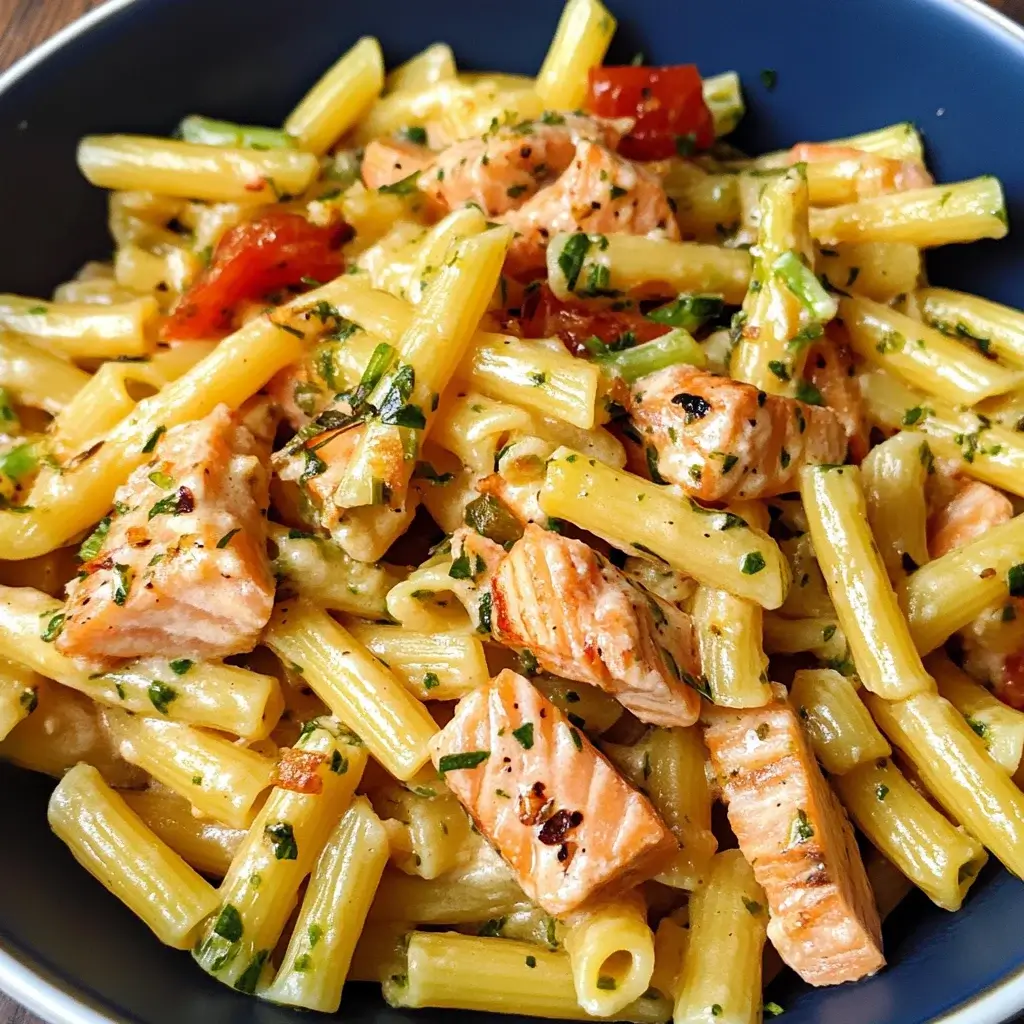
The first time I decided to make a salmon pasta, I was aiming for something elegant enough for a special occasion but simple enough for a weeknight. This Creamy Lemon Dill Salmon Pasta was the result, and oh, what a triumph it was! The aroma of garlic sautéing, followed by the zesty lemon and fresh dill, filled my kitchen, making everyone’s stomach rumble in anticipation. When the tender, flaky salmon met the luscious, creamy sauce coating every strand of fettuccine, it was pure magic. My partner, who isn’t always the biggest fish fan, devoured his plate and immediately asked when we could have it again. Even my usually pasta-skeptic friend was converted. It’s become one of those go-to recipes in our house when we want something that feels luxurious yet comforting, packed with flavor but surprisingly easy to whip up. It’s a dish that truly makes an ordinary evening feel extraordinary.
Why This Creamy Lemon Dill Salmon Pasta Will Steal Your Heart (and Stomach!)
Before we dive into the delightful process of creating this dish, let’s talk about what makes this particular Creamy Lemon Dill Salmon Pasta recipe so incredibly special and why it deserves a prime spot in your culinary repertoire.
- An Explosion of Harmonious Flavors: This isn’t just pasta with some fish thrown in. It’s a carefully orchestrated symphony of tastes. The rich, oily salmon provides a substantial, savory base. The bright, zesty lemon cuts through the richness, adding a necessary tang. Fresh dill brings an herbaceous, slightly anise-like freshness that is a classic and unbeatable partner for salmon. Garlic and shallots lay down an aromatic foundation, while a touch of white wine (optional, but recommended) adds depth and complexity. The creamy sauce envelops everything, tying all these distinct notes into a cohesive, luxurious whole.
- Elegant Yet Effortless: Don’t let the sophisticated flavor profile fool you; this dish is surprisingly straightforward to make. With a bit of multitasking, you can have this restaurant-quality meal on your table in under 45 minutes. It’s perfect for impressing guests at a dinner party or for treating yourself on a regular Tuesday night when you crave something a little fancy without a lot of fuss.
- Nutritionally Rich (Hello, Omega-3s!): Salmon is a nutritional powerhouse, packed with high-quality protein, heart-healthy omega-3 fatty acids, vitamins D and B12. When paired with pasta for energy and fresh herbs, you get a meal that’s not only delicious but also good for you (in moderation, of course, considering the cream!).
- Wonderfully Versatile: While this recipe provides a fantastic base, it’s also incredibly adaptable.
- Pasta Choice: Fettuccine is great, but linguine, penne, or even farfalle would work beautifully.
- Creaminess Level: Adjust the amount of cream or use a lighter alternative like half-and-half or even a dairy-free cream for different dietary needs.
- Vegetable Additions: Feel free to toss in some steamed asparagus, peas, spinach (wilted in at the end), or roasted cherry tomatoes for extra color, nutrients, and texture.
- Visually Appealing: The beautiful pink of the salmon, the vibrant green of the dill, and the creamy sauce coating the pasta make for a dish that’s as pleasing to the eye as it is to the palate. It just looks delicious.
- A Guaranteed Crowd-Pleaser: The combination of familiar, comforting pasta with the universally loved flavors of salmon, lemon, and dill makes this a dish that appeals to a wide audience. It’s sophisticated enough for adults but often gentle enough in flavor (depending on your seasoning) for even pickier eaters.
This Creamy Lemon Dill Salmon Pasta isn’t just food; it’s an experience. It’s the kind of meal that brings people together, sparks conversation, and leaves everyone feeling satisfied and a little bit indulged. Get ready to fall in love!
Complete Ingredients for Creamy Lemon Dill Salmon Pasta
Here’s everything you’ll need to create this delectable salmon pasta dish. This recipe generously serves 4 people.
- For the Salmon:
- 1.5 lbs (680g) skinless salmon fillet, cut into 1-1.5 inch cubes or left as 2-3 fillets to flake after cooking
- 1 tablespoon olive oil
- Salt and freshly ground black pepper to taste
- 1/2 teaspoon garlic powder (optional, for seasoning salmon)
- 1/2 teaspoon onion powder (optional, for seasoning salmon)
- For the Pasta:
- 12 oz (340g) fettuccine (or linguine, penne, or your pasta of choice)
- 1 tablespoon salt (for pasta water)
- 1 tablespoon olive oil (optional, for pasta water)
- For the Creamy Lemon Dill Sauce:
- 2 tablespoons unsalted butter
- 1 large shallot, finely minced (or 1/2 small yellow onion, finely minced)
- 3-4 cloves garlic, minced
- 1/4 cup dry white wine, such as Sauvignon Blanc or Pinot Grigio (optional, can substitute with chicken or vegetable broth)
- 1.5 cups (360ml) heavy cream (or half-and-half for a lighter sauce)
- 1/2 cup (120ml) reserved pasta water (or more, as needed)
- Zest of 1 large lemon
- Juice of 1/2 to 1 large lemon (about 2-3 tablespoons, to taste)
- 1/2 cup (50g) grated Parmesan cheese, plus more for serving
- 1/4 cup fresh dill, finely chopped (plus more for garnish)
- 1/4 teaspoon red pepper flakes (optional, for a hint of spice)
- Salt and freshly ground black pepper to taste
Ingredient Notes:
- Salmon: Use good quality, fresh salmon if possible. Wild-caught or sustainably farmed are excellent choices. You can cook the salmon as whole fillets and then flake it, or cut it into cubes before cooking for easier integration into the pasta.
- Pasta: While fettuccine is classic, any pasta that can hold a creamy sauce well will work.
- Heavy Cream: For the richest, most luscious sauce, heavy cream is best. Half-and-half can be used for a lighter version, but the sauce will be less thick. For a dairy-free alternative, full-fat unsweetened coconut milk or a good quality unsweetened cashew cream could be experimented with, though this will alter the classic flavour profile.
- White Wine: Adds a lovely depth of flavour and acidity that balances the cream. If you prefer not to use alcohol, substitute with an equal amount of low-sodium chicken or vegetable broth.
- Lemon: Fresh lemon zest and juice are crucial for the bright, citrusy flavour. Bottled lemon juice won’t have the same vibrancy.
- Dill: Fresh dill is highly recommended over dried for its superior flavour.
- Parmesan Cheese: Use freshly grated Parmesan for the best melting quality and taste. Pre-grated often contains anti-caking agents.
Step-by-Step Instructions for Making Creamy Lemon Dill Salmon Pasta
Follow these detailed steps to create a restaurant-worthy salmon pasta in your own kitchen:
1. Prepare and Cook the Pasta:
* Bring a large pot of water to a rolling boil. Add 1 tablespoon of salt and the optional olive oil.
* Add the fettuccine (or your chosen pasta) and cook according to package directions until al dente (tender but still with a slight bite).
* Crucial Step: Before draining, reserve at least 1.5 cups of the starchy pasta water. This will be used to help create and adjust the consistency of your sauce.
* Drain the pasta and set aside. You can toss it with a tiny drizzle of olive oil to prevent sticking if it will sit for a few minutes.
2. Prepare and Cook the Salmon:
* While the pasta water is coming to a boil, prepare the salmon. Pat the salmon fillet(s) dry with paper towels. If using cubes, cut them now.
* Season the salmon generously on all sides with salt, freshly ground black pepper, and optional garlic powder and onion powder.
* Heat 1 tablespoon of olive oil in a large, heavy-bottomed skillet (cast iron or stainless steel works well) over medium-high heat.
* Once the oil is shimmering, carefully place the salmon in the hot skillet.
* If using fillets: Sear for 4-5 minutes per side, or until cooked through and easily flaked with a fork. The internal temperature should reach 145°F (63°C).
* If using cubes: Cook for 2-3 minutes per side, until golden brown and cooked through. Be careful not to overcrowd the pan; cook in batches if necessary.
* Remove the cooked salmon from the skillet and set aside on a clean plate. If you cooked fillets, gently flake the salmon into large, bite-sized pieces using two forks. Cover loosely to keep warm. Do not wipe out the skillet.
3. Start the Creamy Lemon Dill Sauce:
* Reduce the heat under the same skillet to medium-low. Add the 2 tablespoons of unsalted butter and let it melt.
* Add the finely minced shallot (or onion) to the skillet and sauté for 2-3 minutes until softened and translucent, scraping up any browned bits (fond) from cooking the salmon.
* Add the minced garlic and cook for another 1-2 minutes until fragrant. Be careful not to burn the garlic.
4. Deglaze and Build the Sauce:
* If using, pour in the white wine (or broth). Increase the heat slightly and bring to a simmer, scraping the bottom of the pan to loosen any remaining flavorful bits. Let it cook for 1-2 minutes, allowing the alcohol to evaporate and the liquid to reduce slightly.
* Reduce the heat to low. Pour in the heavy cream (or half-and-half). Stir well to combine.
* Stir in the lemon zest and the optional red pepper flakes.
* Bring the sauce to a very gentle simmer (do not boil vigorously). Allow it to thicken slightly, stirring occasionally, for about 3-5 minutes.
5. Finish the Sauce and Combine:
* Gradually whisk in 1/2 cup of the reserved pasta water. This will help emulsify the sauce and give it a beautiful consistency. Add more pasta water, a tablespoon at a time, if the sauce seems too thick.
* Remove the skillet from the heat (or keep on very low heat). Stir in the grated Parmesan cheese until it’s melted and the sauce is smooth.
* Stir in the fresh lemon juice (start with juice from 1/2 lemon, taste, and add more if desired) and the chopped fresh dill.
* Taste the sauce and adjust seasonings. Add more salt, black pepper, or lemon juice as needed to achieve your desired balance of flavors.
6. Bring It All Together:
* Add the cooked pasta to the skillet with the sauce. Toss gently but thoroughly to ensure every strand of pasta is coated.
* Add the flaked or cubed cooked salmon to the pasta. Gently fold it in, being careful not to break up the salmon pieces too much.
* If the pasta seems too dry, add a little more of the reserved pasta water until it reaches your desired sauciness.
7. Serve Immediately:
* Divide the Creamy Lemon Dill Salmon Pasta among warm serving bowls or plates.
* Garnish with extra fresh dill, a sprinkle of Parmesan cheese, and perhaps a twist of black pepper or a small lemon wedge on the side.
Enjoy your incredibly delicious and elegant homemade salmon pasta!
Nutrition Facts
- Servings: This recipe makes approximately 4 generous servings.
- Calories per serving (approximate): Around 700-950 calories per serving.
Important Disclaimer: The nutritional information provided is an estimate and can vary significantly based on several factors:
* Specific Ingredients: The type and brand of salmon (wild vs. farmed), pasta, heavy cream (fat content), Parmesan cheese, and butter used will alter the values.
* Portion Sizes: The calorie count is based on the recipe yielding 4 servings. Actual serving sizes can vary.
* Optional Ingredients: The use of white wine, or the amount of olive oil, will impact the final count.
General Nutritional Profile:
- Protein: High, primarily from the salmon and Parmesan cheese.
- Fat: Significant, from the salmon (healthy omega-3s), heavy cream, butter, and Parmesan cheese.
- Carbohydrates: Primarily from the pasta.
- Key Nutrients: Rich in Omega-3 fatty acids, Vitamin D, Vitamin B12 (from salmon), and Calcium (from dairy).
For a more precise nutritional breakdown, it’s recommended to use an online recipe nutrition calculator and input your exact ingredients and quantities. While indulgent, this dish offers significant nutritional benefits, especially from the salmon.
Preparation Time
This Creamy Lemon Dill Salmon Pasta, while tasting like a gourmet meal, comes together relatively quickly, making it manageable for a weeknight dinner.
- Prep Time: 15-20 minutes
- This includes:
- Chopping shallots/onions and garlic.
- Zesting and juicing the lemon.
- Chopping fresh dill.
- Cutting salmon into cubes (if choosing that method).
- Measuring out other ingredients (mise en place).
- This includes:
- Cook Time: 20-25 minutes
- Cooking pasta: 8-12 minutes (depending on pasta type).
- Cooking salmon: 6-10 minutes.
- Making the sauce and combining: 8-10 minutes.
- (Note: Some steps can be done concurrently, e.g., cooking pasta while prepping salmon/sauce ingredients).
- Total Time: Approximately 35-45 minutes
Tips for Efficiency:
- Mise en Place: The most crucial tip! Have all your ingredients prepped and measured before you start cooking. This makes the entire process flow smoothly.
- Multitask Wisely: Get the pasta water boiling as your first step. While it’s heating and the pasta is cooking, you can prepare and cook the salmon and start the sauce.
- Teamwork: If you have a helper, one person can manage the pasta while the other focuses on the salmon and sauce.
With a little organization, you can enjoy this luxurious pasta dish in well under an hour.
How to Serve Creamy Lemon Dill Salmon Pasta
Serving this beautiful pasta dish thoughtfully can elevate the dining experience even further. Here are some ideas:
- Garnishes are Essential for a Finishing Touch:
- Fresh Dill: A generous sprinkle of extra freshly chopped dill right before serving adds a vibrant green color and a final burst of fresh flavor.
- Parmesan Cheese: Offer freshly grated Parmesan cheese at the table for those who like an extra cheesy touch. A microplane grater creates lovely, fluffy Parmesan.
- Lemon Wedges or Zest: A small lemon wedge on the side of each plate allows diners to add an extra squeeze of brightness if desired. A little fresh lemon zest grated over the top can also look beautiful and smell amazing.
- Freshly Ground Black Pepper: A final twist of black pepper enhances the savory notes.
- High-Quality Olive Oil: A tiny drizzle of a good quality extra virgin olive oil over the finished dish can add a touch of fruity richness.
- Plating for Visual Appeal:
- Serve in wide, shallow pasta bowls to best showcase the dish.
- When plating, try to ensure a good distribution of salmon pieces and visible sauce.
- A gentle swirl of the pasta can create an elegant presentation.
- Complementary Side Dishes:
While this salmon pasta is quite a complete meal, a light side can round it out nicely:- Simple Green Salad: A crisp salad with a light vinaigrette (lemon-based would be perfect) provides a refreshing contrast to the creamy pasta. Think mixed greens, cucumber, and perhaps some thinly sliced radishes.
- Steamed or Roasted Asparagus: Asparagus pairs wonderfully with salmon and lemon. A light steaming or quick roast with a drizzle of olive oil, salt, and pepper is all it needs.
- Garlic Bread or Crusty Bread: Ideal for soaking up any delicious leftover creamy sauce.
- Try: Slices of baguette, lightly toasted and rubbed with a garlic clove.
- Sautéed Spinach or Kale: Quickly sautéed with a touch of garlic for an extra dose of greens.
- Perfect Drink Pairings:
- White Wine: A crisp, dry white wine is a classic choice.
- Examples: Sauvignon Blanc (especially good with the dill and lemon), Pinot Grigio, unoaked Chardonnay, or a dry Rosé.
- Sparkling Wine: Prosecco or Champagne can cut through the richness beautifully and make the meal feel even more celebratory.
- Light Craft Beer: A light-bodied pilsner or a citrusy pale ale.
- Non-Alcoholic: Sparkling water with a slice of lemon or cucumber, or a light iced tea.
- White Wine: A crisp, dry white wine is a classic choice.
By considering these serving suggestions, you can transform a simple dinner into a memorable culinary event.
Additional Tips for Salmon Pasta Perfection
Elevate your Creamy Lemon Dill Salmon Pasta from simply delicious to absolutely divine with these five expert tips:
- Don’t Overcook the Salmon: This is perhaps the most crucial tip for any salmon dish. Overcooked salmon becomes dry and loses its delicate, flaky texture. Aim for an internal temperature of 145°F (63°C) at its thickest part. It should flake easily with a fork but still be moist inside. Remember that it will continue to cook slightly from residual heat after being removed from the pan, and again when added back to the hot pasta. It’s better to err on the side of slightly undercooking it initially.
- Use Fresh, High-Quality Ingredients: The simplicity of this dish means the quality of your ingredients will truly shine through.
- Salmon: Opt for fresh, good-quality salmon fillets.
- Lemon & Dill: Freshly squeezed lemon juice and freshly chopped dill make a world of difference compared to their bottled or dried counterparts. The vibrancy is unmatched.
- Parmesan: Grate your own Parmesan cheese from a block. Pre-grated cheese often contains anti-caking agents that can prevent it from melting smoothly into the sauce and can affect the flavour.
- Master the Art of Reserved Pasta Water: That starchy, salty water left over from cooking your pasta is liquid gold for sauces. It helps to emulsify the sauce, making it creamier and helping it cling beautifully to the pasta. It also allows you to adjust the sauce’s consistency without diluting its flavour. Always reserve more than you think you’ll need. Start by adding about 1/2 cup to the sauce, then add more, tablespoon by tablespoon, until you reach your desired sauciness.
- Build Flavor in Layers: Don’t just throw everything in the pan at once.
- Sauté the shallots (or onions) until softened before adding the garlic to prevent the garlic from burning.
- Deglazing with white wine (or broth) after cooking the aromatics helps lift all those flavorful browned bits (fond) from the bottom of the pan, incorporating them into your sauce for incredible depth.
- Toast any dried spices (like red pepper flakes) briefly with the aromatics to bloom their flavor.
- Taste and Adjust Seasoning Throughout: Seasoning is key to a balanced and flavorful dish. Don’t wait until the very end to taste.
- Season the salmon well before cooking.
- Taste the sauce before adding the pasta and salmon. Does it need more salt? More lemon for brightness? A pinch more dill?
- Taste again after combining everything, as the pasta and salmon will absorb some of the seasoning. Adjust as necessary. This iterative tasting process is what separates good cooks from great ones.
By incorporating these tips, you’ll ensure your Creamy Lemon Dill Salmon Pasta is consistently flavourful, perfectly textured, and an absolute joy to eat every single time.
Frequently Asked Questions (FAQ) about Creamy Lemon Dill Salmon Pasta
Here are answers to some common questions you might have about making this delightful salmon pasta:
1. Q: What type of salmon is best for this recipe?
* A: You have several good options!
* Atlantic Salmon: Commonly available, has a milder flavour and good fat content, making it rich and tender. Often farmed.
* King (Chinook) Salmon: Considered by many to be the best, very rich, high in fat, and has a buttery texture. Can be pricier.
* Sockeye Salmon: Has a deeper red-orange color, a stronger “salmon” flavour, and is leaner than Atlantic or King.
* Coho Salmon: Milder than Sockeye but more flavourful than some Atlantic, with a medium fat content.
* For this creamy pasta, a salmon with a decent fat content like Atlantic, King, or Coho works beautifully as it stays moist and flakes nicely. However, any good-quality, fresh salmon fillet will work. Skin-on or skinless is fine; if using skin-on, you can sear it skin-down first for crispy skin, then remove the skin before flaking, or simply cook it flesh-side down and the skin will be easy to remove after. This recipe calls for skinless for simplicity.
2. Q: Can I make this dish lighter or dairy-free?
* A: Yes, with a few adjustments:
* Lighter: Use half-and-half instead of heavy cream. You can also reduce the amount of butter and Parmesan slightly. Be mindful that the sauce will be less rich and thick. You could also incorporate more vegetables like spinach or asparagus to bulk it up with fewer calories.
* Dairy-Free: Substitute the heavy cream with a good quality, full-fat, unsweetened coconut milk (this will impart a subtle coconut flavour) or an unsweetened plain cashew cream or oat cream designed for cooking. Use a dairy-free butter alternative or olive oil instead of butter. For the Parmesan, you can use a store-bought vegan Parmesan alternative or make a quick version with nutritional yeast, ground cashews, garlic powder, and salt.
3. Q: Can I use frozen salmon?
* A: Yes, frozen salmon can work well. Make sure to thaw it properly and safely before cooking. The best way is to thaw it overnight in the refrigerator. Once thawed, pat it very dry with paper towels to remove excess moisture, which will help it sear nicely rather than steam.
4. Q: What other herbs can I use besides dill?
* A: While dill is classic with salmon and lemon, you could experiment with other fresh herbs:
* Parsley: Fresh flat-leaf parsley would add a clean, green flavour.
* Chives: Minced chives can provide a mild, fresh oniony note.
* Tarragon: Has a distinctive anise-like flavour that pairs well with fish and cream sauces. Use it more sparingly as it can be strong.
* A combination of parsley and chives could also be lovely.
However, for the quintessential “lemon dill salmon” experience, fresh dill is hard to beat.
5. Q: How do I store and reheat leftovers?
* A: Store leftover Creamy Lemon Dill Salmon Pasta in an airtight container in the refrigerator for up to 2-3 days.
* Reheating: Creamy pasta dishes can sometimes become a bit dry or the sauce can separate when reheated. The best way to reheat is gently on the stovetop over low heat. Add a splash of milk, cream, broth, or even water to the pan with the pasta to help loosen the sauce and restore its creaminess. Stir frequently until warmed through. You can also reheat it in the microwave in 30-60 second intervals, stirring in between, but stovetop reheating generally yields a better texture. The salmon might become a bit more cooked, so gentle reheating is key.

Salmon Pasta recipe
Ingredients
-
- For the Salmon:
-
- 1.5 lbs (680g) skinless salmon fillet, cut into 1–1.5 inch cubes or left as 2-3 fillets to flake after cooking
-
- 1 tablespoon olive oil
-
- Salt and freshly ground black pepper to taste
-
- 1/2 teaspoon garlic powder (optional, for seasoning salmon)
-
- 1/2 teaspoon onion powder (optional, for seasoning salmon)
-
- For the Salmon:
-
- For the Pasta:
-
- 12 oz (340g) fettuccine (or linguine, penne, or your pasta of choice)
-
- 1 tablespoon salt (for pasta water)
-
- 1 tablespoon olive oil (optional, for pasta water)
-
- For the Pasta:
-
- For the Creamy Lemon Dill Sauce:
-
- 2 tablespoons unsalted butter
-
- 1 large shallot, finely minced (or 1/2 small yellow onion, finely minced)
-
- 3–4 cloves garlic, minced
-
- 1/4 cup dry white wine, such as Sauvignon Blanc or Pinot Grigio (optional, can substitute with chicken or vegetable broth)
-
- 1.5 cups (360ml) heavy cream (or half-and-half for a lighter sauce)
-
- 1/2 cup (120ml) reserved pasta water (or more, as needed)
-
- Zest of 1 large lemon
-
- Juice of 1/2 to 1 large lemon (about 2–3 tablespoons, to taste)
-
- 1/2 cup (50g) grated Parmesan cheese, plus more for serving
-
- 1/4 cup fresh dill, finely chopped (plus more for garnish)
-
- 1/4 teaspoon red pepper flakes (optional, for a hint of spice)
-
- Salt and freshly ground black pepper to taste
-
- For the Creamy Lemon Dill Sauce:
Instructions
1. Prepare and Cook the Pasta:
* Bring a large pot of water to a rolling boil. Add 1 tablespoon of salt and the optional olive oil.
* Add the fettuccine (or your chosen pasta) and cook according to package directions until al dente (tender but still with a slight bite).
* Crucial Step: Before draining, reserve at least 1.5 cups of the starchy pasta water. This will be used to help create and adjust the consistency of your sauce.
* Drain the pasta and set aside. You can toss it with a tiny drizzle of olive oil to prevent sticking if it will sit for a few minutes.
2. Prepare and Cook the Salmon:
* While the pasta water is coming to a boil, prepare the salmon. Pat the salmon fillet(s) dry with paper towels. If using cubes, cut them now.
* Season the salmon generously on all sides with salt, freshly ground black pepper, and optional garlic powder and onion powder.
* Heat 1 tablespoon of olive oil in a large, heavy-bottomed skillet (cast iron or stainless steel works well) over medium-high heat.
* Once the oil is shimmering, carefully place the salmon in the hot skillet.
* If using fillets: Sear for 4-5 minutes per side, or until cooked through and easily flaked with a fork. The internal temperature should reach 145°F (63°C).
* If using cubes: Cook for 2-3 minutes per side, until golden brown and cooked through. Be careful not to overcrowd the pan; cook in batches if necessary.
* Remove the cooked salmon from the skillet and set aside on a clean plate. If you cooked fillets, gently flake the salmon into large, bite-sized pieces using two forks. Cover loosely to keep warm. Do not wipe out the skillet.
3. Start the Creamy Lemon Dill Sauce:
* Reduce the heat under the same skillet to medium-low. Add the 2 tablespoons of unsalted butter and let it melt.
* Add the finely minced shallot (or onion) to the skillet and sauté for 2-3 minutes until softened and translucent, scraping up any browned bits (fond) from cooking the salmon.
* Add the minced garlic and cook for another 1-2 minutes until fragrant. Be careful not to burn the garlic.
4. Deglaze and Build the Sauce:
* If using, pour in the white wine (or broth). Increase the heat slightly and bring to a simmer, scraping the bottom of the pan to loosen any remaining flavorful bits. Let it cook for 1-2 minutes, allowing the alcohol to evaporate and the liquid to reduce slightly.
* Reduce the heat to low. Pour in the heavy cream (or half-and-half). Stir well to combine.
* Stir in the lemon zest and the optional red pepper flakes.
* Bring the sauce to a very gentle simmer (do not boil vigorously). Allow it to thicken slightly, stirring occasionally, for about 3-5 minutes.
5. Finish the Sauce and Combine:
* Gradually whisk in 1/2 cup of the reserved pasta water. This will help emulsify the sauce and give it a beautiful consistency. Add more pasta water, a tablespoon at a time, if the sauce seems too thick.
* Remove the skillet from the heat (or keep on very low heat). Stir in the grated Parmesan cheese until it’s melted and the sauce is smooth.
* Stir in the fresh lemon juice (start with juice from 1/2 lemon, taste, and add more if desired) and the chopped fresh dill.
* Taste the sauce and adjust seasonings. Add more salt, black pepper, or lemon juice as needed to achieve your desired balance of flavors.
6. Bring It All Together:
* Add the cooked pasta to the skillet with the sauce. Toss gently but thoroughly to ensure every strand of pasta is coated.
* Add the flaked or cubed cooked salmon to the pasta. Gently fold it in, being careful not to break up the salmon pieces too much.
* If the pasta seems too dry, add a little more of the reserved pasta water until it reaches your desired sauciness.
7. Serve Immediately:
* Divide the Creamy Lemon Dill Salmon Pasta among warm serving bowls or plates.
* Garnish with extra fresh dill, a sprinkle of Parmesan cheese, and perhaps a twist of black pepper or a small lemon wedge on the side.
Enjoy your incredibly delicious and elegant homemade salmon pasta!
Nutrition
- Serving Size: one normal portion
- Calories: 700-950