

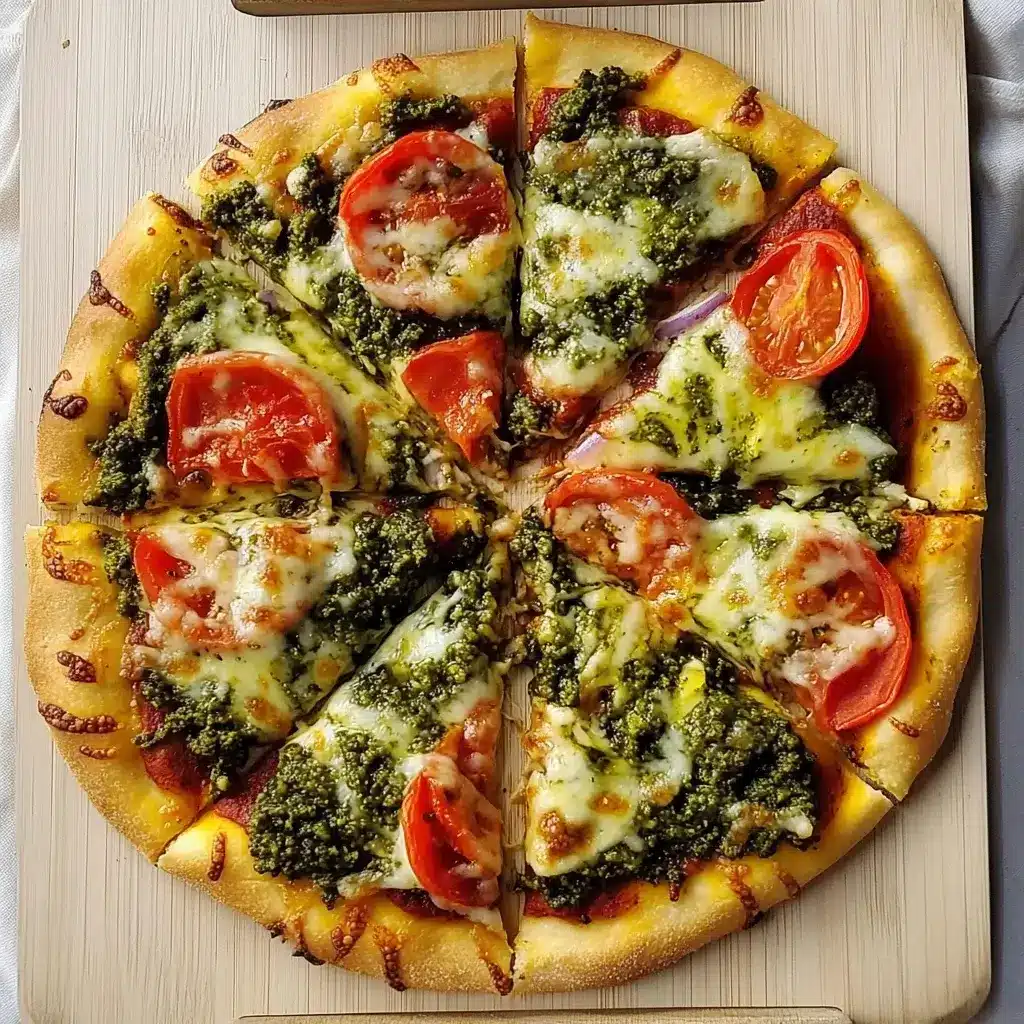
The first time I made this Pesto Vegetarian Pizza, it was a slightly desperate attempt to use up a bumper crop of basil from our little herb garden and a fridge full of colorful veggies before our weekly shop. I wasn’t expecting miracles, just a decent, quick dinner. But oh, was I wrong! The aroma alone, as it baked, had my family migrating to the kitchen, noses twitching. When I pulled that vibrant, bubbling masterpiece from the oven, it was love at first sight. The kids, who usually grumble about “too many vegetables,” devoured their slices without a single complaint, their faces smeared with green pesto and melted cheese. My partner, a self-proclaimed pizza aficionado, declared it one of the best homemade pizzas he’d ever had. The bright, herbaceous pesto, the sweet and savory roasted vegetables, the creamy mozzarella, and the slightly crisp crust – it was a symphony of flavors and textures. Since that day, this Pesto Vegetarian Pizza has become a beloved staple in our home, a guaranteed crowd-pleaser for casual weeknight dinners and weekend gatherings alike. It’s more than just a recipe; it’s a memory-maker, a testament to how simple, fresh ingredients can create something truly spectacular.
Why This Pesto Vegetarian Pizza Will Become Your New Favorite
In a world brimming with pizza options, finding one that truly stands out can be a delightful discovery. This Pesto Vegetarian Pizza recipe isn’t just another veggie pizza; it’s an explosion of fresh flavors, vibrant colors, and satisfying textures that will tantalize your taste buds and leave you craving more. What makes it so special?
Firstly, the pesto base is a game-changer. Instead of the traditional tomato sauce, a generous layer of rich, aromatic basil pesto provides a unique, herbaceous, and slightly nutty foundation. This immediately elevates the pizza beyond the ordinary, offering a sophisticated yet comforting flavor profile.
Secondly, the symphony of vegetables is carefully chosen not just for their individual tastes but for how they complement each other and the pesto. Think sweet bell peppers, earthy mushrooms, tangy artichoke hearts, and juicy cherry tomatoes, all roasting to perfection and releasing their natural sugars. This isn’t just a random assortment; it’s a curated blend that ensures every bite is interesting and delicious.
Thirdly, it’s incredibly versatile and customizable. While this recipe provides a fantastic starting point, you can easily swap vegetables based on seasonality or personal preference. Don’t like mushrooms? Add some zucchini. Have an abundance of spinach? Wilt it down and scatter it on top. This adaptability makes it a recipe you can return to time and time again, always creating something new and exciting.
Furthermore, it’s a healthier indulgence. Packed with nutrient-rich vegetables and the good fats from pesto and olive oil, it’s a pizza you can feel good about eating. It’s a fantastic way to get your daily dose of veggies in a fun and delicious package.
Finally, it’s visually stunning. The vibrant green of the pesto, contrasted with the bright reds, yellows, and oranges of the peppers, the deep browns of the mushrooms, and the creamy white of the mozzarella, makes for a pizza that’s as pleasing to the eye as it is to the palate. It’s the kind of dish that elicits “oohs” and “aahs” when you bring it to the table. This Pesto Vegetarian Pizza recipe is more than just a meal; it’s an experience.
The Star of the Show: Perfect Pesto Power
The heart and soul of this Pesto Vegetarian Pizza is, undoubtedly, the pesto. While store-bought pesto can be a convenient option, making your own homemade pesto takes this pizza to an entirely new level of deliciousness. The freshness and vibrancy of homemade pesto are unparalleled.
Key Components of Great Pesto:
- Fresh Basil: This is the backbone of classic pesto, providing its signature bright green color and herbaceous aroma. Use the freshest leaves you can find.
- Pine Nuts: These add a delicate, buttery crunch and a subtle sweetness. Toasting them lightly before blending enhances their flavor. Walnuts or almonds can be used as substitutes if pine nuts are unavailable or too pricey.
- Garlic: A pungent kick that balances the richness of the nuts and cheese. Adjust the amount based on your love for garlic.
- Parmesan Cheese (Parmigiano-Reggiano): Adds a salty, umami depth. Use freshly grated for the best results. Pecorino Romano can also be used for a sharper flavor.
- Extra Virgin Olive Oil: This binds everything together and creates a smooth, luxurious sauce. Choose a good quality, fruity olive oil.
If you opt for store-bought, look for pestos with minimal ingredients, a vibrant green color (not brownish), and preferably those found in the refrigerated section, as they tend to be fresher. However, taking 10-15 minutes to whip up a batch of homemade pesto will reward you with an infinitely more flavorful pizza. The intense aroma of freshly crushed basil, garlic, and Parmesan mingling together is part of the joy of making this pizza from scratch. This aromatic green sauce isn’t just a topping; it’s the flavor engine of your Pesto Vegetarian Pizza.
Choosing Your Vegetable Medley: A Symphony of Flavors and Textures
The beauty of a vegetarian pizza lies in the diverse array of vegetables you can use. For our Pesto Vegetarian Pizza, we aim for a mix that offers a variety of colors, flavors, and textures that complement the pesto. Here are some excellent choices and how to prepare them:
- Bell Peppers (Red, Yellow, Orange): These add sweetness, vibrant color, and a satisfying crunch even after baking. Slice them into thin strips or dice them.
- Red Onion: Offers a slightly sharp, sweet flavor that mellows beautifully when roasted. Slice it thinly.
- Mushrooms (Cremini, Button, or Shiitake): Provide an earthy, umami depth. Slice them; no need to pre-cook unless you prefer them very soft, as they release water while baking.
- Cherry or Grape Tomatoes: These burst with sweet, juicy flavor. Halve them or leave them whole if small. They add little pockets of moisture and brightness.
- Artichoke Hearts (Canned or Jarred, in water or brine): Bring a tangy, slightly briny flavor and a tender texture. Drain them well and quarter them.
- Black Olives (Kalamata or regular): Add a salty, briny punch. Slice them or use them whole.
- Spinach or Kale: For an extra green boost, you can add fresh spinach or kale. If using kale, it’s best to massage it with a little olive oil first. Spinach can be added fresh or lightly wilted.
- Zucchini or Yellow Squash: Sliced thinly, these add a mild, fresh flavor and tender texture. They can release water, so don’t overload the pizza with them.
- Broccoli or Broccolini Florets: Small florets can add a nice cruciferous bite. Blanching them briefly before adding to the pizza can ensure they cook through without burning.
Preparation is Key:
Ensure your vegetables are cut into relatively uniform sizes so they cook evenly. While some vegetables can go on raw, others like onions or mushrooms benefit from a quick sauté if you prefer them more caramelized and less “raw-tasting” on the final pizza, though for this recipe, we often add them raw and let the oven do the work. The goal is a harmonious blend where each vegetable contributes its unique character without overpowering the others or the star pesto.
The Foundation: Pizza Dough Delights
A great pizza needs a great foundation, and the dough is paramount. You have several options when it comes to the crust for your Pesto Vegetarian Pizza:
- Store-Bought Pizza Dough: This is the quickest and most convenient option. You can find pre-made dough in the refrigerated section of most supermarkets, often near the cheeses or in the bakery department. Look for dough made with good quality flour. Allow it to come to room temperature for about 30 minutes to an hour before stretching, as this makes it much easier to work with.
- Homemade Pizza Dough: If you have the time and inclination, making your own dough is incredibly rewarding. It allows you to control the ingredients, texture, and flavor. A basic pizza dough recipe typically involves flour (bread flour is often preferred for its higher protein content, leading to a chewier crust), water, yeast, salt, a little sugar (to feed the yeast), and olive oil. The process of kneading and allowing the dough to rise can be therapeutic, and the taste of a freshly made crust is hard to beat.
- Pre-Baked Pizza Crusts/Bases: These are another quick option. They come in various thicknesses and styles, from thin and crispy to thicker and chewier. Simply add your toppings and bake according to the package instructions.
- Alternative Crusts: For those with dietary restrictions or looking for something different, options like cauliflower crust, whole wheat crust, or even gluten-free pizza dough mixes are available.
Tips for Handling Dough:
- Room Temperature: Always let your dough come to room temperature before stretching. Cold dough is stiff and will spring back.
- Flour Your Surface: Lightly flour your work surface and hands to prevent sticking.
- Gentle Stretching: Avoid using a rolling pin if you want a more airy crust with nice bubbles. Gently stretch the dough with your fingertips or knuckles, working from the center outwards, leaving a slightly thicker rim for the crust.
- Don’t Overwork It: Overworking the dough can make it tough. Stretch it to your desired size and shape, and then stop.
Whichever dough you choose, ensuring it’s properly prepared and handled will set the stage for a fantastic Pesto Vegetarian Pizza.
Ingredients for Our Epic Pesto Vegetarian Pizza
This recipe yields one large (approx. 12-14 inch) pizza, perfect for 2-4 people.
- For the Pizza Dough:
- 1 lb (approx. 450g) pizza dough (store-bought or homemade)
- 1 tablespoon olive oil (for the bowl and crust)
- 1 tablespoon cornmeal or semolina flour (for dusting the pizza peel/pan, optional)
- For the Pesto (or use store-bought):
- 1/2 cup (approx. 120ml) good quality basil pesto (if store-bought, choose a vibrant green one)
- (If making homemade pesto, you’ll need about 2 cups fresh basil, 1/4 cup pine nuts, 1-2 cloves garlic, 1/4 cup grated Parmesan cheese, pinch of salt, and 1/4 to 1/3 cup extra virgin olive oil)
- For the Cheese:
- 1.5 cups (approx. 150-170g) shredded low-moisture mozzarella cheese
- 1/4 cup (approx. 25g) freshly grated Parmesan cheese (plus more for garnish)
- Optional: 1/4 cup crumbled feta or goat cheese for extra tang
- For the Vegetable Toppings (Choose 3-4 from this list, or your favorites):
- 1/2 red bell pepper, thinly sliced
- 1/2 yellow or orange bell pepper, thinly sliced
- 1/4 red onion, thinly sliced
- 1 cup sliced mushrooms (e.g., cremini, button)
- 1/2 cup halved cherry or grape tomatoes
- 1/4 cup sliced black olives or Kalamata olives
- 1/4 cup drained and quartered artichoke hearts (from a can or jar)
- 1 cup fresh spinach leaves (optional, can be added under or over the cheese)
- For Garnish (Optional):
- Fresh basil leaves
- Red pepper flakes
- A drizzle of extra virgin olive oil
- A drizzle of balsamic glaze
Step-by-Step Instructions: Crafting Your Pesto Veggie Masterpiece
- Prepare the Oven and Pan: Place a pizza stone or an inverted heavy-duty baking sheet on the middle rack of your oven. Preheat the oven to a high temperature, typically 475-500°F (245-260°C), for at least 30 minutes. This ensures the stone/pan is thoroughly heated for a crispy crust.
- Prepare the Dough: If using store-bought dough, let it sit at room temperature for about 30-60 minutes to make it easier to stretch. Lightly flour your work surface. Gently stretch or roll the dough to your desired size and thickness (aim for about 12-14 inches in diameter). If using a pizza peel, lightly dust it with cornmeal or semolina to prevent sticking. Otherwise, you can prepare the pizza directly on a piece of parchment paper cut to size or a lightly oiled pizza pan.
- Brush with Olive Oil (Optional): Lightly brush the outer edge of the pizza dough with a little olive oil. This helps the crust to brown nicely.
- Spread the Pesto: Spoon the pesto onto the center of the dough and use the back of the spoon to spread it evenly, leaving about a 1/2 to 1-inch border for the crust.
- Add the Cheeses: Sprinkle the shredded mozzarella cheese evenly over the pesto. Then, sprinkle the grated Parmesan cheese on top. If using feta or goat cheese, dot it around.
- Arrange the Vegetables: Distribute your chosen sliced vegetables evenly over the cheese. Try not to overload the pizza, as this can make the crust soggy and prevent even cooking. If using fresh spinach, you can place it under the cheese or scatter it on top of the other vegetables.
- Bake the Pizza:
- If using a pizza stone/steel and peel: Carefully slide the pizza from the peel onto the hot stone/steel in the oven.
- If using parchment paper: Slide the parchment paper with the pizza onto the hot stone/steel or preheated baking sheet.
- If using a pizza pan: Place the pizza pan directly onto the oven rack.
Bake for 10-15 minutes, or until the crust is golden brown and crispy, and the cheese is melted, bubbly, and slightly browned in spots. Cooking time will vary depending on your oven and the thickness of your crust.
- Rest and Garnish: Carefully remove the pizza from the oven using a pizza peel or oven mitts. Let it rest for 2-3 minutes before slicing. This allows the cheese to set slightly and prevents toppings from sliding off.
- Slice and Serve: Garnish with fresh basil leaves, a sprinkle of red pepper flakes, an extra grating of Parmesan, or a drizzle of good quality extra virgin olive oil or balsamic glaze, if desired. Slice and serve immediately. Enjoy your delicious homemade Pesto Vegetarian Pizza!
Nutrition Facts (Approximate)
- Servings: This recipe makes approximately 4 servings (2 slices per serving, assuming an 8-slice pizza).
- Calories per serving (2 slices): Approximately 450-600 calories.
Please note: Nutritional information is an estimate and can vary significantly based on the specific ingredients used (especially the type of dough, amount and type of cheese, and quantity of pesto/oil). Homemade pesto might have different values than store-bought. This estimate assumes a standard pizza dough, moderate cheese, and a reasonable amount of vegetable toppings. For precise nutritional information, it’s best to calculate based on the exact brands and quantities of ingredients you use.
Preparation and Cook Time
Understanding the time commitment helps in planning your meal perfectly. Here’s a breakdown for your Pesto Vegetarian Pizza:
- Preparation Time:
- If using store-bought dough and pesto: 20-25 minutes (This includes letting the dough rest at room temperature, chopping vegetables, and assembling the pizza).
- If making homemade dough (excluding rise time) and homemade pesto: 40-50 minutes (Dough rise time can be 1-2 hours or even longer for a cold ferment).
- Oven Preheat Time: At least 30 minutes (crucial for a crispy crust, especially if using a pizza stone).
- Cook Time: 10-15 minutes (depending on oven temperature and crust thickness).
- Rest Time: 2-3 minutes (before slicing).
- Total Active Time (using store-bought dough & pesto): Approximately 20-25 minutes.
- Total Time from Start to Table (using store-bought dough & pesto, including preheat): Approximately 1 hour to 1 hour 10 minutes.
If making everything from scratch, plan accordingly, especially for the dough’s rising period. However, the active hands-on time for assembly remains relatively quick once your components are ready.
How to Serve Your Delicious Pesto Vegetarian Pizza
Serving this Pesto Vegetarian Pizza is an event in itself! Here are some ideas to make it even more enjoyable:
- Garnishes are Key: Elevate the presentation and flavor with:
- Fresh Basil Leaves: A sprinkle of fresh, torn basil leaves adds a burst of aroma and color right before serving.
- Red Pepper Flakes: For those who like a little heat, have a shaker of red pepper flakes on the side.
- Extra Parmesan: A final dusting of freshly grated Parmesan cheese enhances the savory notes.
- High-Quality Extra Virgin Olive Oil: A light drizzle over the finished pizza adds richness and shine.
- Balsamic Glaze: A sweet and tangy balsamic glaze swirled over the top offers a delightful contrast to the savory pesto and veggies.
- Perfect Pairings (Side Dishes):
- Simple Green Salad: A light salad with a vinaigrette dressing (lemon or balsamic) balances the richness of the pizza. Think mixed greens, arugula, or a Caesar salad.
- Caprese Salad: Sliced fresh mozzarella, tomatoes, and basil drizzled with olive oil and balsamic – a classic Italian complement.
- Garlic Knots or Breadsticks: Especially if you have extra pesto for dipping!
- Roasted Vegetables: If you didn’t put all your favorite veggies on the pizza, serve some roasted asparagus or Brussels sprouts on the side.
- Drink Suggestions:
- Wine:
- Crisp white wines like Sauvignon Blanc, Pinot Grigio, or a dry Rosé pair beautifully with the pesto and vegetables.
- A light-bodied red like a Chianti or Barbera can also work.
- Beer: A pale ale, pilsner, or a citrusy IPA complements the herbaceous notes of the pesto.
- Non-Alcoholic: Sparkling water with lemon or lime, iced tea, or a homemade lemonade.
- Wine:
- Setting the Scene:
- Casual Family Dinner: Serve it straight from the oven, sliced on a large cutting board.
- Pizza Party: Make multiple pizzas with different veggie combinations.
- Outdoor Gathering: Perfect for a picnic or backyard BBQ (can even be cooked on a grill with a pizza stone).
- For the Kids:
- Slice into smaller, manageable pieces.
- Let them help choose or arrange their favorite (kid-friendly) veggies.
No matter how you serve it, the vibrant colors and incredible aroma of this Pesto Vegetarian Pizza are sure to make it the star of the meal.
Additional Tips for Pesto Pizza Perfection
- Don’t Drown the Dough in Pesto: While pesto is the star, too much can make your pizza oily and soggy. A thin, even layer is all you need for a powerful flavor punch. The vegetables and cheese will also contribute moisture and richness. Aim for good coverage but not a thick slathering.
- Pre-Cook Certain Veggies (If Preferred): While many vegetables roast beautifully directly on the pizza, some denser or more watery ones (like thicker slices of zucchini, potato, or even mushrooms if you want them very caramelized) can benefit from a quick pre-roast or sauté. This helps to cook them through and can prevent excess moisture from making the pizza soggy. However, for the veggies listed in this recipe, direct application generally works well.
- Embrace High Heat for a Crispy Crust: A very hot oven (475-500°F / 245-260°C) is crucial for achieving a crispy crust, especially if you’re not using a pizza stone. Preheating your baking sheet or pizza stone thoroughly is key. This high heat helps the crust to puff up and cook quickly, creating that desirable texture.
- Mind Your Cheese Distribution: For optimal melt and coverage, ensure your shredded mozzarella is evenly distributed. Adding the Parmesan on top or mixed in adds another layer of salty, umami flavor. Don’t pile the cheese too thickly in the center, as it can make that area undercooked while the edges burn.
- Rest Before Slicing – Seriously!: It’s tempting to dive right in, but letting the pizza rest for 2-3 minutes after it comes out of the oven is vital. This allows the molten cheese and toppings to set slightly. If you slice it too soon, the cheese and toppings will slide right off, creating a delicious mess instead of perfect slices. Patience here pays off!
Frequently Asked Questions (FAQ)
Q1: Can I make this Pesto Vegetarian Pizza vegan?
A1: Absolutely! To make this pizza vegan, you’ll need to use a vegan pesto (many store-bought versions are accidentally vegan, or you can make your own by omitting Parmesan or using a vegan Parmesan substitute like nutritional yeast and cashews) and a good quality vegan mozzarella cheese alternative. Most pizza doughs are naturally vegan, but always check the ingredients. The rest of the vegetable toppings are already vegan-friendly!
Q2: Can I use store-bought pizza dough for this recipe?
A2: Yes, store-bought pizza dough is a fantastic time-saver and works perfectly for this recipe. Look for it in the refrigerated section of your grocery store. Allow it to come to room temperature for about 30-60 minutes before stretching, as this makes it more pliable and easier to work with. Choose a good quality brand for the best flavor and texture.
Q3: What if I don’t like a particular vegetable listed in the recipe?
A3: That’s the beauty of this Pesto Vegetarian Pizza – it’s incredibly customizable! Feel free to omit any vegetables you don’t like and substitute them with your favorites. Good alternatives include zucchini, eggplant (thinly sliced and perhaps pre-salted), sun-dried tomatoes (oil-packed, drained), fresh spinach, kale, or even roasted garlic cloves. Just be mindful not to overload the pizza with too many toppings.
Q4: How do I prevent my pizza crust from getting soggy in the middle?
A4: Soggy crusts can be due to a few factors. Firstly, ensure your oven is very hot and your pizza stone or baking sheet is thoroughly preheated. Secondly, don’t use too much pesto or overly watery toppings. If using vegetables that release a lot of water (like fresh mushrooms or zucchini), you can lightly sauté or roast them beforehand. Finally, don’t overload the pizza; a lighter touch with toppings often yields a crispier result. Using cornmeal on the peel/pan can also help absorb some moisture.
Q5: Can I make the pesto ahead of time, or use leftover pesto?
A5: Yes, definitely! Homemade pesto can be made up to 3-4 days in advance and stored in an airtight container in the refrigerator. To prevent browning, pour a thin layer of olive oil on top of the pesto before sealing the container. Leftover pesto from another meal is also perfect for this pizza. This makes assembly even quicker on pizza night!
Conclusion: Your New Go-To Pizza Night Hero
This Pesto Vegetarian Pizza recipe is more than just a set of instructions; it’s an invitation to create a meal that’s bursting with freshness, flavor, and vibrant color. From the aromatic allure of the basil pesto to the delightful medley of roasted vegetables and perfectly melted cheese, every element works in harmony to deliver a truly satisfying and memorable pizza experience.
Whether you’re a seasoned home cook or just starting your culinary adventures, this recipe is designed to be accessible, enjoyable, and highly rewarding. The flexibility to customize toppings means you can tailor it to your exact preferences, making it a dish you’ll want to return to week after week. It’s proof that vegetarian meals can be incredibly exciting and that homemade pizza can rival, and often surpass, your favorite takeout.
So, preheat your oven, gather your freshest ingredients, and get ready to transform your pizza night. We’re confident that once you try this Pesto Vegetarian Pizza, it will quickly earn its place as a cherished favorite in your recipe collection – a true hero for any mealtime occasion. Enjoy the process, savor every bite, and don’t be surprised when everyone asks for seconds!
Print
Pesto Vegetarian Pizza recipe
Ingredients
-
- For the Pizza Dough:
-
- 1 lb (approx. 450g) pizza dough (store-bought or homemade)
-
- 1 tablespoon olive oil (for the bowl and crust)
-
- 1 tablespoon cornmeal or semolina flour (for dusting the pizza peel/pan, optional)
-
- For the Pizza Dough:
-
- For the Pesto (or use store-bought):
-
- 1/2 cup (approx. 120ml) good quality basil pesto (if store-bought, choose a vibrant green one)
-
- (If making homemade pesto, you’ll need about 2 cups fresh basil, 1/4 cup pine nuts, 1-2 cloves garlic, 1/4 cup grated Parmesan cheese, pinch of salt, and 1/4 to 1/3 cup extra virgin olive oil)
-
- For the Pesto (or use store-bought):
-
- For the Cheese:
-
- 1.5 cups (approx. 150-170g) shredded low-moisture mozzarella cheese
-
- 1/4 cup (approx. 25g) freshly grated Parmesan cheese (plus more for garnish)
-
- Optional: 1/4 cup crumbled feta or goat cheese for extra tang
-
- For the Cheese:
-
- For the Vegetable Toppings (Choose 3-4 from this list, or your favorites):
-
- 1/2 red bell pepper, thinly sliced
-
- 1/2 yellow or orange bell pepper, thinly sliced
-
- 1/4 red onion, thinly sliced
-
- 1 cup sliced mushrooms (e.g., cremini, button)
-
- 1/2 cup halved cherry or grape tomatoes
-
- 1/4 cup sliced black olives or Kalamata olives
-
- 1/4 cup drained and quartered artichoke hearts (from a can or jar)
-
- 1 cup fresh spinach leaves (optional, can be added under or over the cheese)
-
- For the Vegetable Toppings (Choose 3-4 from this list, or your favorites):
-
- For Garnish (Optional):
-
- Fresh basil leaves
-
- Red pepper flakes
-
- A drizzle of extra virgin olive oil
-
- A drizzle of balsamic glaze
-
- For Garnish (Optional):
Instructions
-
- Prepare the Oven and Pan: Place a pizza stone or an inverted heavy-duty baking sheet on the middle rack of your oven. Preheat the oven to a high temperature, typically 475-500°F (245-260°C), for at least 30 minutes. This ensures the stone/pan is thoroughly heated for a crispy crust.
-
- Prepare the Dough: If using store-bought dough, let it sit at room temperature for about 30-60 minutes to make it easier to stretch. Lightly flour your work surface. Gently stretch or roll the dough to your desired size and thickness (aim for about 12-14 inches in diameter). If using a pizza peel, lightly dust it with cornmeal or semolina to prevent sticking. Otherwise, you can prepare the pizza directly on a piece of parchment paper cut to size or a lightly oiled pizza pan.
-
- Brush with Olive Oil (Optional): Lightly brush the outer edge of the pizza dough with a little olive oil. This helps the crust to brown nicely.
-
- Spread the Pesto: Spoon the pesto onto the center of the dough and use the back of the spoon to spread it evenly, leaving about a 1/2 to 1-inch border for the crust.
-
- Add the Cheeses: Sprinkle the shredded mozzarella cheese evenly over the pesto. Then, sprinkle the grated Parmesan cheese on top. If using feta or goat cheese, dot it around.
-
- Arrange the Vegetables: Distribute your chosen sliced vegetables evenly over the cheese. Try not to overload the pizza, as this can make the crust soggy and prevent even cooking. If using fresh spinach, you can place it under the cheese or scatter it on top of the other vegetables.
-
- Bake the Pizza:
-
- If using a pizza stone/steel and peel: Carefully slide the pizza from the peel onto the hot stone/steel in the oven.
-
- If using parchment paper: Slide the parchment paper with the pizza onto the hot stone/steel or preheated baking sheet.
-
- If using a pizza pan: Place the pizza pan directly onto the oven rack.
Bake for 10-15 minutes, or until the crust is golden brown and crispy, and the cheese is melted, bubbly, and slightly browned in spots. Cooking time will vary depending on your oven and the thickness of your crust.
- If using a pizza pan: Place the pizza pan directly onto the oven rack.
-
- Bake the Pizza:
-
- Rest and Garnish: Carefully remove the pizza from the oven using a pizza peel or oven mitts. Let it rest for 2-3 minutes before slicing. This allows the cheese to set slightly and prevents toppings from sliding off.
-
- Slice and Serve: Garnish with fresh basil leaves, a sprinkle of red pepper flakes, an extra grating of Parmesan, or a drizzle of good quality extra virgin olive oil or balsamic glaze, if desired. Slice and serve immediately. Enjoy your delicious homemade Pesto Vegetarian Pizza!
Nutrition
- Serving Size: one normal portion
- Calories: 450-600