
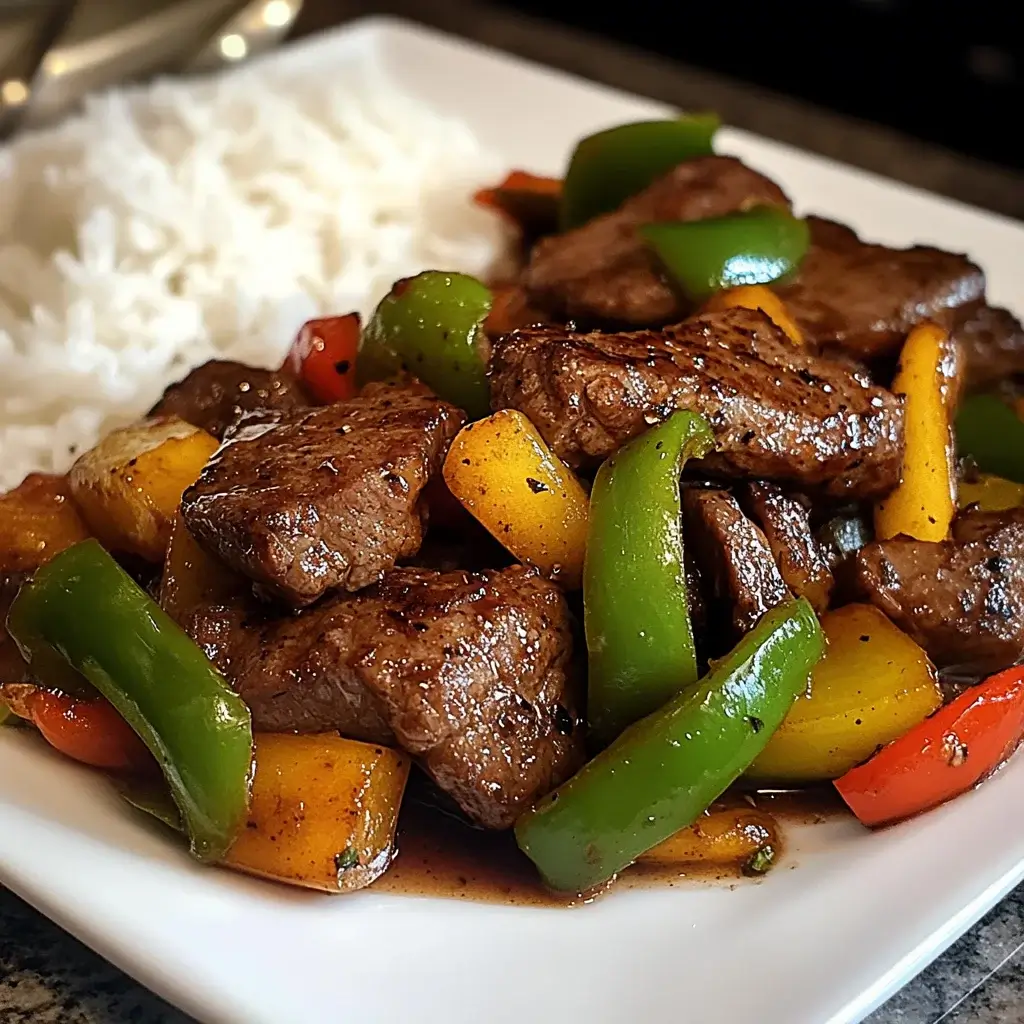
There are some dishes that just scream “comfort food” with an “easy weeknight win” badge, and Pepper Steak is definitely one of them for our family. I remember the first time I attempted it, I was a bit intimidated by the stir-fry process, worried I’d end up with tough beef or soggy veggies. But with a few key techniques – like properly slicing the beef and not overcrowding the pan – it transformed into one of my most requested meals. My kids, who can be notoriously picky about “mixed” dishes, actually devour this. The combination of tender, savory beef, crisp-tender bell peppers, and that rich, glossy sauce served over fluffy rice? It’s pure magic. It smells incredible while cooking, and the vibrant colors make it look as good as it tastes. It’s our go-to when we crave something akin to Chinese takeout, but want it fresher, healthier, and ready in under 30 minutes of active cooking time.
Why This Pepper Steak Recipe is a Weeknight Winner
Pepper Steak is a beloved classic for a reason. This particular recipe elevates the simple stir-fry into a dish that’s bursting with flavor, texture, and visual appeal, making it an ideal candidate for your regular meal rotation. Here’s why it stands out:
Firstly, it’s remarkably quick and easy to prepare. Once your ingredients are prepped (the “mise en place”), the actual cooking process is incredibly fast, usually under 15 minutes. This makes it perfect for busy weeknights when you want a satisfying, home-cooked meal without spending hours in the kitchen.
Secondly, the flavor profile is perfectly balanced. The savory depth from the soy sauce and beef broth, the aromatic kick from fresh ginger and garlic, a hint of sweetness to round it out, and the natural sweetness of the bell peppers all come together in a harmonious sauce that coats every piece of beef and vegetable. It’s savory, slightly sweet, and utterly addictive.
Thirdly, it focuses on tender beef and crisp-tender vegetables. The recipe includes tips on selecting the right cut of beef and slicing it thinly against the grain, along with a quick velveting-style marinade, which ensures the beef is wonderfully tender. The stir-frying technique aims to cook the vegetables quickly so they retain some of their bite and vibrant color, avoiding the dreaded sogginess.
Finally, it’s highly customizable. While the classic combination of beef and bell peppers is fantastic, you can easily adapt this recipe to include other vegetables you have on hand, like broccoli, mushrooms, or snap peas. You can also adjust the spice level to your liking. This versatility means you can tweak it to suit your family’s preferences and what’s in season, ensuring it never gets boring. It’s a satisfying, wholesome dish that brings the best of stir-fry cooking to your home kitchen.
The Perfect Cut: Choosing Your Steak for Pepper Steak
The success of a great Pepper Steak heavily relies on the cut of beef you choose and how you prepare it. Because this is a quick-cooking stir-fry, you need a cut that is relatively tender and can be sliced thinly. Here are the top contenders:
- Flank Steak: This is a very popular and arguably classic choice for Pepper Steak. It’s a lean cut with a pronounced beefy flavor and long muscle fibers. The key is to slice it very thinly against the grain. This shortens the muscle fibers, making it significantly more tender when cooked.
- Sirloin Steak (Top Sirloin): Another excellent option. Sirloin is generally more tender than flank steak and offers a good balance of flavor and tenderness without being overly expensive. It’s also relatively easy to slice thinly.
- Skirt Steak: Similar to flank steak in terms of its prominent grain and rich flavor, skirt steak is also a good choice if sliced thinly against the grain. It can be slightly more fatty than flank, which can add to its flavor and juiciness.
- Flat Iron Steak: This cut comes from the chuck (shoulder) but is surprisingly tender and well-marbled. It has a robust beefy flavor and works well in stir-fries when sliced thinly.
- Beef Tenderloin (Filet Mignon): If you’re feeling indulgent, tenderloin will yield incredibly tender results. However, it’s much pricier and its mild flavor might be overshadowed by the robust sauce, making other cuts more cost-effective.
Cuts to Be Cautious With (or Avoid for this Method):
Tougher cuts like chuck roast, round steak, or brisket are generally not suitable for quick stir-frying unless they undergo significant tenderization processes (like long braising, which isn’t the goal here). Pre-cut “stew meat” should also be avoided as it’s often from various tougher cuts and won’t become tender with quick cooking.
Essential Preparation – Slicing Against the Grain:
No matter which cut you choose, the most crucial step is slicing it thinly (about 1/8 to 1/4 inch thick) against the grain.
- Identify the Grain: Look at the steak and you’ll see the muscle fibers running in a specific direction. This is the “grain.”
- Slice Across: Your knife should cut perpendicular to these fibers. This shortens them, making the meat much more tender to chew. If you slice with the grain, you’ll end up with long, chewy strands of meat.
- Partially Freezing Tip: To make slicing thinly easier, you can place the steak in the freezer for 20-30 minutes before slicing. This firms it up, allowing for more precise cuts.
A little attention to selecting and preparing your beef will pay huge dividends in the final texture of your Pepper Steak.
The Colorful Chorus: Selecting Your Peppers and Onions
The “pepper” in Pepper Steak is, of course, a star component, and the onions provide an aromatic and flavorful base. Choosing and preparing these vegetables correctly contributes significantly to the dish’s overall appeal.
Bell Peppers – A Rainbow of Flavors and Nutrients:
The most common pepper used is the green bell pepper. It has a slightly grassy, mildly bitter flavor that offers a good contrast to the savory beef and rich sauce. However, incorporating other colors not only makes the dish more visually stunning but also introduces different flavor nuances and nutritional benefits:
- Red Bell Peppers: These are fully ripened green bell peppers. They are the sweetest of the bunch and have a mild, fruity flavor. They are also packed with Vitamin C and antioxidants like beta-carotene.
- Yellow Bell Peppers: These fall between green and red in terms of sweetness. They have a milder, sweeter taste than green peppers but are less fruity than red ones. They add a beautiful sunny color.
- Orange Bell Peppers: Similar to yellow peppers, orange ones are sweet and fruity, offering another vibrant hue to your dish.
For the best Pepper Steak, consider using a combination of at least two different colored bell peppers. A mix of green and red is classic, but green, red, and yellow/orange creates an even more appealing and complex dish.
Onions – The Aromatic Foundation:
Onions are crucial for building the flavor base of the stir-fry.
- Yellow Onions: These are the all-purpose workhorse. They have a good balance of astringency and sweetness when cooked, becoming milder and sweeter.
- White Onions: These are often sharper and more pungent than yellow onions when raw, but they also mellow out nicely when cooked. They have a crisp texture.
- Sweet Onions (like Vidalia or Walla Walla): These have a higher sugar content and lower sulfur content, making them much milder and sweeter. They can be a good choice if you prefer a less assertive onion flavor.
Preparation of Peppers and Onions:
- Bell Peppers: Wash the peppers thoroughly. Cut them in half lengthwise, remove the stem, seeds, and white pithy membranes. Then, slice them into strips about 1/4 to 1/2 inch thick. You can also cut them into 1-inch squares if you prefer a chunkier texture.
- Onions: Peel the onion, cut it in half pole-to-pole, and then slice it into wedges or strips of a similar thickness to your pepper strips.
Uniformity in slicing ensures even cooking, so all your vegetables reach that desirable crisp-tender state at the same time.
Crafting the Signature Sauce: The Flavor Foundation
The sauce is arguably what makes Pepper Steak so irresistible. It’s a delicate balance of savory, sweet, and aromatic elements that coats the tender beef and crisp vegetables, bringing the whole dish together. Here’s a breakdown of the key components in a classic Pepper Steak sauce:
- Soy Sauce (The Umami Base): This is the cornerstone, providing essential saltiness and a deep, savory (umami) flavor.
- Light Soy Sauce (or All-Purpose): Used for its primary salting and flavor.
- Dark Soy Sauce (Optional): Sometimes a small amount is added for a richer color and a slightly molasses-like sweetness, but it’s more potent, so use sparingly.
- Beef Broth/Stock (The Body): This adds liquid volume to the sauce and reinforces the beefy flavor. Low-sodium broth is recommended so you can control the overall saltiness. Water can be used in a pinch, but broth adds more depth.
- Oyster Sauce (The Secret Weapon – Optional but Recommended): This thick, savory sauce (which doesn’t strongly taste of oysters) adds incredible umami, a subtle sweetness, and a glossy sheen to the stir-fry. It’s a common ingredient in many Chinese-American dishes for good reason.
- Aromatics (The Fragrance):
- Fresh Ginger: Provides a warm, pungent, and slightly spicy kick. Grated or finely minced is best.
- Fresh Garlic: Offers its signature pungent, savory aroma and taste. Finely minced or pressed.
- Sweetener (The Balance): A touch of sugar (granulated, brown, or even honey/maple syrup) helps to balance the saltiness of the soy sauce and the acidity that might come from other ingredients. It also enhances the overall flavor complexity.
- Cornstarch (The Thickener): This is what gives the sauce its characteristic glossy, thickened consistency that clings beautifully to the meat and vegetables. It’s typically mixed with a little cold water or broth to create a “slurry” before being added to the stir-fry, which prevents lumps.
- Toasted Sesame Oil (The Finishing Touch): Added at the very end of cooking (off-heat), toasted sesame oil imparts a wonderful nutty aroma and flavor. A little goes a long way.
- Rice Vinegar (Optional Acidity): A splash of rice vinegar can brighten the sauce and add a subtle tang, cutting through the richness.
When these ingredients are combined and cooked correctly, they create a sauce that is more than the sum of its parts – it’s the soul of the Pepper Steak. The key is to have your sauce ingredients pre-mixed and ready to go before you start stir-frying, as the cooking process is very fast.
Gather Your Ingredients: Complete Pepper Steak Recipe
Here’s what you’ll need to create this delicious Pepper Steak at home:
For the Steak & Marinade:
- 1.5 lbs (approx. 680g) flank steak, sirloin steak, or skirt steak
- 1 tablespoon low-sodium soy sauce
- 1 tablespoon Shaoxing rice wine (or dry sherry)
- 1 teaspoon cornstarch
- 1/2 teaspoon baking soda (optional, for extra tenderizing or “velveting”)
- 1/4 teaspoon black pepper
For the Stir-Fry Sauce:
- 1/2 cup low-sodium beef broth
- 1/4 cup low-sodium soy sauce
- 2 tablespoons oyster sauce (optional, but highly recommended)
- 1 tablespoon brown sugar (packed)
- 1 tablespoon cornstarch
- 1 teaspoon toasted sesame oil
For the Vegetables & Aromatics:
- 1 tablespoon cooking oil (avocado, canola, or vegetable oil)
- 1 large green bell pepper, seeded and sliced into strips
- 1 large red bell pepper, seeded and sliced into strips
- (Optional: 1 yellow or orange bell pepper, seeded and sliced into strips)
- 1 medium yellow onion, sliced into wedges or strips
- 3-4 cloves garlic, minced (about 1 tablespoon)
- 1 tablespoon fresh ginger, grated or minced
- Cooked white or brown rice, for serving
- Optional garnish: Toasted sesame seeds, sliced green onions
Step-by-Step to Deliciousness: Pepper Steak Instructions
- Prepare the Steak: Pat the steak dry with paper towels. Slice it thinly (about 1/8 to 1/4 inch thick) against the grain. Place the sliced steak in a medium bowl.
- Marinate the Steak: To the bowl with the steak, add 1 tablespoon soy sauce, Shaoxing rice wine, 1 teaspoon cornstarch, optional baking soda, and black pepper. Toss well to coat every piece. Let it marinate at room temperature for at least 15-20 minutes (or up to 30 minutes in the fridge). The baking soda is a velveting technique that helps tenderize the meat.
- Prepare the Stir-Fry Sauce: In a small bowl, whisk together the beef broth, 1/4 cup soy sauce, oyster sauce (if using), brown sugar, and 1 tablespoon cornstarch until the cornstarch is fully dissolved. Stir in the toasted sesame oil. Set aside.
- Prepare Vegetables and Aromatics: Ensure all your bell peppers and onion are sliced, and garlic and ginger are minced/grated. Having everything prepped (mise en place) is key for a successful stir-fry.
- Sear the Steak: Heat 1/2 tablespoon of the cooking oil in a large skillet, wok, or flat-bottomed pan over medium-high to high heat until the oil is shimmering. Add half of the marinated steak in a single layer (do not overcrowd the pan). Cook for 1-2 minutes per side, until nicely browned but not cooked all the way through. Remove the steak from the pan and set aside on a plate. Repeat with the remaining 1/2 tablespoon oil and the rest of the steak.
- Stir-Fry Aromatics & Vegetables: Add the remaining cooking oil to the same pan if needed (if it looks dry). Add the sliced onions and cook for 2-3 minutes, stirring occasionally, until they begin to soften. Add the minced garlic and ginger and cook for another 30 seconds to 1 minute until fragrant, stirring constantly to prevent burning.
- Add Bell Peppers: Add all the sliced bell peppers to the pan. Stir-fry for 3-5 minutes, until they are crisp-tender (softened but still with a slight bite).
- Combine and Thicken: Give the prepared stir-fry sauce a quick whisk (as the cornstarch may have settled) and pour it into the pan with the vegetables. Bring the sauce to a simmer, stirring constantly. It will begin to thicken within a minute or two.
- Return Steak to Pan: Add the seared steak (and any accumulated juices from the plate) back into the pan with the vegetables and sauce. Toss everything together to coat evenly and allow the steak to heat through, about 1-2 minutes.
- Serve: Once the sauce has thickened to your liking and everything is heated through, remove from heat. Serve immediately over hot cooked rice. Garnish with toasted sesame seeds or sliced green onions, if desired.
Nutritional Snapshot: What’s in Your Pepper Steak?
Servings: This recipe makes approximately 4-6 servings.
Calories per serving (approximate): Around 350-450 calories per serving (excluding rice).
Please note: This is an estimation. The exact nutritional content can vary based on:
- The specific cut and leanness of the beef used.
- The precise amounts of oil, sugar, and sauces used.
- Serving size.
- Whether or not you serve it with rice, and the type/quantity of rice.
General Breakdown per Serving (Estimated, excluding rice):
- Protein: High (from beef)
- Fat: Moderate (from beef and cooking oil)
- Carbohydrates: Moderate (from vegetables, cornstarch, and sugar in the sauce)
- Sodium: Can be high due to soy sauce and oyster sauce. Using low-sodium versions helps.
- Vitamins & Minerals: Good source of iron, zinc, B vitamins (from beef), and Vitamin C, Vitamin A (from bell peppers).
This Pepper Steak recipe offers a good balance of protein and colorful vegetables. To make it a more complete and balanced meal, serve with whole grain rice or quinoa and be mindful of portion sizes.
Timing is Everything: Preparation and Cooking Time
Understanding the timeline will help you fit this delicious Pepper Steak into your busy schedule.
- Steak Preparation (Slicing): 10-15 minutes (can be quicker if steak is partially frozen)
- Steak Marinating Time: 15-20 minutes (hands-off)
- Vegetable & Aromatics Preparation (Chopping/Mincing): 10-15 minutes
- Sauce Preparation: 2-3 minutes
- Actual Cooking Time (Stir-frying): 10-15 minutes
- Searing steak: 3-5 minutes (in batches)
- Cooking aromatics & veggies: 5-8 minutes
- Adding sauce & finishing: 2-3 minutes
Total Active Preparation & Cooking Time: Approximately 35-50 minutes
Total Hands-Off Marinating Time: 15-20 minutes
Summary for Planning:
- Start by slicing and marinating the steak (15 mins active prep, then 15-20 mins wait).
- During the marinating time, prep all your vegetables, aromatics, and the stir-fry sauce (15-20 mins active).
- Once everything is prepped (“mise en place”), the actual cooking is very fast (10-15 mins).
This makes Pepper Steak an excellent choice for a weeknight meal. You can even slice the steak and vegetables a day in advance and store them separately in airtight containers in the refrigerator to save more time.
Serving Suggestions: How to Enjoy Your Pepper Steak
Pepper Steak is incredibly versatile when it comes to serving. Here are some popular and delicious ways to enjoy it:
- Over Steamed Rice:
- White Rice: Fluffy steamed white rice (Jasmine or Basmati) is the classic accompaniment. It soaks up the savory sauce beautifully.
- Brown Rice: For a healthier, whole-grain option with a nuttier flavor and chewier texture.
- Cauliflower Rice: For a low-carb, keto-friendly alternative.
- With Noodles:
- Lo Mein Noodles: Toss the Pepper Steak with cooked lo mein noodles for a complete one-bowl meal.
- Rice Noodles (Vermicelli or Flat): These offer a different texture and are gluten-free.
- In Lettuce Wraps:
- Serve the Pepper Steak mixture in crisp lettuce cups (like butter lettuce or iceberg) for a lighter, low-carb option. This makes for a fun, interactive meal.
- As a Filling for Bao Buns:
- Steamed bao buns can be filled with the Pepper Steak for a delightful Asian-inspired sandwich.
- Alongside Other Asian-Inspired Dishes:
- If you’re making a larger spread, Pepper Steak pairs well with dishes like:
- Egg Drop Soup
- Spring Rolls or Egg Rolls
- Steamed or Stir-Fried Greens (like bok choy or broccoli)
- If you’re making a larger spread, Pepper Steak pairs well with dishes like:
- With Quinoa:
- Another healthy grain option that provides a complete protein.
- Garnishes to Elevate:
- Toasted Sesame Seeds: Add a nutty crunch and visual appeal.
- Sliced Green Onions (Scallions): Provide a fresh, mild oniony bite.
- Fresh Cilantro: For those who enjoy its bright, herbaceous flavor.
- A Drizzle of Chili Oil or Sriracha: For an extra kick of heat.
No matter how you choose to serve it, the rich flavors of the Pepper Steak are sure to shine through, making it a satisfying and enjoyable meal.
Pro Tips for Pepper Steak Perfection: Additional Tips
Elevate your Pepper Steak from simply good to truly exceptional with these five professional tips:
- Don’t Skip the Marinade (Especially the Cornstarch & Baking Soda): The combination of soy sauce, Shaoxing wine, and especially cornstarch in the marinade helps to “velvet” the beef. The cornstarch creates a very light coating that protects the beef from the high heat of the wok, keeping it tender and juicy, and helping it brown nicely. The optional baking soda further tenderizes by raising the pH of the meat’s surface.
- High Heat & Don’t Overcrowd the Pan: Stir-frying requires high heat to achieve that characteristic “wok hei” (breath of the wok) flavor and to sear the ingredients quickly without steaming them. If you overcrowd the pan, the temperature will drop, and your beef will steam and turn grey instead of browning, and vegetables will become soggy. Cook the beef in batches if necessary.
- Mise en Place is Non-Negotiable: Stir-frying happens very fast. Once you start, there’s no time to stop and chop an onion or measure out soy sauce. Have ALL your ingredients (sliced meat, chopped veggies, pre-mixed sauce, aromatics) prepped and within arm’s reach before you turn on the heat.
- Slice Beef Uniformly and Against the Grain: This cannot be stressed enough. Slicing thinly (1/8 to 1/4 inch) and against the muscle fibers is crucial for tender beef. Uniform slices also ensure even cooking. Partially freezing the beef for 20-30 minutes makes it much easier to get those thin, even slices.
- Control Your Sauce Consistency: The cornstarch slurry in the sauce is what thickens it. If your sauce is too thin after adding it, let it simmer a bit longer, or whisk a little more cornstarch with cold water and add it gradually. If it gets too thick, stir in a tablespoon or two of beef broth or water to thin it out until it reaches a nice, glossy consistency that coats the ingredients without being goopy.
Mastering these tips will ensure your Pepper Steak has perfectly tender beef, crisp-tender vegetables, and a beautifully balanced, glossy sauce every single time.
Beyond the Classic: Pepper Steak Variations
While the traditional Pepper Steak is a masterpiece in its own right, its fundamental structure lends itself beautifully to a variety of creative twists. Once you’re comfortable with the basic recipe, feel free to experiment:
- Vegetable Variations:
- Broccoli Pepper Steak: Add broccoli florets along with the bell peppers. They add a nice crunch and nutritional boost.
- Mushroom Pepper Steak: Incorporate sliced mushrooms (cremini, shiitake, or button) for an earthy depth. Sauté them after the onions or alongside the peppers.
- Snow Pea or Snap Pea Pepper Steak: These add a delightful sweetness and crispness. Add them towards the end of the vegetable cooking time as they cook quickly.
- Baby Corn & Water Chestnut Pepper Steak: For a more classic Chinese-American takeout vibe, add these for texture.
- Spice it Up:
- Spicy Pepper Steak: Add a teaspoon or two of Sriracha, chili garlic sauce, or gochujang (Korean chili paste) to the stir-fry sauce. Alternatively, toss in a few dried red chili peppers or fresh sliced jalapeños with the aromatics. A pinch of red pepper flakes also works.
- Protein Swaps:
- Chicken Pepper “Steak”: Use thinly sliced chicken breast or thigh meat. The cooking time for chicken will be similar.
- Pork Pepper “Steak”: Thinly sliced pork tenderloin or loin can be a delicious alternative.
- Tofu or Tempeh Pepper “Steak” (Vegetarian/Vegan): Use firm or extra-firm tofu (pressed and cubed) or tempeh slices. Pan-fry them until golden before adding to the stir-fry, or marinate and cook them much like the beef. Ensure your oyster sauce is a vegetarian version or omit it.
- Sauce Enhancements:
- Black Bean Sauce: Add a tablespoon of fermented black bean sauce (minced) for a pungent, savory kick.
- Hoisin Glaze: Whisk in a tablespoon or two of hoisin sauce for a sweeter, more complex flavor profile.
- Pineapple Pepper Steak: Add pineapple chunks along with the peppers and a splash of pineapple juice to the sauce for a sweet and tangy Hawaiian twist.
- Citrus Zest:
- A bit of fresh orange or lime zest added to the sauce or as a garnish can brighten the flavors considerably.
The key is to maintain the balance of savory, sweet, and aromatic elements while introducing new textures and flavors. Don’t be afraid to use this recipe as a template for your own culinary explorations!
Your Pepper Steak Questions Answered: FAQ
Here are answers to some commonly asked questions about making Pepper Steak:
- Q: My beef always turns out tough. What am I doing wrong?
A: Several factors can lead to tough beef:- Wrong Cut: Using an inherently tough cut not suitable for stir-frying.
- Slicing With the Grain: Always slice thinly against the muscle fibers.
- Skipping the Marinade: The cornstarch and optional baking soda in the marinade significantly tenderize the beef.
- Overcooking: Beef cooks very quickly when sliced thinly. Sear it briefly in batches and then add it back at the end just to heat through with the sauce.
- Overcrowding the Pan: This lowers the temperature, causing the beef to steam rather than sear, which can make it tough.
- Q: Can I make Pepper Steak ahead of time?
A: While Pepper Steak is best enjoyed freshly cooked for optimal texture (especially the vegetables), you can do a lot of prep work ahead:- Slice the beef and marinate it up to a few hours in advance (refrigerated).
- Chop all the vegetables and store them in an airtight container in the fridge.
- Whisk together the sauce ingredients and store covered in the fridge.
With all this done, the actual cooking process will take only 10-15 minutes. Leftovers can be stored in an airtight container in the refrigerator for 2-3 days and reheated gently.
- Q: My sauce is too thin or too thick. How can I fix it?
A: This is easily adjustable:- Too Thin: If the sauce isn’t thickening enough, ensure it has come to a good simmer (cornstarch needs heat to activate). If it’s still too thin, make a small slurry of 1 teaspoon cornstarch mixed with 1 tablespoon cold water. Gradually whisk this into the simmering sauce until it reaches your desired consistency.
- Too Thick: If the sauce becomes too thick or gloopy, simply stir in a tablespoon or two of beef broth or water until it thins out to your liking.
- Q: Can I use frozen bell peppers for this recipe?
A: You can, but fresh bell peppers are highly recommended for the best texture. Frozen bell peppers tend to release more water when cooked and can become softer or mushier than fresh ones. If using frozen, add them directly to the pan without thawing, and you may need to cook them for a slightly shorter time or drain off any excess liquid. - Q: What’s the best oil to use for stir-frying Pepper Steak?
A: You need an oil with a high smoke point because stir-frying is done at high temperatures. Good choices include:- Avocado oil
- Canola oil
- Grapeseed oil
- Peanut oil
- Vegetable oil
Avoid oils with low smoke points like extra virgin olive oil for the main stir-frying, though a drizzle of toasted sesame oil is added at the end for flavor, not for high-heat cooking.
The Simple Joy of a Perfect Stir-Fry
Pepper Steak is more than just a quick meal; it’s a testament to the magic that happens when simple, fresh ingredients are treated with a bit of technique and care. The sizzle in the pan, the aroma of garlic and ginger hitting hot oil, the vibrant colors of the peppers – it’s a sensory experience that culminates in a truly satisfying dish. It’s a recipe that proves you don’t need complicated steps or exotic ingredients to create something deeply flavorful and enjoyable.
Whether you’re a seasoned cook or just starting your culinary journey, this Pepper Steak recipe is approachable, rewarding, and easily adaptable. It’s a fantastic way to bring the exciting flavors of Asian-inspired cuisine into your own kitchen, providing a wholesome and delicious meal that your whole family will appreciate. So, get your wok (or skillet) ready, and prepare to enjoy one of the most beloved stir-fry classics!
Print
Pepper Steak recipe
Ingredients
-
- 1.5 lbs (approx. 680g) flank steak, sirloin steak, or skirt steak
-
- 1 tablespoon low-sodium soy sauce
-
- 1 tablespoon Shaoxing rice wine (or dry sherry)
-
- 1 teaspoon cornstarch
-
- 1/2 teaspoon baking soda (optional, for extra tenderizing or “velveting”)
-
- 1/4 teaspoon black pepper
For the Stir-Fry Sauce:
-
- 1/2 cup low-sodium beef broth
-
- 1/4 cup low-sodium soy sauce
-
- 2 tablespoons oyster sauce (optional, but highly recommended)
-
- 1 tablespoon brown sugar (packed)
-
- 1 tablespoon cornstarch
-
- 1 teaspoon toasted sesame oil
For the Vegetables & Aromatics:
-
- 1 tablespoon cooking oil (avocado, canola, or vegetable oil)
-
- 1 large green bell pepper, seeded and sliced into strips
-
- 1 large red bell pepper, seeded and sliced into strips
-
- (Optional: 1 yellow or orange bell pepper, seeded and sliced into strips)
-
- 1 medium yellow onion, sliced into wedges or strips
-
- 3–4 cloves garlic, minced (about 1 tablespoon)
-
- 1 tablespoon fresh ginger, grated or minced
-
- Cooked white or brown rice, for serving
-
- Optional garnish: Toasted sesame seeds, sliced green onions
Instructions
-
- Prepare the Steak: Pat the steak dry with paper towels. Slice it thinly (about 1/8 to 1/4 inch thick) against the grain. Place the sliced steak in a medium bowl.
-
- Marinate the Steak: To the bowl with the steak, add 1 tablespoon soy sauce, Shaoxing rice wine, 1 teaspoon cornstarch, optional baking soda, and black pepper. Toss well to coat every piece. Let it marinate at room temperature for at least 15-20 minutes (or up to 30 minutes in the fridge). The baking soda is a velveting technique that helps tenderize the meat.
-
- Prepare the Stir-Fry Sauce: In a small bowl, whisk together the beef broth, 1/4 cup soy sauce, oyster sauce (if using), brown sugar, and 1 tablespoon cornstarch until the cornstarch is fully dissolved. Stir in the toasted sesame oil. Set aside.
-
- Prepare Vegetables and Aromatics: Ensure all your bell peppers and onion are sliced, and garlic and ginger are minced/grated. Having everything prepped (mise en place) is key for a successful stir-fry.
-
- Sear the Steak: Heat 1/2 tablespoon of the cooking oil in a large skillet, wok, or flat-bottomed pan over medium-high to high heat until the oil is shimmering. Add half of the marinated steak in a single layer (do not overcrowd the pan). Cook for 1-2 minutes per side, until nicely browned but not cooked all the way through. Remove the steak from the pan and set aside on a plate. Repeat with the remaining 1/2 tablespoon oil and the rest of the steak.
-
- Stir-Fry Aromatics & Vegetables: Add the remaining cooking oil to the same pan if needed (if it looks dry). Add the sliced onions and cook for 2-3 minutes, stirring occasionally, until they begin to soften. Add the minced garlic and ginger and cook for another 30 seconds to 1 minute until fragrant, stirring constantly to prevent burning.
-
- Add Bell Peppers: Add all the sliced bell peppers to the pan. Stir-fry for 3-5 minutes, until they are crisp-tender (softened but still with a slight bite).
-
- Combine and Thicken: Give the prepared stir-fry sauce a quick whisk (as the cornstarch may have settled) and pour it into the pan with the vegetables. Bring the sauce to a simmer, stirring constantly. It will begin to thicken within a minute or two.
-
- Return Steak to Pan: Add the seared steak (and any accumulated juices from the plate) back into the pan with the vegetables and sauce. Toss everything together to coat evenly and allow the steak to heat through, about 1-2 minutes.
-
- Serve: Once the sauce has thickened to your liking and everything is heated through, remove from heat. Serve immediately over hot cooked rice. Garnish with toasted sesame seeds or sliced green onions, if desired.
Nutrition
- Serving Size: one normal portion
- Calories: 350-450