
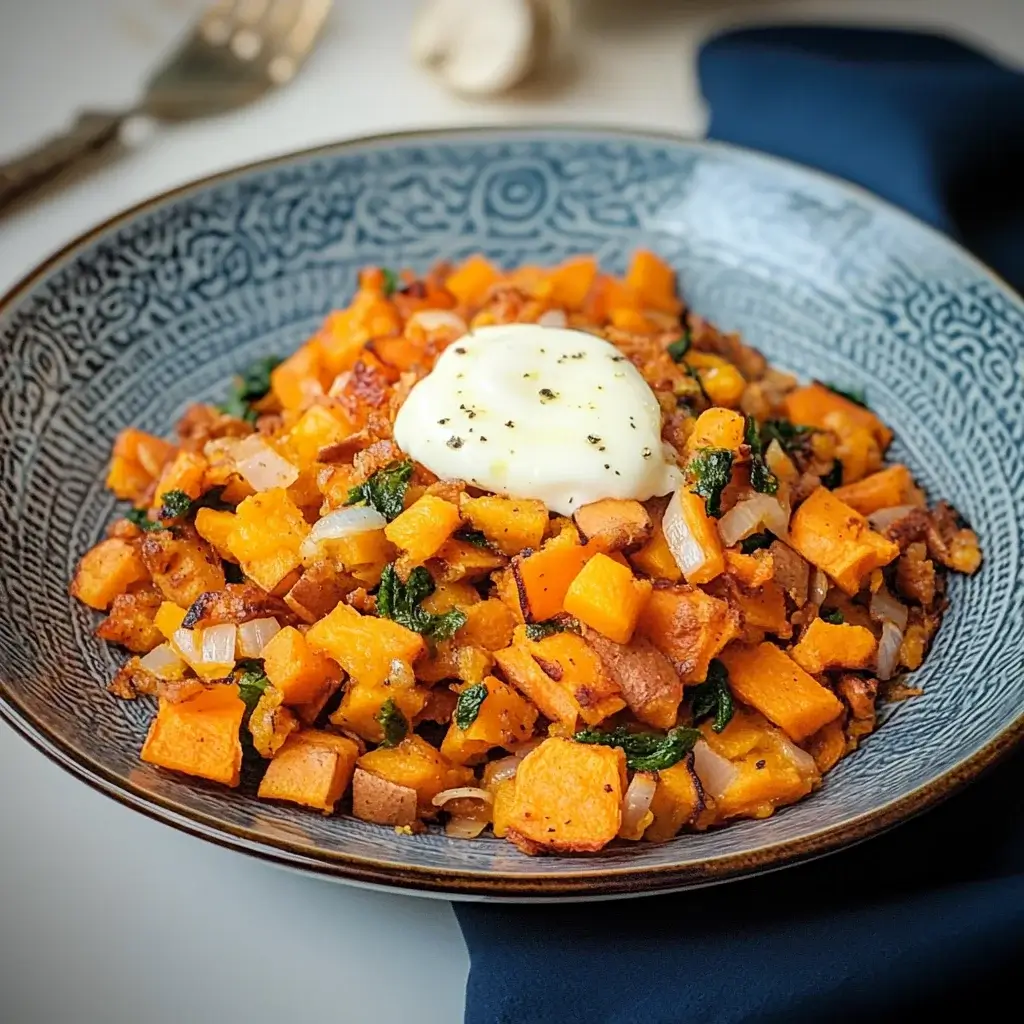
There’s a certain magic to a one-pan meal, isn’t there? The promise of delicious food with minimal cleanup is a siren song, especially on busy weeknights or lazy weekend mornings. For me, this One-Pan Sweet Potato Hash recipe has become the undisputed champion of easy, satisfying meals in my household. The first time I made it, drawn in by the vibrant colors and the simplicity, the aroma alone was enough to gather everyone in the kitchen. The sweet, earthy scent of roasting sweet potatoes mingling with savory onions and peppers, maybe a hint of smoky paprika… it’s intoxicating. When I finally slid those beautifully caramelized cubes onto plates, perhaps topped with a perfectly runny fried egg, the reaction was immediate delight. It wasn’t just “good,” it was “make-this-again-tomorrow good.” It hits all the right notes: slightly sweet, savory, customizable, and incredibly comforting. It’s become our go-to for everything from a hearty brunch that fuels hours of activity to a quick, nutritious dinner when energy levels are low. The beauty lies not just in its taste but in its adaptability – sometimes we add spicy sausage, other times black beans for a vegetarian twist, but the core combination of tender-sweet potatoes and savory veggies, all cooked together in that single glorious pan, remains the heart of its appeal. It’s proof that simple food, done well, can be truly spectacular.
Gather Your Ingredients: Building Blocks for the Perfect Hash
Creating this vibrant and flavorful One-Pan Sweet Potato Hash requires just a handful of readily available ingredients. The beauty of hash is its flexibility, but this core list provides a fantastic foundation. Quality ingredients will shine through, contributing to a more delicious final dish. This recipe is designed to yield approximately 4 servings.
Core Hash Ingredients:
- Sweet Potatoes: 2 large (about 1.5 – 2 lbs total) sweet potatoes, scrubbed well and diced into ½-inch cubes. You can peel them or leave the skin on for extra nutrients and texture – just ensure they are scrubbed thoroughly. Consistency in dicing ensures even cooking. Orange-fleshed varieties like Beauregard or Jewel are excellent choices.
- Onion: 1 medium yellow or red onion, diced (about 1 cup). Yellow onions offer a milder sweetness when cooked, while red onions provide a sharper bite and beautiful color.
- Bell Pepper: 1 large bell pepper (any color – red, yellow, or orange add sweetness and visual appeal), stemmed, seeded, and diced (about 1 cup). Green bell peppers can be used but offer a slightly more bitter flavor.
- Olive Oil or Avocado Oil: 2-3 tablespoons. Used for sautéing and helping the vegetables caramelize. Choose a good quality oil suitable for medium-high heat.
- Garlic: 2-3 cloves, minced. Adds an essential aromatic depth. Adjust quantity based on your love for garlic.
Seasonings & Flavor Enhancers:
- Salt: 1 teaspoon kosher salt, or more to taste. Essential for bringing out the flavors of all the ingredients.
- Black Pepper: 1/2 teaspoon freshly ground black pepper, or more to taste. Freshly ground offers superior flavor.
- Paprika: 1 teaspoon (sweet or smoked). Sweet paprika adds mild flavor and color, while smoked paprika lends a wonderful smoky depth reminiscent of bacon (great for vegetarian versions).
- Optional Spices (Choose one or a combination):
- Cumin: 1/2 teaspoon ground cumin (adds an earthy warmth).
- Chili Powder: 1/2 teaspoon (for a mild Southwestern kick).
- Cayenne Pepper: Pinch to 1/4 teaspoon (for noticeable heat).
- Dried Herbs: 1/2 teaspoon dried rosemary or thyme (pairs beautifully with sweet potatoes).
Optional Add-Ins & Toppings (Highly Recommended!):
- Protein:
- Eggs: 4 large eggs (for frying or poaching on top).
- Cooked Sausage: 1/2 lb cooked and crumbled breakfast sausage, chorizo (for spicy), or chicken/turkey sausage. Add during the last few minutes of cooking to heat through.
- Bacon: 4-6 slices cooked and crumbled bacon. Add at the end or use bacon fat to cook the hash.
- Black Beans: 1 can (15 oz) black beans, rinsed and drained (for a vegetarian/vegan protein boost). Add during the last 5 minutes.
- Tofu/Tempeh: Crumbled and sautéed extra-firm tofu or tempeh, seasoned well.
- Garnishes:
- Fresh Herbs: Chopped fresh cilantro, parsley, or chives.
- Avocado: Sliced or diced avocado.
- Cheese: Crumbled feta, goat cheese, or shredded cheddar/Monterey Jack.
- Sauce: Hot sauce, salsa, ketchup, or a drizzle of maple syrup (for a sweet & savory contrast).
- Creaminess: Dollop of sour cream, Greek yogurt, or vegan cashew cream.
Equipment Needed:
- Large Skillet: A 12-inch cast iron skillet is ideal for achieving great browning and heat retention. A large, heavy-bottomed non-stick or stainless steel skillet will also work. Ensure it’s oven-safe if you plan to finish eggs in the oven.
- Sharp Knife & Cutting Board: For dicing the vegetables.
- Spatula: A sturdy spatula (metal for cast iron/stainless, silicone/wood for non-stick) for stirring and flipping.
Having your vegetables prepped (mise en place) before you start cooking makes the one-pan process smooth and enjoyable. The key is consistent dicing for even cooking!
Step-by-Step Instructions: Cooking Your One-Pan Wonder
This recipe focuses on building layers of flavor in a single skillet. Follow these steps for a perfectly cooked sweet potato hash with tender vegetables and delicious caramelized edges.
Step 1: Prepare Your Ingredients (Mise en Place)
- Wash and Dice: Thoroughly scrub the sweet potatoes. Peel them if desired, or leave the skin on. Dice into uniform ½-inch cubes. Dice the onion and bell pepper into similar-sized pieces. Mince the garlic.
- Measure Spices: Have your salt, pepper, paprika, and any optional spices measured and ready nearby.
- Prepare Add-Ins: If using sausage or bacon, ensure it’s cooked and crumbled. Rinse and drain black beans if using. Have eggs ready if planning to add them. Chop fresh herbs for garnish.
Step 2: Heat the Skillet and Sauté Aromatics
- Heat Oil: Place your large skillet over medium-high heat. Add the 2-3 tablespoons of olive oil or avocado oil and allow it to heat up until shimmering slightly (but not smoking).
- Sauté Onion and Pepper: Add the diced onion and bell pepper to the hot skillet. Stir immediately to coat with oil. Cook, stirring occasionally, for about 5-7 minutes, until the vegetables begin to soften and the onion becomes translucent. This step builds a crucial flavor base.
Step 3: Add Sweet Potatoes and Season
- Introduce Sweet Potatoes: Add the diced sweet potatoes to the skillet with the onions and peppers. Stir everything together well to distribute the vegetables evenly.
- Season Generously: Sprinkle the salt, black pepper, paprika, and any other chosen spices (cumin, chili powder, cayenne, dried herbs) over the vegetables. Stir again thoroughly to ensure the sweet potatoes and veggies are evenly coated with oil and seasonings.
Step 4: Cook the Hash (The Patience Part!)
- Initial Cook (Uncovered): Spread the vegetable mixture in an even layer across the bottom of the skillet. Let it cook undisturbed for 5-7 minutes. This allows the bottom layer to develop some browning and caramelization – resist the urge to stir constantly at this stage!
- Stir and Continue: Use your spatula to scrape the bottom of the pan and flip/stir the hash mixture.
- Cover to Steam (Optional but Recommended): Reduce the heat slightly to medium. Place a lid on the skillet (or cover tightly with foil). Let the hash cook, covered, for another 8-10 minutes. The trapped steam helps the sweet potatoes cook through and become tender more quickly.
- Uncover and Crisp: Remove the lid. Increase the heat back to medium-high if needed. Continue cooking, stirring occasionally (every few minutes), for another 5-10 minutes, or until the sweet potatoes are fork-tender and nicely browned and slightly crispy in spots. Taste a piece to check for tenderness and seasoning, adding more salt or pepper if needed. The total cooking time for the sweet potatoes will be around 20-25 minutes depending on the size of your dice and the heat of your stove.
Step 5: Incorporate Add-Ins (If Using)
- Meat/Beans: If adding pre-cooked sausage, bacon, or rinsed black beans, stir them into the hash during the last 3-5 minutes of cooking, just long enough to heat them through.
- Eggs: If adding eggs:
- Fried/Over Easy: Create small wells (clearings) in the hash mixture using your spatula. Carefully crack an egg into each well. You can reduce the heat to medium-low, cover the skillet, and cook for 3-5 minutes, or until the egg whites are set but the yolks are still runny. Alternatively, you can carefully transfer the skillet to a preheated oven (375°F/190°C) for 5-7 minutes to cook the eggs.
- Scrambled: Push the hash to one side of the skillet. Add lightly beaten eggs to the empty side and scramble until just cooked. Then gently mix them into the hash.
- Poached: Poach eggs separately and serve on top of the finished hash.
Step 6: Garnish and Serve
- Final Touches: Once the hash is cooked and any add-ins/eggs are ready, remove the skillet from the heat.
- Garnish: Sprinkle generously with your chosen fresh herbs (cilantro, parsley, chives). Add sliced avocado, a dollop of sour cream/yogurt, crumbled cheese, or a drizzle of hot sauce or salsa, if desired.
- Serve Immediately: Sweet potato hash is best enjoyed hot, straight from the skillet. Divide among plates and dig in!
Enjoy the delicious results of your one-pan effort!
Nutritional Snapshot: Understanding Your Hash (Approximate)
Providing exact nutritional information for a customizable recipe like hash is challenging, as it depends heavily on the specific ingredients, portion sizes, and optional add-ins used. However, here’s an approximate breakdown to give you a general idea.
- Servings: This recipe typically yields 4 servings.
- Calories Per Serving (Approximate – Base Hash Only): A serving of the basic sweet potato, onion, and pepper hash (without protein, eggs, cheese, or heavy garnishes) cooked with 2-3 tbsp of olive oil is likely in the range of 250-350 calories.
Approximate Calorie Impact of Common Add-Ins (Per Serving):
- 1 Large Egg: +70-80 calories
- 2 oz Cooked Sausage: +150-200 calories (varies greatly by type)
- 1.5 Slices Cooked Bacon: +120-150 calories
- 1/4 Can Black Beans: +50-60 calories
- 1/4 Avocado: +80 calories
- 1 oz Feta Cheese: +75 calories
- 1 oz Cheddar Cheese: +115 calories
Therefore, a fully loaded serving (e.g., hash base + 1 egg + sausage/bacon + avocado/cheese) could easily range from 500-700+ calories.
Nutritional Highlights:
- Sweet Potatoes: Excellent source of Vitamin A (beta-carotene), Vitamin C, manganese, potassium, and dietary fiber.
- Onions & Peppers: Provide Vitamin C, various antioxidants, and fiber.
- Olive Oil: Source of healthy monounsaturated fats.
- Eggs/Sausage/Beans: Contribute significant protein.
- Fiber: This dish, especially with skin-on potatoes and beans, is a good source of fiber, promoting digestive health and satiety.
Disclaimer: This information is an estimate for informational purposes only. Specific brands, precise measurements, and optional additions will change the final nutritional values. Use an online calculator with your exact ingredients for a more precise analysis if needed. While potentially high in calories depending on additions, the base hash is nutrient-dense. Adjust add-ins and portion sizes based on your dietary goals.
Time Commitment: From Chopping Board to Plate
One of the appeals of this One-Pan Sweet Potato Hash is its relatively quick cooking time, making it feasible for various meals. Here’s a realistic breakdown:
- Preparation Time (Prep): 15 – 20 minutes
- This involves washing, scrubbing, peeling (if desired), and dicing the sweet potatoes, onion, and bell pepper. Mincing the garlic. Measuring spices. This is typically the most time-consuming part. Efficiency in chopping significantly impacts this time.
- Cooking Time (Cook): 20 – 30 minutes
- Sautéing onions and peppers (5-7 minutes).
- Cooking the sweet potatoes until tender and browned (15-20 minutes, including covered steaming time).
- Cooking eggs or heating through add-ins (3-5 minutes).
- Total Time: Approximately 35 – 50 minutes
Factors Influencing Time:
- Dicing Size: Smaller dice (e.g., closer to ¼-inch) will cook faster than larger ½-inch cubes. Consistency is key for even cooking.
- Stovetop Heat: How efficiently your burner heats and maintains temperature can affect cooking times.
- Skillet Type: Cast iron holds heat well, promoting good browning. Other materials might require slight adjustments in heat or time.
- Your Chopping Speed: Faster prep means less overall time. You can save time by using pre-cut vegetables if available, though fresh is often best.
Even with chopping, getting a hearty, flavorful, and relatively nutritious meal on the table in under an hour using just one pan makes this recipe a winner for many households.
How to Serve: Presenting Your Delicious Hash
Sweet potato hash is wonderfully versatile and can be served in numerous ways, adapting to different meals and preferences. Here are some ideas to inspire your presentation:
Classic Breakfast/Brunch Styles:
- The Crown Jewel: Serve the hash hot in shallow bowls or on plates, topped with one or two perfectly fried or poached eggs with runny yolks. The yolk creates a rich, delicious sauce when broken.
- Avocado Toast Adjacent: Serve alongside or topped with generous slices of fresh avocado and a sprinkle of flaky sea salt or everything bagel seasoning.
- With a Side of Toast: Offer buttered whole-wheat or sourdough toast for scooping up the hash and runny egg yolk.
Heartier Lunch/Dinner Options:
- Sausage or Bacon Loaded: Mix in cooked, crumbled breakfast sausage, spicy chorizo, or crispy bacon for a protein-packed meal.
- Vegetarian Power Bowl: Top the hash (made with black beans stirred in) with a dollop of Greek yogurt or sour cream, crumbled feta cheese, and extra cilantro.
- Breakfast-for-Dinner Star: Serve simply as is, perhaps with a side salad for freshness.
- Burrito or Taco Filling: Use the hash (potentially chopped slightly smaller) as a flavorful filling for warm tortillas to create breakfast burritos or tacos. Add salsa and cheese!
Enhancing Flavors & Textures:
- Herb Garden Finish: Generously sprinkle with chopped fresh cilantro, parsley, or chives just before serving for a burst of freshness and color.
- Cheese Please: Crumble feta or goat cheese over the warm hash, or melt shredded cheddar or Monterey Jack on top during the last minute of cooking (cover briefly to melt).
- Spice It Up: Offer hot sauce (like Cholula, Sriracha, or Tabasco), salsa, or pico de gallo on the side for those who like a kick.
- Sweet & Savory Drizzle: A very light drizzle of maple syrup can surprisingly enhance the sweetness of the potatoes and contrast with the savory elements.
- Cool & Creamy Contrast: A dollop of sour cream, plain Greek yogurt, or a vegan cashew/sunflower cream adds a lovely temperature and texture contrast.
Presentation Tips:
- Serve in the Skillet: For a rustic, family-style feel, bring the cast iron skillet directly to the table (on a trivet!).
- Individual Bowls: Portioning into individual bowls allows for personalized topping arrangements.
- Color Pop: Ensure you have colorful elements like red pepper, green herbs, or yellow egg yolks for visual appeal.
Experiment with these serving suggestions to find your favorite way to enjoy this versatile and delicious one-pan sweet potato hash!
Additional Tips for Hash Perfection
Take your One-Pan Sweet Potato Hash from good to truly great with these pro tips focused on texture and flavor:
- Uniform Dicing is Key: This might be the single most important tip for hash. Aim to cut your sweet potatoes, onions, and peppers into roughly the same size (around ½-inch cubes is standard). This ensures everything cooks evenly, preventing some pieces from becoming mushy while others are still hard. It takes a few extra minutes but pays off significantly in the final texture.
- Don’t Crowd the Pan: Giving your ingredients space in the skillet is crucial for achieving that desirable browning and slight crispiness. If the pan is too crowded, the vegetables will steam rather than sear, leading to a softer, potentially soggy hash. If necessary, cook in batches or use the largest skillet you have (a 12-inch is often ideal for this quantity). Spread the ingredients in a single layer as much as possible during the browning phases.
- Embrace the Maillard Reaction (Be Patient with Browning): Don’t stir constantly, especially during the initial cooking phases after adding the sweet potatoes. Allowing the potatoes and veggies to sit undisturbed against the hot pan surface for several minutes at a time encourages the Maillard reaction – the chemical process responsible for browning and creating deep, savory flavors. Let them develop a nice crust before flipping or stirring.
- Strategic Seasoning: Season the vegetables, especially the sweet potatoes, soon after they hit the pan. This allows the salt and spices to penetrate as they cook. However, always taste and adjust the seasoning at the end of cooking as well. Flavors concentrate as moisture evaporates, and add-ins like sausage or bacon bring their own saltiness.
- Master the Cover/Uncover Technique: Use a lid strategically. Covering the skillet for a portion of the cooking time (after the initial sear) traps steam, helping the dense sweet potatoes cook through more quickly and evenly until tender. Then, remove the lid for the final stage of cooking to allow excess moisture to evaporate and encourage further browning and crisping of the edges. This combination gives you the best of both worlds: tender interiors and nicely caramelized exteriors.
Following these tips will help you consistently achieve a sweet potato hash that boasts perfectly tender vegetables, delightful caramelized edges, and well-balanced flavor – all from one convenient pan!
Frequently Asked Questions (FAQ) About One-Pan Sweet Potato Hash
Here are answers to some common questions about making this versatile dish:
1. Can I use regular potatoes instead of sweet potatoes?
- Answer: Absolutely! You can substitute regular potatoes like Russets, Yukon Golds, or red potatoes. The process is largely the same.
- Russets: Tend to get fluffier and can crisp up nicely but may break down a bit more.
- Yukon Golds/Red Potatoes: Hold their shape better (waxy texture) and offer a creamier bite. They might take slightly longer to brown.
- The main difference will be flavor – you’ll lose the characteristic sweetness of sweet potatoes, resulting in a more traditional savory hash. Adjust seasonings accordingly; you might want slightly different spices (dill or rosemary work well with regular potatoes). Cooking time might vary slightly depending on the potato type and dice size.
2. Can I make this sweet potato hash ahead of time?
- Answer: Yes, sweet potato hash reheats quite well, making it great for meal prep. There are a couple of approaches:
- Full Meal Prep: Cook the entire hash (without eggs or delicate garnishes like avocado) as directed. Let it cool completely, then store it in an airtight container in the refrigerator for up to 3-4 days. Reheat portions in a skillet over medium heat (add a tiny bit of oil if needed) until warmed through, or reheat in the microwave. Cook eggs fresh when serving.
- Component Prep: To save time during busy mornings/evenings, you can pre-dice the sweet potatoes, onions, and peppers and store them in separate airtight containers in the fridge for 2-3 days. This cuts down significantly on prep time when you’re ready to cook.
3. How do I get the sweet potatoes crispy?
- Answer: Achieving truly crispy sweet potatoes in a hash can be tricky as they contain more sugar and moisture than regular potatoes. However, you can maximize browning and texture by:
- Using enough oil: Ensures good contact with the hot pan.
- Using a hot pan: Start with medium-high heat. Cast iron excels here.
- Not overcrowding: Give them space!
- Patience: Let them sit undisturbed to brown before stirring.
- Finishing uncovered: Cook uncovered for the last 5-10 minutes to evaporate moisture.
- Optional: Some people par-boil or roast the diced sweet potatoes separately first for extra crispiness, then add them to the sautéed onions/peppers. This adds a step but can improve crispness.
4. Can I make this recipe vegan or add different meats?
- Answer: Yes, it’s highly adaptable!
- Vegan: Ensure you use oil (not bacon fat). Omit eggs and dairy cheese/yogurt. Bulk it up with plant-based protein like rinsed black beans (add near the end), crumbled and seasoned extra-firm tofu or tempeh (sauté first or alongside veggies), or a vegan sausage alternative. Use vegan yogurt/sour cream or cashew cream for topping.
- Meat Variations: Beyond breakfast sausage and bacon, try cooked chorizo for spice, diced ham, leftover shredded chicken or pulled pork, or even ground beef/turkey (brown it first, drain fat, then proceed with veggies or cook alongside). Adjust seasonings based on the meat used.
5. Is One-Pan Sweet Potato Hash healthy?
- Answer: It certainly can be a very healthy and balanced meal!
- Base Benefits: Sweet potatoes are packed with vitamins (especially A & C) and fiber. Onions and peppers add more vitamins and antioxidants.
- Factors Affecting Healthiness: The overall health profile depends heavily on:
- Cooking Fat: Using moderate amounts of healthy oils like olive or avocado oil is better than excessive amounts or less healthy fats.
- Add-Ins: Loading up on high-fat sausage, bacon, and cheese will significantly increase calories, saturated fat, and sodium. Opting for lean protein (eggs, black beans, turkey sausage) and vegetable-based toppings (avocado, salsa, herbs) keeps it lighter.
- Portion Size: Be mindful of serving sizes.
- Overall, a hash focused on vegetables with lean protein and healthy fats is a nutritious choice, offering complex carbohydrates, fiber, vitamins, and protein.

One-Pan Sweet Potato Hash recipe
Ingredients
Core Hash Ingredients:
- Sweet Potatoes: 2 large (about 1.5 – 2 lbs total) sweet potatoes, scrubbed well and diced into ½-inch cubes. You can peel them or leave the skin on for extra nutrients and texture – just ensure they are scrubbed thoroughly. Consistency in dicing ensures even cooking. Orange-fleshed varieties like Beauregard or Jewel are excellent choices.
- Onion: 1 medium yellow or red onion, diced (about 1 cup). Yellow onions offer a milder sweetness when cooked, while red onions provide a sharper bite and beautiful color.
- Bell Pepper: 1 large bell pepper (any color – red, yellow, or orange add sweetness and visual appeal), stemmed, seeded, and diced (about 1 cup). Green bell peppers can be used but offer a slightly more bitter flavor.
- Olive Oil or Avocado Oil: 2-3 tablespoons. Used for sautéing and helping the vegetables caramelize. Choose a good quality oil suitable for medium-high heat.
- Garlic: 2-3 cloves, minced. Adds an essential aromatic depth. Adjust quantity based on your love for garlic.
Seasonings & Flavor Enhancers:
- Salt: 1 teaspoon kosher salt, or more to taste. Essential for bringing out the flavors of all the ingredients.
- Black Pepper: 1/2 teaspoon freshly ground black pepper, or more to taste. Freshly ground offers superior flavor.
- Paprika: 1 teaspoon (sweet or smoked). Sweet paprika adds mild flavor and color, while smoked paprika lends a wonderful smoky depth reminiscent of bacon (great for vegetarian versions).
- Optional Spices (Choose one or a combination):
- Cumin: 1/2 teaspoon ground cumin (adds an earthy warmth).
- Chili Powder: 1/2 teaspoon (for a mild Southwestern kick).
- Cayenne Pepper: Pinch to 1/4 teaspoon (for noticeable heat).
- Dried Herbs: 1/2 teaspoon dried rosemary or thyme (pairs beautifully with sweet potatoes).
Optional Add-Ins & Toppings (Highly Recommended!):
- Protein:
- Eggs: 4 large eggs (for frying or poaching on top).
- Cooked Sausage: 1/2 lb cooked and crumbled breakfast sausage, chorizo (for spicy), or chicken/turkey sausage. Add during the last few minutes of cooking to heat through.
- Bacon: 4-6 slices cooked and crumbled bacon. Add at the end or use bacon fat to cook the hash.
- Black Beans: 1 can (15 oz) black beans, rinsed and drained (for a vegetarian/vegan protein boost). Add during the last 5 minutes.
- Tofu/Tempeh: Crumbled and sautéed extra-firm tofu or tempeh, seasoned well.
- Garnishes:
- Fresh Herbs: Chopped fresh cilantro, parsley, or chives.
- Avocado: Sliced or diced avocado.
- Cheese: Crumbled feta, goat cheese, or shredded cheddar/Monterey Jack.
- Sauce: Hot sauce, salsa, ketchup, or a drizzle of maple syrup (for a sweet & savory contrast).
- Creaminess: Dollop of sour cream, Greek yogurt, or vegan cashew cream.
Equipment Needed:
- Large Skillet: A 12-inch cast iron skillet is ideal for achieving great browning and heat retention. A large, heavy-bottomed non-stick or stainless steel skillet will also work. Ensure it’s oven-safe if you plan to finish eggs in the oven.
- Sharp Knife & Cutting Board: For dicing the vegetables.
- Spatula: A sturdy spatula (metal for cast iron/stainless, silicone/wood for non-stick) for stirring and flipping.
Instructions
Step 1: Prepare Your Ingredients (Mise en Place)
- Wash and Dice: Thoroughly scrub the sweet potatoes. Peel them if desired, or leave the skin on. Dice into uniform ½-inch cubes. Dice the onion and bell pepper into similar-sized pieces. Mince the garlic.
- Measure Spices: Have your salt, pepper, paprika, and any optional spices measured and ready nearby.
- Prepare Add-Ins: If using sausage or bacon, ensure it’s cooked and crumbled. Rinse and drain black beans if using. Have eggs ready if planning to add them. Chop fresh herbs for garnish.
Step 2: Heat the Skillet and Sauté Aromatics
- Heat Oil: Place your large skillet over medium-high heat. Add the 2-3 tablespoons of olive oil or avocado oil and allow it to heat up until shimmering slightly (but not smoking).
- Sauté Onion and Pepper: Add the diced onion and bell pepper to the hot skillet. Stir immediately to coat with oil. Cook, stirring occasionally, for about 5-7 minutes, until the vegetables begin to soften and the onion becomes translucent. This step builds a crucial flavor base.
Step 3: Add Sweet Potatoes and Season
- Introduce Sweet Potatoes: Add the diced sweet potatoes to the skillet with the onions and peppers. Stir everything together well to distribute the vegetables evenly.
- Season Generously: Sprinkle the salt, black pepper, paprika, and any other chosen spices (cumin, chili powder, cayenne, dried herbs) over the vegetables. Stir again thoroughly to ensure the sweet potatoes and veggies are evenly coated with oil and seasonings.
Step 4: Cook the Hash (The Patience Part!)
- Initial Cook (Uncovered): Spread the vegetable mixture in an even layer across the bottom of the skillet. Let it cook undisturbed for 5-7 minutes. This allows the bottom layer to develop some browning and caramelization – resist the urge to stir constantly at this stage!
- Stir and Continue: Use your spatula to scrape the bottom of the pan and flip/stir the hash mixture.
- Cover to Steam (Optional but Recommended): Reduce the heat slightly to medium. Place a lid on the skillet (or cover tightly with foil). Let the hash cook, covered, for another 8-10 minutes. The trapped steam helps the sweet potatoes cook through and become tender more quickly.
- Uncover and Crisp: Remove the lid. Increase the heat back to medium-high if needed. Continue cooking, stirring occasionally (every few minutes), for another 5-10 minutes, or until the sweet potatoes are fork-tender and nicely browned and slightly crispy in spots. Taste a piece to check for tenderness and seasoning, adding more salt or pepper if needed. The total cooking time for the sweet potatoes will be around 20-25 minutes depending on the size of your dice and the heat of your stove.
Step 5: Incorporate Add-Ins (If Using)
- Meat/Beans: If adding pre-cooked sausage, bacon, or rinsed black beans, stir them into the hash during the last 3-5 minutes of cooking, just long enough to heat them through.
- Eggs: If adding eggs:
- Fried/Over Easy: Create small wells (clearings) in the hash mixture using your spatula. Carefully crack an egg into each well. You can reduce the heat to medium-low, cover the skillet, and cook for 3-5 minutes, or until the egg whites are set but the yolks are still runny. Alternatively, you can carefully transfer the skillet to a preheated oven (375°F/190°C) for 5-7 minutes to cook the eggs.
- Scrambled: Push the hash to one side of the skillet. Add lightly beaten eggs to the empty side and scramble until just cooked. Then gently mix them into the hash.
- Poached: Poach eggs separately and serve on top of the finished hash.
Step 6: Garnish and Serve
- Final Touches: Once the hash is cooked and any add-ins/eggs are ready, remove the skillet from the heat.
- Garnish: Sprinkle generously with your chosen fresh herbs (cilantro, parsley, chives). Add sliced avocado, a dollop of sour cream/yogurt, crumbled cheese, or a drizzle of hot sauce or salsa, if desired.
- Serve Immediately: Sweet potato hash is best enjoyed hot, straight from the skillet. Divide among plates and dig in!
Nutrition
- Serving Size: one normal portion
- Calories: 250-350 calories