
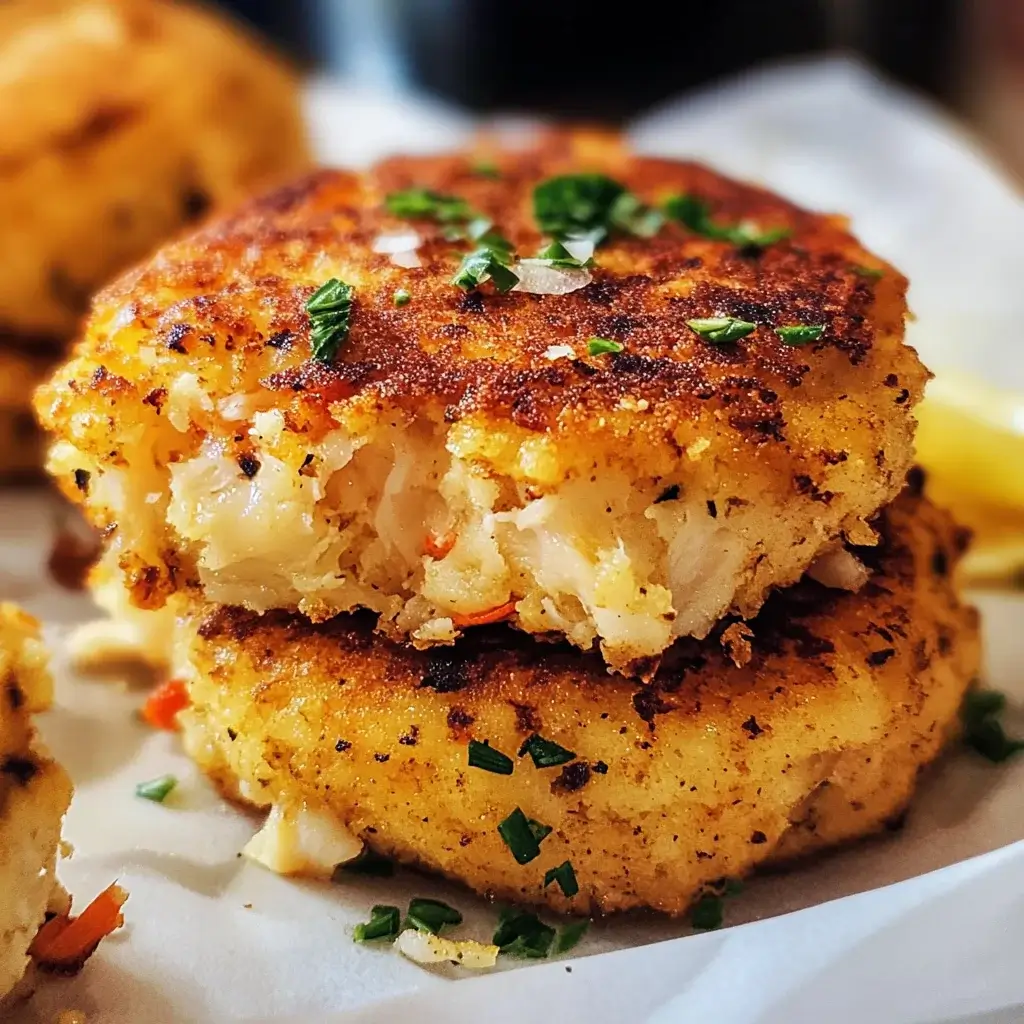
There are certain dishes that transport you. For me, an authentic Maryland crab cake does just that. It takes me back to a sun-drenched afternoon on the Chesapeake Bay, the air thick with the smell of saltwater and Old Bay seasoning. The first time I bit into a real Maryland crab cake – one that was bursting with sweet, delicate lump crab meat and just enough binder to hold it together – I was hooked. It wasn’t the breadcrumb-heavy patties I’d encountered elsewhere. This was different. This was an experience. My family, initially skeptical of my claims of a “life-changing” crab cake, were instant converts. The kids, who usually turn their noses up at seafood, devoured them, asking for seconds. My partner, a discerning foodie, declared them the best they’d ever had. This recipe isn’t just about food; it’s about creating those cherished memories, that taste of coastal tradition, right in your own kitchen. It’s a celebration of quality ingredients handled with respect, resulting in a dish that’s simple yet profoundly satisfying. I’ve tweaked and perfected this recipe over the years, always aiming to capture that authentic Maryland essence, and I’m thrilled to share it with you. Get ready to impress yourself and your loved ones!
The Legendary Maryland Crab Cake: History and Why It’s So Special
Before we dive into the recipe, let’s appreciate what makes a Maryland crab cake stand apart. The Chesapeake Bay, the largest estuary in the United States, has long been famed for its blue crabs (Callinectes sapidus). These crabs are the heart and soul of a true Maryland crab cake.
Historically, crab cakes emerged as a way to utilize the abundant crab meat harvested from the Bay. Native Americans and early European settlers both consumed crabs, but the “cake” form likely developed in the late 19th or early 20th century as a popular offering in homes and taverns along the Maryland coast.
What defines an “authentic” Maryland crab cake is a subject of passionate debate, but most purists agree on a few key principles:
- Lump Crab Meat is King: The star of the show should be large, succulent pieces of blue crab meat. While other grades can be used, jumbo lump or lump crab meat provides the best texture and flavor.
- Minimal Filler: Unlike many imitations, Maryland crab cakes use very little breading or filler. The binder is there purely to hold the delicate crab meat together, not to stretch the ingredients or mask the crab flavor. Too much filler is the cardinal sin of crab cake making!
- The Flavor Profile: Old Bay Seasoning is iconic and almost non-negotiable for many. Beyond that, a touch of mayonnaise, Dijon mustard, Worcestershire sauce, and perhaps a hint of lemon contribute to the classic taste.
- Gentle Handling: The crab meat should be folded gently with the other ingredients to keep those precious lumps intact.
These principles ensure that the sweet, delicate flavor of the blue crab shines through, making each bite a testament to the Bay’s bounty.
Choosing Your Star: Understanding Crab Meat Grades
The quality of your crab cake hinges almost entirely on the crab meat you choose. Navigating the different grades can be confusing, so here’s a quick guide:
- Jumbo Lump: This is the crème de la crème. These are the largest, whole pieces of white meat from the two large muscles connected to the swimming fins of the crab. It’s prized for its size, pristine white color, and delicate, sweet flavor. It’s also the most expensive. Ideal for crab cakes where you want impressive, large chunks.
- Lump: A blend of broken jumbo lump pieces and other large chunks of white body meat. It offers excellent flavor and texture, with noticeable pieces of crab, making it a very popular and slightly more affordable choice for high-quality crab cakes. This is often the sweet spot for authentic Maryland crab cakes.
- Backfin: Consists of smaller, broken pieces of lump crab meat and flakes of white body meat. It’s more delicate than lump but still has good flavor. It can be used in crab cakes, often mixed with lump for a balance of texture and cost.
- Special or White Meat: Flakes of white body meat, smaller than backfin. Good for dishes where crab meat is mixed with many other ingredients, like dips or casseroles. Not ideal as the primary meat for standout crab cakes.
- Claw Meat: This meat comes from the crab’s claws. It’s darker, brownish-pink in color, and has a stronger, more robust crab flavor than white meat. It’s also less expensive. While flavorful, its texture is stringier, and its stronger taste can overpower the delicate balance desired in a classic Maryland crab cake. Some people enjoy blending it with lump for a more intense flavor, but purists stick to white meat.
For this recipe, we strongly recommend using Lump crab meat. If your budget allows and you want an extra-luxurious experience, Jumbo Lump is fantastic. Always look for fresh, pasteurized crab meat, typically sold in plastic containers in the refrigerated seafood section. Avoid canned crab meat from the shelf, as its texture and flavor are vastly inferior for this application.
The Art of Binding: Less is More for Authentic Flavor
One of the biggest mistakes people make when attempting Maryland crab cakes is using too much binder or filler. The goal is not to create a bread patty with hints of crab; it’s to create a crab-centric delight where the binder plays a supporting role.
Why Minimal Binder?
- Highlights Crab Flavor: The sweet, delicate taste of quality crab meat is easily masked. Minimal binder ensures it remains the star.
- Texture: Too much breadcrumb or cracker meal results in a pasty, dense crab cake. You want to feel the tender flakes of crab, not a mouthful of bread.
- Tradition: Authentic Maryland crab cakes are renowned for their generous crab content.
Common Binders and Their Roles:
- Mayonnaise: Adds moisture, richness, and helps bind. Use good quality, full-fat mayo.
- Egg: Acts as a primary binding agent, helping the cakes hold their shape.
- Breadcrumbs or Cracker Crumbs: Provides a little structure. Panko breadcrumbs are excellent for a light, crispy exterior if frying, but for the internal binder, finely crushed saltine crackers or plain breadcrumbs are traditional. The key is just enough to absorb excess moisture and help hold things together.
- Mustard (Dijon or Dry): Adds a tangy counterpoint to the richness of the mayo and crab.
- Worcestershire Sauce: Provides umami depth.
- Old Bay Seasoning: The quintessential Maryland seafood spice blend. Its unique mix of celery salt, paprika, black pepper, cayenne, and other spices is crucial for that authentic flavor.
Remember, the mixture will seem loose. This is normal! Chilling the formed patties is a critical step that allows the binders to set and helps the crab cakes hold together during cooking.
The Authentic Maryland Crab Cake Recipe
This recipe focuses on maximizing crab flavor with minimal, yet effective, binding.
Yields: 6-8 standard-sized crab cakes
Prep time: 20 minutes
Chill time: At least 1 hour (preferably 2 hours, or up to overnight)
Cook time: 8-12 minutes
Ingredients:
- 1 pound fresh lump crab meat, picked over for shells and cartilage
- 1/4 cup mayonnaise (good quality, like Duke’s or Hellmann’s)
- 1 large egg, lightly beaten
- 1 tablespoon Dijon mustard
- 1 teaspoon Worcestershire sauce
- 1 teaspoon Old Bay Seasoning (or more, to taste)
- 1/4 teaspoon freshly ground black pepper
- Pinch of cayenne pepper (optional, for a little extra kick)
- 1/4 cup finely crushed saltine crackers (about 8-10 crackers) OR 1/4 cup plain fine breadcrumbs (Panko can be used for a lighter texture)
- 2 tablespoons finely chopped fresh parsley
- 1 tablespoon unsalted butter
- 1 tablespoon olive oil (or other neutral cooking oil)
- Lemon wedges, for serving
- Tartar sauce or cocktail sauce, for serving (optional)
Instructions:
- Prepare the Crab Meat: Gently place the lump crab meat in a medium bowl. Carefully pick through it to remove any stray pieces of shell or cartilage, being cautious not to break up the lumps too much. Set aside.
- Mix Wet Ingredients: In a separate small bowl, whisk together the mayonnaise, beaten egg, Dijon mustard, Worcestershire sauce, Old Bay Seasoning, black pepper, and optional cayenne pepper until well combined.
- Combine Gently: Pour the wet mixture over the crab meat. Add the crushed crackers (or breadcrumbs) and chopped parsley. Using a rubber spatula, gently fold the ingredients together until just combined. The key here is to be extremely gentle; you want to keep those beautiful lumps of crab intact. Do not overmix! The mixture will appear loose and wet – this is correct.
- Form the Patties: Lightly moisten your hands. Gently scoop about 1/3 to 1/2 cup of the crab mixture (depending on desired size) and form it into a loose patty, about 3/4 to 1 inch thick. Don’t pack it too tightly. Place the formed patties on a baking sheet lined with parchment paper or plastic wrap.
- Chill Thoroughly: Cover the baking sheet with plastic wrap and refrigerate the crab cakes for at least 1 hour, or preferably 2 hours. This chilling step is crucial – it helps the binders set and prevents the crab cakes from falling apart during cooking. You can even chill them overnight if making ahead.
- Cook the Crab Cakes (Pan-Frying Method – Recommended):
- In a large skillet (cast iron works wonderfully), melt the butter with the olive oil over medium heat. The oil helps prevent the butter from burning.
- Once the butter is melted and the pan is hot (the fat should shimmer), carefully place the chilled crab cakes in the skillet. Do not overcrowd the pan; cook in batches if necessary.
- Cook for 4-6 minutes per side, until they are beautifully golden brown and heated through. Handle them gently when flipping, using a thin, flexible spatula.
- Serve Immediately: Remove the crab cakes from the skillet and let them rest for a minute on a paper towel-lined plate to absorb any excess oil. Serve hot with fresh lemon wedges and your favorite sauce on the side, such as tartar sauce or cocktail sauce.
Alternative Cooking Methods:
- Baking: Preheat oven to 400°F (200°C). Place chilled crab cakes on a lightly greased baking sheet. You can brush the tops lightly with melted butter for extra browning. Bake for 12-15 minutes, or until golden brown and heated through. They won’t be as crispy as pan-fried but are a good lighter option.
- Broiling: Place crab cakes on a broiler pan (or a baking sheet lined with foil, lightly greased) about 4-6 inches from the heat source. Broil for 4-5 minutes per side, watching carefully to prevent burning, until golden brown and cooked through. Broiling gives a nice crust.
Nutrition Facts (Approximate)
- Servings: This recipe makes approximately 6 medium-sized crab cakes.
- Calories per serving (1 crab cake, pan-fried): Approximately 200-250 calories.
Disclaimer: Nutritional information is an estimate and can vary based on specific ingredients used, precise serving sizes, and cooking methods. These values are calculated assuming 1/6th of the recipe per serving.
Preparation Time Breakdown
- Active Preparation Time: 20 minutes (picking crab, mixing ingredients, forming patties)
- Chilling Time: 1 hour minimum (2 hours or more recommended for best results)
- Cooking Time: 8-12 minutes (per batch if pan-frying)
- Total Time (excluding extended chilling): Approximately 1 hour 30 minutes to 1 hour 45 minutes.
How to Serve Your Maryland Crab Cakes
Maryland crab cakes are versatile and can be served in various delightful ways. Here are some classic and creative ideas:
- The Classic Platter:
- Serve hot crab cakes with lemon wedges on the side for squeezing.
- Offer a choice of tartar sauce (creamy and tangy) and/or cocktail sauce (zesty and bold).
- Classic Sides:
- French fries or potato wedges
- Creamy coleslaw
- Corn on the cob (especially in summer)
- A simple green salad with vinaigrette
- The Maryland Crab Cake Sandwich:
- Serve a crab cake on a soft potato roll or brioche bun.
- Lettuce and tomato slices are common additions.
- A smear of tartar sauce on the bun completes it.
- Serve with a side of chips or fries.
- As an Elegant Appetizer:
- Make smaller, bite-sized crab cakes (crab balls).
- Serve them on a platter with a variety of dipping sauces.
- Garnish with fresh parsley or chives.
- Over a Salad:
- Place a warm crab cake atop a bed of mixed greens, arugula, or spinach.
- Drizzle with a light lemon vinaigrette or a remoulade dressing.
- Add cherry tomatoes, cucumber, and perhaps some avocado for a complete meal.
- With a Surf and Turf:
- Pair a crab cake with a grilled steak or filet mignon for an indulgent surf and turf experience.
- Brunch Option:
- Serve a crab cake alongside poached eggs and hollandaise sauce for a luxurious Crab Cake Benedict.
Sauce Spotlight:
- Classic Tartar Sauce: Typically mayonnaise-based with pickles or relish, capers, lemon juice, and herbs like dill or parsley.
- Remoulade Sauce: Similar to tartar but often spicier, with ingredients like Creole mustard, paprika, cayenne, horseradish, and garlic.
- Cocktail Sauce: Primarily ketchup or chili sauce mixed with prepared horseradish, lemon juice, and Worcestershire sauce.
- Lemon-Dill Aioli: A garlic mayonnaise infused with fresh lemon juice and dill.
- Spicy Mayo: Mayonnaise mixed with sriracha or another hot sauce.
No matter how you serve them, the key is to let the crab cakes shine.
Additional Tips for Perfecting Your Crab Cakes
- Source the Best Crab Meat: This cannot be overstated. Fresh, pasteurized lump blue crab meat is ideal. Avoid canned shelf-stable crab meat. Check the “packed on” or “sell by” date for freshness.
- Gentle Hands are Happy Hands: When mixing the ingredients and forming the patties, be as gentle as possible. Overmixing or compacting too tightly will break down the delicate lumps of crab meat and result in a denser, less appealing texture. Think “fold,” not “stir.”
- Don’t Skip the Chill: Chilling the formed crab cakes for at least an hour (or longer) is paramount. This allows the binders to set and the flavors to meld. Well-chilled crab cakes are much less likely to fall apart during cooking.
- Proper Pan Heat: When pan-frying, ensure your pan and oil/butter are adequately heated before adding the crab cakes. This creates a nice sear and helps prevent sticking. If the pan is too cool, the crab cakes will absorb too much fat and become greasy. If it’s too hot, they’ll burn on the outside before cooking through. Medium heat is usually best.
- Taste Your Binder (Before Adding Crab): While the egg is raw, you can (carefully, if concerned about raw egg) taste a tiny bit of the mayonnaise/spice mixture before adding it to the expensive crab meat. This allows you to adjust seasonings like Old Bay, salt, or pepper to your preference.
Frequently Asked Questions (FAQ) About Maryland Crab Cakes
Q1: Why do my crab cakes fall apart when I cook them?
A1: This is a common issue with several potential causes:
* Not enough binder: While you want minimal filler, you still need enough egg and cracker/breadcrumb to hold things together.
* Too much moisture: Ensure your crab meat isn’t overly wet. You can gently pat it with paper towels if it seems waterlogged.
* Not chilled sufficiently: This is the most frequent culprit. Chilling solidifies the mixture and helps the cakes maintain their shape. Aim for at least 1 hour, preferably 2 or more.
* Overhandling or flipping too soon/aggressively: Be gentle when placing them in the pan and when flipping. Let them form a good crust on one side before attempting to turn.
* Pan not hot enough: If the pan is too cool, they might absorb oil and become fragile.
Q2: Can I use canned crab meat from the grocery store shelf?
A2: While you can, it’s strongly discouraged for authentic Maryland crab cakes. Shelf-stable canned crab meat has a significantly different texture (often mushy or stringy) and a less fresh, sometimes metallic, flavor compared to fresh pasteurized crab meat found in the refrigerated section. For the best results that honor the Maryland tradition, always opt for fresh or pasteurized lump crab meat.
Q3: Can I make crab cakes ahead of time?
A3: Yes, absolutely! You can prepare the crab mixture, form the patties, and store them covered in the refrigerator for up to 24 hours before cooking. This actually improves them, as it gives the flavors more time to meld and the binders more time to set. You can also freeze uncooked crab cakes. Place formed patties on a baking sheet, freeze until solid, then transfer to a freezer-safe bag or container for up to 1-2 months. Thaw them in the refrigerator overnight before cooking as directed. Cooked crab cakes can be refrigerated for 2-3 days and reheated gently in an oven or skillet.
Q4: What’s the best way to reheat leftover crab cakes?
A4: The best way to reheat crab cakes to maintain some crispness is in the oven or a toaster oven. Preheat to 350°F (175°C) and heat for about 10-15 minutes, or until warmed through. You can also reheat them gently in a lightly oiled skillet over medium-low heat. Avoid the microwave if possible, as it can make them rubbery and soggy.
Q5: Is Old Bay Seasoning absolutely necessary? What if I can’t find it?
A5: For a truly “Maryland-style” crab cake, Old Bay Seasoning is considered iconic and highly traditional. Its unique blend of spices is synonymous with Chesapeake Bay seafood. If you absolutely cannot find it, you can try to make a substitute using celery salt, paprika, black pepper, cayenne pepper, dry mustard, and a pinch of nutmeg or mace. However, the flavor profile will be different. Most well-stocked supermarkets carry Old Bay, especially in the US. If you’re aiming for authenticity, it’s worth seeking out.
A Taste of the Chesapeake: Final Thoughts
Crafting the perfect Maryland crab cake is more than just following a recipe; it’s an embrace of a culinary tradition steeped in regional pride. It’s about celebrating the simple perfection of fresh, high-quality ingredients, handled with care to let their natural flavors shine. With luscious chunks of sweet blue crab, minimal filler, and that signature Old Bay kick, these crab cakes are a true taste of the Chesapeake Bay.
Whether you’re a seasoned crab cake aficionado or trying your hand at them for the first time, this recipe provides a pathway to achieving that authentic, restaurant-quality experience in your own home. Remember the keys: quality crab meat, gentle handling, and that crucial chilling time. Serve them up with a squeeze of lemon, your favorite sauce, and a side of sunshine (even if it’s just metaphorical), and you’ll understand why Maryland crab cakes hold such a special place in the world of seafood. Enjoy the process, savor each bite, and perhaps create some new delicious memories with your loved ones.
Print
Maryland Crab Cake recipe
Ingredients
- 1 pound fresh lump crab meat, picked over for shells and cartilage
- 1/4 cup mayonnaise (good quality, like Duke’s or Hellmann’s)
- 1 large egg, lightly beaten
- 1 tablespoon Dijon mustard
- 1 teaspoon Worcestershire sauce
- 1 teaspoon Old Bay Seasoning (or more, to taste)
- 1/4 teaspoon freshly ground black pepper
- Pinch of cayenne pepper (optional, for a little extra kick)
- 1/4 cup finely crushed saltine crackers (about 8–10 crackers) OR 1/4 cup plain fine breadcrumbs (Panko can be used for a lighter texture)
- 2 tablespoons finely chopped fresh parsley
- 1 tablespoon unsalted butter
- 1 tablespoon olive oil (or other neutral cooking oil)
- Lemon wedges, for serving
- Tartar sauce or cocktail sauce, for serving (optional)
Instructions
- Prepare the Crab Meat: Gently place the lump crab meat in a medium bowl. Carefully pick through it to remove any stray pieces of shell or cartilage, being cautious not to break up the lumps too much. Set aside.
- Mix Wet Ingredients: In a separate small bowl, whisk together the mayonnaise, beaten egg, Dijon mustard, Worcestershire sauce, Old Bay Seasoning, black pepper, and optional cayenne pepper until well combined.
- Combine Gently: Pour the wet mixture over the crab meat. Add the crushed crackers (or breadcrumbs) and chopped parsley. Using a rubber spatula, gently fold the ingredients together until just combined. The key here is to be extremely gentle; you want to keep those beautiful lumps of crab intact. Do not overmix! The mixture will appear loose and wet – this is correct.
- Form the Patties: Lightly moisten your hands. Gently scoop about 1/3 to 1/2 cup of the crab mixture (depending on desired size) and form it into a loose patty, about 3/4 to 1 inch thick. Don’t pack it too tightly. Place the formed patties on a baking sheet lined with parchment paper or plastic wrap.
- Chill Thoroughly: Cover the baking sheet with plastic wrap and refrigerate the crab cakes for at least 1 hour, or preferably 2 hours. This chilling step is crucial – it helps the binders set and prevents the crab cakes from falling apart during cooking. You can even chill them overnight if making ahead.
- Cook the Crab Cakes (Pan-Frying Method – Recommended):
- In a large skillet (cast iron works wonderfully), melt the butter with the olive oil over medium heat. The oil helps prevent the butter from burning.
- Once the butter is melted and the pan is hot (the fat should shimmer), carefully place the chilled crab cakes in the skillet. Do not overcrowd the pan; cook in batches if necessary.
- Cook for 4-6 minutes per side, until they are beautifully golden brown and heated through. Handle them gently when flipping, using a thin, flexible spatula.
- Serve Immediately: Remove the crab cakes from the skillet and let them rest for a minute on a paper towel-lined plate to absorb any excess oil. Serve hot with fresh lemon wedges and your favorite sauce on the side, such as tartar sauce or cocktail sauce.
Nutrition
- Serving Size: one normal portion
- Calories: 200-250