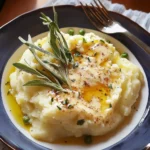
Ingredients
- Potatoes: The foundation of any great mashed potato dish, the type of potato you choose is paramount. For Horseradish-Sour Cream Mashed Potatoes, we highly recommend using Yukon Gold potatoes. These potatoes are known for their naturally buttery flavor and creamy texture when mashed. They have a medium starch content, which means they mash up beautifully without becoming gluey. Their slightly yellow flesh also adds a lovely visual appeal to the finished dish. Alternatively, Russet potatoes can also be used, but they are higher in starch. If using Russets, be careful not to overwork them when mashing, as this can lead to a stickier texture. Russets will yield a fluffier mashed potato, while Yukon Golds will be creamier. Avoid using waxy potatoes like red potatoes or fingerling potatoes, as they are not ideal for mashing and will result in a less smooth and more dense texture. For this recipe, you’ll need approximately 2 pounds of potatoes.
- Sour Cream: The star ingredient that brings the tangy creaminess to these mashed potatoes is, of course, sour cream. Full-fat sour cream is highly recommended for the richest flavor and smoothest texture. The higher fat content contributes to a luxurious mouthfeel and ensures the potatoes are incredibly moist. You can use reduced-fat sour cream if you are looking to lighten the dish slightly, but be aware that it may not be as creamy and the flavor might be a bit less pronounced. Avoid using fat-free sour cream, as it can be watery and lack the desired richness. We will be using ½ cup of sour cream in this recipe. For a tangier flavor, you can experiment with using crème fraîche, although it is less tangy than sour cream and will result in a slightly different flavor profile.
- Prepared Horseradish: The secret ingredient that elevates these mashed potatoes from ordinary to extraordinary is prepared horseradish. It provides a wonderful subtle heat and pungent flavor that perfectly complements the richness of the potatoes and sour cream. Using prepared horseradish in vinegar (as opposed to creamy horseradish sauce) is key for this recipe, as it provides a cleaner, sharper horseradish flavor. Start with 2 tablespoons of prepared horseradish and adjust to taste. If you are sensitive to spice, begin with 1 tablespoon and add more until you reach your desired level of heat. For those who love a bolder horseradish flavor, you can increase the amount to 3 or even 4 tablespoons. Freshly grated horseradish root can also be used, but it is significantly more potent and requires more preparation. If using fresh horseradish, start with a very small amount (about 1 teaspoon finely grated) and taste as you go. Remember, a little horseradish goes a long way!
- Butter: Butter adds richness, flavor, and helps create that melt-in-your-mouth texture we all crave in mashed potatoes. Unsalted butter is recommended so you can control the overall saltiness of the dish. Using salted butter can sometimes lead to overly salty mashed potatoes, especially when combined with salt added separately. We will use 4 tablespoons (½ stick) of unsalted butter. For an even richer flavor, consider using European-style butter, which has a higher fat content. For a vegan option, you can substitute with a good quality plant-based butter alternative.
- Milk (or Cream/Half-and-Half): Liquid is essential for achieving the desired creamy consistency in mashed potatoes. Whole milk works perfectly for this recipe, providing a good balance of creaminess and lightness. For even richer mashed potatoes, you can use half-and-half or even heavy cream. Heavy cream will result in the most decadent and luxurious mashed potatoes, but it will also be the highest in calories and fat. Start with ½ cup of milk and add more gradually as needed to reach your preferred consistency. If you prefer a dairy-free option, unsweetened almond milk, soy milk, or oat milk can be used as substitutes. However, be aware that these alternatives may slightly alter the flavor and texture of the final dish.
- Salt and Black Pepper: Essential seasonings that enhance all the other flavors in the dish. Kosher salt is recommended for its clean taste and ease of use. Start with ¾ teaspoon of salt and adjust to taste. Freshly ground black pepper adds a more robust and aromatic pepper flavor compared to pre-ground pepper. Use ¼ teaspoon of black pepper initially and add more to taste.
- Optional Garnishes (for Serving): While the mashed potatoes are delicious on their own, garnishes can add visual appeal and an extra layer of flavor. Consider these optional garnishes:
- Fresh Chives: Finely chopped fresh chives add a delicate oniony flavor and a pop of fresh green color.
- Fresh Parsley: Chopped fresh parsley provides a bright, herbaceous note and another touch of green.
- Extra Butter: A pat of butter melting on top of the mashed potatoes is always a welcome sight and adds extra richness.
- Sprinkle of Paprika: A light dusting of paprika (smoked paprika for a smoky note, or sweet paprika for a mild flavor) can add a subtle warmth and color.
Instructions
- Prepare the Potatoes: Begin by thoroughly washing the potatoes under cold running water to remove any dirt or debris. You can choose to peel the potatoes or leave the skins on for a more rustic mashed potato with added texture and nutrients. If peeling, use a vegetable peeler to remove the skin. Once washed (and peeled, if desired), cut the potatoes into roughly even-sized chunks, about 1-2 inches. This ensures they cook evenly.
- Boil the Potatoes: Place the potato chunks in a large pot and cover them with cold water. The water should be about an inch above the potatoes. Add a generous pinch of salt to the water – this seasons the potatoes from the inside out as they cook. Bring the pot to a boil over high heat. Once boiling, reduce the heat to medium-low and simmer gently until the potatoes are fork-tender. This usually takes about 15-20 minutes, depending on the size of the potato chunks and the type of potato. To check for doneness, pierce a potato chunk with a fork – it should slide in easily with no resistance.
- Drain and Dry the Potatoes: Once the potatoes are tender, carefully drain them in a colander. Return the drained potatoes to the empty pot. Place the pot back over low heat and let the potatoes steam for about 1-2 minutes, shaking the pot occasionally. This step is crucial for drying out any excess moisture in the potatoes, resulting in fluffier mashed potatoes that won’t be watery.
- Mash the Potatoes: Remove the pot from the heat. Add the butter to the hot potatoes and let it melt. Once melted, use a potato masher or a ricer to mash the potatoes. If using a potato masher, mash until smooth and creamy, breaking up any lumps. If using a ricer, pass the potatoes through the ricer directly into the pot for an incredibly smooth and lump-free texture. Avoid using a food processor or blender to mash potatoes, as this can overwork them and result in a gluey, unpleasant texture due to the release of too much starch.
- Incorporate Sour Cream, Horseradish, and Milk: Add the sour cream and prepared horseradish to the mashed potatoes. Pour in about half of the milk (¼ cup). Gently fold everything together using a spatula or wooden spoon until just combined. Gradually add more milk, a tablespoon at a time, until you reach your desired consistency. You want the mashed potatoes to be creamy and smooth but not too runny.
- Season and Taste: Season the mashed potatoes with salt and black pepper. Start with the recommended amounts (¾ teaspoon salt and ¼ teaspoon pepper) and then taste and adjust seasoning as needed. You may want to add a little more salt, pepper, or even a touch more horseradish to taste. Remember, you can always add more seasoning, but you can’t take it away!
- Serve Hot: Serve the Horseradish-Sour Cream Mashed Potatoes immediately while they are hot and creamy. Garnish with fresh chives, parsley, a pat of butter, or a sprinkle of paprika, if desired. These mashed potatoes are best enjoyed fresh but can be kept warm for a short period (see tips below).
Nutrition
- Serving Size: one normal portion
- Calories: 250-300
- Sugar: 2-3g
- Sodium: 300-400mg
- Fat: 15-20g
- Saturated Fat: 9-12g
- Carbohydrates: 25-30g
- Fiber: 2-3g
- Protein: 4-5g
- Cholesterol: 50-60mg