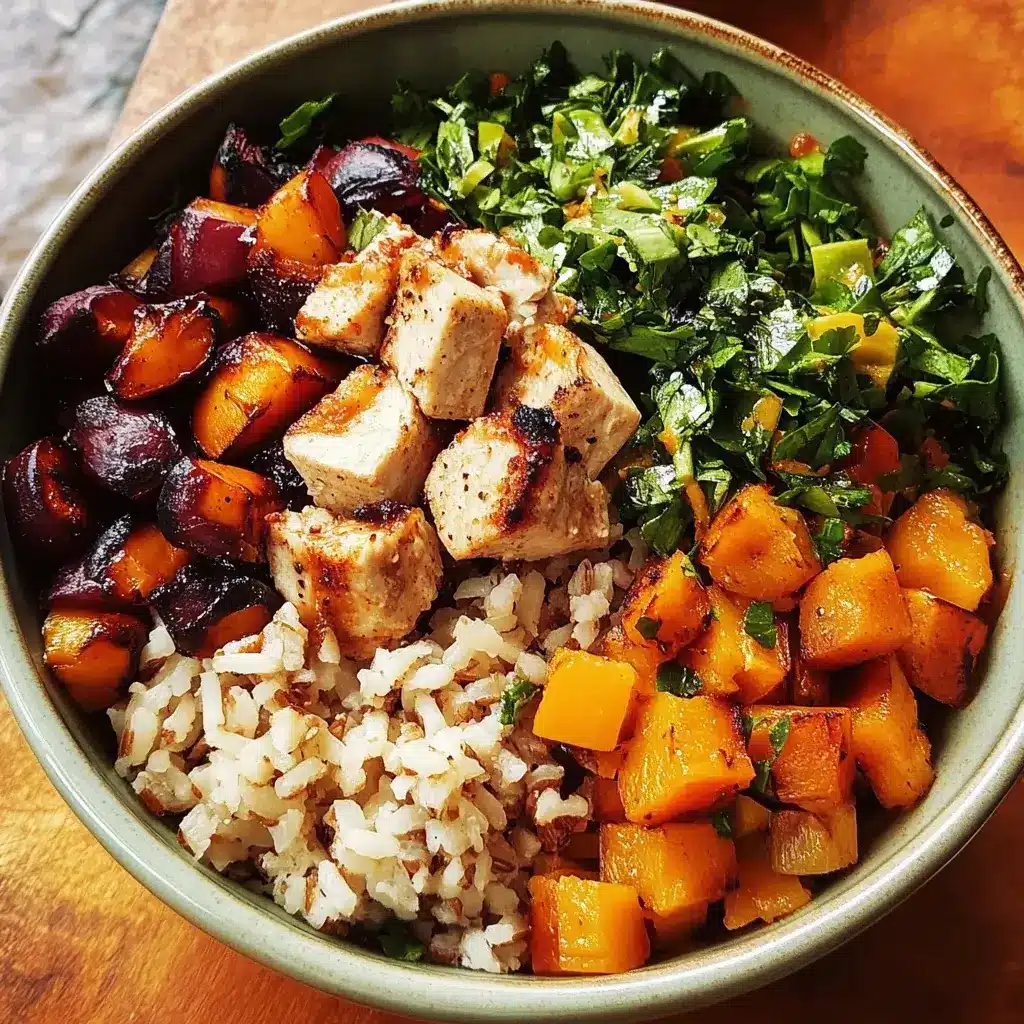
It’s hard to believe that just a few years ago, the concept of a “bowl” for dinner wasn’t really a ‘thing’ in our household. Now, it’s a weekly staple, and honestly, I can’t imagine our meal rotation without them! Especially as the leaves start to turn and the air gets crisp, there’s nothing more comforting and satisfying than a warm, vibrant Harvest Bowl. This recipe, in particular, has been a game-changer. From the first time I tossed together roasted sweet potatoes and Brussels sprouts with quinoa and a tangy maple-Dijon dressing, my family was hooked. Even my picky eaters who usually turn their noses up at vegetables were digging in for seconds. It’s become our go-to for busy weeknights, healthy lunches, and even potlucks. The best part? It’s endlessly customizable and always a crowd-pleaser. If you’re looking for a hearty, nutritious, and utterly delicious meal that celebrates the flavors of fall, you absolutely must try this Harvest Bowl recipe. Trust me, it will become a new family favorite in your home too!
Ingredients
This Harvest Bowl recipe is all about celebrating the abundance of fall produce, combined with hearty grains and protein for a complete and satisfying meal. We’ll break down the ingredients into components to make it easy to follow and customize to your liking.
For the Roasted Vegetables:
- Sweet Potatoes: 2 medium-sized sweet potatoes, peeled and cubed into 1-inch pieces. Sweet potatoes are the star of many fall dishes, offering a naturally sweet flavor and vibrant color. They are packed with Vitamin A and fiber, making them a healthy and delicious addition to your bowl.
- Brussels Sprouts: 1 pound Brussels sprouts, trimmed and halved or quartered (depending on size). Don’t underestimate Brussels sprouts! When roasted properly, they become wonderfully crispy and nutty, providing a delightful texture contrast and a boost of Vitamin C and Vitamin K.
- Butternut Squash: 1 small butternut squash, peeled, seeded, and cubed into 1-inch pieces. Butternut squash adds a creamy sweetness and beautiful orange hue to the bowl. It’s another excellent source of Vitamin A and fiber, contributing to the overall nutritional value of the meal.
- Red Onion: 1 medium red onion, cut into wedges. Red onion brings a slightly pungent and sweet flavor that mellows out beautifully when roasted. It also adds a pop of color and contains antioxidants.
- Olive Oil: 3 tablespoons extra virgin olive oil. Olive oil is essential for roasting vegetables, helping them to caramelize and develop flavor. It also provides healthy monounsaturated fats.
- Salt: 1 teaspoon kosher salt, or to taste. Salt enhances the natural flavors of the vegetables and is crucial for seasoning.
- Black Pepper: ½ teaspoon black pepper, freshly ground, or to taste. Black pepper adds a subtle warmth and spice, complementing the sweetness of the vegetables.
- Optional Spices: Consider adding ½ teaspoon of dried thyme, rosemary, or sage for extra autumnal flavor. These herbs pair beautifully with roasted root vegetables and elevate the overall aroma and taste of the dish. A pinch of cinnamon or nutmeg can also add a warm, comforting touch.
For the Grain Base:
- Quinoa: 1 cup uncooked quinoa. Quinoa is a complete protein and a fantastic gluten-free grain option. It cooks quickly and provides a fluffy, slightly nutty base for the bowl. You can substitute with farro, brown rice, or couscous if preferred.
- Vegetable Broth or Water: 2 cups vegetable broth or water. Using vegetable broth instead of water will add more flavor to the quinoa as it cooks.
- Pinch of Salt: A small pinch of salt to season the quinoa.
For the Protein (Choose one or a combination):
- Roasted Chicken or Turkey: 1-2 cooked chicken breasts or turkey breasts, shredded or diced. Leftover roasted chicken or turkey is perfect for this recipe, making it a great way to use up leftovers. It adds lean protein and a savory element.
- Chickpeas: 1 (15-ounce) can chickpeas, rinsed and drained. Chickpeas are a fantastic vegetarian and vegan protein source. They are also high in fiber and add a creamy texture. You can roast them along with the vegetables for extra flavor and crispiness.
- Lentils: 1 cup cooked lentils. Green or brown lentils work well. Lentils are another excellent plant-based protein source, rich in iron and fiber. They provide a hearty and earthy element to the bowl.
- Tofu (for Vegan option): 1 block (14-16 ounces) firm or extra-firm tofu, pressed, cubed, and pan-fried or baked until golden brown. Tofu is a versatile vegan protein that absorbs flavors well. Marinate it for extra flavor before cooking.
For the Maple-Dijon Dressing:
- Maple Syrup: ¼ cup pure maple syrup. Maple syrup provides a natural sweetness and classic fall flavor that ties the dressing together. Use pure maple syrup for the best taste.
- Dijon Mustard: 2 tablespoons Dijon mustard. Dijon mustard adds a tangy and slightly spicy kick that balances the sweetness of the maple syrup and complements the roasted vegetables.
- Apple Cider Vinegar: 2 tablespoons apple cider vinegar. Apple cider vinegar provides acidity and brightness to the dressing, cutting through the richness of the other ingredients. It also adds a subtle apple flavor that enhances the fall theme.
- Olive Oil: ¼ cup extra virgin olive oil. Olive oil emulsifies the dressing and adds richness and healthy fats.
- Garlic: 1 clove garlic, minced. Garlic adds a savory depth of flavor to the dressing.
- Salt and Pepper: Salt and pepper to taste. Season the dressing to your liking.
Optional Toppings (for extra flavor and texture):
- Cranberries: ½ cup dried cranberries or fresh cranberries (roasted or sautéed). Cranberries add a tart and chewy sweetness that complements the savory elements of the bowl.
- Pecans or Walnuts: ½ cup chopped pecans or walnuts, toasted. Nuts add a satisfying crunch and nutty flavor, as well as healthy fats. Toasting them enhances their flavor.
- Pumpkin Seeds (Pepitas): ¼ cup pumpkin seeds, toasted. Pumpkin seeds offer a different kind of crunch and a slightly earthy flavor. They are also packed with nutrients.
- Feta Cheese or Goat Cheese (optional): Crumbled feta or goat cheese adds a salty and tangy creaminess. Omit for a vegan version.
- Fresh Parsley or Chives: Chopped fresh parsley or chives for garnish. Fresh herbs add a pop of freshness and color.
Instructions
Making Harvest Bowls is surprisingly easy, especially since much of the cooking is hands-off while the vegetables roast. Here’s a step-by-step guide:
1. Prepare the Roasted Vegetables:
- Preheat your oven to 400°F (200°C).
- In a large bowl, toss the cubed sweet potatoes, Brussels sprouts, butternut squash, and red onion with 3 tablespoons of olive oil, salt, pepper, and any optional spices you are using (like thyme, rosemary, or sage). Make sure the vegetables are evenly coated.
- Spread the vegetables in a single layer on a large baking sheet. If you overcrowd the pan, the vegetables will steam instead of roast, so use two baking sheets if necessary.
- Roast for 30-40 minutes, or until the vegetables are tender and slightly caramelized, flipping them halfway through. The roasting time may vary depending on the size of your vegetable cubes and your oven. You want them to be fork-tender and have slightly browned edges.
2. Cook the Quinoa:
- While the vegetables are roasting, rinse the quinoa in a fine-mesh sieve under cold water. Rinsing removes saponin, a natural coating that can make quinoa taste bitter.
- In a medium saucepan, combine the rinsed quinoa with 2 cups of vegetable broth (or water) and a pinch of salt.
- Bring to a boil over high heat, then reduce the heat to low, cover, and simmer for 15 minutes, or until all the liquid is absorbed and the quinoa is cooked through. The quinoa should be fluffy and tender.
- Fluff with a fork and set aside.
3. Prepare the Protein:
- If using roasted chicken or turkey: Shred or dice the cooked chicken or turkey. You can warm it up slightly if desired.
- If using chickpeas: If you want to roast the chickpeas for extra crispiness, toss them with a little olive oil, salt, and pepper and add them to the baking sheet with the vegetables for the last 15-20 minutes of roasting time. Alternatively, you can simply rinse and drain canned chickpeas and use them as is.
- If using lentils: If you haven’t already, cook the lentils according to package directions. You can cook them while the vegetables are roasting.
- If using tofu: Press the tofu to remove excess water. Cube it and pan-fry or bake until golden brown and crispy. You can marinate the tofu beforehand for extra flavor.
4. Make the Maple-Dijon Dressing:
- In a small bowl or jar, whisk together the maple syrup, Dijon mustard, apple cider vinegar, olive oil, minced garlic, salt, and pepper until well combined.
- Taste and adjust seasonings as needed. You might want to add a little more maple syrup for sweetness, vinegar for tanginess, or salt and pepper to taste.
5. Assemble the Harvest Bowls:
- Divide the cooked quinoa among bowls.
- Top with a generous portion of the roasted vegetables.
- Add your chosen protein (chicken, chickpeas, lentils, or tofu).
- Drizzle generously with the Maple-Dijon Dressing.
- Sprinkle with your desired toppings, such as cranberries, pecans, pumpkin seeds, feta or goat cheese (if using), and fresh parsley or chives.
- Serve immediately or at room temperature.
Nutrition Facts
(Approximate values per serving, may vary based on specific ingredients and portion sizes)
- Servings: 4-6 servings
- Calories per serving: 550-750 calories (depending on protein choice and toppings)
Approximate Macronutrient Breakdown (per serving, using chicken and moderate toppings):
- Protein: 25-35g
- Carbohydrates: 60-80g
- Fat: 25-35g
Key Nutrients:
This Harvest Bowl is packed with vitamins, minerals, and fiber, making it a very nutritious meal. It’s a good source of:
- Vitamin A: From sweet potatoes and butternut squash, important for vision, immune function, and skin health.
- Vitamin C: From Brussels sprouts and butternut squash, an antioxidant that supports immune function.
- Vitamin K: From Brussels sprouts, important for blood clotting and bone health.
- Fiber: From vegetables, quinoa, and chickpeas/lentils, aids digestion and promotes satiety.
- Potassium: From sweet potatoes and butternut squash, important for blood pressure regulation.
- Iron: From quinoa, lentils, and chickpeas, essential for oxygen transport.
- Healthy Fats: From olive oil, nuts, and seeds, important for heart health and brain function.
Preparation Time
- Prep Time: 30 minutes (chopping vegetables, preparing dressing)
- Cook Time: 30-40 minutes (roasting vegetables, cooking quinoa)
- Total Time: Approximately 1 hour – 1 hour 10 minutes
How to Serve Harvest Bowls
Harvest Bowls are incredibly versatile and can be served in various ways to suit different occasions and preferences.
- Warm or Room Temperature: Enjoy them warm right after assembly for a comforting meal, or at room temperature, making them perfect for meal prep or picnics.
- Main Course: These bowls are substantial enough to be a satisfying and complete main course for lunch or dinner.
- Side Dish: You can also serve smaller portions as a hearty and flavorful side dish alongside grilled chicken, fish, or steak.
- Meal Prep: Harvest Bowls are excellent for meal prepping! Prepare all the components (roasted vegetables, quinoa, protein, dressing) separately and store them in airtight containers in the refrigerator. Assemble the bowls just before serving for a quick and healthy lunch or dinner throughout the week. It is best to store the dressing separately and add just before serving to prevent the grains and vegetables from becoming soggy.
- Potlucks and Gatherings: These bowls are a fantastic option for potlucks or casual gatherings. You can transport the components separately and allow guests to assemble their own bowls, making it interactive and customizable.
- Seasonal Variations:
- Fall/Winter: Emphasize root vegetables like sweet potatoes, butternut squash, parsnips, and carrots. Add warming spices like cinnamon, nutmeg, and ginger.
- Spring/Summer: Use lighter vegetables like asparagus, zucchini, bell peppers, and corn. Consider a lemon-herb vinaigrette instead of maple-Dijon. Add fresh berries or stone fruits as toppings.
Additional Tips for the Best Harvest Bowls
- Roast Vegetables Properly: Don’t overcrowd the baking sheet! Give the vegetables space to roast and caramelize, rather than steam. If necessary, use two baking sheets. Roasting at a high temperature (400°F/200°C) is key to getting that delicious roasted flavor and texture.
- Don’t Skip the Dressing: The Maple-Dijon dressing is what really ties all the flavors together and adds moisture to the bowls. Make sure to drizzle generously! You can also experiment with other dressings like tahini dressing, balsamic vinaigrette, or a creamy avocado dressing.
- Toast Your Nuts and Seeds: Toasting nuts and seeds before adding them as toppings significantly enhances their flavor and crunch. You can toast them in a dry pan over medium heat for a few minutes, or in the oven while the vegetables are roasting.
- Customize Your Protein: Feel free to swap out the protein based on your preferences and dietary needs. Grilled halloumi, sausage, or even hard-boiled eggs would also be delicious additions. For a vegan version, explore other plant-based proteins like tempeh or edamame.
- Make it Ahead for Easy Weeknights: Roast the vegetables and cook the quinoa on the weekend. Store them separately in the refrigerator. The dressing can also be made in advance and stored. Then, during the week, assembly is a breeze, making for a quick and healthy meal.
FAQ About Harvest Bowls
Q1: Can I make these Harvest Bowls vegetarian or vegan?
A: Absolutely! This recipe is easily adaptable for vegetarian and vegan diets. Simply omit the chicken or turkey and use plant-based protein options like chickpeas, lentils, tofu, or tempeh. Ensure you use plant-based milk if any dairy is included in variations and skip feta or goat cheese toppings for a vegan version. The base recipe is inherently very plant-forward and adaptable.
Q2: Can I substitute any of the vegetables?
A: Yes, definitely! One of the best things about Harvest Bowls is their versatility. Feel free to substitute vegetables based on what’s in season or what you have on hand. Good substitutes include: carrots, parsnips, acorn squash, delicata squash, broccoli, cauliflower, or even root vegetables like turnips and rutabaga. Just be sure to cut them into similar sizes for even roasting.
Q3: How long do leftovers last in the refrigerator?
A: Leftover Harvest Bowls will keep well in the refrigerator for up to 3-4 days when stored in airtight containers. It’s best to store the dressing separately to prevent the bowls from becoming soggy. The roasted vegetables and quinoa actually taste great cold or at room temperature, making them perfect for packed lunches.
Q4: Can I make the Harvest Bowls ahead of time for meal prep?
A: Yes, Harvest Bowls are ideal for meal prep! Prepare all the components – roasted vegetables, cooked quinoa, protein, and dressing – separately. Store them in airtight containers in the refrigerator. When you’re ready to eat, simply assemble the bowls. This is a great way to have healthy and delicious meals ready to go throughout the week.
Q5: Can I freeze Harvest Bowls?
A: While you can technically freeze the components, it’s not highly recommended for the entire assembled bowl, as the texture of the roasted vegetables and quinoa may change upon thawing. However, you can freeze the roasted vegetables and cooked quinoa separately. Thaw them in the refrigerator overnight and then assemble your bowls fresh. The dressing should be made fresh for the best flavor and texture. Freezing protein components like cooked chicken or lentils is also an option.
Harvest Bowls recipe
Ingredients
For the Roasted Vegetables:
-
- Sweet Potatoes: 2 medium-sized sweet potatoes, peeled and cubed into 1-inch pieces. Sweet potatoes are the star of many fall dishes, offering a naturally sweet flavor and vibrant color. They are packed with Vitamin A and fiber, making them a healthy and delicious addition to your bowl.
-
- Brussels Sprouts: 1 pound Brussels sprouts, trimmed and halved or quartered (depending on size). Don’t underestimate Brussels sprouts! When roasted properly, they become wonderfully crispy and nutty, providing a delightful texture contrast and a boost of Vitamin C and Vitamin K.
-
- Butternut Squash: 1 small butternut squash, peeled, seeded, and cubed into 1-inch pieces. Butternut squash adds a creamy sweetness and beautiful orange hue to the bowl. It’s another excellent source of Vitamin A and fiber, contributing to the overall nutritional value of the meal.
-
- Red Onion: 1 medium red onion, cut into wedges. Red onion brings a slightly pungent and sweet flavor that mellows out beautifully when roasted. It also adds a pop of color and contains antioxidants.
-
- Olive Oil: 3 tablespoons extra virgin olive oil. Olive oil is essential for roasting vegetables, helping them to caramelize and develop flavor. It also provides healthy monounsaturated fats.
-
- Salt: 1 teaspoon kosher salt, or to taste. Salt enhances the natural flavors of the vegetables and is crucial for seasoning.
-
- Black Pepper: ½ teaspoon black pepper, freshly ground, or to taste. Black pepper adds a subtle warmth and spice, complementing the sweetness of the vegetables.
-
- Optional Spices: Consider adding ½ teaspoon of dried thyme, rosemary, or sage for extra autumnal flavor. These herbs pair beautifully with roasted root vegetables and elevate the overall aroma and taste of the dish. A pinch of cinnamon or nutmeg can also add a warm, comforting touch.
For the Grain Base:
-
- Quinoa: 1 cup uncooked quinoa. Quinoa is a complete protein and a fantastic gluten-free grain option. It cooks quickly and provides a fluffy, slightly nutty base for the bowl. You can substitute with farro, brown rice, or couscous if preferred.
-
- Vegetable Broth or Water: 2 cups vegetable broth or water. Using vegetable broth instead of water will add more flavor to the quinoa as it cooks.
-
- Pinch of Salt: A small pinch of salt to season the quinoa.
For the Protein (Choose one or a combination):
-
- Roasted Chicken or Turkey: 1-2 cooked chicken breasts or turkey breasts, shredded or diced. Leftover roasted chicken or turkey is perfect for this recipe, making it a great way to use up leftovers. It adds lean protein and a savory element.
-
- Chickpeas: 1 (15-ounce) can chickpeas, rinsed and drained. Chickpeas are a fantastic vegetarian and vegan protein source. They are also high in fiber and add a creamy texture. You can roast them along with the vegetables for extra flavor and crispiness.
-
- Lentils: 1 cup cooked lentils. Green or brown lentils work well. Lentils are another excellent plant-based protein source, rich in iron and fiber. They provide a hearty and earthy element to the bowl.
-
- Tofu (for Vegan option): 1 block (14-16 ounces) firm or extra-firm tofu, pressed, cubed, and pan-fried or baked until golden brown. Tofu is a versatile vegan protein that absorbs flavors well. Marinate it for extra flavor before cooking.
For the Maple-Dijon Dressing:
-
- Maple Syrup: ¼ cup pure maple syrup. Maple syrup provides a natural sweetness and classic fall flavor that ties the dressing together. Use pure maple syrup for the best taste.
-
- Dijon Mustard: 2 tablespoons Dijon mustard. Dijon mustard adds a tangy and slightly spicy kick that balances the sweetness of the maple syrup and complements the roasted vegetables.
-
- Apple Cider Vinegar: 2 tablespoons apple cider vinegar. Apple cider vinegar provides acidity and brightness to the dressing, cutting through the richness of the other ingredients. It also adds a subtle apple flavor that enhances the fall theme.
-
- Olive Oil: ¼ cup extra virgin olive oil. Olive oil emulsifies the dressing and adds richness and healthy fats.
-
- Garlic: 1 clove garlic, minced. Garlic adds a savory depth of flavor to the dressing.
-
- Salt and Pepper: Salt and pepper to taste. Season the dressing to your liking.
Optional Toppings (for extra flavor and texture):
-
- Cranberries: ½ cup dried cranberries or fresh cranberries (roasted or sautéed). Cranberries add a tart and chewy sweetness that complements the savory elements of the bowl.
-
- Pecans or Walnuts: ½ cup chopped pecans or walnuts, toasted. Nuts add a satisfying crunch and nutty flavor, as well as healthy fats. Toasting them enhances their flavor.
-
- Pumpkin Seeds (Pepitas): ¼ cup pumpkin seeds, toasted. Pumpkin seeds offer a different kind of crunch and a slightly earthy flavor. They are also packed with nutrients.
-
- Feta Cheese or Goat Cheese (optional): Crumbled feta or goat cheese adds a salty and tangy creaminess. Omit for a vegan version.
-
- Fresh Parsley or Chives: Chopped fresh parsley or chives for garnish. Fresh herbs add a pop of freshness and color.
Instructions
1. Prepare the Roasted Vegetables:
-
- Preheat your oven to 400°F (200°C).
-
- In a large bowl, toss the cubed sweet potatoes, Brussels sprouts, butternut squash, and red onion with 3 tablespoons of olive oil, salt, pepper, and any optional spices you are using (like thyme, rosemary, or sage). Make sure the vegetables are evenly coated.
-
- Spread the vegetables in a single layer on a large baking sheet. If you overcrowd the pan, the vegetables will steam instead of roast, so use two baking sheets if necessary.
-
- Roast for 30-40 minutes, or until the vegetables are tender and slightly caramelized, flipping them halfway through. The roasting time may vary depending on the size of your vegetable cubes and your oven. You want them to be fork-tender and have slightly browned edges.
2. Cook the Quinoa:
-
- While the vegetables are roasting, rinse the quinoa in a fine-mesh sieve under cold water. Rinsing removes saponin, a natural coating that can make quinoa taste bitter.
-
- In a medium saucepan, combine the rinsed quinoa with 2 cups of vegetable broth (or water) and a pinch of salt.
-
- Bring to a boil over high heat, then reduce the heat to low, cover, and simmer for 15 minutes, or until all the liquid is absorbed and the quinoa is cooked through. The quinoa should be fluffy and tender.
-
- Fluff with a fork and set aside.
3. Prepare the Protein:
-
- If using roasted chicken or turkey: Shred or dice the cooked chicken or turkey. You can warm it up slightly if desired.
-
- If using chickpeas: If you want to roast the chickpeas for extra crispiness, toss them with a little olive oil, salt, and pepper and add them to the baking sheet with the vegetables for the last 15-20 minutes of roasting time. Alternatively, you can simply rinse and drain canned chickpeas and use them as is.
-
- If using lentils: If you haven’t already, cook the lentils according to package directions. You can cook them while the vegetables are roasting.
-
- If using tofu: Press the tofu to remove excess water. Cube it and pan-fry or bake until golden brown and crispy. You can marinate the tofu beforehand for extra flavor.
4. Make the Maple-Dijon Dressing:
-
- In a small bowl or jar, whisk together the maple syrup, Dijon mustard, apple cider vinegar, olive oil, minced garlic, salt, and pepper until well combined.
-
- Taste and adjust seasonings as needed. You might want to add a little more maple syrup for sweetness, vinegar for tanginess, or salt and pepper to taste.
5. Assemble the Harvest Bowls:
-
- Divide the cooked quinoa among bowls.
-
- Top with a generous portion of the roasted vegetables.
-
- Add your chosen protein (chicken, chickpeas, lentils, or tofu).
-
- Drizzle generously with the Maple-Dijon Dressing.
-
- Sprinkle with your desired toppings, such as cranberries, pecans, pumpkin seeds, feta or goat cheese (if using), and fresh parsley or chives.
-
- Serve immediately or at room temperature.
Nutrition
- Serving Size: one normal portion
- Calories: 550-750
- Fat: 25-35g
- Carbohydrates: 60-80g
- Protein: 25-35g