

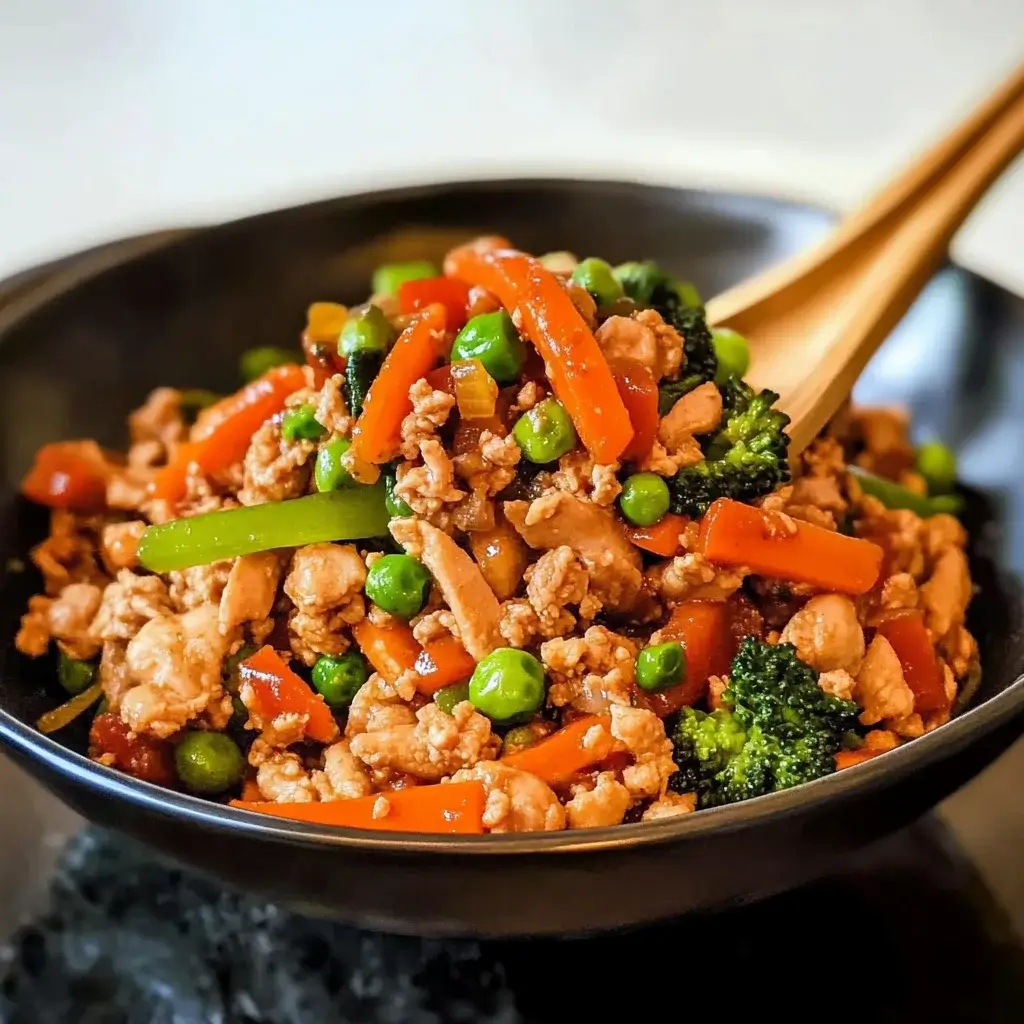
Ground Chicken Stir Fry has become my go-to weeknight dinner solution. It’s the kind of dish that comes together in a flash, satisfies everyone at the table, and is incredibly versatile. Honestly, sometimes I feel like I’m just throwing ingredients I have on hand into a pan, and yet it always turns out delicious. My family loves the savory, slightly sweet sauce and the tender ground chicken, especially when served over a bed of fluffy rice. What I appreciate most is how healthy and customizable it is. I can pack it with whatever vegetables are in season, adjust the spice level to please everyone, and feel good knowing we’re eating a nutritious and flavorful meal. If you’re looking for a quick, easy, and endlessly adaptable dinner option, this Ground Chicken Stir Fry is a recipe you need in your repertoire. Let me walk you through how to make this weeknight wonder.
Ingredients
The beauty of a stir fry lies in its flexibility, but having a solid base of quality ingredients is crucial for achieving that restaurant-worthy flavor at home. Here’s a detailed breakdown of what you’ll need for a fantastic Ground Chicken Stir Fry:
- 1 pound Ground Chicken: Opt for lean ground chicken to keep the dish healthier. Ground chicken is a fantastic source of protein and cooks quickly, making it ideal for stir-fries. Ensure your ground chicken is fresh or properly thawed if frozen. Look for ground chicken that is pink and has a fresh, clean smell. Avoid packages that have excessive liquid or discoloration. You can also use ground turkey or even ground pork as alternatives, but ground chicken tends to be lighter in flavor and absorbs stir-fry sauces exceptionally well.
- 1 Tablespoon Sesame Oil: Sesame oil is a flavor powerhouse in Asian cuisine. Its nutty, aromatic profile is essential for an authentic stir-fry taste. Use toasted sesame oil for a more pronounced flavor. A little goes a long way, so one tablespoon is usually sufficient. Be careful not to overheat sesame oil, as it can become bitter at high temperatures. If you don’t have sesame oil, you can substitute with peanut oil or another neutral oil for cooking, but the distinct sesame flavor will be missed. Consider adding a few drops of sesame oil at the very end for aroma if you substitute for cooking.
- 1 inch Ginger, minced: Fresh ginger adds a warm, spicy, and slightly sweet note that is fundamental to stir-fry flavor. Use fresh ginger root, peeling off the skin with a spoon or vegetable peeler and then mincing it finely. Pre-minced ginger in jars can be used in a pinch, but fresh ginger provides a brighter and more vibrant flavor. Store leftover ginger root in the refrigerator or freezer to keep it fresh.
- 2 cloves Garlic, minced: Garlic is another aromatic staple, adding a pungent and savory base to the stir-fry. Freshly minced garlic is always best for flavor. Mince it finely to ensure it cooks evenly and releases its flavor quickly. Similar to ginger, pre-minced garlic is an option, but fresh is preferred.
- 1/2 cup Onion, sliced: Onions provide a foundational savory flavor and a bit of sweetness as they cook down. Yellow or white onions are good choices for stir-fries. Slice them thinly so they cook quickly and evenly. You can also use red onions for a slightly sharper flavor or shallots for a milder, more delicate taste.
- 1 Bell Pepper, sliced (any color): Bell peppers add color, sweetness, and a slight crunch to the stir-fry. Any color bell pepper works well – red, yellow, orange, or green. Red and yellow peppers tend to be sweeter, while green peppers have a slightly more bitter flavor. Slice them into thin strips or bite-sized pieces.
- 1 cup Broccoli florets: Broccoli adds a healthy dose of vegetables and a satisfying texture. Use fresh broccoli florets, cutting them into bite-sized pieces. Frozen broccoli florets can also be used; thaw them slightly and pat dry before adding to the stir-fry. You can also use other cruciferous vegetables like cauliflower or broccolini.
- 1/2 cup Carrots, sliced or julienned: Carrots add sweetness, color, and a nice crunch. Slice carrots into thin rounds or julienne them for faster cooking and a more elegant presentation. Baby carrots, sliced in half or quarters lengthwise, are a convenient option.
- 1/4 cup Soy Sauce (low sodium): Soy sauce is the primary source of savory, umami flavor and saltiness in the stir-fry sauce. Opt for low sodium soy sauce to control the salt content. Regular soy sauce can be used, but you may need to reduce or omit added salt later in the recipe. Tamari is a gluten-free alternative to soy sauce.
- 2 Tablespoons Hoisin Sauce: Hoisin sauce adds sweetness, depth, and a slightly tangy and fermented flavor to the stir-fry. It’s a key ingredient in many stir-fry sauces. Hoisin sauce is readily available in most grocery stores in the Asian foods section. If you cannot find hoisin sauce, you can try a substitute made from soy sauce, peanut butter, honey, rice vinegar, and a dash of sesame oil, but the flavor will be different.
- 1 Tablespoon Rice Vinegar: Rice vinegar adds a touch of acidity to balance the sweetness and savory flavors of the sauce. It provides a subtle tanginess that brightens the dish. Rice vinegar is milder and slightly sweeter than other types of vinegar. If you don’t have rice vinegar, you can use white wine vinegar or apple cider vinegar as substitutes, but use a bit less and taste as you go.
- 1 Tablespoon Cornstarch: Cornstarch is used as a thickening agent for the stir-fry sauce. It creates a glossy and slightly thickened sauce that coats the chicken and vegetables beautifully. Make sure to dissolve the cornstarch in a bit of cold water to create a slurry before adding it to the hot pan to prevent lumps.
- 1/4 cup Water or Chicken Broth: Water or chicken broth is used to thin out the sauce and help create the desired consistency. Chicken broth will add a bit more flavor depth. You can adjust the amount of liquid to achieve your preferred sauce thickness.
- 1/4 teaspoon Red Pepper Flakes (optional): Red pepper flakes add a touch of heat to the stir-fry. Adjust the amount to your spice preference. If you prefer a spicier dish, you can increase the amount of red pepper flakes or add a dash of chili garlic sauce or sriracha.
- Salt and Black Pepper to taste: Season with salt and black pepper as needed. Remember that soy sauce and hoisin sauce are already salty, so taste the stir-fry before adding more salt. Freshly ground black pepper adds a nice aromatic touch.
- Cooked Rice, for serving: Cooked rice is the classic accompaniment to stir-fries. White rice, brown rice, jasmine rice, or basmati rice all work well. Quinoa or noodles can also be used as alternatives.
- Sesame Seeds and Chopped Green Onions, for garnish (optional): Sesame seeds and chopped green onions add visual appeal and a final touch of flavor and texture as a garnish. Toasted sesame seeds have a more pronounced nutty flavor.
Ingredient Variations and Additions:
- Vegetables: Feel free to add or substitute other vegetables based on your preference and what you have on hand. Snap peas, snow peas, mushrooms, bok choy, Napa cabbage, water chestnuts, bamboo shoots, and baby corn are all excellent additions to a stir-fry.
- Protein: While this recipe calls for ground chicken, you can use ground turkey, ground pork, or even crumbled tofu or tempeh for vegetarian or vegan options. Shrimp, sliced chicken breast, or beef strips can also be used, adjusting cooking times accordingly.
- Sauce: Customize the sauce to your liking. Add oyster sauce for a richer umami flavor, peanut butter for a peanut sauce twist, sriracha or chili garlic sauce for more heat, or honey or maple syrup for extra sweetness.
- Nuts: Add toasted peanuts, cashews, or almonds for extra crunch and nutty flavor. Add them at the end to maintain their crispness.
- Citrus: A squeeze of fresh lime or lemon juice at the end can brighten the flavors and add a refreshing zest.
Instructions
Making Ground Chicken Stir Fry is a quick and dynamic process. Stir-fries are best cooked in a wok or a large skillet over high heat to achieve that characteristic slightly smoky flavor and crisp-tender vegetables. Here’s a detailed step-by-step guide:
- Prepare Ingredients: This is crucial for stir-fries as the cooking process is fast. Mince the ginger and garlic, slice the onion and bell pepper, chop the broccoli and carrots, and measure out all the sauce ingredients (soy sauce, hoisin sauce, rice vinegar, cornstarch, water/broth, and red pepper flakes if using). Having everything prepped and ready to go ensures a smooth and efficient cooking process.
- Make the Stir-Fry Sauce: In a small bowl, whisk together the low sodium soy sauce, hoisin sauce, rice vinegar, cornstarch, and water or chicken broth until the cornstarch is fully dissolved and the sauce is smooth. Set aside. This step can be done ahead of time.
- Cook the Ground Chicken: Heat the sesame oil in a large wok or a large, deep skillet over medium-high heat. Once the oil is hot and shimmering, add the ground chicken. Break it up with a spoon or spatula as it cooks. Cook the ground chicken until it is browned and fully cooked through, about 5-7 minutes. Ensure there is no pink remaining. Drain off any excess grease if necessary.
- Add Aromatics: Push the cooked ground chicken to one side of the wok or skillet. Add the minced ginger and garlic to the empty space in the pan. Sauté for about 30 seconds to 1 minute, until fragrant. Be careful not to burn the garlic and ginger; they should be fragrant but not browned or bitter.
- Add Vegetables: Add the sliced onion, bell pepper, broccoli florets, and carrots to the wok or skillet with the ground chicken and aromatics. Stir-fry the vegetables for 5-7 minutes, until they are crisp-tender. Stir frequently to ensure even cooking. You want the vegetables to be cooked through but still retain a slight crunch. If you prefer softer vegetables, cook them for a few minutes longer. Add any other vegetables you are using based on their cooking time – harder vegetables like carrots and broccoli should be added first, while softer vegetables like leafy greens should be added towards the end.
- Add Stir-Fry Sauce: Pour the prepared stir-fry sauce over the chicken and vegetables in the wok or skillet. Stir everything together to combine well and coat the chicken and vegetables evenly with the sauce.
- Thicken the Sauce: Bring the sauce to a simmer and cook for 1-2 minutes, or until the sauce has thickened to your desired consistency. The cornstarch in the sauce will activate as it heats and thicken the sauce. Stir constantly to prevent sticking and ensure even thickening. If the sauce becomes too thick, you can add a tablespoon or two of water or broth to thin it out.
- Season and Finish: Taste the stir-fry and season with salt and black pepper to taste. Add red pepper flakes if you want a touch of heat. Stir well to incorporate the seasonings.
- Serve: Serve the Ground Chicken Stir Fry hot over cooked rice. Garnish with sesame seeds and chopped green onions, if desired.
Cooking Method Variations:
- Using a Flat-Bottom Wok or Skillet: If you don’t have a traditional round-bottom wok, a large flat-bottom wok or a large skillet works perfectly well. Ensure it’s a heavy-bottomed pan that retains heat well.
- Stir-Fry in Batches: If you are making a large quantity or if your wok/skillet is not very large, consider stir-frying the ingredients in batches. Cook the ground chicken first, remove it, then stir-fry the vegetables in batches to avoid overcrowding the pan, which can lead to steaming instead of stir-frying. Combine everything back together at the end when adding the sauce.
- Grilling Vegetables: For a smoky flavor, you can grill some of the vegetables, like bell peppers and onions, before adding them to the stir-fry. Grill them until slightly charred and tender-crisp.
- Using Pre-Cooked Rice: To save time, use pre-cooked rice pouches that can be quickly heated in the microwave.
Nutrition Facts
(Per Serving, approximate, based on 4 servings)
- Serving Size: Approximately ¼ of the recipe
- Calories: 350-400 kcal
- Total Fat: 15-20g
- Saturated Fat: 3-4g
- Monounsaturated Fat: 8-10g
- Polyunsaturated Fat: 3-4g
- Cholesterol: 100-120mg
- Sodium: 500-600mg (depending on soy sauce and hoisin sauce used)
- Total Carbohydrates: 30-35g
- Dietary Fiber: 5-7g
- Sugars: 10-15g (naturally occurring and from hoisin sauce)
- Protein: 25-30g
- Vitamin A: Excellent source (from carrots and bell peppers)
- Vitamin C: Good source (from bell peppers and broccoli)
- Iron: Good source
- Calcium: Source
Note: Nutritional values can vary slightly depending on specific ingredients, portion sizes, and vegetables used. This is an estimate and should be used as a general guide.
Ground Chicken Stir Fry is a relatively healthy and balanced meal. It is a good source of lean protein from the ground chicken and provides a variety of vitamins and minerals from the vegetables. The use of sesame oil contributes healthy fats. Choosing low sodium soy sauce helps to manage sodium content. You can further enhance the nutritional value by using brown rice or quinoa instead of white rice and by adding a wider variety of colorful vegetables.
Preparation Time
- Prep Time: 20-25 minutes (chopping vegetables, mincing aromatics, measuring sauce ingredients)
- Cook Time: 15-20 minutes (cooking chicken, stir-frying vegetables, thickening sauce)
- Total Time: Approximately 35-45 minutes
Ground Chicken Stir Fry is a relatively quick meal to prepare, especially once you become familiar with the process. The key to speed is efficient ingredient preparation. Having all your vegetables chopped and sauce ingredients measured out before you start cooking makes the stir-frying process very fast. It’s an excellent option for a weeknight dinner when time is limited.
How to Serve
Ground Chicken Stir Fry is a complete meal in itself, especially when served with rice. Here are some serving suggestions to enhance your dining experience:
- Classic Rice Bowl:
- Over Rice: The most common and classic way to serve stir-fry is over a bed of fluffy cooked rice. White rice, brown rice, jasmine rice, or basmati rice are all excellent choices. The rice soaks up the delicious stir-fry sauce.
- Rice Noodles: For a different base, serve the stir-fry over cooked rice noodles or glass noodles.
- Quinoa: For a healthier, protein-rich option, serve over cooked quinoa.
- Garnish and Toppings:
- Sesame Seeds: Sprinkle toasted sesame seeds over the stir-fry for added nutty flavor and visual appeal.
- Chopped Green Onions: Freshly chopped green onions add a mild oniony flavor and a pop of fresh green color.
- Cilantro: If you enjoy cilantro, a sprinkle of fresh cilantro can add a bright, herbaceous note.
- Sriracha or Chili Garlic Sauce: For those who like extra heat, serve with a side of sriracha or chili garlic sauce to drizzle over individual servings.
- Lime Wedges: Serve with lime wedges for squeezing fresh lime juice over the stir-fry for a burst of citrusy brightness.
- Nuts: Toasted peanuts, cashews, or almonds can be sprinkled on top for added crunch.
- Side Dishes (Optional):
- Egg Rolls or Spring Rolls: Serve with crispy egg rolls or fresh spring rolls as an appetizer for a more substantial meal.
- Soup: A light soup like wonton soup or egg drop soup can be a nice accompaniment, especially in colder weather.
- Salad: A simple side salad with a light vinaigrette can provide a refreshing contrast to the savory stir-fry.
- Kimchi or Pickled Vegetables: Serve with a side of kimchi or pickled vegetables to add a tangy and spicy element.
- Family Style Serving:
- Large Platter: Serve the Ground Chicken Stir Fry on a large platter in the center of the table and let everyone serve themselves.
- Separate Bowls: Place bowls of cooked rice and the stir-fry separately on the table so people can customize their portions.
- Serving Temperature:
- Hot: Stir-fry is best served hot, immediately after cooking, to enjoy its optimal flavor and texture.
- Warm Leftovers: Leftovers can be reheated and enjoyed warm, but the vegetables may lose some of their crispness.
Additional Tips
To make your Ground Chicken Stir Fry consistently delicious, here are five essential tips:
- High Heat is Key: Stir-fries are traditionally cooked over high heat. This high heat is crucial for achieving that slightly smoky “wok hei” flavor and for ensuring the vegetables are crisp-tender, not soggy. Use medium-high to high heat throughout the cooking process. Make sure your wok or skillet is hot before adding ingredients. If your stove doesn’t get very hot, cook in smaller batches to maintain the pan temperature.
- Prepare All Ingredients in Advance (Mise en Place): Stir-frying is a fast cooking method, so having all your ingredients prepped and ready to go is essential. Chop all vegetables, mince aromatics, measure out sauce ingredients, and have everything within reach before you start cooking. This “mise en place” approach ensures a smooth and efficient cooking process and prevents you from burning ingredients while you are scrambling to chop vegetables.
- Don’t Overcrowd the Pan: Overcrowding the wok or skillet will lower the temperature and cause the vegetables to steam instead of stir-fry, resulting in soggy vegetables and less flavor. Cook in batches if necessary, especially when adding vegetables. If you are using a lot of vegetables, stir-fry them in batches and then combine everything back together at the end.
- Use the Right Oil and Don’t Skimp on It: Sesame oil is essential for the flavor of this stir-fry, but it’s best used in combination with a neutral cooking oil with a high smoke point, like peanut oil, canola oil, or vegetable oil, for cooking the chicken and vegetables. Sesame oil has a lower smoke point and is better added for flavor and aroma. Don’t skimp on the oil; enough oil is needed to properly stir-fry the ingredients and prevent sticking.
- Adjust Sauce Consistency to Your Liking: The cornstarch in the sauce helps to thicken it. If you prefer a thicker sauce, you can use a bit more cornstarch (start with 1.5 tablespoons). If you prefer a thinner sauce, use less cornstarch or add more water or chicken broth. You can also adjust the sweetness, saltiness, and spice level of the sauce to your taste by adjusting the amounts of hoisin sauce, soy sauce, and red pepper flakes. Taste the sauce before adding it to the stir-fry and adjust as needed.
FAQ Section
Q1: Can I use pre-cut vegetables to save time?
A: Yes, you can definitely use pre-cut vegetables from the grocery store to save preparation time. Many grocery stores offer pre-cut broccoli florets, sliced carrots, and bell peppers. Using pre-cut vegetables can significantly reduce your prep time, making this recipe even quicker for weeknight meals. Just ensure the pre-cut vegetables are fresh and haven’t started to dry out. You may also want to wash them before using.
Q2: Can I make Ground Chicken Stir Fry vegetarian or vegan?
A: Yes, it’s easy to make Ground Chicken Stir Fry vegetarian or vegan. To make it vegetarian, substitute the ground chicken with crumbled firm or extra-firm tofu or tempeh. For a vegan version, ensure your hoisin sauce is vegan (some brands may contain honey), and use tofu or tempeh as the protein source. You can also add more vegetables or plant-based protein sources like edamame or chickpeas to make it more substantial. When using tofu, press it to remove excess water before crumbling and stir-frying it.
Q3: Can I add noodles directly to the stir-fry?
A: Yes, you can add cooked noodles directly to the stir-fry. Cook your noodles separately according to package directions (rice noodles, egg noodles, or lo mein noodles work well). Once the stir-fry is almost finished (after the sauce has thickened), add the cooked noodles to the wok or skillet and toss everything together to combine and heat through. Be mindful that noodles will absorb some of the sauce, so you may need to adjust the sauce consistency or add a bit more sauce if you prefer a saucier dish.
Q4: How long will Ground Chicken Stir Fry leftovers last in the refrigerator?
A: Ground Chicken Stir Fry leftovers can be stored in an airtight container in the refrigerator for 3-4 days. For best quality, consume within 3 days. Reheat the leftovers in a skillet over medium heat or in the microwave until heated through. The vegetables may become a bit softer upon reheating, but the flavor should still be good. It’s generally recommended to reheat only the amount you plan to eat to maintain the best texture.
Q5: Can I freeze Ground Chicken Stir Fry?
A: Freezing Ground Chicken Stir Fry is not highly recommended, as the texture of the vegetables can become quite soft and mushy after thawing and reheating. However, if you must freeze it, it’s best to freeze it without the rice. Allow the stir-fry to cool completely before transferring it to freezer-safe containers or bags. When thawing, thaw overnight in the refrigerator and reheat thoroughly in a skillet or microwave. Be aware that the texture of the vegetables will be altered, but the flavor should still be acceptable for a quick meal. If possible, freeze only the chicken and sauce mixture and cook fresh vegetables when you are ready to serve.
Print
Ground Chicken Stir Fry recipe
Ingredients
-
- 1 pound Ground Chicken: Opt for lean ground chicken to keep the dish healthier. Ground chicken is a fantastic source of protein and cooks quickly, making it ideal for stir-fries. Ensure your ground chicken is fresh or properly thawed if frozen. Look for ground chicken that is pink and has a fresh, clean smell. Avoid packages that have excessive liquid or discoloration. You can also use ground turkey or even ground pork as alternatives, but ground chicken tends to be lighter in flavor and absorbs stir-fry sauces exceptionally well.
-
- 1 Tablespoon Sesame Oil: Sesame oil is a flavor powerhouse in Asian cuisine. Its nutty, aromatic profile is essential for an authentic stir-fry taste. Use toasted sesame oil for a more pronounced flavor. A little goes a long way, so one tablespoon is usually sufficient. Be careful not to overheat sesame oil, as it can become bitter at high temperatures. If you don’t have sesame oil, you can substitute with peanut oil or another neutral oil for cooking, but the distinct sesame flavor will be missed. Consider adding a few drops of sesame oil at the very end for aroma if you substitute for cooking.
-
- 1 inch Ginger, minced: Fresh ginger adds a warm, spicy, and slightly sweet note that is fundamental to stir-fry flavor. Use fresh ginger root, peeling off the skin with a spoon or vegetable peeler and then mincing it finely. Pre-minced ginger in jars can be used in a pinch, but fresh ginger provides a brighter and more vibrant flavor. Store leftover ginger root in the refrigerator or freezer to keep it fresh.
-
- 2 cloves Garlic, minced: Garlic is another aromatic staple, adding a pungent and savory base to the stir-fry. Freshly minced garlic is always best for flavor. Mince it finely to ensure it cooks evenly and releases its flavor quickly. Similar to ginger, pre-minced garlic is an option, but fresh is preferred.
-
- 1/2 cup Onion, sliced: Onions provide a foundational savory flavor and a bit of sweetness as they cook down. Yellow or white onions are good choices for stir-fries. Slice them thinly so they cook quickly and evenly. You can also use red onions for a slightly sharper flavor or shallots for a milder, more delicate taste.
-
- 1 Bell Pepper, sliced (any color): Bell peppers add color, sweetness, and a slight crunch to the stir-fry. Any color bell pepper works well – red, yellow, orange, or green. Red and yellow peppers tend to be sweeter, while green peppers have a slightly more bitter flavor. Slice them into thin strips or bite-sized pieces.
-
- 1 cup Broccoli florets: Broccoli adds a healthy dose of vegetables and a satisfying texture. Use fresh broccoli florets, cutting them into bite-sized pieces. Frozen broccoli florets can also be used; thaw them slightly and pat dry before adding to the stir-fry. You can also use other cruciferous vegetables like cauliflower or broccolini.
-
- 1/2 cup Carrots, sliced or julienned: Carrots add sweetness, color, and a nice crunch. Slice carrots into thin rounds or julienne them for faster cooking and a more elegant presentation. Baby carrots, sliced in half or quarters lengthwise, are a convenient option.
-
- 1/4 cup Soy Sauce (low sodium): Soy sauce is the primary source of savory, umami flavor and saltiness in the stir-fry sauce. Opt for low sodium soy sauce to control the salt content. Regular soy sauce can be used, but you may need to reduce or omit added salt later in the recipe. Tamari is a gluten-free alternative to soy sauce.
-
- 2 Tablespoons Hoisin Sauce: Hoisin sauce adds sweetness, depth, and a slightly tangy and fermented flavor to the stir-fry. It’s a key ingredient in many stir-fry sauces. Hoisin sauce is readily available in most grocery stores in the Asian foods section. If you cannot find hoisin sauce, you can try a substitute made from soy sauce, peanut butter, honey, rice vinegar, and a dash of sesame oil, but the flavor will be different.
-
- 1 Tablespoon Rice Vinegar: Rice vinegar adds a touch of acidity to balance the sweetness and savory flavors of the sauce. It provides a subtle tanginess that brightens the dish. Rice vinegar is milder and slightly sweeter than other types of vinegar. If you don’t have rice vinegar, you can use white wine vinegar or apple cider vinegar as substitutes, but use a bit less and taste as you go.
-
- 1 Tablespoon Cornstarch: Cornstarch is used as a thickening agent for the stir-fry sauce. It creates a glossy and slightly thickened sauce that coats the chicken and vegetables beautifully. Make sure to dissolve the cornstarch in a bit of cold water to create a slurry before adding it to the hot pan to prevent lumps.
-
- 1/4 cup Water or Chicken Broth: Water or chicken broth is used to thin out the sauce and help create the desired consistency. Chicken broth will add a bit more flavor depth. You can adjust the amount of liquid to achieve your preferred sauce thickness.
-
- 1/4 teaspoon Red Pepper Flakes (optional): Red pepper flakes add a touch of heat to the stir-fry. Adjust the amount to your spice preference. If you prefer a spicier dish, you can increase the amount of red pepper flakes or add a dash of chili garlic sauce or sriracha.
-
- Salt and Black Pepper to taste: Season with salt and black pepper as needed. Remember that soy sauce and hoisin sauce are already salty, so taste the stir-fry before adding more salt. Freshly ground black pepper adds a nice aromatic touch.
-
- Cooked Rice, for serving: Cooked rice is the classic accompaniment to stir-fries. White rice, brown rice, jasmine rice, or basmati rice all work well. Quinoa or noodles can also be used as alternatives.
-
- Sesame Seeds and Chopped Green Onions, for garnish (optional): Sesame seeds and chopped green onions add visual appeal and a final touch of flavor and texture as a garnish. Toasted sesame seeds have a more pronounced nutty flavor.
Instructions
-
- Prepare Ingredients: This is crucial for stir-fries as the cooking process is fast. Mince the ginger and garlic, slice the onion and bell pepper, chop the broccoli and carrots, and measure out all the sauce ingredients (soy sauce, hoisin sauce, rice vinegar, cornstarch, water/broth, and red pepper flakes if using). Having everything prepped and ready to go ensures a smooth and efficient cooking process.
-
- Make the Stir-Fry Sauce: In a small bowl, whisk together the low sodium soy sauce, hoisin sauce, rice vinegar, cornstarch, and water or chicken broth until the cornstarch is fully dissolved and the sauce is smooth. Set aside. This step can be done ahead of time.
-
- Cook the Ground Chicken: Heat the sesame oil in a large wok or a large, deep skillet over medium-high heat. Once the oil is hot and shimmering, add the ground chicken. Break it up with a spoon or spatula as it cooks. Cook the ground chicken until it is browned and fully cooked through, about 5-7 minutes. Ensure there is no pink remaining. Drain off any excess grease if necessary.
-
- Add Aromatics: Push the cooked ground chicken to one side of the wok or skillet. Add the minced ginger and garlic to the empty space in the pan. Sauté for about 30 seconds to 1 minute, until fragrant. Be careful not to burn the garlic and ginger; they should be fragrant but not browned or bitter.
-
- Add Vegetables: Add the sliced onion, bell pepper, broccoli florets, and carrots to the wok or skillet with the ground chicken and aromatics. Stir-fry the vegetables for 5-7 minutes, until they are crisp-tender. Stir frequently to ensure even cooking. You want the vegetables to be cooked through but still retain a slight crunch. If you prefer softer vegetables, cook them for a few minutes longer. Add any other vegetables you are using based on their cooking time – harder vegetables like carrots and broccoli should be added first, while softer vegetables like leafy greens should be added towards the end.
-
- Add Stir-Fry Sauce: Pour the prepared stir-fry sauce over the chicken and vegetables in the wok or skillet. Stir everything together to combine well and coat the chicken and vegetables evenly with the sauce.
-
- Thicken the Sauce: Bring the sauce to a simmer and cook for 1-2 minutes, or until the sauce has thickened to your desired consistency. The cornstarch in the sauce will activate as it heats and thicken the sauce. Stir constantly to prevent sticking and ensure even thickening. If the sauce becomes too thick, you can add a tablespoon or two of water or broth to thin it out.
-
- Season and Finish: Taste the stir-fry and season with salt and black pepper to taste. Add red pepper flakes if you want a touch of heat. Stir well to incorporate the seasonings.
-
- Serve: Serve the Ground Chicken Stir Fry hot over cooked rice. Garnish with sesame seeds and chopped green onions, if desired.
Nutrition
- Serving Size: one normal portion
- Calories: 350-400
- Sugar: 10-15g
- Sodium: 500-600mg
- Fat: 15-20g
- Saturated Fat: 3-4g
- Carbohydrates: 30-35g
- Fiber: 5-7g
- Protein: 25-30g
- Cholesterol: 100-120mg