

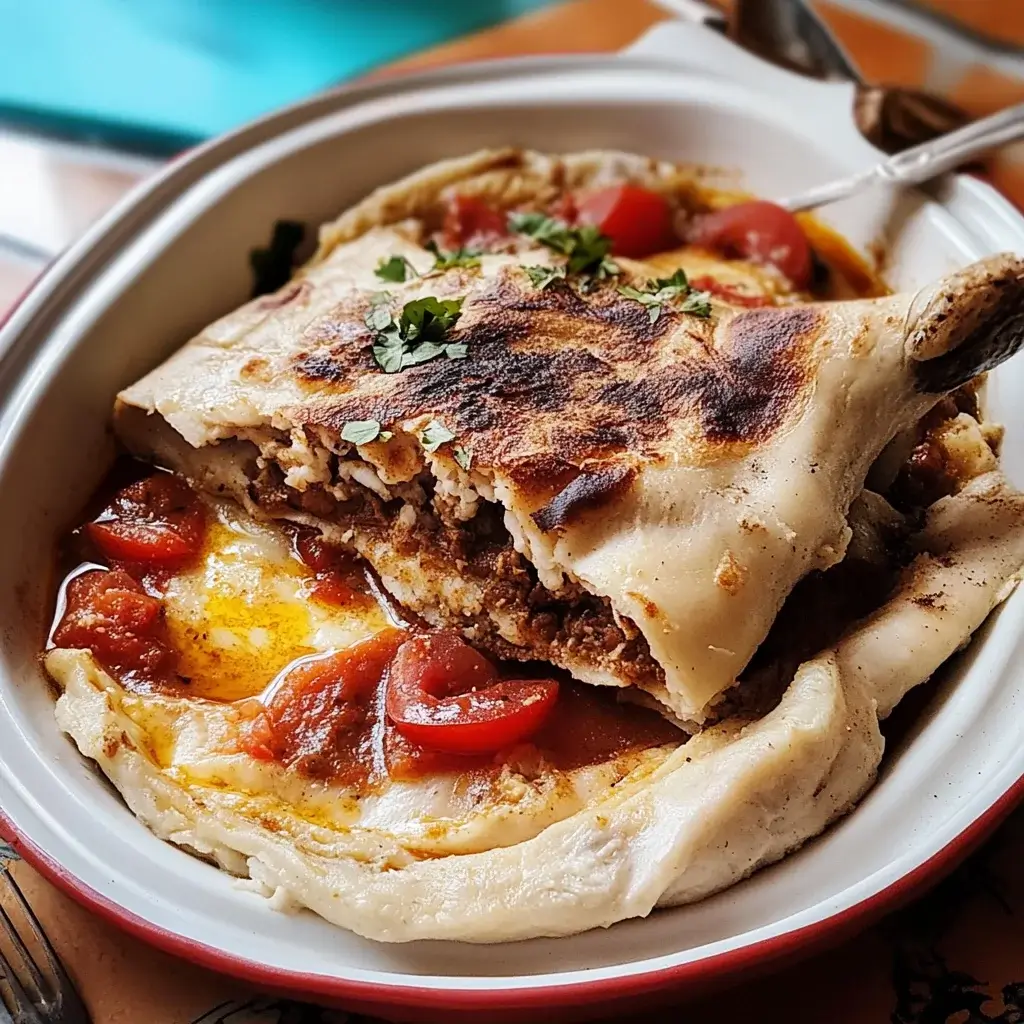
Fattah. Just the word itself conjures up images of bustling Egyptian kitchens, the comforting aroma of toasted pita bread, and the happy chatter of family gathered around a shared meal. For me, Fattah isn’t just a recipe; it’s a taste of my childhood, a dish that my teta (grandmother) used to make with such love and care. The layers of crispy pita, fragrant rice, tender meat, and that tangy, garlic-infused yogurt sauce… it’s a symphony of textures and flavors that dance on your palate. I recently recreated this classic at home, and let me tell you, the reaction was overwhelmingly positive. My kids, usually picky eaters, devoured it, asking for seconds and even thirds! My husband, a seasoned foodie, declared it “restaurant-worthy.” It’s a dish that truly brings people together, and I’m so excited to share my version of this beloved Egyptian staple with you. Get ready to experience the magic of Fattah!
Ingredients: What You’ll Need for Authentic Fattah
To create a truly authentic and delicious Egyptian Fattah, you’ll need a combination of fresh, flavorful ingredients. Here’s a breakdown of everything you’ll need for each component of this layered dish:
For the Crispy Pita Bread ( Leb el Eish):
- 3-4 pieces of pita bread (Arabic or Lebanese pita works best), preferably slightly stale for better crisping
- 2 tablespoons olive oil
- 1 teaspoon dried thyme (optional, but adds a lovely aromatic touch)
- Salt and black pepper to taste
For the Fragrant Rice ( Rozz):
- 2 cups long-grain rice (Egyptian rice is traditional, but Basmati or Jasmine rice also work well)
- 3 cups chicken or beef broth (vegetable broth for a vegetarian option)
- 2 tablespoons olive oil or butter
- 1 small onion, finely chopped
- 2 cloves garlic, minced
- 1 teaspoon ground cumin
- ½ teaspoon ground coriander
- Salt and black pepper to taste
For the Tender Meat ( Lahma – Lamb or Beef):
- 1.5 lbs boneless lamb shoulder or beef chuck, cut into 1-2 inch cubes
- 2 tablespoons olive oil
- 1 large onion, roughly chopped
- 4 cloves garlic, roughly chopped
- 1 teaspoon ground cumin
- ½ teaspoon ground coriander
- ½ teaspoon ground cardamom
- 1 bay leaf
- Salt and black pepper to taste
- Water, enough to cover the meat
For the Tangy Yogurt Sauce ( * الصلصة الزبادي – * الصلصة الدقة):**
- 2 cups plain Greek yogurt (full-fat for the best flavor and texture)
- 4-5 cloves garlic, minced or crushed
- ¼ cup tahini (optional, but adds richness and depth)
- 2 tablespoons lemon juice
- 2 tablespoons olive oil
- Salt and black pepper to taste
For Garnishing (Optional but Recommended):
- Toasted pine nuts or slivered almonds
- Fresh parsley or cilantro, chopped
- A drizzle of olive oil
- A sprinkle of paprika (for color)
Step-by-Step Instructions: Mastering the Art of Fattah
Creating Fattah might seem like it has many steps, but it’s actually quite straightforward. We’ll break it down into manageable sections to ensure you achieve Fattah perfection!
Part 1: Preparing the Crispy Pita Bread ( Leb el Eish):
- Preheat your oven to 350°F (175°C).
- Prepare the pita bread: Cut or tear the pita bread into bite-sized pieces. You can cut them into squares, triangles, or irregular shapes – whatever you prefer.
- Season and toss: In a large bowl, toss the pita pieces with olive oil, dried thyme (if using), salt, and pepper. Ensure the pita is evenly coated.
- Bake until crispy: Spread the seasoned pita pieces in a single layer on a baking sheet. Bake in the preheated oven for 8-12 minutes, or until golden brown and crispy. Keep a close eye on them to prevent burning. Once crispy, remove from the oven and set aside to cool completely. They will crisp up further as they cool.
Part 2: Cooking the Fragrant Rice ( Rozz):
- Sauté aromatics: In a medium-sized pot or saucepan, heat olive oil or butter over medium heat. Add the finely chopped onion and sauté until softened and translucent, about 5 minutes.
- Add garlic and spices: Add the minced garlic, ground cumin, and ground coriander to the pot. Cook for another minute, until fragrant, stirring constantly to prevent burning.
- Toast the rice: Add the rice to the pot and stir to coat it well with the oil and spices. Toast the rice for 2-3 minutes, stirring constantly. This step enhances the flavor of the rice.
- Add broth and simmer: Pour in the chicken or beef broth (or vegetable broth). Season with salt and pepper. Bring the mixture to a boil, then reduce the heat to low, cover the pot tightly, and simmer for 18-20 minutes, or until the rice is cooked through and all the liquid is absorbed. Do not lift the lid during the simmering process.
- Fluff the rice: Once cooked, remove the pot from the heat and let it rest, covered, for 5-10 minutes. Then, fluff the rice gently with a fork.
Part 3: Preparing the Tender Meat ( Lahma – Lamb or Beef):
- Sear the meat: Heat olive oil in a large, heavy-bottomed pot or Dutch oven over medium-high heat. Season the lamb or beef cubes generously with salt and pepper. Sear the meat in batches, ensuring not to overcrowd the pot, until browned on all sides. Searing helps to develop rich flavor. Remove the seared meat from the pot and set aside.
- Sauté aromatics: In the same pot, add the roughly chopped onion and garlic. Sauté until softened, about 5 minutes.
- Add spices and bay leaf: Return the seared meat to the pot. Add ground cumin, ground coriander, ground cardamom, and bay leaf. Stir to coat the meat with the spices.
- Braise the meat: Pour in enough water to just cover the meat. Bring the mixture to a boil, then reduce the heat to low, cover the pot, and simmer for 2-3 hours, or until the meat is incredibly tender and easily shreds with a fork. Skim off any foam or impurities that rise to the surface during simmering.
- Shred the meat (optional): Once the meat is cooked, you can either leave it in cubes or shred it using two forks, depending on your preference. Shredded meat is traditional in some Fattah variations.
- Reduce the sauce (optional): If you prefer a thicker sauce, you can remove the meat from the pot and increase the heat to medium-high. Simmer the remaining liquid uncovered until it reduces slightly and thickens into a richer sauce. Return the meat to the pot.
Part 4: Making the Tangy Yogurt Sauce ( * الصلصة الزبادي – * الصلصة الدقة):**
- Combine ingredients: In a medium bowl, whisk together the Greek yogurt, minced or crushed garlic, tahini (if using), lemon juice, olive oil, salt, and pepper.
- Adjust consistency: Taste the sauce and adjust seasonings as needed. If you prefer a thinner sauce, you can add a tablespoon or two of water or milk to reach your desired consistency.
Part 5: Assembling the Egyptian Fattah:
- Layering is key: Now comes the fun part – assembling your Fattah! In a large serving dish or individual bowls, start with a generous layer of the crispy pita bread at the bottom.
- Add the rice: Spoon a layer of the fragrant rice over the crispy pita bread, spreading it evenly.
- Top with meat: Arrange the tender meat (cubed or shredded) on top of the rice layer.
- Drizzle with yogurt sauce: Generously drizzle the tangy yogurt sauce over the meat and rice layers, ensuring it covers everything nicely.
- Garnish and serve: Garnish your Fattah with toasted pine nuts or slivered almonds, chopped fresh parsley or cilantro, a drizzle of olive oil, and a sprinkle of paprika (optional).
- Serve immediately: Fattah is best enjoyed immediately while the pita bread is still slightly crispy and the layers are warm and inviting.
Nutrition Facts: A Deliciously Nourishing Meal
Egyptian Fattah is not only incredibly flavorful but also offers a good balance of nutrients. Here’s an estimated nutritional breakdown per serving:
- Servings: This recipe typically serves 6-8 people.
- Calories per serving (estimated): 550-700 calories (This is an estimate and can vary based on portion size, type of meat, and specific ingredients used.)
Approximate Nutritional Breakdown per Serving (Estimated):
- Protein: 30-40 grams (depending on the meat portion)
- Fat: 25-35 grams (primarily from olive oil, yogurt, and meat)
- Carbohydrates: 50-60 grams (mainly from rice and pita bread)
- Fiber: 4-6 grams (from pita bread, rice, and vegetables)
Important Notes:
- These are estimates and can vary significantly based on specific ingredients, portion sizes, and cooking methods.
- Using leaner cuts of meat and controlling oil usage can help reduce the fat content.
- Adding more vegetables to the dish (like a side salad) can increase fiber and nutrient content.
- For more accurate nutritional information, you can use online recipe analyzers or nutrition tracking apps, inputting the specific ingredients and quantities you use.
Preparation Time: Plan Your Fattah Cooking Schedule
While Fattah is a rewarding dish, it’s helpful to plan your cooking schedule accordingly. Here’s an estimated breakdown of the preparation and cooking time:
- Prep Time: Approximately 45-60 minutes (This includes chopping vegetables, preparing the meat, measuring spices, and making the yogurt sauce).
- Cook Time: Approximately 2.5 – 3.5 hours (This is primarily for braising the meat until tender. The rice and pita bread cook much faster).
- Total Time: Approximately 3.15 – 4.15 hours
Tips for Time Management:
- Break it down: You can break down the preparation over a couple of days. For example, you can braise the meat a day ahead and store it in the refrigerator. On the day of serving, you can prepare the rice, pita bread, and yogurt sauce, and then assemble the Fattah.
- Multitasking: While the meat is braising, you can prepare the rice, crispy pita bread, and yogurt sauce, maximizing your time in the kitchen.
- Faster Meat Options: While traditional Fattah uses braised lamb or beef, you can potentially use pre-cooked shredded chicken or even ground meat for a quicker version, although it will slightly alter the traditional flavor and texture.
How to Serve Egyptian Fattah
Fattah is a complete and satisfying meal on its own, but here are some suggestions to elevate your serving experience and create a truly memorable Egyptian feast:
- Serve it Family Style: Fattah is traditionally served family style in a large serving dish, encouraging sharing and togetherness. Place the assembled Fattah in the center of the table and let everyone help themselves.
- Individual Bowls: For a more formal setting or easier portion control, you can assemble Fattah in individual bowls or plates.
- Warm is Best: Fattah is best served warm, right after assembly. The contrast between the warm layers and the cool yogurt sauce is part of its charm.
- Garnish Generously: Don’t skimp on the garnishes! Toasted nuts, fresh herbs, and a drizzle of olive oil not only add flavor and texture but also make the dish visually appealing.
- Serve with Side Dishes (Optional): While Fattah is a complete meal, you can serve it with complementary side dishes to create a more elaborate spread:
- Egyptian Salad (Salata Baladi): A refreshing salad of tomatoes, cucumbers, onions, and parsley, dressed with lemon juice and olive oil.
- Baba Ghanoush or Hummus: Classic Middle Eastern dips served with extra pita bread or vegetables.
- Pickled Vegetables (Mokhalel): Egyptian pickles add a tangy and crunchy element.
- Labneh or Feta Cheese: A side of creamy labneh or salty feta cheese can complement the flavors of Fattah.
- Beverage Pairings:
- Iced Tea or Lemonade: Refreshing and classic pairings.
- Yogurt Drink (Laban Ayran): A traditional Middle Eastern yogurt drink that complements the creamy yogurt sauce in Fattah.
- Red Wine (Light-bodied): If you prefer wine, a light-bodied red wine can pair well with the savory flavors.
- Water: Simple and always a good choice to cleanse the palate.
Additional Tips for Perfect Fattah Every Time
To ensure your Egyptian Fattah is a resounding success, here are five expert tips to keep in mind:
- Crispy Pita is Crucial: Don’t underestimate the importance of crispy pita bread. It provides the essential textural contrast and base for the dish. Bake it until it’s truly crispy, but be careful not to burn it. Slightly stale pita bread crisps up even better.
- Don’t Overcook the Rice: Aim for perfectly cooked, fluffy rice. Overcooked, mushy rice will detract from the overall texture of the Fattah. Follow the simmering instructions carefully and avoid lifting the lid while the rice is cooking.
- Tender Meat is Key: Braising the meat until it’s melt-in-your-mouth tender is essential. Patience is key here. Low and slow cooking will break down the tough fibers and result in incredibly flavorful and tender meat.
- Garlic Power in the Yogurt Sauce: Don’t be shy with the garlic in the yogurt sauce! Garlic is a defining flavor in Fattah’s yogurt sauce. Use fresh garlic and mince or crush it finely to release its full flavor. Adjust the amount to your preference, but a generous amount is traditional.
- Assemble Just Before Serving: Fattah is best assembled and served immediately. If you assemble it too far in advance, the crispy pita bread can become soggy from the moisture of the rice and yogurt sauce. Prepare all the components ahead of time and assemble just before you’re ready to eat for optimal texture and flavor.
Frequently Asked Questions (FAQ) About Egyptian Fattah
Here are some common questions people often have about making and enjoying Egyptian Fattah:
Q1: Can I make Fattah vegetarian?
A: Yes, you can definitely make a delicious vegetarian version of Fattah! Instead of meat, you can use roasted vegetables like chickpeas, eggplant, cauliflower, or mushrooms. You can also use lentils or even halloumi cheese for added protein and flavor. Use vegetable broth for the rice. The other components – crispy pita and yogurt sauce – remain the same.
Q2: Can I substitute lamb or beef with chicken?
A: Yes, chicken is a perfectly acceptable and delicious substitute for lamb or beef in Fattah. Use boneless, skinless chicken thighs or breasts, cut into cubes. You can sear and braise the chicken similarly to the lamb or beef, but it will cook much faster. Reduce the braising time accordingly to avoid overcooking and drying out the chicken.
Q3: Can I make Fattah ahead of time?
A: While Fattah is best assembled and served immediately for optimal crispiness, you can prepare the individual components ahead of time. You can braise the meat, cook the rice, and make the yogurt sauce a day or two in advance and store them separately in the refrigerator. Crisp the pita bread on the day of serving. Assemble the Fattah just before you’re ready to eat.
Q4: What if I don’t have tahini for the yogurt sauce?
A: Tahini adds a lovely richness and depth to the yogurt sauce, but it’s not absolutely essential. If you don’t have tahini, you can still make a delicious yogurt sauce by simply omitting it. The garlic, lemon juice, and olive oil will still create a flavorful and tangy sauce. You might want to slightly increase the amount of olive oil or add a touch of extra yogurt for a richer texture.
Q5: How do I reheat leftover Fattah?
A: Reheating assembled Fattah can make the pita bread soggy. It’s best to reheat the components separately if possible. You can gently reheat the meat and rice in a pot or microwave. The yogurt sauce is best served cold or at room temperature and doesn’t need reheating. The pita bread, unfortunately, won’t regain its crispiness after being assembled. If you have leftover crispy pita separately, you can try to crisp it up again in a low oven, but it might not be exactly the same as freshly baked. It’s generally recommended to assemble only the amount of Fattah you plan to eat in one sitting.
Egyptian Fattah is more than just a recipe; it’s an experience, a journey to the heart of Egyptian cuisine. With its layers of textures and vibrant flavors, it’s a dish that’s sure to impress and delight. So gather your ingredients, follow these steps, and get ready to create your own delicious and authentic Fattah. Bil hana wil shifa! (Enjoy your meal!)
Print
Egyptian Fattah recipe
Ingredients
For the Crispy Pita Bread ( Leb el Eish):
-
- 3–4 pieces of pita bread (Arabic or Lebanese pita works best), preferably slightly stale for better crisping
-
- 2 tablespoons olive oil
-
- 1 teaspoon dried thyme (optional, but adds a lovely aromatic touch)
-
- Salt and black pepper to taste
For the Fragrant Rice ( Rozz):
-
- 2 cups long-grain rice (Egyptian rice is traditional, but Basmati or Jasmine rice also work well)
-
- 3 cups chicken or beef broth (vegetable broth for a vegetarian option)
-
- 2 tablespoons olive oil or butter
-
- 1 small onion, finely chopped
-
- 2 cloves garlic, minced
-
- 1 teaspoon ground cumin
-
- ½ teaspoon ground coriander
-
- Salt and black pepper to taste
For the Tender Meat ( Lahma – Lamb or Beef):
-
- 1.5 lbs boneless lamb shoulder or beef chuck, cut into 1–2 inch cubes
-
- 2 tablespoons olive oil
-
- 1 large onion, roughly chopped
-
- 4 cloves garlic, roughly chopped
-
- 1 teaspoon ground cumin
-
- ½ teaspoon ground coriander
-
- ½ teaspoon ground cardamom
-
- 1 bay leaf
-
- Salt and black pepper to taste
-
- Water, enough to cover the meat
For the Tangy Yogurt Sauce ( * الصلصة الزبادي – * الصلصة الدقة):**
-
- 2 cups plain Greek yogurt (full-fat for the best flavor and texture)
-
- 4–5 cloves garlic, minced or crushed
-
- ¼ cup tahini (optional, but adds richness and depth)
-
- 2 tablespoons lemon juice
-
- 2 tablespoons olive oil
-
- Salt and black pepper to taste
For Garnishing (Optional but Recommended):
-
- Toasted pine nuts or slivered almonds
-
- Fresh parsley or cilantro, chopped
-
- A drizzle of olive oil
-
- A sprinkle of paprika (for color)
Instructions
Part 1: Preparing the Crispy Pita Bread ( Leb el Eish):
-
- Preheat your oven to 350°F (175°C).
-
- Prepare the pita bread: Cut or tear the pita bread into bite-sized pieces. You can cut them into squares, triangles, or irregular shapes – whatever you prefer.
-
- Season and toss: In a large bowl, toss the pita pieces with olive oil, dried thyme (if using), salt, and pepper. Ensure the pita is evenly coated.
-
- Bake until crispy: Spread the seasoned pita pieces in a single layer on a baking sheet. Bake in the preheated oven for 8-12 minutes, or until golden brown and crispy. Keep a close eye on them to prevent burning. Once crispy, remove from the oven and set aside to cool completely. They will crisp up further as they cool.
Part 2: Cooking the Fragrant Rice ( Rozz):
-
- Sauté aromatics: In a medium-sized pot or saucepan, heat olive oil or butter over medium heat. Add the finely chopped onion and sauté until softened and translucent, about 5 minutes.
-
- Add garlic and spices: Add the minced garlic, ground cumin, and ground coriander to the pot. Cook for another minute, until fragrant, stirring constantly to prevent burning.
-
- Toast the rice: Add the rice to the pot and stir to coat it well with the oil and spices. Toast the rice for 2-3 minutes, stirring constantly. This step enhances the flavor of the rice.
-
- Add broth and simmer: Pour in the chicken or beef broth (or vegetable broth). Season with salt and pepper. Bring the mixture to a boil, then reduce the heat to low, cover the pot tightly, and simmer for 18-20 minutes, or until the rice is cooked through and all the liquid is absorbed. Do not lift the lid during the simmering process.
-
- Fluff the rice: Once cooked, remove the pot from the heat and let it rest, covered, for 5-10 minutes. Then, fluff the rice gently with a fork.
Part 3: Preparing the Tender Meat ( Lahma – Lamb or Beef):
-
- Sear the meat: Heat olive oil in a large, heavy-bottomed pot or Dutch oven over medium-high heat. Season the lamb or beef cubes generously with salt and pepper. Sear the meat in batches, ensuring not to overcrowd the pot, until browned on all sides. Searing helps to develop rich flavor. Remove the seared meat from the pot and set aside.
-
- Sauté aromatics: In the same pot, add the roughly chopped onion and garlic. Sauté until softened, about 5 minutes.
-
- Add spices and bay leaf: Return the seared meat to the pot. Add ground cumin, ground coriander, ground cardamom, and bay leaf. Stir to coat the meat with the spices.
-
- Braise the meat: Pour in enough water to just cover the meat. Bring the mixture to a boil, then reduce the heat to low, cover the pot, and simmer for 2-3 hours, or until the meat is incredibly tender and easily shreds with a fork. Skim off any foam or impurities that rise to the surface during simmering.
-
- Shred the meat (optional): Once the meat is cooked, you can either leave it in cubes or shred it using two forks, depending on your preference. Shredded meat is traditional in some Fattah variations.
-
- Reduce the sauce (optional): If you prefer a thicker sauce, you can remove the meat from the pot and increase the heat to medium-high. Simmer the remaining liquid uncovered until it reduces slightly and thickens into a richer sauce. Return the meat to the pot.
Part 4: Making the Tangy Yogurt Sauce:
-
- Combine ingredients: In a medium bowl, whisk together the Greek yogurt, minced or crushed garlic, tahini (if using), lemon juice, olive oil, salt, and pepper.
-
- Adjust consistency: Taste the sauce and adjust seasonings as needed. If you prefer a thinner sauce, you can add a tablespoon or two of water or milk to reach your desired consistency.
Part 5: Assembling the Egyptian Fattah:
-
- Layering is key: Now comes the fun part – assembling your Fattah! In a large serving dish or individual bowls, start with a generous layer of the crispy pita bread at the bottom.
-
- Add the rice: Spoon a layer of the fragrant rice over the crispy pita bread, spreading it evenly.
-
- Top with meat: Arrange the tender meat (cubed or shredded) on top of the rice layer.
-
- Drizzle with yogurt sauce: Generously drizzle the tangy yogurt sauce over the meat and rice layers, ensuring it covers everything nicely.
-
- Garnish and serve: Garnish your Fattah with toasted pine nuts or slivered almonds, chopped fresh parsley or cilantro, a drizzle of olive oil, and a sprinkle of paprika (optional).
-
- Serve immediately: Fattah is best enjoyed immediately while the pita bread is still slightly crispy and the layers are warm and inviting.
Nutrition
- Serving Size: one normal portion
- Calories: 550-700
- Fat: 25-35 grams
- Carbohydrates: 50-60 grams
- Fiber: 4-6 grams
- Protein: 30-40 grams