
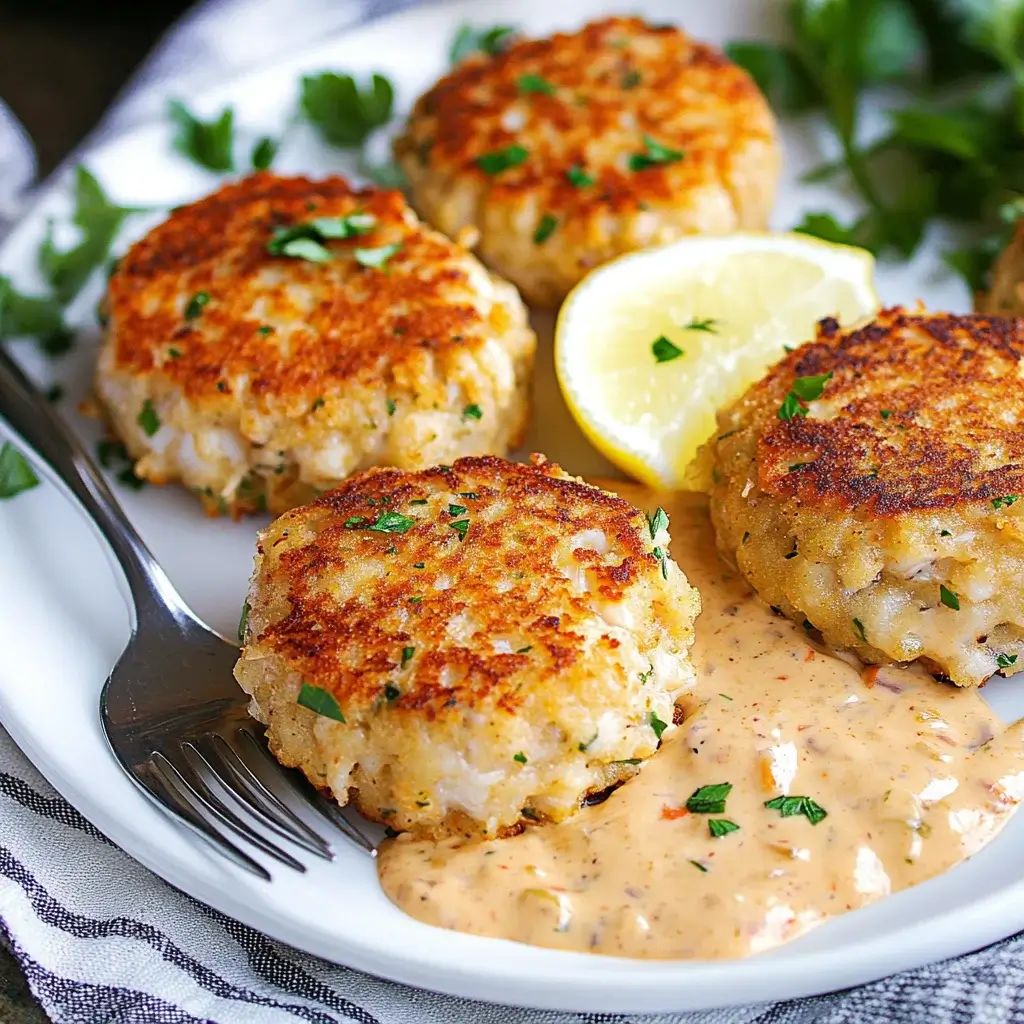
There are few culinary experiences that bring a smile to my face as quickly as biting into a perfectly cooked crab cake. The memory of the first time I truly nailed this recipe is still vivid – the golden, crispy exterior giving way to a succulent, flavourful interior packed with sweet crab meat, barely held together by the lightest of binders. My family, usually a tough crowd, was silent for the first few bites, then the compliments started flowing. My youngest, typically a picky eater, even asked for seconds! That’s when I knew this recipe wasn’t just good; it was a keeper. The accompanying remoulade sauce, with its creamy tang and subtle kick, just elevates the entire dish from delicious to downright divine. It’s become a staple for special occasions, summer gatherings, or simply when we crave a taste of coastal indulgence right in our own kitchen. Trust me, once you try this, you’ll understand the hype.
The Irresistible Allure of Homemade Crab Cakes
Crab cakes are a quintessential American delicacy, celebrated for their delicate flavour and satisfying texture. While their exact origins are debated, they are most famously associated with the Chesapeake Bay area, particularly Maryland, where blue crabs are abundant. What makes a truly exceptional crab cake? It’s a harmonious blend of high-quality crab meat, minimal filler, and complementary seasonings that enhance, rather than overpower, the natural sweetness of the crab. Store-bought or restaurant versions can often be disappointing, laden with breadcrumbs or overly processed. Homemade crab cakes, however, allow you to control the quality of ingredients and the crab-to-filler ratio, resulting in a far superior product. This recipe focuses on showcasing the star ingredient – the crab – creating patties that are tender, flavourful, and utterly irresistible.
Choosing Your Crab: The Key to Success
The quality of your crab meat is paramount to the success of your crab cakes. For the best texture and flavour, lump crab meat is highly recommended. It consists of sizable pieces of body meat, offering a wonderful mouthfeel and sweet taste.
- Jumbo Lump: The largest, most prized pieces from the swimmer fins. Expensive, but provides the ultimate crab cake experience. If your budget allows, this is the top choice.
- Lump: Smaller, broken pieces of jumbo lump, still excellent quality and perfect for crab cakes, offering a good balance of texture and value. This is what this recipe calls for.
- Backfin: Flakes of white body meat, smaller than lump. Can be used, but the texture won’t be as luxurious.
- Claw Meat: Darker, stronger in flavour, and less tender. Best reserved for soups or dishes where its robust flavour is desired, not ideal for delicate crab cakes.
- Canned Crab Meat (Pasteurized): Look for it in the refrigerated section. Ensure it’s lump crab meat. Drain it very well and gently pat dry to remove excess moisture.
- Fresh Crab Meat: If you have access to fresh, cooked crab, picking the meat yourself will yield the freshest flavour, though it’s more labour-intensive.
Avoid imitation crab meat (surimi) at all costs for this recipe; the texture and flavour are simply not comparable. The investment in good quality crab meat will pay dividends in the final dish.
The Perfect Pairing: Crafting an Unforgettable Remoulade Sauce
Remoulade sauce is the classic accompaniment to crab cakes, and for good reason. This mayonnaise-based sauce, with French origins but heavily popularized in Louisiana Creole cuisine, offers a tangy, spicy, and creamy counterpoint to the rich crab cakes. There are countless variations, but a good remoulade typically includes mayonnaise, mustard, paprika, hot sauce, and various herbs and spices.
This recipe features a zesty, slightly spicy remoulade that is incredibly easy to whip up. The key is to balance the creaminess of the mayonnaise with the sharpness of Dijon mustard, the tang of lemon juice and capers, and a gentle heat from cayenne pepper and hot sauce. Making it ahead of time allows the flavours to meld beautifully. While you can buy pre-made remoulade, the homemade version is vastly superior and takes only minutes to prepare.
Ingredients for Perfect Crab Cakes with Zesty Remoulade
This recipe is designed to yield generous, flavour-packed crab cakes that truly highlight the delicate sweetness of the crab meat, complemented by a vibrant and tangy remoulade sauce.
For the Zesty Remoulade Sauce (make this first to allow flavours to meld):
- 1 cup high-quality mayonnaise
- 2 tablespoons Creole mustard or spicy brown mustard
- 1 tablespoon Dijon mustard
- 1 tablespoon prepared horseradish (drained)
- 1 tablespoon fresh lemon juice
- 1 tablespoon capers, drained and finely chopped
- 1-2 cloves garlic, minced (about 1 teaspoon)
- 1 teaspoon Worcestershire sauce
- 1 teaspoon paprika (smoked paprika adds a nice touch)
- 1/2 teaspoon cayenne pepper (or to taste)
- 1/4 teaspoon hot sauce (e.g., Tabasco or Crystal), or more to taste
- 2 tablespoons finely chopped fresh parsley
- 1 tablespoon finely chopped green onion (scallion), green parts only
- Salt and freshly ground black pepper to taste
For the Crab Cakes:
- 1 pound fresh lump crab meat, picked over for shells and cartilage
- 1/2 cup panko breadcrumbs, plus extra for coating (optional)
- 1/4 cup mayonnaise (use the same high-quality mayo as for the remoulade)
- 1 large egg, lightly beaten
- 2 tablespoons finely chopped fresh parsley
- 1 tablespoon Dijon mustard
- 1 tablespoon Worcestershire sauce
- 1 teaspoon Old Bay seasoning (a classic choice for seafood)
- 1/2 teaspoon dry mustard powder
- 1/4 teaspoon freshly ground black pepper
- Juice of 1/2 lemon (about 1 tablespoon)
- Optional: a dash of hot sauce
- 2-3 tablespoons unsalted butter
- 1-2 tablespoons olive oil or vegetable oil (for frying)
Step-by-Step Instructions for Culinary Bliss
Follow these instructions carefully to achieve crab cakes that are golden brown and crispy on the outside, and tender and flavourful on the inside.
Part 1: Prepare the Zesty Remoulade Sauce
- Combine Wet Ingredients: In a medium bowl, whisk together the mayonnaise, Creole mustard, Dijon mustard, prepared horseradish, fresh lemon juice, Worcestershire sauce, and hot sauce until smooth.
- Add Aromatics and Seasonings: Stir in the minced garlic, chopped capers, paprika, and cayenne pepper.
- Incorporate Fresh Herbs: Gently fold in the finely chopped fresh parsley and green onion.
- Season to Taste: Season with salt and freshly ground black pepper. Taste and adjust seasonings as needed – you might want more lemon juice for tang, more cayenne for heat, or a bit more salt.
- Chill: Cover the bowl with plastic wrap and refrigerate for at least 30 minutes (preferably 1-2 hours) to allow the flavours to meld. The sauce can be made up to 2-3 days in advance and stored in an airtight container in the refrigerator.
Part 2: Prepare the Crab Cakes
- Prepare the Crab Meat: Gently pick through the lump crab meat to remove any remaining pieces of shell or cartilage. Be careful not to break up the lumps too much. Place the crab meat in a large bowl.
- Combine Wet Ingredients & Seasonings for Cakes: In a separate, smaller bowl, whisk together the 1/4 cup mayonnaise, beaten egg, chopped parsley, Dijon mustard, Worcestershire sauce, Old Bay seasoning, dry mustard powder, black pepper, lemon juice, and optional hot sauce.
- Gently Combine with Crab: Pour the wet mixture over the crab meat. Add the 1/2 cup of panko breadcrumbs. Using a rubber spatula, gently fold the ingredients together until just combined. It’s crucial not to overmix, as this can break down the delicate crab lumps and result in a pasty texture. The mixture should be moist but still hold its shape.
- Chill the Mixture (Crucial Step): Cover the bowl with plastic wrap and refrigerate the crab cake mixture for at least 30 minutes, or up to 4 hours. This chilling step is vital – it helps the ingredients bind together and makes the cakes easier to form and less likely to fall apart during cooking.
- Form the Patties: Once chilled, gently form the mixture into 6-8 equal-sized patties, about 3/4 to 1 inch thick. Don’t pack them too tightly. If you prefer an extra crispy crust, you can lightly dredge each patty in additional panko breadcrumbs, pressing gently so they adhere. Place the formed patties on a baking sheet lined with parchment paper.
- Cook the Crab Cakes:
- Pan-Frying (Recommended): In a large skillet (cast iron works wonderfully), melt the butter with the olive oil over medium heat. The oil helps prevent the butter from burning too quickly.
- Once the butter is melted and the fat is shimmering, carefully place the crab cakes in the skillet, ensuring not to overcrowd it (cook in batches if necessary).
- Cook for 4-5 minutes per side, or until they are beautifully golden brown and crispy, and heated through. Use a thin, flexible fish spatula to flip them gently. Adjust the heat as needed to prevent burning. The internal temperature should reach 165°F (74°C).
- Baking (Alternative): Preheat your oven to 400°F (200°C). Place the crab cakes on a lightly oiled baking sheet. You can brush the tops with a little melted butter for extra richness and browning. Bake for 12-15 minutes, flipping halfway, until golden brown and heated through. Baked crab cakes won’t be as crispy as pan-fried but are a good lighter option.
- Rest and Serve: Transfer the cooked crab cakes to a paper towel-lined plate to drain any excess oil for a moment. Serve immediately with a generous dollop or drizzle of the prepared Zesty Remoulade Sauce and lemon wedges on the side.
Nutritional Snapshot: Understanding Your Indulgence
- Servings: This recipe yields approximately 6-8 crab cakes, serving 3-4 people as a main course or 6-8 as an appetizer.
- Calories per serving (approximate, based on 2 crab cakes per serving as a main): Around 450-550 calories. This includes the crab cakes and a moderate serving of remoulade sauce.
Please note: Nutritional information is an estimate and can vary significantly based on the exact ingredients used (especially the type of mayonnaise and amount of oil absorbed during frying), and portion sizes.
- Crab meat itself is relatively low in calories and fat but is a great source of lean protein, omega-3 fatty acids, and various vitamins and minerals like B12 and zinc.
- Mayonnaise and oil used in the cakes and sauce contribute most of the fat and calories.
- Panko breadcrumbs add carbohydrates.
For a lighter version, consider baking the crab cakes instead of pan-frying and using a light mayonnaise for the remoulade sauce.
Timing is Everything: Preparation and Cooking Time
Understanding the timeline will help you plan your meal perfectly.
- Remoulade Sauce Preparation: 10-15 minutes
- Remoulade Sauce Chilling Time: Minimum 30 minutes (preferably 1-2 hours)
- Crab Cake Mixture Preparation: 15-20 minutes
- Crab Cake Mixture Chilling Time: Minimum 30 minutes (up to 4 hours)
- Forming Patties: 5-10 minutes
- Cooking Time (Pan-Frying): 8-10 minutes per batch (you may need two batches)
- Cooking Time (Baking): 12-15 minutes
Total Estimated Time (excluding extended chilling): Approximately 1 hour and 15 minutes to 1 hour 30 minutes.
Total Estimated Time (including optimal chilling): Approximately 2 hours 30 minutes to 4 hours (most of this is inactive chilling time).
Planning ahead is key, especially for chilling the remoulade and the crab cake mixture. You can prepare the remoulade sauce a day or two in advance, and the crab cake mixture can be made several hours ahead of cooking.
Mastering the Art of Serving Crab Cakes
Crab cakes are versatile and can be presented in various delightful ways. Here are some ideas:
- As an Elegant Appetizer:
- Make smaller, bite-sized crab cakes (mini crab cakes).
- Serve 1-2 mini cakes per person on a small plate.
- Garnish with a dollop of remoulade and a tiny sprig of fresh dill or parsley.
- Arrange on a platter for guests to self-serve at parties.
- As a Satisfying Main Course:
- Serve 2-3 standard-sized crab cakes per person.
- Pair with classic sides like:
- Coleslaw: Creamy or vinegar-based slaw offers a refreshing crunch.
- Roasted Vegetables: Asparagus, bell peppers, or zucchini.
- Corn on the Cob: Especially in the summer.
- A Simple Green Salad: With a light vinaigrette.
- Shoestring Fries or Potato Wedges: For a more indulgent meal.
- Rice Pilaf or Quinoa: For a lighter grain option.
- Always include a generous serving of the remoulade sauce on the side or artfully drizzled over the cakes.
- Lemon wedges are a must for a fresh spritz of citrus.
- In a Crab Cake Sandwich or Slider:
- Serve a crab cake on a toasted brioche bun or slider bun.
- Spread remoulade sauce on both halves of the bun.
- Add crisp lettuce and a slice of ripe tomato.
- On a Bed of Greens:
- Place a warm crab cake (or two) on top of a bed of mixed greens or arugula.
- Drizzle with remoulade sauce acting as a dressing, or use a light lemon vinaigrette for the greens and serve remoulade on the side.
Garnishing Touches:
- Freshly chopped parsley or chives sprinkled over the top.
- A dusting of paprika or Old Bay seasoning.
- Microgreens for an elegant touch.
- Thinly sliced lemon wheels.
Pro Tips for Crab Cake Perfection
Achieving crab cake nirvana is easier than you think with these expert tips:
- Gentle Handling is Key: The most common mistake is overmixing the crab meat. You want to keep those beautiful lumps intact. Fold the ingredients together very gently until just combined. Overmixing will result in a dense, pasty texture rather than light and flaky.
- Don’t Skimp on Chilling: Chilling the crab cake mixture before forming patties, and even briefly after forming, is crucial. This helps the binder (egg and mayo) to set up, making the cakes firmer and much less likely to fall apart during cooking. It also allows the flavours to meld. Aim for at least 30 minutes.
- Quality Crab Meat is Non-Negotiable: As mentioned earlier, use the best quality lump crab meat you can afford. Pick through it carefully for shells but avoid shredding the meat. The flavour and texture difference is significant.
- Achieve the Perfect Sear: For pan-frying, ensure your pan and oil/butter mixture are adequately hot before adding the crab cakes. This creates a beautiful golden-brown crust. Don’t overcrowd the pan, as this will lower the temperature and lead to steaming rather than searing. Cook in batches if necessary.
- Taste and Adjust Your Remoulade: The remoulade recipe is a fantastic starting point, but individual preferences for spiciness, tanginess, and seasoning vary. Taste the sauce after it has chilled for a bit (flavours develop over time) and adjust with more lemon juice, hot sauce, salt, or herbs as desired.
Frequently Asked Questions (FAQ) About Crab Cakes
Here are answers to some common queries about making crab cakes:
- Q: Why do my crab cakes fall apart when cooking?
- A: This is a common issue! Reasons include:
- Not enough binder: Ensure you’re using the right amount of egg and mayonnaise.
- Too much moisture: If your crab meat is very wet, pat it dry gently. Too much liquid from other ingredients can also be a culprit.
- Overmixing: This breaks down the crab into smaller pieces that don’t hold together as well.
- Not chilling the mixture: This is a critical step. Chilling helps firm up the cakes.
- Flipping too early or too aggressively: Let them form a good crust on one side before attempting to flip gently with a thin spatula.
- Not enough oil or pan not hot enough: This can cause sticking.
- A: This is a common issue! Reasons include:
- Q: Can I bake crab cakes instead of frying them?
- A: Absolutely! Baking is a healthier alternative. Preheat your oven to 400°F (200°C). Place the formed crab cakes on a lightly greased baking sheet (or one lined with parchment paper). You can brush the tops with a little melted butter or olive oil for better browning. Bake for about 12-15 minutes, flipping once halfway through, until golden and heated through (internal temperature of 165°F/74°C). They won’t be quite as crispy as pan-fried, but still delicious.
- Q: Can I use canned crab meat instead of fresh?
- A: Yes, you can use good quality canned (pasteurized) lump crab meat found in the refrigerated section of most grocery stores. Ensure you drain it very thoroughly and gently pat it dry with paper towels to remove excess moisture before using. Avoid shelf-stable canned crab found in the tuna aisle, as the quality is generally not suitable for standout crab cakes.
- Q: How far in advance can I make crab cakes?
- A:
- Remoulade Sauce: Can be made up to 3 days in advance and stored in an airtight container in the refrigerator.
- Crab Cake Mixture: Can be mixed and refrigerated (covered) for up to 4-6 hours before forming and cooking. Some say up to 24 hours, but the crab is delicate, so fresher is often better.
- Formed, Uncooked Patties: Can be formed, placed on a parchment-lined baking sheet, covered tightly with plastic wrap, and refrigerated for a few hours before cooking.
- Cooked Crab Cakes: Best enjoyed fresh, but can be cooked, cooled, and stored in an airtight container in the refrigerator for up to 2 days. Reheat gently (see below).
- A:
- Q: What’s the best way to reheat leftover crab cakes?
- A: To maintain some crispness, avoid the microwave if possible, as it can make them rubbery.
- Oven/Toaster Oven (Recommended): Preheat to 350°F (175°C). Place crab cakes on a baking sheet and heat for 10-15 minutes, or until warmed through.
- Skillet: Reheat gently in a lightly oiled skillet over medium-low heat for a few minutes per side until warm.
- Air Fryer: A few minutes at around 350°F (175°C) in an air fryer can also work well to crisp them up again.
- A: To maintain some crispness, avoid the microwave if possible, as it can make them rubbery.
Enjoy the process of making these delectable crab cakes and zesty remoulade! This recipe is sure to impress your family and friends, bringing a taste of coastal luxury to your table.
Print
Crab Cakes with Remoulade recipe
Ingredients
-
- 1 cup high-quality mayonnaise
-
- 2 tablespoons Creole mustard or spicy brown mustard
-
- 1 tablespoon Dijon mustard
-
- 1 tablespoon prepared horseradish (drained)
-
- 1 tablespoon fresh lemon juice
-
- 1 tablespoon capers, drained and finely chopped
-
- 1–2 cloves garlic, minced (about 1 teaspoon)
-
- 1 teaspoon Worcestershire sauce
-
- 1 teaspoon paprika (smoked paprika adds a nice touch)
-
- 1/2 teaspoon cayenne pepper (or to taste)
-
- 1/4 teaspoon hot sauce (e.g., Tabasco or Crystal), or more to taste
-
- 2 tablespoons finely chopped fresh parsley
-
- 1 tablespoon finely chopped green onion (scallion), green parts only
-
- Salt and freshly ground black pepper to taste
For the Crab Cakes:
-
- 1 pound fresh lump crab meat, picked over for shells and cartilage
-
- 1/2 cup panko breadcrumbs, plus extra for coating (optional)
-
- 1/4 cup mayonnaise (use the same high-quality mayo as for the remoulade)
-
- 1 large egg, lightly beaten
-
- 2 tablespoons finely chopped fresh parsley
-
- 1 tablespoon Dijon mustard
-
- 1 tablespoon Worcestershire sauce
-
- 1 teaspoon Old Bay seasoning (a classic choice for seafood)
-
- 1/2 teaspoon dry mustard powder
-
- 1/4 teaspoon freshly ground black pepper
-
- Juice of 1/2 lemon (about 1 tablespoon)
-
- Optional: a dash of hot sauce
-
- 2–3 tablespoons unsalted butter
-
- 1–2 tablespoons olive oil or vegetable oil (for frying)
Instructions
Part 1: Prepare the Zesty Remoulade Sauce
-
- Combine Wet Ingredients: In a medium bowl, whisk together the mayonnaise, Creole mustard, Dijon mustard, prepared horseradish, fresh lemon juice, Worcestershire sauce, and hot sauce until smooth.
-
- Add Aromatics and Seasonings: Stir in the minced garlic, chopped capers, paprika, and cayenne pepper.
-
- Incorporate Fresh Herbs: Gently fold in the finely chopped fresh parsley and green onion.
-
- Season to Taste: Season with salt and freshly ground black pepper. Taste and adjust seasonings as needed – you might want more lemon juice for tang, more cayenne for heat, or a bit more salt.
-
- Chill: Cover the bowl with plastic wrap and refrigerate for at least 30 minutes (preferably 1-2 hours) to allow the flavours to meld. The sauce can be made up to 2-3 days in advance and stored in an airtight container in the refrigerator.
Part 2: Prepare the Crab Cakes
-
- Prepare the Crab Meat: Gently pick through the lump crab meat to remove any remaining pieces of shell or cartilage. Be careful not to break up the lumps too much. Place the crab meat in a large bowl.
-
- Combine Wet Ingredients & Seasonings for Cakes: In a separate, smaller bowl, whisk together the 1/4 cup mayonnaise, beaten egg, chopped parsley, Dijon mustard, Worcestershire sauce, Old Bay seasoning, dry mustard powder, black pepper, lemon juice, and optional hot sauce.
-
- Gently Combine with Crab: Pour the wet mixture over the crab meat. Add the 1/2 cup of panko breadcrumbs. Using a rubber spatula, gently fold the ingredients together until just combined. It’s crucial not to overmix, as this can break down the delicate crab lumps and result in a pasty texture. The mixture should be moist but still hold its shape.
-
- Chill the Mixture (Crucial Step): Cover the bowl with plastic wrap and refrigerate the crab cake mixture for at least 30 minutes, or up to 4 hours. This chilling step is vital – it helps the ingredients bind together and makes the cakes easier to form and less likely to fall apart during cooking.
-
- Form the Patties: Once chilled, gently form the mixture into 6-8 equal-sized patties, about 3/4 to 1 inch thick. Don’t pack them too tightly. If you prefer an extra crispy crust, you can lightly dredge each patty in additional panko breadcrumbs, pressing gently so they adhere. Place the formed patties on a baking sheet lined with parchment paper.
-
- Cook the Crab Cakes:
-
- Pan-Frying (Recommended): In a large skillet (cast iron works wonderfully), melt the butter with the olive oil over medium heat. The oil helps prevent the butter from burning too quickly.
-
- Once the butter is melted and the fat is shimmering, carefully place the crab cakes in the skillet, ensuring not to overcrowd it (cook in batches if necessary).
-
- Cook for 4-5 minutes per side, or until they are beautifully golden brown and crispy, and heated through. Use a thin, flexible fish spatula to flip them gently. Adjust the heat as needed to prevent burning. The internal temperature should reach 165°F (74°C).
-
- Baking (Alternative): Preheat your oven to 400°F (200°C). Place the crab cakes on a lightly oiled baking sheet. You can brush the tops with a little melted butter for extra richness and browning. Bake for 12-15 minutes, flipping halfway, until golden brown and heated through. Baked crab cakes won’t be as crispy as pan-fried but are a good lighter option.
-
- Cook the Crab Cakes:
-
- Rest and Serve: Transfer the cooked crab cakes to a paper towel-lined plate to drain any excess oil for a moment. Serve immediately with a generous dollop or drizzle of the prepared Zesty Remoulade Sauce and lemon wedges on the side.
Nutrition
- Serving Size: one normal portion
- Calories: 450-550