

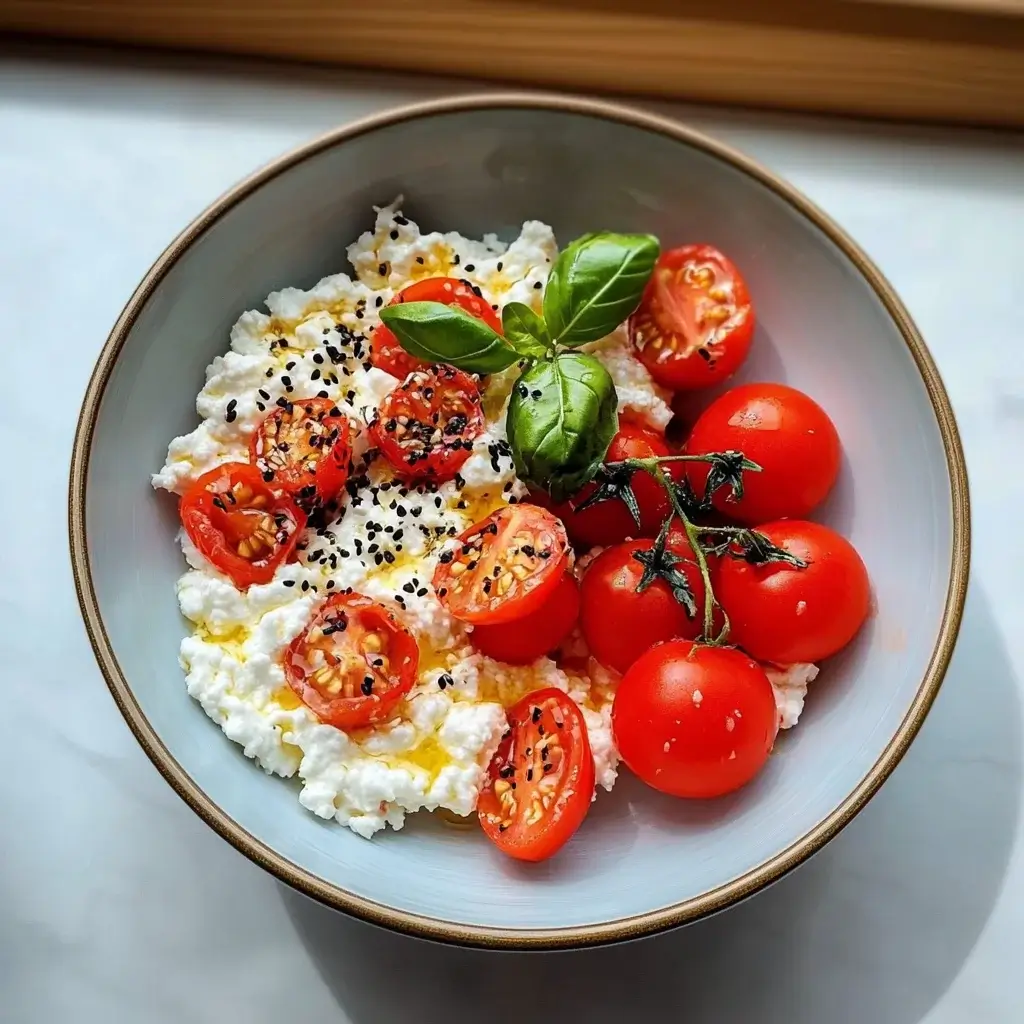
There are some food pairings that are just timeless, effortlessly simple, and profoundly satisfying. For me, cottage cheese and tomatoes sit high on that list. I remember my mom often having a bowl of creamy cottage cheese topped with freshly sliced garden tomatoes for a quick lunch, especially during the hot summer months. It was her go-to for something light yet filling. I’ve carried that tradition into my own kitchen, and it’s a combination my whole family now appreciates. My kids love it as an after-school snack when I dice the tomatoes small and sprinkle a tiny bit of everything bagel seasoning on top. My husband enjoys it with a hearty crack of black pepper and a drizzle of good olive oil. It’s more than just a quick fix; it’s a canvas for flavor, a nutritious powerhouse, and a testament to how a few quality ingredients can create something truly delicious and wholesome. Whether I’m looking for a speedy breakfast, a light lunch, or a protein-packed snack, this humble duo never disappoints.
Why Cottage Cheese and Tomatoes are a Perfect Match
Before we dive into specific “recipes” (though the beauty of this pairing often lies in its recipe-free simplicity), let’s explore why cottage cheese and tomatoes work so harmoniously together. This isn’t just a random pairing; it’s a culinary synergy that delights the palate and nourishes the body.
Flavor Harmony:
The magic begins with the taste profiles. Cottage cheese, with its mild, slightly tangy, and creamy flavor, provides a wonderful base. It’s a cooling counterpoint to the bright, juicy, and often slightly acidic sweetness of ripe tomatoes.
- Cottage Cheese: Offers a lactic tang and a subtle saltiness that can vary depending on the brand and type (e.g., full-fat vs. low-fat, added salt).
- Tomatoes: Bring sweetness (especially cherry or grape tomatoes), umami (particularly in very ripe, flavorful varieties), and a refreshing acidity. This acidity cuts through the richness of the cottage cheese, preventing the pairing from feeling too heavy.
Textural Contrast:
Texture plays a huge role in our enjoyment of food, and this duo delivers beautifully:
- Cottage Cheese: Provides a soft, lumpy (or smooth, depending on the style – small curd, large curd, or whipped) and yielding texture.
- Tomatoes: Offer a burst of juiciness, and depending on the type and preparation, can range from the tender skin of a cherry tomato to the firmer flesh of a Roma, or the yielding softness of a perfectly ripe beefsteak. The slight resistance of the tomato skin followed by the juicy interior is a delightful contrast to the creamy curds.
Nutritional Powerhouse:
Beyond taste and texture, cottage cheese and tomatoes are a nutritional dream team:
- Protein Punch: Cottage cheese is renowned for its high protein content, primarily casein protein, which digests slowly, promoting satiety and muscle maintenance.
- Vitamin & Mineral Rich Tomatoes: Tomatoes are packed with Vitamin C (immune support), potassium (heart health, fluid balance), and most famously, lycopene. Lycopene is a powerful antioxidant linked to reduced risk of certain cancers and heart disease. Its absorption is even enhanced when consumed with a little fat, which cottage cheese can provide.
- Calcium: Cottage cheese is a good source of calcium, essential for bone health.
- Relatively Low in Calories: For the nutritional punch it delivers, this combination can be relatively low in calories, especially if using low-fat cottage cheese and no high-calorie additions, making it suitable for weight management.
Versatility and Simplicity:
This pairing is the epitome of “less is more.” It requires minimal preparation yet can be adapted in countless ways with seasonings, herbs, and other simple additions. It fits into various meal occasions, from a quick snack to a component of a more substantial meal.
The complementary nature of their flavors, the pleasing contrast of their textures, and their combined nutritional benefits make cottage cheese and tomatoes a classic pairing that has stood the test of time for very good reasons.
Core Ingredients for a Classic Cottage Cheese and Tomato Bowl
While you can get fancy, the classic combination relies on just a few key components. The quality of these ingredients will significantly impact the final taste.
- Cottage Cheese (1/2 to 1 cup / 115g to 230g per serving):
- Types:
- Curd Size: Small curd, large curd, or even whipped. Small curd tends to mix more uniformly with diced tomatoes, while large curd offers more distinct textural bites. Whipped cottage cheese provides a smoother, more dip-like consistency.
- Fat Content: Full-fat (typically 4%), low-fat (1% or 2%), or non-fat. Full-fat cottage cheese is generally creamier and richer in flavor. Low-fat and non-fat versions are lighter but can sometimes be a bit more watery or tart. Choose based on your dietary preferences and taste.
- Quality: Look for brands with minimal ingredients, preferably just milk, cream, salt, and active cultures. Some may contain stabilizers; try to opt for those without, if possible, for a cleaner taste.
- Types:
- Tomatoes (1 medium, or 1/2 cup chopped / 75-100g per serving):
- Types & Best Choices:
- Cherry or Grape Tomatoes: Sweet, bite-sized, and usually require just halving or quartering. They offer a great burst of flavor and tend to be consistently good year-round.
- Roma Tomatoes: Firmer flesh, fewer seeds, and less juice, making them good for dicing without making the cottage cheese too watery.
- Beefsteak or Heirloom Tomatoes: When in season, these offer incredible flavor and juiciness. Dice them into manageable chunks. Heirloom varieties can bring unique colors and taste profiles.
- Tomatoes on the Vine: Often have a good balance of sweetness and acidity.
- Ripeness is Key: The most important factor is ripeness. A perfectly ripe tomato will be fragrant, slightly yielding to the touch, and deeply colored. An underripe tomato will be hard and lack flavor, while an overripe one can be mushy.
- Types & Best Choices:
- Seasoning (to taste):
- Salt (Fine Sea Salt or Kosher Salt): Essential for bringing out the flavors of both the cottage cheese and the tomatoes.
- Freshly Ground Black Pepper: Adds a touch of warmth and spice. The difference between freshly ground and pre-ground pepper is significant.
- Optional Basic Seasonings:
- Garlic Powder (a tiny pinch): For a subtle savory hint.
- Onion Powder (a tiny pinch): Adds another layer of savory depth.
- Fresh Herbs (Optional, 1-2 teaspoons chopped):
- Basil: A classic pairing with tomatoes, adding a sweet, slightly peppery, anise-like flavor.
- Chives: Offer a mild, fresh oniony note.
- Parsley (Flat-leaf or Italian): Adds freshness and a clean, slightly grassy flavor.
- Dill: Provides a unique, slightly tangy, and fresh flavor that can be surprisingly good.
- Oregano (fresh or a pinch of dried): Especially good if you want a Mediterranean vibe.
- A Drizzle of Something Extra (Optional):
- Extra Virgin Olive Oil (1/2 to 1 teaspoon): A good quality EVOO adds fruity notes, healthy fats, and richness.
- Balsamic Glaze or Vinegar (a few drops to 1/2 teaspoon): Adds sweetness and tang. A thick glaze is particularly nice.
- Lemon Juice (a tiny squeeze): Brightens the flavors.
Simple Instructions: Creating Your Perfect Bowl
This is less of a strict recipe and more of a guideline, as the beauty lies in its simplicity and adaptability.
- Prepare the Tomatoes:
- Wash your tomatoes thoroughly under cool running water.
- If using cherry or grape tomatoes, you can leave them whole (if very small), halve them, or quarter them.
- If using larger tomatoes (Roma, beefsteak, heirloom), core them if necessary and dice them into your preferred size. Bite-sized chunks, around 1/2-inch to 3/4-inch, work well.
- Optional Tip: If your tomatoes are very juicy and you prefer a less watery result, you can lightly salt the diced tomatoes in a separate small bowl and let them sit for 5-10 minutes. This will draw out some excess moisture. Drain off any accumulated liquid before adding to the cottage cheese.
- Portion the Cottage Cheese:
- Spoon your desired amount of cottage cheese into a bowl.
- If your cottage cheese has a lot of excess liquid whey, you might want to drain some of it off for a thicker consistency, though some people enjoy the extra moisture.
- Combine and Season:
- Add the prepared tomatoes to the bowl with the cottage cheese.
- Season with salt and freshly ground black pepper to your taste. Start with a small amount; you can always add more.
- If using other powdered seasonings like garlic or onion powder, add a tiny pinch now.
- Add Fresh Herbs and Drizzles (If Using):
- If you’re incorporating fresh herbs, sprinkle them over the cottage cheese and tomatoes.
- If using olive oil, balsamic glaze, or lemon juice, drizzle it on top.
- Gently Mix (or Don’t!):
- You can gently stir everything together to combine the flavors and distribute the seasonings.
- Alternatively, some people prefer to keep the tomatoes mostly on top for presentation and to enjoy the distinct layers.
- Taste and Adjust:
- Give it a taste. Does it need more salt? More pepper? A bit more brightness from lemon? Adjust seasonings as needed.
- Serve Immediately:
- Cottage cheese and tomatoes are best enjoyed fresh.
This basic preparation takes only a few minutes and results in a delicious and satisfying dish.
Nutrition Facts (Per Serving – Approximate)
The nutritional information will vary based on the type of cottage cheese (fat content, brand), the amount used, and the quantity of tomatoes. The following is an estimation for a common serving size:
- Serving Size: 1 cup (approx. 226g) of 2% low-fat cottage cheese + 1 medium tomato (approx. 120g), diced.
- Calories per serving (approximate): 180-250 kcal
Breakdown of Potential Nutritional Benefits (for the estimated serving):
- Protein: 25-30 grams (Excellent source, crucial for satiety, muscle repair, and overall body function)
- Fat: 2-5 grams (if using low-fat; higher if using full-fat cottage cheese or adding olive oil)
- Saturated Fat: 1-3 grams
- Carbohydrates: 8-12 grams
- Sugars: 6-10 grams (mostly natural sugars from lactose in cottage cheese and fructose in tomatoes)
- Fiber: 1-2 grams (from tomatoes)
- Sodium: 600-900 mg (Cottage cheese can be high in sodium; look for lower-sodium options if this is a concern)
- Key Vitamins and Minerals:
- Calcium: Significant amount from cottage cheese (15-20% DV)
- Phosphorus: Good source from cottage cheese.
- Selenium: Good source from cottage cheese.
- Vitamin B12: Good source from cottage cheese.
- Riboflavin (B2): Good source from cottage cheese.
- Vitamin C: Good source from tomatoes (15-25% DV)
- Potassium: Good source from tomatoes.
- Lycopene: Excellent source from tomatoes (a powerful antioxidant).
- Vitamin K: From tomatoes.
- Folate: From tomatoes.
Important Considerations:
- Sodium Content: Be mindful of the sodium in cottage cheese. If you are on a low-sodium diet, compare brands or consider rinsing your cottage cheese (though this can affect texture and some nutrients).
- Added Sugars: Plain cottage cheese should have no added sugars beyond naturally occurring lactose. Flavored varieties often do.
- Add-ins: Remember that adding ingredients like olive oil, nuts, seeds, or sweeteners will alter the nutritional profile.
Overall, plain cottage cheese and tomatoes provide a nutrient-dense, high-protein, and relatively low-calorie option, making it an excellent choice for a healthy snack or light meal.
Preparation Time: Minimal Effort, Maximum Reward
One of the greatest appeals of cottage cheese and tomatoes is its incredibly short preparation time.
- Active Preparation Time: 2-5 minutes
- Washing and chopping tomatoes: 1-3 minutes
- Scooping cottage cheese and seasoning: 1-2 minutes
- Total Time: Approximately 2-5 minutes
This makes it an ideal choice for:
- Busy mornings when you need a quick, protein-packed breakfast.
- A fast and healthy lunch option at home or packed for work.
- An instant, satisfying snack to curb hunger between meals.
- A simple side dish that requires no cooking.
The minimal time investment for such a flavorful and nutritious dish is almost unbeatable.
How to Serve: Beyond the Basic Bowl
While a simple bowl of cottage cheese and tomatoes is delightful, this versatile duo can be served in many creative ways:
- The Classic Bowl (with variations):
- Everything Bagel Seasoning: A popular choice for adding savory crunch and flavor.
- Spicy Kick: Add red pepper flakes, a dash of hot sauce, or finely chopped jalapeños.
- Mediterranean Twist: Add chopped cucumbers, Kalamata olives, fresh oregano, and a squeeze of lemon.
- Sweet & Savory: A drizzle of honey or hot honey can be surprisingly delicious.
- On Toast or Crackers:
- Cottage Cheese Toast: Spread cottage cheese on toasted whole-grain bread, then top with sliced or diced tomatoes, salt, pepper, and perhaps some fresh basil or a drizzle of olive oil.
- With Crackers: Serve as a quick snack with your favorite whole-grain crackers, rice cakes, or crispbreads.
- As a Salad Component or Base:
- Stuffed Tomatoes: Hollow out larger tomatoes and fill them with seasoned cottage cheese.
- Stuffed Avocados: Halve an avocado, remove the pit, and fill the cavity with cottage cheese and diced tomatoes.
- Bed of Greens: Serve cottage cheese and tomatoes over a bed of spinach, arugula, or mixed greens for a more substantial salad. Add other veggies like cucumbers, bell peppers, or red onions.
- With Eggs:
- Alongside Scrambled Eggs or an Omelet: A scoop of cottage cheese with tomatoes makes a refreshing and protein-rich side to your breakfast eggs.
- Mixed In: Some people enjoy stirring cottage cheese into their scrambled eggs while cooking for extra creaminess, then topping with tomatoes.
- As a Dip:
- Whipped Cottage Cheese Dip: Blend cottage cheese until smooth, then fold in finely diced tomatoes, herbs, and seasonings. Serve with vegetable sticks, pita bread, or chips.
- Baked or Warmed (less common but possible):
- Cottage Cheese Bake: Mix cottage cheese with tomatoes, herbs, and perhaps an egg as a binder, then bake in a small dish until warmed through and slightly set. This changes the texture significantly.
- In Wraps or Sandwiches:
- Use as a creamy, fresh filling in a whole-wheat wrap or sandwich, perhaps with some crisp lettuce.
- Garnish and Presentation:
- Always consider a final flourish: a sprig of fresh basil, a sprinkle of vibrant paprika, a few toasted sesame seeds, or a swirl of balsamic glaze can elevate the visual appeal.
The possibilities are vast, allowing you to tailor this simple pairing to your specific cravings and meal needs.
Additional Tips for the Best Cottage Cheese and Tomato Experience
Elevate your simple cottage cheese and tomato dish from good to great with these five tips:
- Prioritize Quality Ingredients: This cannot be overstated for a dish with so few components.
- Tomatoes: Use the freshest, ripest tomatoes you can find. In-season, locally grown tomatoes will almost always taste better. If good fresh tomatoes aren’t available, good quality cherry or grape tomatoes are often a reliable year-round option.
- Cottage Cheese: Taste different brands and types (full-fat, low-fat, curd size) to find your favorite. Look for cottage cheese with a clean, fresh taste and minimal additives.
- Season Generously and Thoughtfully: Salt and pepper are fundamental. Salt enhances the sweetness of the tomatoes and balances the tang of the cottage cheese. Freshly ground black pepper adds a necessary zing. Don’t be afraid to season well, tasting as you go. Explore other seasonings like garlic powder, onion powder, smoked paprika, or dried oregano for different flavor profiles.
- Embrace Fresh Herbs: Fresh herbs can transform this simple dish.
- Basil: The classic pairing for tomatoes, it adds a sweet, aromatic note.
- Chives or Green Onions: Provide a mild, fresh onion flavor.
- Dill: Offers a unique, tangy freshness.
- Parsley: Adds a clean, bright taste.
Chop them just before adding to release their maximum aroma and flavor.
- Consider a Drizzle of High-Quality Fat: A small amount of good quality extra virgin olive oil can add richness, fruity notes, and help your body absorb the fat-soluble vitamins (like lycopene) from the tomatoes. A high-quality, flavorful olive oil makes a noticeable difference. Alternatively, a drizzle of balsamic glaze can add a lovely sweet-tart dimension.
- Play with Texture and Temperature:
- Texture: If you like crunch, consider adding toasted nuts (walnuts, almonds), seeds (sunflower, pumpkin, sesame), or even a sprinkle of homemade croutons or crispy fried onions.
- Temperature: While usually served chilled or at room temperature, some people enjoy slightly warming the cottage cheese (though be careful not to overheat, as it can separate) or serving it with warm, freshly toasted bread for a pleasant temperature contrast.
Frequently Asked Questions (FAQ) about Cottage Cheese and Tomatoes
Here are answers to some common questions about enjoying cottage cheese and tomatoes:
- Q: Can I prepare cottage cheese and tomatoes ahead of time?
- A: It’s best enjoyed fresh, as tomatoes can release a lot of water, potentially making the cottage cheese watery and the tomatoes a bit mushy if mixed too far in advance. If you need to prep ahead, you can dice the tomatoes and store them separately from the cottage cheese in airtight containers in the refrigerator. Combine and season just before serving. At most, you could combine them an hour or two beforehand if necessary, but the texture will be best if assembled right before eating.
- Q: What are the best types of tomatoes to use?
- A: This largely depends on personal preference and what’s in season.
- Cherry or Grape Tomatoes: Excellent for sweetness, consistent flavor, and ease of preparation (just halve or quarter).
- Roma Tomatoes: Good for dicing as they have firmer flesh and fewer seeds, leading to less sogginess.
- Heirloom or Beefsteak Tomatoes: When in season, these offer superior flavor and juiciness. Choose ripe but still slightly firm ones for dicing.
The key is to use ripe, flavorful tomatoes. Avoid hard, underripe tomatoes.
- A: This largely depends on personal preference and what’s in season.
- Q: Is it okay to use flavored cottage cheese?
- A: You can, but be mindful of the flavor profile. Plain cottage cheese allows the natural taste of the tomatoes and your chosen seasonings to shine. Flavored cottage cheeses (like chive, pineapple, or garden vegetable) will introduce their own distinct tastes, which may or may not complement fresh tomatoes well, and often contain added sugars or sodium. If you do use a flavored one, you might need to adjust or omit other seasonings. For the purest experience, plain is usually best.
- Q: Is cottage cheese and tomatoes a good option for weight loss?
- A: Yes, it can be an excellent choice for weight management. Cottage cheese is high in protein, which promotes satiety and helps you feel fuller for longer, potentially reducing overall calorie intake. Tomatoes are low in calories and rich in nutrients and fiber. When choosing low-fat or non-fat cottage cheese and avoiding high-calorie additions, it’s a nutrient-dense, relatively low-calorie meal or snack. However, always consider portion sizes and overall dietary balance.
- Q: How can I make cottage cheese and tomatoes more filling or a complete meal?
- A: To make it more substantial:
- Add Healthy Fats & Protein: Include a handful of nuts (almonds, walnuts), seeds (chia, flax, pumpkin), or sliced avocado. A hard-boiled egg on the side also boosts protein.
- Incorporate Whole Grains: Serve it on whole-grain toast, with a side of quinoa, or mixed with cooked farro or bulgur.
- Add More Vegetables: Mix in diced cucumbers, bell peppers, spinach, or shredded carrots for added fiber and nutrients.
- Lean Protein: Top with grilled chicken strips or canned tuna/salmon for an even bigger protein hit.
By adding these components, you can easily transform a simple cottage cheese and tomato snack into a balanced and filling meal.
- A: To make it more substantial:

Cottage Cheese and Tomatoes Recipe
Ingredients
-
- Cottage Cheese (1/2 to 1 cup / 115g to 230g per serving):
-
- Types:
-
- Curd Size: Small curd, large curd, or even whipped. Small curd tends to mix more uniformly with diced tomatoes, while large curd offers more distinct textural bites. Whipped cottage cheese provides a smoother, more dip-like consistency.
-
- Fat Content: Full-fat (typically 4%), low-fat (1% or 2%), or non-fat. Full-fat cottage cheese is generally creamier and richer in flavor. Low-fat and non-fat versions are lighter but can sometimes be a bit more watery or tart. Choose based on your dietary preferences and taste.
-
- Types:
-
- Quality: Look for brands with minimal ingredients, preferably just milk, cream, salt, and active cultures. Some may contain stabilizers; try to opt for those without, if possible, for a cleaner taste.
-
- Cottage Cheese (1/2 to 1 cup / 115g to 230g per serving):
-
- Tomatoes (1 medium, or 1/2 cup chopped / 75-100g per serving):
-
- Types & Best Choices:
-
- Cherry or Grape Tomatoes: Sweet, bite-sized, and usually require just halving or quartering. They offer a great burst of flavor and tend to be consistently good year-round.
-
- Roma Tomatoes: Firmer flesh, fewer seeds, and less juice, making them good for dicing without making the cottage cheese too watery.
-
- Beefsteak or Heirloom Tomatoes: When in season, these offer incredible flavor and juiciness. Dice them into manageable chunks. Heirloom varieties can bring unique colors and taste profiles.
-
- Tomatoes on the Vine: Often have a good balance of sweetness and acidity.
-
- Types & Best Choices:
-
- Ripeness is Key: The most important factor is ripeness. A perfectly ripe tomato will be fragrant, slightly yielding to the touch, and deeply colored. An underripe tomato will be hard and lack flavor, while an overripe one can be mushy.
-
- Tomatoes (1 medium, or 1/2 cup chopped / 75-100g per serving):
-
- Seasoning (to taste):
-
- Salt (Fine Sea Salt or Kosher Salt): Essential for bringing out the flavors of both the cottage cheese and the tomatoes.
-
- Freshly Ground Black Pepper: Adds a touch of warmth and spice. The difference between freshly ground and pre-ground pepper is significant.
-
- Optional Basic Seasonings:
-
- Garlic Powder (a tiny pinch): For a subtle savory hint.
-
- Onion Powder (a tiny pinch): Adds another layer of savory depth.
-
- Optional Basic Seasonings:
-
- Seasoning (to taste):
-
- Fresh Herbs (Optional, 1-2 teaspoons chopped):
-
- Basil: A classic pairing with tomatoes, adding a sweet, slightly peppery, anise-like flavor.
-
- Chives: Offer a mild, fresh oniony note.
-
- Parsley (Flat-leaf or Italian): Adds freshness and a clean, slightly grassy flavor.
-
- Dill: Provides a unique, slightly tangy, and fresh flavor that can be surprisingly good.
-
- Oregano (fresh or a pinch of dried): Especially good if you want a Mediterranean vibe.
-
- Fresh Herbs (Optional, 1-2 teaspoons chopped):
-
- A Drizzle of Something Extra (Optional):
-
- Extra Virgin Olive Oil (1/2 to 1 teaspoon): A good quality EVOO adds fruity notes, healthy fats, and richness.
-
- Balsamic Glaze or Vinegar (a few drops to 1/2 teaspoon): Adds sweetness and tang. A thick glaze is particularly nice.
-
- Lemon Juice (a tiny squeeze): Brightens the flavors.
-
- A Drizzle of Something Extra (Optional):
Instructions
-
- Prepare the Tomatoes:
-
- Wash your tomatoes thoroughly under cool running water.
-
- If using cherry or grape tomatoes, you can leave them whole (if very small), halve them, or quarter them.
-
- If using larger tomatoes (Roma, beefsteak, heirloom), core them if necessary and dice them into your preferred size. Bite-sized chunks, around 1/2-inch to 3/4-inch, work well.
-
- Optional Tip: If your tomatoes are very juicy and you prefer a less watery result, you can lightly salt the diced tomatoes in a separate small bowl and let them sit for 5-10 minutes. This will draw out some excess moisture. Drain off any accumulated liquid before adding to the cottage cheese.
-
- Prepare the Tomatoes:
-
- Portion the Cottage Cheese:
-
- Spoon your desired amount of cottage cheese into a bowl.
-
- If your cottage cheese has a lot of excess liquid whey, you might want to drain some of it off for a thicker consistency, though some people enjoy the extra moisture.
-
- Portion the Cottage Cheese:
-
- Combine and Season:
-
- Add the prepared tomatoes to the bowl with the cottage cheese.
-
- Season with salt and freshly ground black pepper to your taste. Start with a small amount; you can always add more.
-
- If using other powdered seasonings like garlic or onion powder, add a tiny pinch now.
-
- Combine and Season:
-
- Add Fresh Herbs and Drizzles (If Using):
-
- If you’re incorporating fresh herbs, sprinkle them over the cottage cheese and tomatoes.
-
- If using olive oil, balsamic glaze, or lemon juice, drizzle it on top.
-
- Add Fresh Herbs and Drizzles (If Using):
-
- Gently Mix (or Don’t!):
-
- You can gently stir everything together to combine the flavors and distribute the seasonings.
-
- Alternatively, some people prefer to keep the tomatoes mostly on top for presentation and to enjoy the distinct layers.
-
- Gently Mix (or Don’t!):
-
- Taste and Adjust:
-
- Give it a taste. Does it need more salt? More pepper? A bit more brightness from lemon? Adjust seasonings as needed.
-
- Taste and Adjust:
-
- Serve Immediately:
-
- Cottage cheese and tomatoes are best enjoyed fresh.
-
- Serve Immediately:
Nutrition
- Serving Size: one normal portion
- Calories: 180-250
- Sugar: 6-10 grams
- Sodium: 600-900 mg
- Fat: 2-5 grams
- Saturated Fat: 1-3 grams
- Carbohydrates: 8-12 grams
- Fiber: 1-2 grams
- Protein: 25-30 grams