
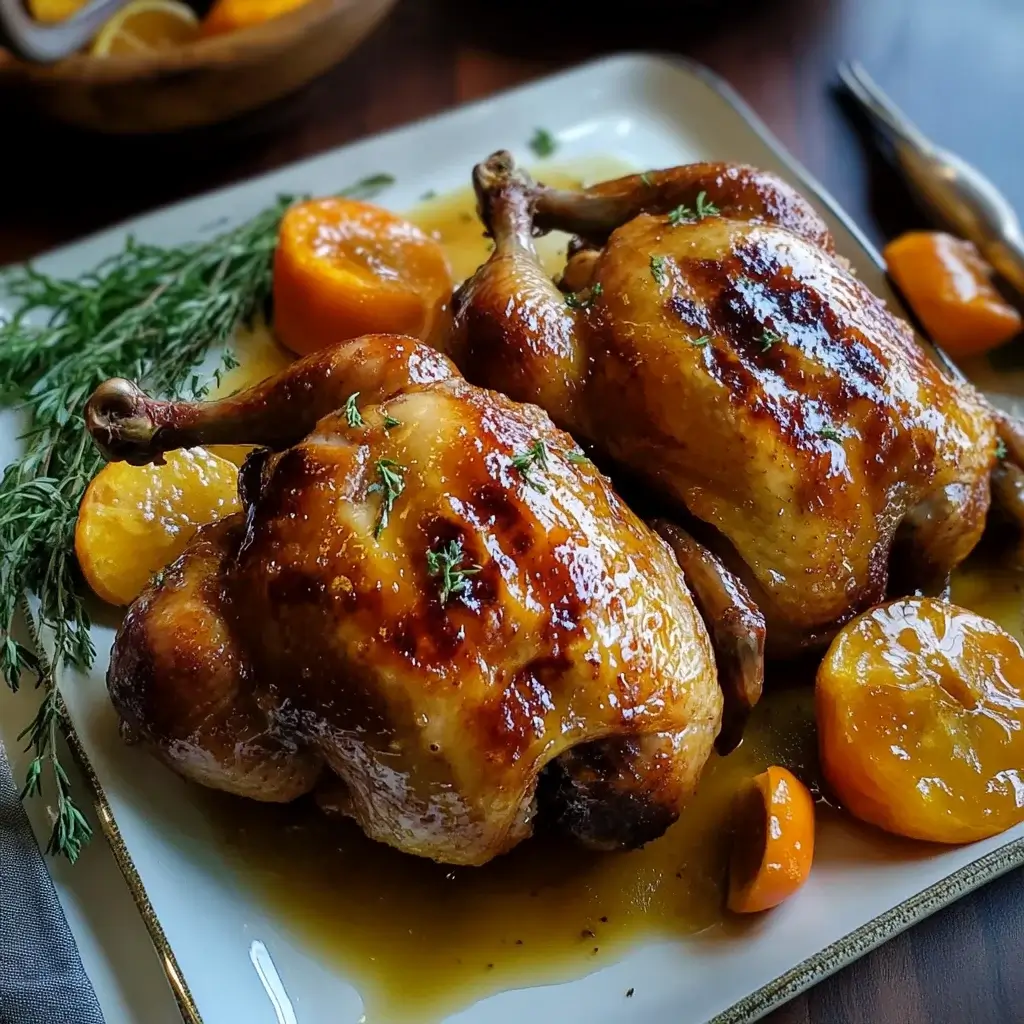
It’s funny how some dishes just feel inherently special. Cornish game hens, with their petite size and elegant presentation, always bring a touch of sophistication to the table. But sometimes, special can also mean complicated, right? Not with this recipe! I’ve always loved the idea of serving Cornish hens, but I wanted a recipe that was both impressive and approachable for a weeknight dinner or a weekend gathering. This Cornish Game Hen recipe with Apricot Glaze is exactly that. The sweet and tangy apricot glaze transforms these little birds into a flavorful masterpiece, and the cooking process is surprisingly straightforward. My family absolutely adores this dish. The glistening, golden-brown skin and the juicy, tender meat infused with the fruity glaze are simply irresistible. It’s become a go-to for holidays and celebrations, but honestly, it’s easy enough to make any regular evening feel a bit more festive. Trust me, once you try this recipe, you’ll understand why Cornish hens with apricot glaze are a timeless classic – they’re delicious, beautiful, and surprisingly simple to make.
Ingredients for Apricot Glazed Cornish Game Hens
The beauty of this Cornish Game Hen recipe lies in its harmonious blend of flavors, achieved with a carefully selected list of ingredients. Each component plays a crucial role in creating a dish that’s both elegant and deeply satisfying. Let’s break down what you’ll need to gather for this culinary delight:
- 4 Cornish Game Hens (about 1 to 1.25 pounds each): The star of the show! When selecting your Cornish hens, look for plump, evenly sized birds. Fresh or frozen hens will work equally well, just ensure they are fully thawed if using frozen. The size is important for even cooking; hens that are too large might require longer cooking times and could dry out before the glaze caramelizes perfectly. Consider purchasing organic or free-range hens for potentially richer flavor and better quality, if available and within your budget.
- 1 cup Apricot Preserves: This is the foundation of our luscious glaze. Opt for good quality apricot preserves, as the flavor will significantly impact the final dish. Choose preserves that are smooth or with small pieces of fruit, rather than chunky jam. If you prefer a less sweet glaze, you can use “less sugar” or “no sugar added” varieties, but you might need to adjust the other glaze ingredients to achieve the desired balance.
- 1/4 cup Dijon Mustard: Dijon mustard adds a crucial tangy counterpoint to the sweetness of the apricot preserves. Its sharp, slightly spicy flavor cuts through the richness and prevents the glaze from becoming cloying. If you don’t have Dijon mustard, you can use whole grain mustard for a more textured glaze, or even yellow mustard in a pinch, though the flavor profile will be less complex.
- 1/4 cup Apple Cider Vinegar: The apple cider vinegar further enhances the tanginess of the glaze and adds a subtle fruity note that complements the apricot. It also helps to tenderize the hens slightly during cooking. If you don’t have apple cider vinegar, you can substitute with white wine vinegar or even lemon juice, though the flavor will be slightly different.
- 2 tablespoons Soy Sauce: Soy sauce introduces a savory umami depth to the glaze, balancing the sweetness and tang and adding complexity to the overall flavor profile. Use low-sodium soy sauce to control the saltiness of the dish. If you are gluten-free, you can substitute with tamari, which has a similar flavor but is typically gluten-free.
- 2 tablespoons Olive Oil: Olive oil is used for brushing the hens before roasting. It helps to promote crispy skin and aids in even browning. You can also use other neutral oils with a high smoke point, such as avocado oil or canola oil. Melted butter can be used for richer flavor, but be mindful of the heat as butter can burn more easily than oil.
- 2 cloves Garlic, minced: Fresh garlic adds a pungent, aromatic layer to the glaze and the overall dish. Mince the garlic finely to ensure it distributes evenly and infuses its flavor throughout the glaze and the hens. If you don’t have fresh garlic, you can use garlic powder, but fresh garlic will provide a more vibrant and nuanced flavor.
- 1 teaspoon Dried Thyme: Dried thyme provides a classic herbaceous note that pairs beautifully with poultry and apricot. Its earthy, slightly lemony flavor enhances the glaze and complements the savory meat of the Cornish hens. You can also use other herbs like rosemary, sage, or a poultry blend, depending on your preference. Fresh thyme can be used as well; use about 1 tablespoon of fresh thyme leaves.
- 1/2 teaspoon Salt: Salt is essential for seasoning both the glaze and the hens. It enhances all the flavors and brings them into balance. Use kosher salt or sea salt for best results. Adjust the amount of salt to your taste, considering the saltiness of the soy sauce.
- 1/4 teaspoon Black Pepper: Freshly ground black pepper adds a touch of spice and complexity to the glaze and the overall dish. Adjust the amount to your preference. White pepper can also be used for a milder peppery flavor.
- Optional: Fresh Parsley or Thyme sprigs for garnish: Fresh herbs add a beautiful finishing touch and a pop of color when serving. Chopped parsley or thyme sprigs can be sprinkled over the roasted hens just before serving.
Instructions for Making Apricot Glazed Cornish Game Hens
Creating these delectable Apricot Glazed Cornish Game Hens is a surprisingly straightforward process. By following these step-by-step instructions, you’ll be able to roast these elegant birds to golden-brown perfection, infused with a flavorful, tangy-sweet glaze. Let’s get started!
- Preheat Oven and Prepare Baking Pan: Begin by preheating your oven to 375°F (190°C). This temperature is ideal for roasting Cornish hens, allowing them to cook through evenly while developing a beautifully browned and crispy skin. While the oven is preheating, prepare a roasting pan. You can use a shallow roasting pan or a baking sheet with sides. Line the pan with foil for easier cleanup. If you have a roasting rack, placing it inside the pan is beneficial as it allows for better air circulation around the hens, promoting more even cooking and crispier skin. If you don’t have a rack, simply placing the hens directly on the foil-lined pan will work as well.
- Prepare the Cornish Game Hens: Remove the Cornish game hens from their packaging. If they are frozen, ensure they are completely thawed. Pat the hens dry thoroughly with paper towels, both inside and out. This step is crucial for achieving crispy skin. Excess moisture will steam the skin instead of allowing it to crisp up in the oven. Check the cavity of each hen for any giblets or neck pieces and remove them. You can discard these or save them for making stock later. Trussing the hens is optional but recommended for a more even cooking and a more aesthetically pleasing presentation. To truss, tuck the wing tips under the body of the hen, and tie the legs together with kitchen twine. This helps the hens cook more uniformly and prevents the legs from splaying out during roasting.
- Make the Apricot Glaze: In a medium saucepan, combine the apricot preserves, Dijon mustard, apple cider vinegar, soy sauce, minced garlic, dried thyme, salt, and black pepper. Place the saucepan over medium heat and stir to combine all the ingredients. Bring the mixture to a simmer, then reduce the heat to low and let it simmer gently for about 5-7 minutes, stirring occasionally. This simmering process allows the flavors to meld together beautifully and the glaze to thicken slightly. Taste the glaze and adjust seasonings as needed. If you prefer a sweeter glaze, you can add a touch of honey or brown sugar. If you want more tang, add a splash more apple cider vinegar or lemon juice. Once the glaze has simmered and thickened slightly, remove it from the heat and set aside.
- Brush Hens with Olive Oil and Season: Place the prepared Cornish game hens in the prepared roasting pan. Brush each hen generously with olive oil, ensuring to coat all sides, including the legs and wings. The olive oil will help the skin crisp up and brown beautifully during roasting. Season the hens generously with salt and pepper, both inside and out. Don’t be shy with the seasoning, as this is crucial for flavorful meat. You can also sprinkle a little extra dried thyme or other herbs inside the cavity of each hen for added flavor.
- Roast the Cornish Game Hens: Place the roasting pan with the hens in the preheated oven. Roast for 30 minutes. After 30 minutes, remove the pan from the oven and brush the hens generously with the apricot glaze. Make sure to coat them evenly with the glaze, getting into all the crevices and nooks. Return the pan to the oven and continue to roast for another 20-30 minutes, or until the internal temperature of the thickest part of the thigh reaches 165°F (74°C). Baste the hens with the apricot glaze every 10 minutes during this final roasting period. Basting helps to build up layers of glaze, creating a beautiful, glistening finish and adding flavor and moisture. Use a meat thermometer to accurately check the internal temperature. Insert the thermometer into the thickest part of the thigh, avoiding the bone. The hens are done when the thermometer reads 165°F (74°C) and the juices run clear when pierced with a fork. The skin should be a deep golden brown and beautifully glazed.
- Rest Before Carving and Serving: Once the Cornish game hens are cooked through, remove the roasting pan from the oven. Tent the hens loosely with aluminum foil and let them rest for 10-15 minutes before carving and serving. Resting is essential as it allows the juices to redistribute throughout the meat, resulting in more tender and flavorful hens. While the hens are resting, you can prepare any side dishes you plan to serve with them.
- Carve and Serve: After resting, carve the Cornish game hens. Each hen is typically considered a single serving. You can serve them whole for a more elegant presentation or carve them in half lengthwise. To carve, use a sharp knife or kitchen shears to cut along either side of the breastbone to remove the breast meat. You can also separate the legs and thighs. Arrange the carved Cornish game hens on a serving platter. Spoon any remaining apricot glaze from the roasting pan over the hens for extra flavor and moisture. Garnish with fresh parsley or thyme sprigs, if desired, for a beautiful finishing touch. Serve immediately and enjoy!
Nutrition Facts for Apricot Glazed Cornish Game Hens
Understanding the nutritional profile of your meals is important for making informed dietary choices. Here’s an estimated nutritional breakdown for one serving (one Cornish game hen) of these Apricot Glazed Cornish Game Hens. Please note that these are estimates and can vary based on specific ingredients used, portion sizes, and the removal of skin before eating.
- Servings: 4 servings (1 Cornish game hen per serving)
- Calories per Serving (estimated): Approximately 450-550 calories
- Fat: 25-35g (primarily from the Cornish hen and olive oil)
- Saturated Fat: 7-10g
- Cholesterol: 200-250mg
- Sodium: 500-700mg (depending on salt and soy sauce used)
- Carbohydrates: 20-30g (primarily from apricot preserves)
- Fiber: 1-2g
- Sugar: 15-20g (primarily from apricot preserves)
- Protein: 35-45g
Important Notes:
- These values are estimates and can vary.
- Removing the skin will significantly reduce the fat and calorie content.
- Using different types of apricot preserves or adjusting glaze ingredients will alter the nutritional content.
- Serving sizes and accompanying side dishes will impact overall nutritional intake.
For a more precise nutritional analysis, you can use online nutrition calculators and input the specific brands and quantities of ingredients used in your recipe. Cornish game hens are a good source of lean protein, and this recipe provides a flavorful and relatively balanced meal when paired with healthy side dishes.
Preparation Time for Apricot Glazed Cornish Game Hens
One of the many appealing aspects of this Apricot Glazed Cornish Game Hen recipe is its manageable preparation time. It strikes a perfect balance between elegance and efficiency, making it suitable for both special occasions and weeknight dinners. Here’s a breakdown of the estimated time involved:
- Prep Time: 20-25 minutes (This includes thawing hens if frozen, patting dry, preparing the glaze, and brushing hens with oil and seasoning)
- Cook Time: 50-60 minutes (This is the total roasting time, including the initial roast and the glazing and basting period)
- Rest Time: 10-15 minutes (Essential for juicy and tender hens)
- Total Time: Approximately 1 hour 20 minutes to 1 hour 40 minutes
This timeframe allows for a relatively quick and impressive meal. The active cooking time is primarily spent roasting, allowing you to focus on preparing side dishes or simply relaxing while the oven does its magic. To further streamline the process, you can prepare the apricot glaze a day in advance and store it in the refrigerator. This will shave off a few minutes of prep time on the day of cooking.
How to Serve Apricot Glazed Cornish Game Hens
Apricot Glazed Cornish Game Hens are incredibly versatile and can be served in a variety of ways, making them suitable for diverse occasions, from intimate dinners to festive gatherings. Their elegant presentation and delightful flavor profile make them a standout centerpiece. Here are some serving suggestions to elevate your Cornish hen experience:
- Classic Side Dish Pairings:
- Roasted Vegetables: Roasted root vegetables like carrots, potatoes, parsnips, and sweet potatoes complement the sweetness of the apricot glaze beautifully. Toss them with olive oil, herbs, and roast alongside the hens for a complete meal.
- Rice Pilaf: A fluffy rice pilaf, perhaps infused with herbs or almonds, provides a perfect starchy base to soak up the delicious glaze and pan juices.
- Mashed Potatoes or Sweet Potato Mash: Creamy mashed potatoes or a slightly sweet sweet potato mash offer a comforting and classic side dish that pairs wonderfully with poultry.
- Green Beans or Asparagus: Steamed or roasted green beans or asparagus provide a fresh, vibrant green element and a welcome contrast to the richness of the hens. Consider sautéing them with garlic and lemon for extra flavor.
- Quinoa Salad: For a lighter and healthier option, serve with a quinoa salad tossed with dried cranberries, nuts, and a citrus vinaigrette, echoing the fruity notes of the glaze.
- Elegant Occasions and Holiday Feasts:
- Thanksgiving or Christmas Dinner: Cornish game hens are a sophisticated alternative to a large turkey, especially for smaller gatherings. They offer individual portions and an elegant presentation perfect for holiday feasts.
- Special Occasion Dinners: Serve Cornish hens for anniversaries, birthdays, or other celebratory dinners. Their presentation immediately elevates the meal and makes it feel special.
- Dinner Parties: Impress your guests with individual Cornish hens. They are portioned perfectly and require no carving at the table, making them ideal for elegant dinner parties.
- Sauces and Garnishes to Enhance the Dish:
- Pan Juices and Glaze: Spoon the flavorful pan juices and remaining apricot glaze over the hens before serving. This adds extra moisture and intensifies the glaze flavor.
- Fresh Herbs: Garnish with fresh parsley, thyme sprigs, or rosemary sprigs for a pop of color and fresh aroma.
- Citrus Wedges: Serve with lemon or orange wedges to brighten the dish and offer a squeeze of acidity to cut through the richness.
- Toasted Almonds or Pecans: Sprinkle toasted slivered almonds or pecans over the hens for added texture and a nutty complement to the apricot glaze.
- Cranberry Sauce or Chutney: A small dollop of cranberry sauce or a fruit chutney can add another layer of fruity sweetness and tang, echoing the apricot glaze.
- Presentation Ideas:
- Individual Plates: Plate each Cornish hen on individual plates with a selection of side dishes for an elegant, restaurant-style presentation.
- Platter Presentation: Arrange the roasted hens on a large serving platter, surrounded by roasted vegetables and garnished with fresh herbs for a visually stunning centerpiece.
- Stuffing: Consider stuffing the Cornish hens with a flavorful bread or wild rice stuffing for a heartier and more festive presentation.
Additional Tips for Perfect Apricot Glazed Cornish Game Hens
While this recipe is already designed for delicious results, these five additional tips will help you take your Apricot Glazed Cornish Game Hens to the next level, ensuring perfectly cooked, juicy, and flavorful birds every time:
- Ensure Hens are Fully Thawed and Pat Dry: If using frozen Cornish game hens, make absolutely sure they are completely thawed before cooking. Thawing them overnight in the refrigerator is the safest and most recommended method. Once thawed, thoroughly pat the hens dry, both inside and out, with paper towels. This step is critical for achieving crispy skin. Excess moisture on the skin will hinder browning and crisping, resulting in steamed rather than roasted skin. A dry surface allows the olive oil to adhere better and promotes that desirable golden-brown, crispy exterior.
- Don’t Overcrowd the Roasting Pan: Give your Cornish game hens space to breathe in the roasting pan. Overcrowding the pan will lead to steaming rather than roasting, preventing proper browning and crisping. If you are cooking more than four hens, use two separate roasting pans or cook them in batches. Ensure there is enough space between each hen for hot air to circulate freely, allowing for even cooking and crispy skin on all sides. Proper air circulation is key to achieving that perfect roasted texture.
- Baste Frequently and Build Layers of Glaze: Basting is crucial for creating that beautiful, glistening apricot glaze and infusing the hens with flavor. Baste the hens generously with the apricot glaze every 10 minutes during the last 20-30 minutes of roasting. This repeated basting builds up layers of glaze, creating a rich, caramelized coating that is both visually appealing and incredibly flavorful. Don’t be afraid to be generous with the glaze; it’s what makes this dish so special. Ensure you coat all sides of the hens with each basting session for even flavor and color.
- Use a Meat Thermometer for Accurate Doneness: Don’t rely solely on cooking time to determine doneness. Invest in a reliable meat thermometer and use it to check the internal temperature of the Cornish game hens. Insert the thermometer into the thickest part of the thigh, avoiding the bone. The hens are cooked through when the internal temperature reaches 165°F (74°C). Overcooking will result in dry, tough meat, while undercooking poses a food safety risk. A meat thermometer ensures perfectly cooked, juicy hens every time.
- Rest the Hens Before Carving: Resist the temptation to carve the Cornish game hens immediately after taking them out of the oven. Resting is an essential step for juicy, tender poultry. Tent the roasted hens loosely with aluminum foil and let them rest for 10-15 minutes before carving and serving. During this resting period, the juices redistribute throughout the meat, resulting in a more flavorful and succulent final product. Skipping this step will result in juices running out when you carve, leading to drier meat.
Frequently Asked Questions (FAQ) About Apricot Glazed Cornish Game Hens
Here are some common questions people often ask when making Apricot Glazed Cornish Game Hens, along with helpful answers to ensure your cooking experience is smooth and successful:
Q1: Can I substitute the apricot preserves with another fruit preserve?
A: Yes, you can definitely experiment with other fruit preserves to create different glaze variations. Peach preserves, orange marmalade, or even fig preserves would all work well and offer unique flavor profiles. Peach preserves will provide a similar sweetness and tanginess to apricot. Orange marmalade will add a citrusy note, while fig preserves will bring a richer, more complex sweetness. Consider the flavor profile you’re aiming for when making your substitution.
Q2: Can I make the apricot glaze ahead of time?
A: Absolutely! Making the apricot glaze ahead of time is a great time-saving tip. You can prepare the glaze up to 2-3 days in advance and store it in an airtight container in the refrigerator. When you’re ready to cook the hens, simply reheat the glaze gently in a saucepan or microwave until it’s pourable and ready to use for basting. Making the glaze ahead allows the flavors to meld together even more beautifully, enhancing the overall taste of the dish.
Q3: How do I store leftover Cornish game hens?
A: Store leftover cooked Cornish game hens in an airtight container in the refrigerator for up to 3-4 days. For best results, remove the meat from the bones before storing, as this will help it stay moist. To reheat, you can gently warm the leftover hen in the oven at 325°F (160°C) until heated through, or microwave in short intervals, being careful not to dry it out. You can also shred the leftover meat and use it in salads, sandwiches, or soups.
Q4: Can I grill Cornish game hens with apricot glaze instead of roasting them?
A: Yes, grilling Cornish game hens with apricot glaze is a fantastic option, especially for warmer weather. Preheat your grill to medium heat. Prepare the hens as directed in the recipe, brushing with olive oil and seasoning. Grill the hens for about 20-25 minutes, turning occasionally, until they are cooked through. Start basting with the apricot glaze during the last 10-15 minutes of grilling, basting frequently to build up the glaze and prevent burning. Ensure the internal temperature reaches 165°F (74°C). Grilling will impart a lovely smoky flavor to the hens, complementing the sweet and tangy glaze.
Q5: What are some good stuffing options for Cornish game hens?
A: Cornish game hens are delightful when stuffed. Some delicious stuffing options include:
* Bread Stuffing with Herbs and Celery: A classic bread stuffing with herbs like sage and thyme, and celery and onions for flavor and texture.
* Wild Rice Stuffing with Cranberries and Pecans: A festive and flavorful wild rice stuffing with dried cranberries, pecans, and herbs like rosemary and thyme.
* Mushroom and Chestnut Stuffing: A rich and savory stuffing with sautéed mushrooms, chestnuts, shallots, and herbs.
* Quinoa Stuffing with Dried Apricots and Almonds: A lighter and healthier stuffing option with quinoa, dried apricots, almonds, and herbs, echoing the apricot glaze flavor.
When stuffing Cornish hens, don’t overstuff them, and ensure the stuffing also reaches an internal temperature of 165°F (74°C) for food safety. You may need to increase the cooking time slightly for stuffed hens.

Cornish Game Hen Recipe with Apricot Glaze recipe
Ingredients
-
- 4 Cornish Game Hens (about 1 to 1.25 pounds each): The star of the show! When selecting your Cornish hens, look for plump, evenly sized birds. Fresh or frozen hens will work equally well, just ensure they are fully thawed if using frozen. The size is important for even cooking; hens that are too large might require longer cooking times and could dry out before the glaze caramelizes perfectly. Consider purchasing organic or free-range hens for potentially richer flavor and better quality, if available and within your budget.
-
- 1 cup Apricot Preserves: This is the foundation of our luscious glaze. Opt for good quality apricot preserves, as the flavor will significantly impact the final dish. Choose preserves that are smooth or with small pieces of fruit, rather than chunky jam. If you prefer a less sweet glaze, you can use “less sugar” or “no sugar added” varieties, but you might need to adjust the other glaze ingredients to achieve the desired balance.
-
- 1/4 cup Dijon Mustard: Dijon mustard adds a crucial tangy counterpoint to the sweetness of the apricot preserves. Its sharp, slightly spicy flavor cuts through the richness and prevents the glaze from becoming cloying. If you don’t have Dijon mustard, you can use whole grain mustard for a more textured glaze, or even yellow mustard in a pinch, though the flavor profile will be less complex.
-
- 1/4 cup Apple Cider Vinegar: The apple cider vinegar further enhances the tanginess of the glaze and adds a subtle fruity note that complements the apricot. It also helps to tenderize the hens slightly during cooking. If you don’t have apple cider vinegar, you can substitute with white wine vinegar or even lemon juice, though the flavor will be slightly different.
-
- 2 tablespoons Soy Sauce: Soy sauce introduces a savory umami depth to the glaze, balancing the sweetness and tang and adding complexity to the overall flavor profile. Use low-sodium soy sauce to control the saltiness of the dish. If you are gluten-free, you can substitute with tamari, which has a similar flavor but is typically gluten-free.
-
- 2 tablespoons Olive Oil: Olive oil is used for brushing the hens before roasting. It helps to promote crispy skin and aids in even browning. You can also use other neutral oils with a high smoke point, such as avocado oil or canola oil. Melted butter can be used for richer flavor, but be mindful of the heat as butter can burn more easily than oil.
-
- 2 cloves Garlic, minced: Fresh garlic adds a pungent, aromatic layer to the glaze and the overall dish. Mince the garlic finely to ensure it distributes evenly and infuses its flavor throughout the glaze and the hens. If you don’t have fresh garlic, you can use garlic powder, but fresh garlic will provide a more vibrant and nuanced flavor.
-
- 1 teaspoon Dried Thyme: Dried thyme provides a classic herbaceous note that pairs beautifully with poultry and apricot. Its earthy, slightly lemony flavor enhances the glaze and complements the savory meat of the Cornish hens. You can also use other herbs like rosemary, sage, or a poultry blend, depending on your preference. Fresh thyme can be used as well; use about 1 tablespoon of fresh thyme leaves.
-
- 1/2 teaspoon Salt: Salt is essential for seasoning both the glaze and the hens. It enhances all the flavors and brings them into balance. Use kosher salt or sea salt for best results. Adjust the amount of salt to your taste, considering the saltiness of the soy sauce.
-
- 1/4 teaspoon Black Pepper: Freshly ground black pepper adds a touch of spice and complexity to the glaze and the overall dish. Adjust the amount to your preference. White pepper can also be used for a milder peppery flavor.
-
- Optional: Fresh Parsley or Thyme sprigs for garnish: Fresh herbs add a beautiful finishing touch and a pop of color when serving. Chopped parsley or thyme sprigs can be sprinkled over the roasted hens just before serving.
Instructions
-
- Preheat Oven and Prepare Baking Pan: Begin by preheating your oven to 375°F (190°C). This temperature is ideal for roasting Cornish hens, allowing them to cook through evenly while developing a beautifully browned and crispy skin. While the oven is preheating, prepare a roasting pan. You can use a shallow roasting pan or a baking sheet with sides. Line the pan with foil for easier cleanup. If you have a roasting rack, placing it inside the pan is beneficial as it allows for better air circulation around the hens, promoting more even cooking and crispier skin. If you don’t have a rack, simply placing the hens directly on the foil-lined pan will work as well.
-
- Prepare the Cornish Game Hens: Remove the Cornish game hens from their packaging. If they are frozen, ensure they are completely thawed. Pat the hens dry thoroughly with paper towels, both inside and out. This step is crucial for achieving crispy skin. Excess moisture will steam the skin instead of allowing it to crisp up in the oven. Check the cavity of each hen for any giblets or neck pieces and remove them. You can discard these or save them for making stock later. Trussing the hens is optional but recommended for a more even cooking and a more aesthetically pleasing presentation. To truss, tuck the wing tips under the body of the hen, and tie the legs together with kitchen twine. This helps the hens cook more uniformly and prevents the legs from splaying out during roasting.
-
- Make the Apricot Glaze: In a medium saucepan, combine the apricot preserves, Dijon mustard, apple cider vinegar, soy sauce, minced garlic, dried thyme, salt, and black pepper. Place the saucepan over medium heat and stir to combine all the ingredients. Bring the mixture to a simmer, then reduce the heat to low and let it simmer gently for about 5-7 minutes, stirring occasionally. This simmering process allows the flavors to meld together beautifully and the glaze to thicken slightly. Taste the glaze and adjust seasonings as needed. If you prefer a sweeter glaze, you can add a touch of honey or brown sugar. If you want more tang, add a splash more apple cider vinegar or lemon juice. Once the glaze has simmered and thickened slightly, remove it from the heat and set aside.
-
- Brush Hens with Olive Oil and Season: Place the prepared Cornish game hens in the prepared roasting pan. Brush each hen generously with olive oil, ensuring to coat all sides, including the legs and wings. The olive oil will help the skin crisp up and brown beautifully during roasting. Season the hens generously with salt and pepper, both inside and out. Don’t be shy with the seasoning, as this is crucial for flavorful meat. You can also sprinkle a little extra dried thyme or other herbs inside the cavity of each hen for added flavor.
-
- Roast the Cornish Game Hens: Place the roasting pan with the hens in the preheated oven. Roast for 30 minutes. After 30 minutes, remove the pan from the oven and brush the hens generously with the apricot glaze. Make sure to coat them evenly with the glaze, getting into all the crevices and nooks. Return the pan to the oven and continue to roast for another 20-30 minutes, or until the internal temperature of the thickest part of the thigh reaches 165°F (74°C). Baste the hens with the apricot glaze every 10 minutes during this final roasting period. Basting helps to build up layers of glaze, creating a beautiful, glistening finish and adding flavor and moisture. Use a meat thermometer to accurately check the internal temperature. Insert the thermometer into the thickest part of the thigh, avoiding the bone. The hens are done when the thermometer reads 165°F (74°C) and the juices run clear when pierced with a fork. The skin should be a deep golden brown and beautifully glazed.
-
- Rest Before Carving and Serving: Once the Cornish game hens are cooked through, remove the roasting pan from the oven. Tent the hens loosely with aluminum foil and let them rest for 10-15 minutes before carving and serving. Resting is essential as it allows the juices to redistribute throughout the meat, resulting in more tender and flavorful hens. While the hens are resting, you can prepare any side dishes you plan to serve with them.
-
- Carve and Serve: After resting, carve the Cornish game hens. Each hen is typically considered a single serving. You can serve them whole for a more elegant presentation or carve them in half lengthwise. To carve, use a sharp knife or kitchen shears to cut along either side of the breastbone to remove the breast meat. You can also separate the legs and thighs. Arrange the carved Cornish game hens on a serving platter. Spoon any remaining apricot glaze from the roasting pan over the hens for extra flavor and moisture. Garnish with fresh parsley or thyme sprigs, if desired, for a beautiful finishing touch. Serve immediately and enjoy!
Nutrition
- Serving Size: one normal portion
- Calories: 450-550
- Sugar: 15-20g
- Sodium: 500-700mg
- Fat: 25-35g
- Saturated Fat: 7-10g
- Carbohydrates: 20-30g
- Fiber: 1-2g
- Protein: 35-45g
- Cholesterol: 200-250mg