

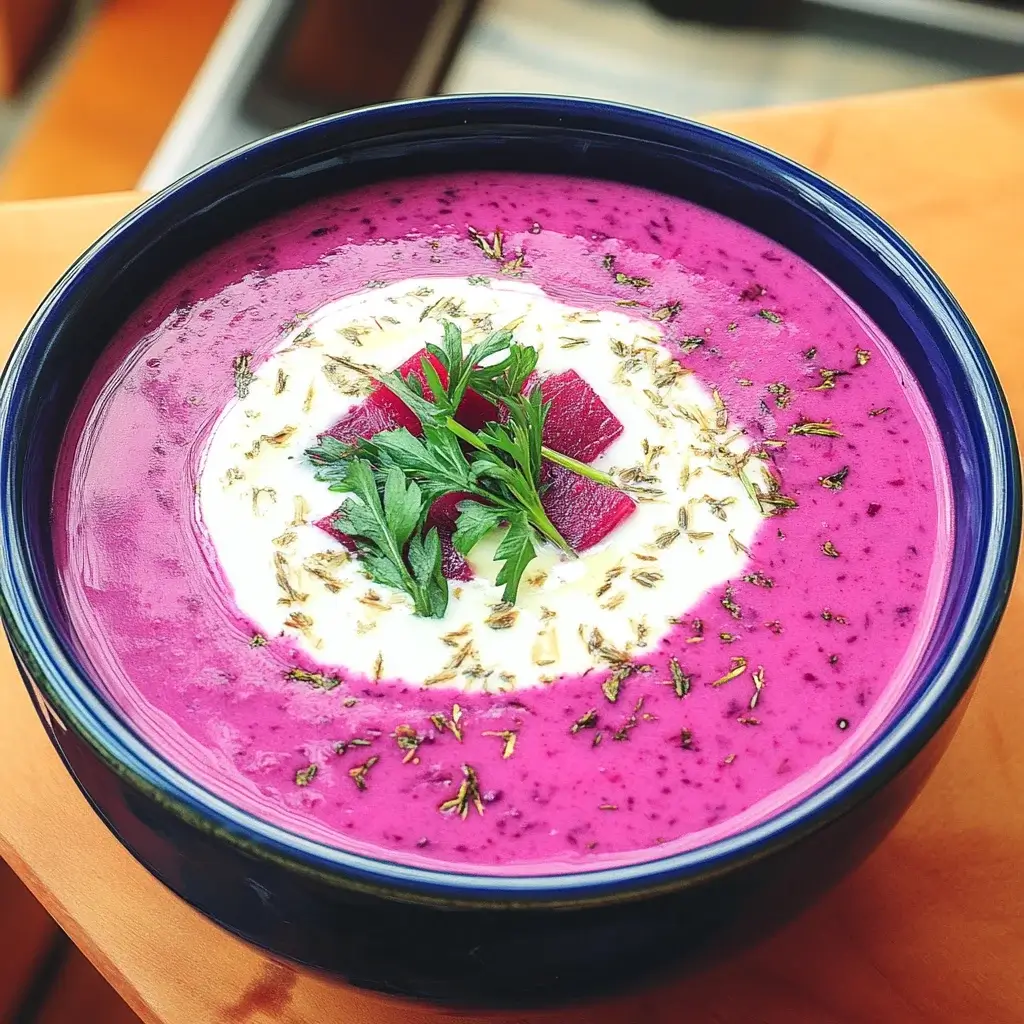
The first time I whipped up this Cold Beet and Yogurt Soup, it was on a sweltering summer afternoon when the thought of turning on the stove felt like a crime against comfort. I was craving something refreshing, nutritious, and, frankly, a little bit different. My family, initially skeptical about a “cold soup” (especially one so vibrantly pink!), were instant converts from the very first spoonful. The creamy tang of the yogurt, the earthy sweetness of the beets, the cool crunch of cucumber, and the fresh burst of dill – it was a symphony of flavors and textures that danced on the palate. It’s since become a summer staple in our household, a go-to for light lunches, elegant appetizers, or even a refreshing side to grilled meats. It’s incredibly easy to make, visually stunning, and packed with goodness. Trust me, this isn’t just a soup; it’s an experience.
What Exactly is Cold Beet and Yogurt Soup?
Cold Beet and Yogurt Soup, often known by various names depending on its regional origin (like Šaltibarščiai in Lithuania or Chłodnik in Poland), is a vibrant, chilled soup renowned for its striking pink or magenta hue and its incredibly refreshing qualities. At its core, it’s a harmonious blend of cooked or pickled beets, tangy yogurt or kefir, crisp cucumbers, fresh dill, and often other ingredients like radishes, spring onions, or hard-boiled eggs.
This soup is more than just a pretty dish; it’s a culinary tradition in many Eastern and Central European countries, where it’s cherished as a perfect antidote to summer heat. The base of the soup is typically created by blending or finely grating cooked beets with a cultured dairy product. Yogurt is a popular choice for its creamy texture and accessible tang, but traditional recipes might use kefir, buttermilk, or even soured cream, each lending a slightly different character to the final dish.
The magic of this soup lies in its balance of flavors: the inherent sweetness of the beets is beautifully offset by the acidity of the yogurt and the sharpness of fresh herbs. The addition of crunchy vegetables like cucumber and radish provides a delightful textural contrast to the smooth, creamy base. Often served with a side of warm, boiled new potatoes, this juxtaposition of cold soup and warm potatoes creates a truly unique and satisfying eating experience. It’s a celebration of simple, fresh ingredients coming together to create something truly special, both in taste and in visual appeal.
Why You’ll Fall in Love with This Cold Beet and Yogurt Soup Recipe
There are countless reasons why this Cold Beet and Yogurt Soup recipe will quickly become a favorite in your culinary repertoire, especially during the warmer months:
- Incredibly Refreshing: This is the ultimate heat-beater. Served chilled, its cool, creamy texture and bright flavors are instantly revitalizing on a hot day.
- Nutrient-Packed: Beets are a powerhouse of vitamins, minerals, and antioxidants. Combined with protein-rich yogurt and hydrating cucumbers, this soup is a guilt-free indulgence that nourishes your body.
- Stunningly Beautiful: Let’s be honest, the vibrant pink color is a showstopper! It’s a feast for the eyes before it even reaches your lips, making it perfect for impressing guests or simply brightening up your mealtime.
- Surprisingly Easy to Make: Despite its gourmet appearance, this soup is remarkably simple to prepare. Most of the work involves cooking the beets (which can be done ahead of time or by using pre-cooked beets) and then simply combining ingredients.
- Highly Customizable: While this recipe provides a fantastic base, you can easily tweak it to your preferences. Adjust the tanginess, add different herbs, or experiment with various garnishes.
- Perfect Make-Ahead Dish: This soup actually tastes even better after it has had a chance to chill and the flavors meld together, making it ideal for meal prep or entertaining.
- Light Yet Satisfying: It’s light enough not to weigh you down but substantial enough, especially with garnishes like hard-boiled eggs, to be a fulfilling meal on its own.
- A Taste of Tradition: For those with Eastern European heritage, it’s a nostalgic taste of home. For others, it’s a delightful introduction to a beloved culinary classic from another part of the world.
This Cold Beet and Yogurt Soup recipe isn’t just food; it’s a vibrant, healthy, and delicious way to embrace seasonal eating and explore new flavor combinations.
Cold Beet and Yogurt Soup: The Complete Recipe
This recipe focuses on a classic, well-balanced version that is both easy to make and delicious.
Yields: 6-8 servings
Prep time: 30 minutes (plus beet cooking time if not using pre-cooked)
Chilling time: At least 2 hours, preferably 4 hours or overnight
Ingredients:
- For the Beets:
- 2 lbs (approx. 900g) fresh beets (about 4-5 medium beets), scrubbed
- Water, for boiling or roasting
- 1 tablespoon apple cider vinegar or lemon juice (optional, for boiling water to help retain color)
- For the Soup Base:
- 4 cups (approx. 1 liter) plain full-fat yogurt (Greek yogurt can be used for a thicker soup, or a mix of regular and Greek)
- 1 cup (240ml) buttermilk or kefir (optional, for a tangier, thinner soup – adjust with water if not using)
- OR 1 cup (240ml) cold water or reserved beet cooking liquid (cooled) to adjust consistency
- 2 tablespoons freshly squeezed lemon juice, or to taste
- 1-2 cloves garlic, minced (optional, for a sharper flavor)
- 1 teaspoon sea salt, or to taste
- ½ teaspoon black pepper, or to taste
- 1 tablespoon granulated sugar or honey (optional, to balance tartness if beets aren’t very sweet)
- For the Add-ins & Garnish:
- 1 large English cucumber (or 2-3 pickling cucumbers), peeled, seeded (if large seeds), and finely diced or grated
- ½ cup (packed) fresh dill, finely chopped, plus extra for garnish
- ¼ cup (packed) fresh chives or spring onions (green parts only), finely chopped, plus extra for garnish
- Optional: 2-4 radishes, thinly sliced or finely diced
- Optional Garnish: 3-4 hard-boiled eggs, quartered or halved
Equipment:
- Large pot (if boiling beets) or baking sheet (if roasting)
- Box grater or food processor with grating attachment
- Large mixing bowl
- Whisk
- Sharp knife and cutting board
Instructions: Crafting Your Perfect Cold Beet and Yogurt Soup
Follow these steps for a delicious and visually stunning soup:
Step 1: Cook the Beets
You have two main options for cooking the beets. Roasting brings out their sweetness, while boiling is quicker.
- Boiling Method:
- Place the scrubbed whole beets in a large pot and cover them with cold water by at least an inch. Add the optional tablespoon of vinegar or lemon juice to the water.
- Bring to a boil, then reduce heat, cover, and simmer for 45-60 minutes, or until the beets are tender when pierced with a fork. Cooking time will vary depending on the size of your beets.
- Once tender, drain the beets. If you plan to use some of the beet liquid for the soup, reserve about 1 cup before draining completely.
- Let the beets cool until they are comfortable to handle. Then, peel them – the skin should slip off easily.
- Roasting Method:
- Preheat your oven to 400°F (200°C).
- Wrap each scrubbed beet individually in aluminum foil.
- Place the wrapped beets directly on the oven rack or on a baking sheet.
- Roast for 50-75 minutes, or until tender when pierced with a skewer or knife through the foil.
- Allow to cool slightly before unwrapping and peeling.
Step 2: Prepare the Cooked Beets
- Once the beets are peeled and cooled, grate them using the large holes of a box grater. Alternatively, you can dice them very finely, or use a food processor with a grating attachment. You should have approximately 3-4 cups of grated beets.
- Place the grated beets in a large mixing bowl.
Step 3: Prepare Other Vegetables
- Cucumber: Peel the cucumber. If it’s an English cucumber, seeding isn’t usually necessary. For other varieties with larger seeds, slice in half lengthwise and scoop out the seeds with a spoon. Finely dice the cucumber or grate it using the large holes of a box grater. Add to the bowl with the beets.
- Radishes (if using): Wash and trim the radishes. Slice them thinly or dice them finely. Add to the bowl.
- Herbs & Aromatics: Finely chop the fresh dill and chives (or spring onions). Mince the garlic, if using. Add most of the herbs to the bowl, reserving some for garnish.
Step 4: Combine the Soup Base
- To the bowl with the beets and vegetables, add the plain yogurt, buttermilk/kefir (if using), lemon juice, minced garlic (if using), salt, pepper, and optional sugar/honey.
- Whisk everything together thoroughly until well combined. The soup should take on a beautiful, vibrant pink color.
Step 5: Adjust Consistency and Seasoning
- Check the consistency of the soup. If it’s too thick for your liking, gradually whisk in cold water or the reserved (and cooled) beet cooking liquid until you reach your desired consistency. Some prefer a thicker, spoonable soup, while others like it a bit thinner and more drinkable.
- Taste the soup and adjust seasonings as needed. You might want more lemon juice for tartness, more salt, or a touch more sugar/honey to balance the flavors. Remember that flavors will meld and become more pronounced as the soup chills.
Step 6: Chill Thoroughly
- Cover the bowl with plastic wrap or transfer the soup to an airtight container.
- Refrigerate for at least 2 hours, but preferably 4 hours or even overnight. Chilling is crucial for two reasons: it allows the flavors to meld and deepen, and it ensures the soup is refreshingly cold when served.
Step 7: Serve
- Once thoroughly chilled, give the soup a good stir before serving.
- Ladle into bowls or glasses.
- Garnish generously with the reserved fresh dill, chives, and slices/quarters of hard-boiled eggs, if desired. A swirl of extra yogurt or a drizzle of good quality olive oil can also be nice.
Enjoy your homemade, refreshing Cold Beet and Yogurt Soup!
Nutrition Facts
- Servings: Approximately 6-8 servings
- Calories per serving (approximate): 120-180 calories
Please note: Nutritional information is an estimate and can vary significantly based on specific ingredients used (e.g., fat content of yogurt, size of beets, amount of sugar added) and actual serving size.
- Beets: Rich in folate, manganese, potassium, iron, and Vitamin C. They also contain nitrates, which can help lower blood pressure.
- Yogurt: Excellent source of protein, calcium, probiotics (supporting gut health), Vitamin B12, and riboflavin.
- Cucumber: High in water content (hydrating), low in calories, and provides Vitamin K and antioxidants.
- Dill: Contains Vitamin C, Vitamin A, manganese, and antioxidants.
This soup is generally considered:
- Low in fat (especially if using low-fat yogurt, though full-fat offers better flavor and satiety)
- A good source of fiber
- Rich in vitamins and minerals
- Naturally gluten-free
For a lower-calorie version, you can use non-fat yogurt and skip any added sugar, relying on the natural sweetness of the beets. For a more substantial meal, ensure generous portions of hard-boiled egg.
Preparation Time
Understanding the time commitment helps in planning:
- Active Preparation Time: Approximately 25-35 minutes. This includes grating/dicing vegetables, chopping herbs, and mixing the soup.
- Beet Cooking Time (if not using pre-cooked):
- Boiling: 45-60 minutes
- Roasting: 50-75 minutes
- Cooling time for beets: 20-30 minutes before they can be handled.
- Chilling Time (Crucial): Minimum 2 hours, ideally 4 hours or overnight. This allows the flavors to meld and the soup to become thoroughly chilled.
Total Time (from scratch, including chilling): Approximately 3.5 hours to overnight.
Time-Saving Tip: Cook the beets a day or two in advance and store them in the refrigerator. You can also buy pre-cooked, vacuum-packed beets (not pickled, unless you want that flavor profile) to significantly reduce prep time. This brings the active prep and readiness time down considerably.
How to Serve Cold Beet and Yogurt Soup
Serving this vibrant soup is part of its charm. Here are some ideas to make it a memorable dish:
- Classic Chilled Bowls:
- Ladle the well-chilled soup into individual soup bowls.
- This is the most traditional way and perfect for a light lunch or first course.
- Elegant Glasses:
- For an appetizer or a sophisticated touch at a party, serve small portions in clear glasses (like shot glasses, small tumblers, or coupe glasses). The color looks stunning through glass.
- Garnishes are Key: Don’t skimp on garnishes! They add flavor, texture, and visual appeal.
- Fresh Herbs: A generous sprinkle of freshly chopped dill and chives is almost mandatory. A small mint leaf can add a surprising twist.
- Hard-Boiled Eggs: Quartered or halved hard-boiled eggs are a classic accompaniment, adding protein and substance. Place them in the center or on the side of the bowl.
- Cucumber: Thin slices or a small dice of cucumber on top for extra crunch.
- Radishes: Thinly sliced radishes for a peppery bite and color contrast.
- Yogurt/Sour Cream Swirl: A dollop or swirl of extra plain yogurt, Greek yogurt, or sour cream on top.
- Lemon/Lime Wedges: Serve with a small wedge of lemon or lime on the side for those who like an extra citrusy kick.
- Croutons: Small, crispy croutons can add a nice textural element, though not traditional.
- A Drizzle of Oil: A very light drizzle of high-quality extra virgin olive oil or dill-infused oil.
- Traditional Accompaniments:
- Warm Boiled Potatoes: In many Eastern European traditions, this cold soup is famously served alongside warm, plain boiled new potatoes, often tossed with a little butter and dill. The contrast of cold soup and warm potatoes is delightful. Serve the potatoes in a separate dish.
- Rye Bread: Dark rye bread, pumpernickel, or a good crusty sourdough bread on the side is perfect for soaking up any remaining soup or enjoying alongside.
- As Part of a Larger Spread:
- Include it in a summer buffet or a mezze-style platter with other light dishes, salads, and dips.
- Temperature Matters:
- Ensure the soup is thoroughly chilled before serving. You can even chill the serving bowls or glasses for an extra refreshing experience.
- Make it a Meal:
- With the addition of hard-boiled eggs and a side of potatoes or hearty bread, this soup can easily become a satisfying light main course.
Experiment with presentation to find what you like best, but always aim for fresh, vibrant, and cool!
Additional Tips for the Best Cold Beet and Yogurt Soup
- Beet Preparation is Key:
- Roast vs. Boil: Roasting beets concentrates their sweetness and gives a deeper, earthier flavor compared to boiling. If you have the time, roasting is highly recommended.
- Don’t Overcook: Cook beets until just tender. Overcooked beets can become mushy and lose some of their vibrant flavor.
- Cool Completely: Ensure beets are completely cool before grating and adding to the yogurt, otherwise, they might slightly “cook” or curdle the yogurt.
- Yogurt Choice Matters:
- Full-Fat is Fuller Flavor: Full-fat plain yogurt (around 3-5% milk fat) will yield the creamiest and most flavorful soup. Greek yogurt will make it thicker and tangier; you might need to thin it more.
- Kefir or Buttermilk for Tang: Incorporating kefir or buttermilk adds a traditional tangy note and can help achieve a desirable consistency. If you don’t have them, a bit more lemon juice and water can help.
- Balance Sweetness and Acidity:
- Taste and adjust! Some beets are sweeter than others. The amount of lemon juice and optional sugar/honey should be adjusted to your preference and the natural sweetness of your beets. Aim for a pleasant balance where the beet’s sweetness, yogurt’s tang, and lemon’s brightness all shine.
- Don’t Rush the Chill:
- This soup needs time to chill. Not just to get cold, but for the flavors to meld and deepen. Two hours is the minimum, but four hours to overnight is even better. It’s an excellent make-ahead dish for this reason.
- Fresh Herbs Make a Huge Difference:
- Use fresh dill and chives if at all possible. Their bright, aromatic flavors are essential to the character of this soup. Dried herbs can be used in a pinch for the soup base (use about 1/3 of the amount), but always try to garnish with fresh. Add the bulk of the fresh herbs just before chilling or even just before serving to maintain their vibrancy.
FAQ: Your Cold Beet and Yogurt Soup Questions Answered
Q1: Can I use pre-cooked beets from the store?
A: Absolutely! Using pre-cooked, vacuum-packed beets (not pickled, unless you specifically want that flavor) is a fantastic time-saver. This will significantly cut down your preparation time. Just ensure they are plain cooked beets. You’ll typically need about 2-3 packages depending on their size to get the equivalent of 2 lbs fresh. Grate or dice them as you would home-cooked beets.
Q2: How long will this soup last in the refrigerator?
A: Stored in an airtight container in the refrigerator, Cold Beet and Yogurt Soup will generally last for 3 to 4 days. The flavors may continue to meld and deepen over time. Give it a good stir before serving each time, as some separation can naturally occur.
Q3: Can I make this soup vegan?
A: Yes, you can easily make a vegan version! Substitute the dairy yogurt and buttermilk/kefir with a plain, unsweetened plant-based yogurt (coconut, soy, almond, or cashew yogurt all work, though coconut might impart a slight coconut flavor). Choose one with a good tangy profile. You may need to adjust the lemon juice to achieve the desired tartness. Ensure any optional sugar used is vegan (e.g., maple syrup instead of honey if you avoid honey).
Q4: Can I freeze Cold Beet and Yogurt Soup?
A: It’s generally not recommended to freeze this soup, especially versions made with dairy yogurt. Yogurt-based soups can separate and become grainy in texture upon thawing. The fresh cucumbers can also become watery and lose their crunch. It’s best enjoyed fresh within a few days of making it. If you want to prep ahead, cook and grate/dice the beets and freeze them; then thaw and assemble the soup with fresh yogurt and other ingredients.
Q5: My soup isn’t as vibrantly pink as I expected. What can I do?
A: The intensity of the pink color depends on the beets themselves and the ratio of beets to yogurt.
* More Beets: Ensure you’ve used enough beets.
* Beet Variety: Some beet varieties are more intensely colored than others.
* Beet Juice: If you boiled your beets and reserved the cooking liquid, adding a little of this (once cooled) can deepen the color (and flavor).
* Less “White”: A higher ratio of beets to yogurt/buttermilk will result in a deeper color. If it’s too pale and also too thin, you could blend in a small amount of extra cooked beet. If it’s pale but the consistency is good, it’s likely just the natural color from your ingredients – it will still taste delicious! Avoid adding food coloring, as the natural hue is part of its charm.
Cold Beet and Yogurt Soup recipe
Ingredients
-
- For the Beets:
-
- 2 lbs (approx. 900g) fresh beets (about 4–5 medium beets), scrubbed
-
- Water, for boiling or roasting
-
- 1 tablespoon apple cider vinegar or lemon juice (optional, for boiling water to help retain color)
-
- For the Beets:
-
- For the Soup Base:
-
- 4 cups (approx. 1 liter) plain full-fat yogurt (Greek yogurt can be used for a thicker soup, or a mix of regular and Greek)
-
- 1 cup (240ml) buttermilk or kefir (optional, for a tangier, thinner soup – adjust with water if not using)
-
- OR 1 cup (240ml) cold water or reserved beet cooking liquid (cooled) to adjust consistency
-
- 2 tablespoons freshly squeezed lemon juice, or to taste
-
- 1–2 cloves garlic, minced (optional, for a sharper flavor)
-
- 1 teaspoon sea salt, or to taste
-
- ½ teaspoon black pepper, or to taste
-
- 1 tablespoon granulated sugar or honey (optional, to balance tartness if beets aren’t very sweet)
-
- For the Soup Base:
-
- For the Add-ins & Garnish:
-
- 1 large English cucumber (or 2–3 pickling cucumbers), peeled, seeded (if large seeds), and finely diced or grated
-
- ½ cup (packed) fresh dill, finely chopped, plus extra for garnish
-
- ¼ cup (packed) fresh chives or spring onions (green parts only), finely chopped, plus extra for garnish
-
- Optional: 2-4 radishes, thinly sliced or finely diced
-
- Optional Garnish: 3-4 hard-boiled eggs, quartered or halved
-
- For the Add-ins & Garnish:
Instructions
-
- Boiling Method:
-
- Place the scrubbed whole beets in a large pot and cover them with cold water by at least an inch. Add the optional tablespoon of vinegar or lemon juice to the water.
-
- Bring to a boil, then reduce heat, cover, and simmer for 45-60 minutes, or until the beets are tender when pierced with a fork. Cooking time will vary depending on the size of your beets.
-
- Once tender, drain the beets. If you plan to use some of the beet liquid for the soup, reserve about 1 cup before draining completely.
-
- Let the beets cool until they are comfortable to handle. Then, peel them – the skin should slip off easily.
-
- Boiling Method:
-
- Roasting Method:
-
- Preheat your oven to 400°F (200°C).
-
- Wrap each scrubbed beet individually in aluminum foil.
-
- Place the wrapped beets directly on the oven rack or on a baking sheet.
-
- Roast for 50-75 minutes, or until tender when pierced with a skewer or knife through the foil.
-
- Allow to cool slightly before unwrapping and peeling.
-
- Roasting Method:
Step 2: Prepare the Cooked Beets
-
- Once the beets are peeled and cooled, grate them using the large holes of a box grater. Alternatively, you can dice them very finely, or use a food processor with a grating attachment. You should have approximately 3-4 cups of grated beets.
-
- Place the grated beets in a large mixing bowl.
Step 3: Prepare Other Vegetables
-
- Cucumber: Peel the cucumber. If it’s an English cucumber, seeding isn’t usually necessary. For other varieties with larger seeds, slice in half lengthwise and scoop out the seeds with a spoon. Finely dice the cucumber or grate it using the large holes of a box grater. Add to the bowl with the beets.
-
- Radishes (if using): Wash and trim the radishes. Slice them thinly or dice them finely. Add to the bowl.
-
- Herbs & Aromatics: Finely chop the fresh dill and chives (or spring onions). Mince the garlic, if using. Add most of the herbs to the bowl, reserving some for garnish.
Step 4: Combine the Soup Base
-
- To the bowl with the beets and vegetables, add the plain yogurt, buttermilk/kefir (if using), lemon juice, minced garlic (if using), salt, pepper, and optional sugar/honey.
-
- Whisk everything together thoroughly until well combined. The soup should take on a beautiful, vibrant pink color.
Step 5: Adjust Consistency and Seasoning
-
- Check the consistency of the soup. If it’s too thick for your liking, gradually whisk in cold water or the reserved (and cooled) beet cooking liquid until you reach your desired consistency. Some prefer a thicker, spoonable soup, while others like it a bit thinner and more drinkable.
-
- Taste the soup and adjust seasonings as needed. You might want more lemon juice for tartness, more salt, or a touch more sugar/honey to balance the flavors. Remember that flavors will meld and become more pronounced as the soup chills.
Step 6: Chill Thoroughly
-
- Cover the bowl with plastic wrap or transfer the soup to an airtight container.
-
- Refrigerate for at least 2 hours, but preferably 4 hours or even overnight. Chilling is crucial for two reasons: it allows the flavors to meld and deepen, and it ensures the soup is refreshingly cold when served.
Step 7: Serve
-
- Once thoroughly chilled, give the soup a good stir before serving.
-
- Ladle into bowls or glasses.
-
- Garnish generously with the reserved fresh dill, chives, and slices/quarters of hard-boiled eggs, if desired. A swirl of extra yogurt or a drizzle of good quality olive oil can also be nice.
Nutrition
- Serving Size: one normal portion
- Calories: 120-180