

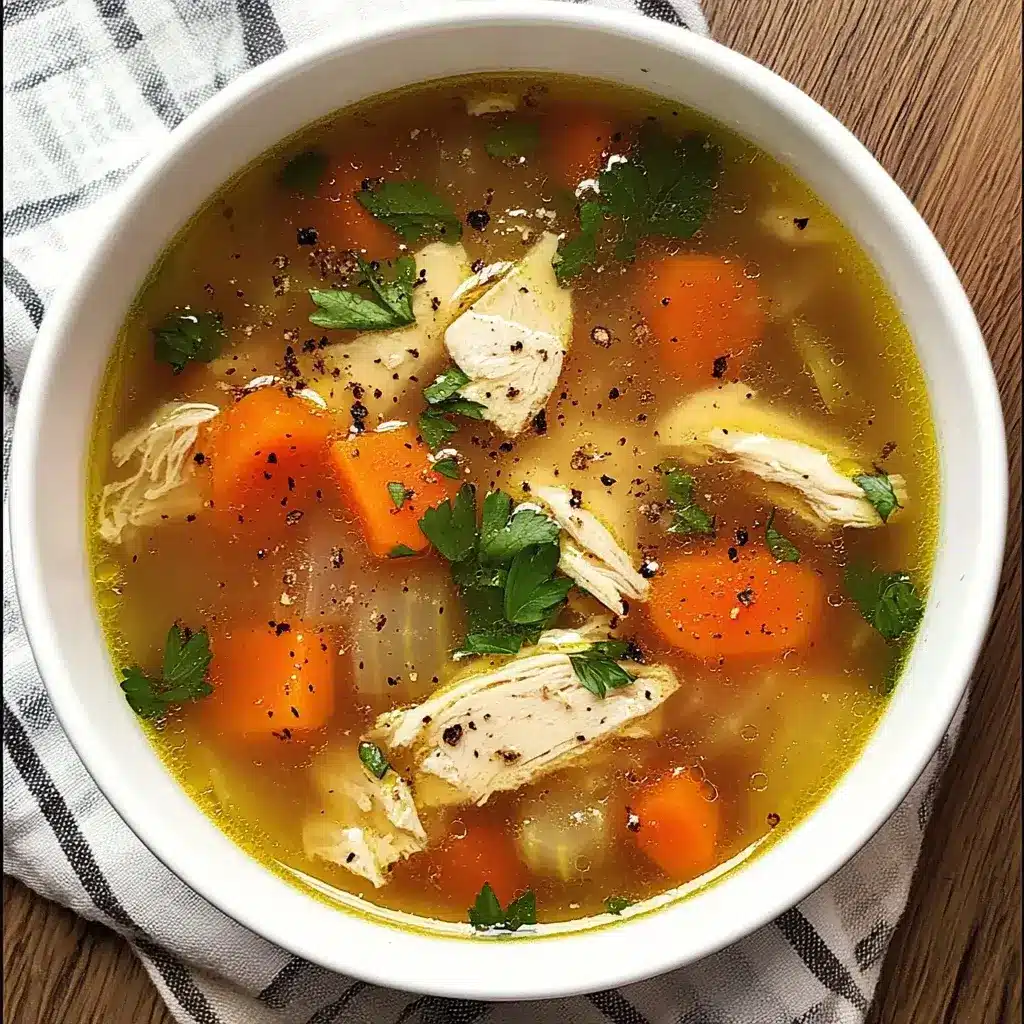
There’s something almost magical about a pot of chicken soup simmering on the stove. The aroma fills the house, promising warmth, comfort, and a delicious meal. I remember the first time I truly perfected this particular chicken soup recipe. It was a dreary, rainy Sunday, and the whole family was feeling a bit under the weather. Nothing sounded appealing until the idea of classic, homemade chicken soup popped into my head. Skeptical murmurs turned into eager anticipation as the scent of simmering chicken, onions, carrots, and celery began to weave its way through every room. When I finally ladled out those steaming bowls, brimming with tender chicken, perfectly cooked vegetables, and slurp-worthy noodles, the silence that followed was punctuated only by appreciative sighs and the clinking of spoons. My youngest, usually a picky eater, asked for seconds – the ultimate compliment! Since that day, this hasn’t just been a chicken soup recipe; it’s become our chicken soup recipe, the one requested for birthdays, sick days, cold nights, or simply when we need a hug in a bowl. It’s reliable, deeply flavorful, and embodies the very essence of home cooking.
Ingredients for the Perfect Homemade Chicken Soup
Crafting a truly memorable chicken soup starts with quality ingredients. This recipe balances classic flavors for a result that’s both nourishing and incredibly satisfying. Here’s what you’ll need:
- Chicken: 1 whole chicken (about 3-4 pounds), or use 3-4 pounds of bone-in, skin-on chicken pieces (like thighs, drumsticks, and breasts). Using bone-in chicken is key for a rich, flavorful broth.
- Water: 12-14 cups cold water (enough to cover the chicken generously).
- Aromatics (for the initial broth):
- 2 medium yellow onions, quartered (skin on is fine for color, just wash well)
- 3-4 large carrots, roughly chopped (about 1.5 cups) – reserve 2 carrots for later
- 3-4 celery stalks, roughly chopped (about 1.5 cups) – reserve 2 stalks for later
- 5-6 cloves garlic, smashed
- 1 bunch fresh parsley stems (reserve leaves for garnish)
- 1 teaspoon whole black peppercorns
- Vegetables (added later for texture and freshness):
- 2 medium carrots, peeled and diced (about 1 cup)
- 2 celery stalks, diced (about 1 cup)
- 1 medium yellow onion, finely chopped (about 1 cup)
- Herbs and Seasoning:
- 1-2 bay leaves
- 1 teaspoon dried thyme (or 2-3 fresh thyme sprigs)
- Salt (Kosher or sea salt recommended) to taste (start with 1.5 teaspoons and adjust)
- Freshly ground black pepper to taste
- Optional: 1/2 teaspoon dried rosemary or a sprig of fresh rosemary
- Noodles or Rice (Optional):
- 1 – 1.5 cups egg noodles (medium or wide)
- OR 1/2 – 3/4 cup long-grain white rice
- Optional Enhancements:
- 1 tablespoon olive oil or butter (for sautéing vegetables later)
- Fresh dill, chopped (for serving)
- Fresh parsley, chopped (for serving)
- Lemon wedges (for serving)
Step-by-Step Instructions: Crafting Your Chicken Soup
Follow these steps carefully to build layers of flavor and achieve chicken soup perfection. Patience during the simmering process is rewarded!
- Prepare the Chicken and Broth Base:
- Rinse the whole chicken or chicken pieces under cold water and pat dry. Remove any giblets from the cavity if using a whole chicken (you can add the neck and giblets, except the liver which can make the broth bitter, to the pot for extra flavor if desired).
- Place the chicken in a large stockpot (at least 8-quart capacity).
- Add the quartered onions, roughly chopped carrots (the ones reserved for broth), roughly chopped celery (reserved for broth), smashed garlic cloves, parsley stems, and whole peppercorns to the pot around the chicken.
- Pour in the cold water, ensuring the chicken is fully submerged. Add more water if needed, but don’t overfill the pot. Using cold water helps to slowly extract the flavors.
- Bring the water to a gentle boil over medium-high heat.
- Simmer and Skim:
- As the water approaches a boil, you’ll notice foam and impurities rising to the surface (scum). Use a large spoon or a fine-mesh skimmer to carefully remove this scum. Skimming is crucial for a clear, clean-tasting broth. Continue skimming for the first 30-60 minutes as needed.
- Once the skimming is mostly done, reduce the heat to low, so the broth is at a very gentle simmer (just a few bubbles rising occasionally). Partially cover the pot, leaving a small gap for steam to escape.
- Cook the Chicken:
- Let the chicken simmer gently for 1.5 to 2 hours, or until the chicken is cooked through and very tender (the meat should easily pull away from the bone). The exact time will depend on the size of the chicken or pieces. Check for doneness by piercing the thickest part of the thigh – the juices should run clear.
- Remove Chicken and Strain Broth:
- Carefully remove the cooked chicken from the pot using tongs and place it on a large cutting board or platter to cool slightly.
- Strain the broth through a fine-mesh sieve lined with cheesecloth (if you want an exceptionally clear broth, though just the sieve is usually sufficient) into a large clean bowl or another pot. Discard the solids (cooked-down vegetables, peppercorns, parsley stems). You should have approximately 8-10 cups of rich, golden broth.
- Taste the broth at this stage. It will be lightly flavored; we’ll build more seasoning later.
- Shred the Chicken:
- Once the chicken is cool enough to handle, remove and discard the skin and bones.
- Shred the chicken meat into bite-sized pieces using two forks or your fingers. Set the shredded chicken aside. You’ll likely have more chicken than you need for one batch of soup – the extra is great for sandwiches, salads, or freezing for future soup batches!
- Prepare the Soup Base:
- Wipe out the large stockpot you used initially (or use a clean one).
- If desired, heat 1 tablespoon of olive oil or butter over medium heat. Add the finely chopped onion and sauté until softened and translucent, about 5 minutes. (This step adds another layer of flavor, but you can skip the sautéing and add the vegetables directly to the broth if preferred).
- Add the diced carrots and diced celery (the ones reserved for the soup, not the broth). Cook for another 5-7 minutes, stirring occasionally, until they begin to soften slightly.
- Combine and Simmer Soup:
- Pour the strained chicken broth back into the pot with the sautéed vegetables.
- Add the bay leaves, dried thyme (or fresh thyme sprigs), and start with 1.5 teaspoons of salt and a few grinds of black pepper.
- Bring the soup back to a simmer over medium heat. Once simmering, reduce the heat to low, cover, and cook for 15-20 minutes, or until the carrots and celery are tender but not mushy.
- Add Chicken and Noodles/Rice (if using):
- Stir the shredded chicken back into the soup. Add as much or as little as you like (typically 3-4 cups).
- If using noodles: Increase the heat slightly to bring the soup to a gentle boil. Add the egg noodles and cook according to package directions, usually 7-10 minutes, or until al dente. Be careful not to overcook, as they will continue to soften in the hot broth.
- If using rice: Add the rice to the simmering broth before adding the chicken back (as rice takes longer). Simmer for 15-20 minutes, or until the rice is tender. Then stir in the shredded chicken to heat through. Note: Rice will absorb more broth than noodles, so you might need to add a splash more hot water or broth if the soup becomes too thick.
- Final Seasoning and Finishing Touches:
- Remove the bay leaves and any fresh herb sprigs (like thyme or rosemary).
- Taste the soup carefully. Adjust seasoning with more salt and freshly ground black pepper as needed. This is the most crucial step for flavor – don’t be shy with salt if it tastes bland, but add it gradually. A squeeze of fresh lemon juice at this stage can brighten the flavors wonderfully.
- Stir in some fresh chopped parsley or dill right before serving for a burst of freshness.
Nutrition Facts: A Healthy Bowl of Comfort
Understanding the nutritional profile helps you enjoy this soup as part of a balanced diet.
- Servings: This recipe typically yields 6 to 8 generous servings.
- Calories per Serving (Approximate): Depending on the amount of chicken, noodles/rice used, and specific ingredients, each serving contains approximately 250-400 calories. This estimate assumes a moderate amount of chicken and noodles per bowl.
Disclaimer: Nutritional information is an estimate only, calculated using standard ingredients. Actual values may vary based on specific products used, portion sizes, and optional additions. This soup is a good source of lean protein (from the chicken), hydration (from the broth), and various vitamins and minerals from the vegetables. Using homemade broth allows you to control the sodium content compared to many store-bought varieties.
Preparation Time: From Kitchen to Table
Making soup from scratch takes time, but much of it is hands-off simmering.
- Prep Time: Approximately 30 minutes (washing and chopping vegetables, preparing chicken).
- Cook Time: Approximately 2 hours to 2 hours 30 minutes (simmering broth, cooking vegetables, noodles/rice).
- Total Time: Approximately 2 hours 30 minutes to 3 hours.
While it seems like a long time, the active cooking time is relatively short. The long simmer is essential for developing deep flavor in the broth and ensuring tender chicken.
How to Serve Your Delicious Chicken Soup
Serving chicken soup is about enhancing its inherent comfort. Here are some ideas:
- Classic Presentation:
- Ladle the hot soup into deep, pre-warmed bowls. Ensure each serving gets a good mix of broth, chicken, vegetables, and noodles/rice.
- Garnishes for Freshness and Flavor:
- Fresh Herbs: A generous sprinkle of finely chopped fresh parsley or dill is almost essential. Chives also work well.
- Citrus: A small wedge of fresh lemon served on the side allows individuals to add a squeeze just before eating, brightening the entire bowl.
- Pepper: Offer freshly ground black pepper at the table.
- Crunch: Homemade croutons, oyster crackers, or saltine crackers add a pleasant textural contrast.
- Heat: A dash of your favorite hot sauce or a pinch of red pepper flakes can add a gentle kick for those who like spice.
- Richness: A tiny swirl of good quality olive oil or even a small dollop of plain yogurt or sour cream can add richness (though less traditional).
- Perfect Pairings:
- Bread: Serve with warm, crusty bread (like a baguette or sourdough) for dipping into the flavorful broth.
- Sandwiches: A classic pairing is chicken soup with a grilled cheese sandwich or a simple turkey sandwich.
- Salad: A light green salad with a simple vinaigrette can round out the meal.
Additional Tips for Chicken Soup Perfection
Elevate your homemade chicken soup from great to truly exceptional with these tips:
- Embrace the Bones: Don’t be tempted to use only boneless, skinless chicken breasts. The bones and skin are packed with collagen and flavor, which render down during the long simmer to create a much richer, more full-bodied broth. Using a whole chicken or bone-in parts makes a significant difference.
- Don’t Rush the Simmer: The magic happens during the slow, gentle simmer. Boiling the broth vigorously can make the chicken tough and the broth cloudy. Patience is key. Allow at least 1.5 hours for the initial broth creation.
- Season in Stages: Avoid adding all the salt at the beginning. The broth will reduce slightly as it simmers, concentrating the flavors. Add some salt initially, but do the final, crucial seasoning adjustments at the very end after the chicken and noodles/rice are added. Taste, season, taste again!
- Cook Noodles/Rice Separately (for leftovers): If you anticipate having leftovers, cook the noodles or rice separately and add them to individual bowls just before serving. Noodles and rice stored in the soup tend to absorb excess broth and become mushy. Cooking them separately keeps both the soup and the starch perfect.
- Boost Vegetable Flavor: For an even deeper vegetable flavor base, consider roasting the initial batch of onions, carrots, and celery (the ones used for the broth) in the oven at 400°F (200°C) for 20-30 minutes until lightly caramelized before adding them to the pot with the chicken and water. This adds a subtle sweetness and complexity.
Frequently Asked Questions About Homemade Chicken Soup
Here are answers to some common questions about making this comforting classic:
- Q: Can I use different vegetables in my chicken soup?
- A: Absolutely! Chicken soup is very versatile. Feel free to add or substitute vegetables based on preference or what you have on hand. Good additions include parsnips (add with carrots), leeks (use the white and light green parts, sauté with onions), mushrooms (sauté and add towards the end), peas or green beans (add during the last 5-10 minutes of cooking), or even chopped potatoes or sweet potatoes (add earlier as they take longer to cook). Just be mindful of cooking times for different vegetables.
- Q: How can I make this chicken soup recipe quicker?
- A: While the long simmer yields the best flavor, you can speed things up. Use pre-made high-quality, low-sodium chicken broth instead of making it from scratch. Sauté your fresh vegetables (diced onion, carrot, celery), add the broth, bring to a simmer, add cooked shredded chicken (like rotisserie chicken), and then cook your noodles or rice. This significantly cuts down the time but may result in a less complex flavor profile than building the broth from bones.
- Q: How long does homemade chicken soup last, and how should I store it?
- A: Properly stored, homemade chicken soup will last for 3-4 days in the refrigerator. Let the soup cool completely before transferring it to airtight containers. If you plan to freeze it, it’s best to do so without the noodles or rice, as they can become very soft upon thawing and reheating. Freeze the soup base (broth, chicken, vegetables) in airtight, freezer-safe containers or heavy-duty freezer bags for up to 3 months. Thaw overnight in the refrigerator and reheat gently on the stovetop, adding freshly cooked noodles or rice before serving.
- Q: Can I use leftover cooked chicken (like rotisserie chicken) in this recipe?
- A: Yes, you can use leftover cooked chicken. However, you will miss out on the rich flavor developed by simmering the chicken bones for the broth. If using cooked chicken, you’ll definitely need to start with a good quality store-bought or previously homemade chicken broth. Add the shredded cooked chicken towards the end of the cooking process, just long enough to heat it through (about 5-10 minutes).
- Q: Is chicken soup really good for you when you’re sick?
- A: While not a magic cure, chicken soup offers several benefits when you’re feeling unwell. The warm broth helps with hydration and can soothe a sore throat. The steam can help clear nasal passages. It contains easily digestible protein from the chicken and nutrients from the vegetables. Importantly, it’s comforting and easy to eat, which can be helpful when appetite is low. The psychological comfort food aspect shouldn’t be underestimated either!

Chicken Soup recipe
Ingredients
- Chicken: 1 whole chicken (about 3-4 pounds), or use 3-4 pounds of bone-in, skin-on chicken pieces (like thighs, drumsticks, and breasts). Using bone-in chicken is key for a rich, flavorful broth.
- Water: 12-14 cups cold water (enough to cover the chicken generously).
- Aromatics (for the initial broth):
- 2 medium yellow onions, quartered (skin on is fine for color, just wash well)
- 3–4 large carrots, roughly chopped (about 1.5 cups) – reserve 2 carrots for later
- 3–4 celery stalks, roughly chopped (about 1.5 cups) – reserve 2 stalks for later
- 5–6 cloves garlic, smashed
- 1 bunch fresh parsley stems (reserve leaves for garnish)
- 1 teaspoon whole black peppercorns
- Vegetables (added later for texture and freshness):
- 2 medium carrots, peeled and diced (about 1 cup)
- 2 celery stalks, diced (about 1 cup)
- 1 medium yellow onion, finely chopped (about 1 cup)
- Herbs and Seasoning:
- 1–2 bay leaves
- 1 teaspoon dried thyme (or 2–3 fresh thyme sprigs)
- Salt (Kosher or sea salt recommended) to taste (start with 1.5 teaspoons and adjust)
- Freshly ground black pepper to taste
- Optional: 1/2 teaspoon dried rosemary or a sprig of fresh rosemary
- Noodles or Rice (Optional):
- 1 – 1.5 cups egg noodles (medium or wide)
- OR 1/2 – 3/4 cup long-grain white rice
- Optional Enhancements:
- 1 tablespoon olive oil or butter (for sautéing vegetables later)
- Fresh dill, chopped (for serving)
- Fresh parsley, chopped (for serving)
- Lemon wedges (for serving)
Instructions
- Prepare the Chicken and Broth Base:
- Rinse the whole chicken or chicken pieces under cold water and pat dry. Remove any giblets from the cavity if using a whole chicken (you can add the neck and giblets, except the liver which can make the broth bitter, to the pot for extra flavor if desired).
- Place the chicken in a large stockpot (at least 8-quart capacity).
- Add the quartered onions, roughly chopped carrots (the ones reserved for broth), roughly chopped celery (reserved for broth), smashed garlic cloves, parsley stems, and whole peppercorns to the pot around the chicken.
- Pour in the cold water, ensuring the chicken is fully submerged. Add more water if needed, but don’t overfill the pot. Using cold water helps to slowly extract the flavors.
- Bring the water to a gentle boil over medium-high heat.
- Simmer and Skim:
- As the water approaches a boil, you’ll notice foam and impurities rising to the surface (scum). Use a large spoon or a fine-mesh skimmer to carefully remove this scum. Skimming is crucial for a clear, clean-tasting broth. Continue skimming for the first 30-60 minutes as needed.
- Once the skimming is mostly done, reduce the heat to low, so the broth is at a very gentle simmer (just a few bubbles rising occasionally). Partially cover the pot, leaving a small gap for steam to escape.
- Cook the Chicken:
- Let the chicken simmer gently for 1.5 to 2 hours, or until the chicken is cooked through and very tender (the meat should easily pull away from the bone). The exact time will depend on the size of the chicken or pieces. Check for doneness by piercing the thickest part of the thigh – the juices should run clear.
- Remove Chicken and Strain Broth:
- Carefully remove the cooked chicken from the pot using tongs and place it on a large cutting board or platter to cool slightly.
- Strain the broth through a fine-mesh sieve lined with cheesecloth (if you want an exceptionally clear broth, though just the sieve is usually sufficient) into a large clean bowl or another pot. Discard the solids (cooked-down vegetables, peppercorns, parsley stems). You should have approximately 8-10 cups of rich, golden broth.
- Taste the broth at this stage. It will be lightly flavored; we’ll build more seasoning later.
- Shred the Chicken:
- Once the chicken is cool enough to handle, remove and discard the skin and bones.
- Shred the chicken meat into bite-sized pieces using two forks or your fingers. Set the shredded chicken aside. You’ll likely have more chicken than you need for one batch of soup – the extra is great for sandwiches, salads, or freezing for future soup batches!
- Prepare the Soup Base:
- Wipe out the large stockpot you used initially (or use a clean one).
- If desired, heat 1 tablespoon of olive oil or butter over medium heat. Add the finely chopped onion and sauté until softened and translucent, about 5 minutes. (This step adds another layer of flavor, but you can skip the sautéing and add the vegetables directly to the broth if preferred).
- Add the diced carrots and diced celery (the ones reserved for the soup, not the broth). Cook for another 5-7 minutes, stirring occasionally, until they begin to soften slightly.
- Combine and Simmer Soup:
- Pour the strained chicken broth back into the pot with the sautéed vegetables.
- Add the bay leaves, dried thyme (or fresh thyme sprigs), and start with 1.5 teaspoons of salt and a few grinds of black pepper.
- Bring the soup back to a simmer over medium heat. Once simmering, reduce the heat to low, cover, and cook for 15-20 minutes, or until the carrots and celery are tender but not mushy.
- Add Chicken and Noodles/Rice (if using):
- Stir the shredded chicken back into the soup. Add as much or as little as you like (typically 3-4 cups).
- If using noodles: Increase the heat slightly to bring the soup to a gentle boil. Add the egg noodles and cook according to package directions, usually 7-10 minutes, or until al dente. Be careful not to overcook, as they will continue to soften in the hot broth.
- If using rice: Add the rice to the simmering broth before adding the chicken back (as rice takes longer). Simmer for 15-20 minutes, or until the rice is tender. Then stir in the shredded chicken to heat through. Note: Rice will absorb more broth than noodles, so you might need to add a splash more hot water or broth if the soup becomes too thick.
- Final Seasoning and Finishing Touches:
- Remove the bay leaves and any fresh herb sprigs (like thyme or rosemary).
- Taste the soup carefully. Adjust seasoning with more salt and freshly ground black pepper as needed. This is the most crucial step for flavor – don’t be shy with salt if it tastes bland, but add it gradually. A squeeze of fresh lemon juice at this stage can brighten the flavors wonderfully.
- Stir in some fresh chopped parsley or dill right before serving for a burst of freshness.
Nutrition
- Serving Size: one normal portion
- Calories: 250-400