

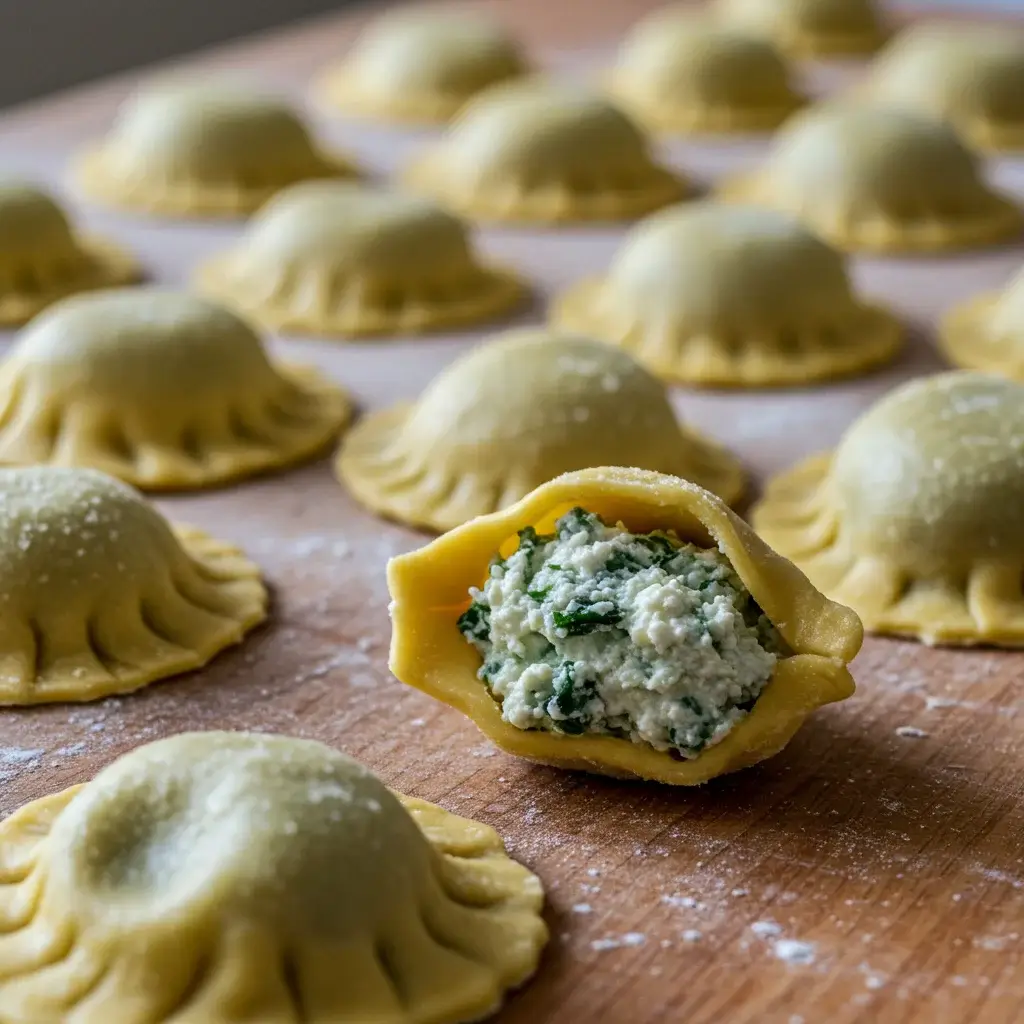
In the world of Italian cuisine, pasta is a staple that embodies comfort, tradition, and a burst of flavors. One such delightful pasta dish is Cappellacci with Swiss Chard and Fresh Ricotta. This dish combines the earthy taste of Swiss chard with the creamy texture of ricotta, all enveloped in a delicate homemade pasta. Preparing this dish from scratch not only provides a sense of accomplishment but also guarantees a flavorful meal that is perfect for any occasion. Let’s dive into the art of making this exquisite dish and bring a piece of Italy to your kitchen.
Ingredients
To embark on this culinary journey, gather the following ingredients which are essential for crafting the perfect cappellacci:
- 2 cups all-purpose flour
- 3 large eggs
- 1 cup Swiss chard, chopped
- 1 cup fresh ricotta cheese
- 1/2 cup grated Parmesan cheese
- Salt and pepper to taste
- Olive oil (for drizzling)
Instructions
Creating cappellacci from scratch is an art that requires precision and patience. Follow these steps to achieve pasta perfection:
1. Make the Dough
- In a large mixing bowl, combine the all-purpose flour with a pinch of salt.
- Create a well in the center of the flour mixture and crack the eggs into this well.
- Gradually incorporate the flour into the eggs using a fork until a dough begins to form.
- Transfer the dough onto a floured surface and knead it for about 5 minutes until it becomes smooth and elastic.
- Wrap the dough in plastic wrap and let it rest for 30 minutes to allow the gluten to relax.
2. Prepare the Filling
- Heat a small amount of olive oil in a pan over medium heat.
- Add the chopped Swiss chard and sauté until it wilts, which should take about 3-4 minutes.
- In a mixing bowl, combine the sautéed Swiss chard with fresh ricotta, grated Parmesan cheese, salt, and pepper.
- Stir the mixture until all ingredients are well incorporated and set aside.
3. Roll the Dough
- Divide the rested dough into four equal pieces for easier handling.
- Using a pasta machine or a rolling pin, roll each piece of dough into a thin sheet.
- Aim for a thickness that is thin enough to be delicate yet sturdy enough to hold the filling.
4. Shape the Cappellacci
- Use a round cutter or a glass to cut circles about 3 inches in diameter from the rolled dough.
- Place a spoonful of the ricotta and Swiss chard filling in the center of each circle.
- Fold the dough over to create a half-moon shape and press the edges firmly to seal.
- Ensure there are no air pockets by pressing around the filling gently.
5. Cook the Cappellacci
- Bring a large pot of salted water to a boil.
- Gently drop the cappellacci into the boiling water.
- Cook until they float to the surface, which should take about 3-4 minutes.
- Use a slotted spoon to remove the cappellacci and drain them well.
- Drizzle with olive oil before serving to add a touch of richness.
Nutrition Facts
Here’s a quick look at the nutritional content per serving of this delicious homemade cappellacci:
- Calories: 270
- Protein: 10g
- Carbohydrates: 36g
- Fat: 9g
- Fiber: 2g
How to Serve
Serving cappellacci can be as simple or elaborate as you desire, allowing you to tailor the presentation to suit any occasion or personal taste. Here are some detailed serving suggestions to elevate your dining experience and impress your guests:
Classic Style
For a straightforward yet flavorful presentation, opt for a drizzle of high-quality extra virgin olive oil. This adds richness and a fruity note that enhances the natural flavors of the cappellacci. To complement this, sprinkle additional grated Parmesan cheese over the dish. The nutty, salty flavor of the cheese not only adds depth but also provides a delightful contrast to the soft pasta. For an even more elevated touch, consider using a truffle oil instead of regular olive oil, which can impart an earthy aroma and luxurious finish.
Sauce Pairing
When it comes to sauce, the goal is to enhance the cappellacci without overshadowing the delicate flavors of the filling. A light butter and sage sauce is a classic choice; to prepare it, melt unsalted butter in a pan until it begins to foam, then add fresh sage leaves and cook until the leaves are crispy and the butter is golden brown. This sauce will impart a warm, nutty flavor that beautifully complements the pasta. Alternatively, a simple marinara sauce made from ripe tomatoes, garlic, and fresh herbs can provide a bright and tangy contrast. For a gourmet touch, consider adding a splash of white wine or a hint of crushed red pepper to your sauce to elevate the flavor profile further.
Garnish
Garnishing your cappellacci not only adds visual appeal but also enhances the overall flavor. Freshly chopped herbs such as parsley or basil can introduce a burst of color and freshness. To make your dish even more visually appealing, consider adding microgreens or edible flowers. These not only provide a stunning presentation but also a variety of textures and flavors. A sprinkle of freshly cracked black pepper or a few red pepper flakes can offer a slight kick, while a dash of lemon zest can brighten the dish and add a refreshing note.
Accompaniments
To create a complete and satisfying meal, consider pairing your cappellacci with a crisp green salad. A simple arugula salad dressed with lemon juice, olive oil, and shaved Parmesan can provide a refreshing counterbalance to the richness of the pasta. If you’re looking for something heartier, a mixed greens salad with roasted vegetables or a grain-based salad featuring farro or quinoa can add texture and substance.
For the perfect beverage pairing, a glass of chilled white wine is an excellent choice. Wines such as Pinot Grigio or Sauvignon Blanc offer crisp acidity that complements the flavors of the dish without overwhelming them. If you prefer a non-alcoholic option, consider serving sparkling water with a slice of lemon or cucumber for a refreshing palate cleanser.
Presentation Tips
In addition to these serving suggestions, consider the presentation of your dish. Use warm, shallow bowls to serve the cappellacci, as they allow for beautiful arrangement and make it easy for guests to enjoy every bite. If you’re serving multiple courses, consider a family-style presentation where guests can help themselves, creating a more communal and inviting dining experience.
Additionally, don’t underestimate the power of table setting. Elegant plates, cloth napkins, and thoughtfully chosen cutlery can transform a simple meal into a festive occasion. Candles or fresh flowers can also enhance the ambiance, making your dining experience truly memorable.
By incorporating these serving suggestions, you can transform a simple dish of cappellacci into a stunning centerpiece for any meal, ensuring that both the flavors and presentation leave a lasting impression on your guests.
Additional Tips
To enhance your cappellacci-making experience, consider the following tips:
Dough Consistency
Achieving the right dough consistency is crucial for perfect cappellacci. When kneading the dough, pay close attention to its texture. If it feels too dry and crumbly, indicating that it may not hold together well during the rolling and shaping process, add a few drops of water. It’s best to do this gradually; too much water can lead to a sticky mess. On the other hand, if the dough is overly sticky and clings to your hands or the work surface, sprinkle in a bit more flour. Aim for a smooth, elastic dough that springs back when lightly pressed. This texture is essential not only for ease of handling but also for achieving that delightful al dente bite after cooking.
Seal Securely
A common pitfall in ravioli and cappellacci-making is improper sealing. To ensure the edges of your cappellacci are sealed tightly, first, lightly moisten the edges with water using your finger or a small brush. This helps the dough adhere better when pressed together. After placing the filling onto the dough, fold it over carefully and press down firmly around the edges to eliminate any air pockets. A good seal is vital; otherwise, the filling may leak out during cooking, leading to a disappointing mess. For added security, you can crimp the edges with a fork or your fingers, creating a decorative pattern while ensuring a tight seal.
Experiment with Fillings
While the classic combination of Swiss chard and ricotta is a beloved choice, don’t hesitate to explore other filling options to personalize your cappellacci. Consider using sautéed spinach, which adds a vibrant flavor, or mushrooms, which offer an earthy richness. For a heartier option, try incorporating roasted butternut squash or sweet potatoes, paired with a hint of nutmeg and Parmesan. If you prefer a meatier filling, a mixture of ground meats like beef or chicken with herbs can add depth and flavor. The key is to balance flavors and textures; aim for a filling that isn’t too wet, as excess moisture can lead to soggy pasta.
Make Ahead
Preparing cappellacci in advance is a great way to save time, especially if you’re planning to serve them for a special occasion. To make ahead, prepare your cappellacci and arrange them on a well-floured baking sheet in a single layer. This prevents them from sticking together. Once they are all laid out, place the baking sheet in the freezer until the cappellacci are frozen solid. After that, transfer them to a freezer-safe bag or container, layering parchment paper between them if necessary. This method allows you to store them for up to a month. When you’re ready to cook, there’s no need to thaw them; simply drop them into boiling water and cook for a minute or two longer than fresh cappellacci. This approach not only saves time but also retains the delightful texture and flavor of your homemade pasta.
Additional Considerations
- Flour Type: The type of flour you use can significantly impact the texture of your dough. While all-purpose flour is a common choice, consider using “00” flour, which is finely milled and perfect for pasta-making. It creates a silky texture and helps achieve a perfect bite.
- Resting the Dough: Allow your dough to rest for at least 30 minutes after kneading. This resting period hydrates the flour and relaxes the gluten, making rolling out the dough much easier.
- Temperature Matters: Keep your work surface and tools cool. Warm temperatures can make the dough sticky, so work in a cool kitchen, and consider chilling your tools, such as the rolling pin, to help maintain the right consistency.
- Serving Suggestions: After boiling your cappellacci, consider tossing them in a light sauce, such as a sage brown butter or a simple marinara, to enhance their flavor. Fresh herbs, grated cheese, and a drizzle of high-quality olive oil can elevate your dish even further.
By following these tips, you will not only ensure a successful cappellacci-making experience but also create a delicious pasta dish that you can be proud to serve to family and friends. Happy cooking!
FAQs
Q: Can I use whole wheat flour instead of all-purpose flour?
A: Yes, you can substitute whole wheat flour for a healthier version, but keep in mind that the texture may be slightly denser.
Q: How do I store leftover cappellacci?
A: Store any leftover cooked cappellacci in an airtight container in the refrigerator for up to three days. Reheat by briefly boiling or sautéing in olive oil.
Q: Is there a substitute for Swiss chard?
A: Spinach or kale can be used as alternatives if Swiss chard is unavailable.
Q: Can I add other cheeses to the filling?
A: Absolutely! Adding cheeses like mozzarella or goat cheese can introduce new flavors to the filling.
Conclusion
Creating Cappellacci with Swiss Chard and Fresh Ricotta is a rewarding culinary adventure that brings the authentic flavors of Italy into your home. This dish combines simple, fresh ingredients to produce a meal that is both comforting and sophisticated. Whether you’re making it for a family dinner or a special occasion, cappellacci promises to impress with its delicate pasta and flavorful filling. So, roll up your sleeves, gather your ingredients, and enjoy the art of homemade pasta-making. Buon appetito!
Print
Cappellacci with Swiss Chard and Fresh Ricotta recipe
Ingredients
- 2 cups all-purpose flour
- 3 large eggs
- 1 cup Swiss chard, chopped
- 1 cup fresh ricotta cheese
- 1/2 cup grated Parmesan cheese
- Salt and pepper to taste
- Olive oil (for drizzling)
Instructions
1. Make the Dough
- In a large mixing bowl, combine the all-purpose flour with a pinch of salt.
- Create a well in the center of the flour mixture and crack the eggs into this well.
- Gradually incorporate the flour into the eggs using a fork until a dough begins to form.
- Transfer the dough onto a floured surface and knead it for about 5 minutes until it becomes smooth and elastic.
- Wrap the dough in plastic wrap and let it rest for 30 minutes to allow the gluten to relax.
2. Prepare the Filling
- Heat a small amount of olive oil in a pan over medium heat.
- Add the chopped Swiss chard and sauté until it wilts, which should take about 3-4 minutes.
- In a mixing bowl, combine the sautéed Swiss chard with fresh ricotta, grated Parmesan cheese, salt, and pepper.
- Stir the mixture until all ingredients are well incorporated and set aside.
3. Roll the Dough
- Divide the rested dough into four equal pieces for easier handling.
- Using a pasta machine or a rolling pin, roll each piece of dough into a thin sheet.
- Aim for a thickness that is thin enough to be delicate yet sturdy enough to hold the filling.
4. Shape the Cappellacci
- Use a round cutter or a glass to cut circles about 3 inches in diameter from the rolled dough.
- Place a spoonful of the ricotta and Swiss chard filling in the center of each circle.
- Fold the dough over to create a half-moon shape and press the edges firmly to seal.
- Ensure there are no air pockets by pressing around the filling gently.
5. Cook the Cappellacci
- Bring a large pot of salted water to a boil.
- Gently drop the cappellacci into the boiling water.
- Cook until they float to the surface, which should take about 3-4 minutes.
- Use a slotted spoon to remove the cappellacci and drain them well.
- Drizzle with olive oil before serving to add a touch of richness.
Nutrition
- Serving Size: one normal portion
- Calories: 270
- Fat: 9g
- Carbohydrates: 36g
- Fiber: 2g
- Protein: 10g