
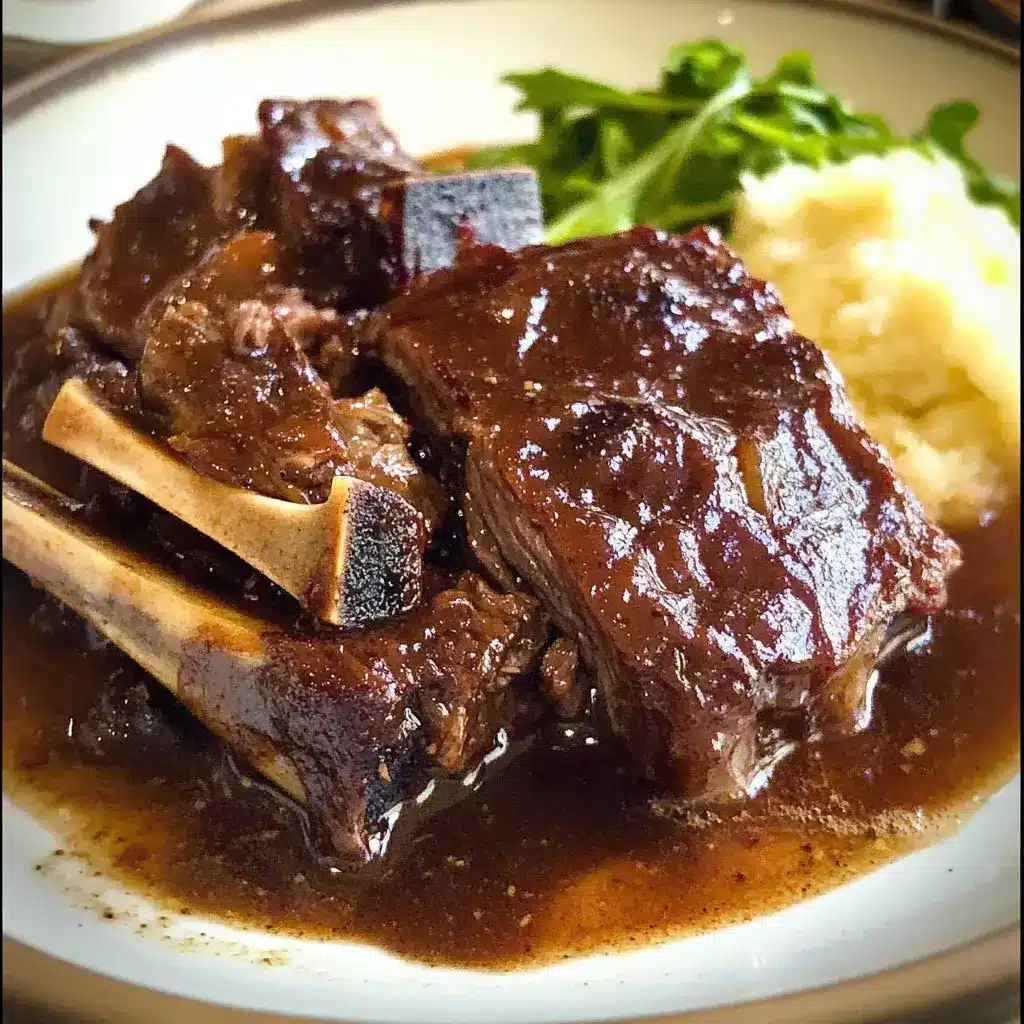
There are certain dishes that, for me, define pure, unadulterated comfort and a touch of luxury, and Braised Beef Short Ribs sit right at the top of that list. I’ll never forget the first time I truly mastered them. It was a chilly autumn Sunday, the kind of day that just begs for something rich and warming to simmer away in the oven, filling the house with an irresistible aroma. I’d invited my parents over, and I wanted to make something special. The patient browning, the careful layering of aromatics, the slow, gentle braise in red wine and broth – it felt like a culinary ritual. Hours later, when I presented those impossibly tender, fall-off-the-bone short ribs, glistening in their own deeply flavorful sauce, the reaction was everything I’d hoped for. My father, a man of discerning tastes, took one bite, closed his eyes for a moment, and then declared them the best short ribs he’d ever had. That meal wasn’t just food; it was an experience, a memory forged in rich flavors and shared warmth. This recipe, refined over years, consistently delivers that same “wow” factor, transforming a humble cut into something truly extraordinary.
Why This Braised Beef Short Ribs Recipe is Pure Culinary Magic
Braised Beef Short Ribs are a testament to the transformative power of slow cooking. This particular recipe isn’t just about cooking meat; it’s about building layers of profound flavor that culminate in a dish that is both rustic and deeply sophisticated. Here’s what makes it so special:
Firstly, it champions depth of flavor through patience and technique. The initial searing of the short ribs is crucial, creating a rich, brown crust through the Maillard reaction, which forms the foundational flavor base. Sautéing the mirepoix (onions, carrots, celery) until deeply caramelized, blooming the tomato paste, and deglazing with good quality red wine all contribute complex notes that you simply can’t achieve with shortcuts.
Secondly, the braising liquid is a carefully orchestrated symphony of ingredients. A robust red wine (like Cabernet Sauvignon or Merlot) provides acidity and fruity depth, rich beef broth adds umami, and aromatics like garlic, bay leaves, and thyme infuse the meat and sauce with classic, comforting aromas. This isn’t just a bath for the meat; it becomes an integral part of the final, luscious sauce.
Thirdly, the magic of “low and slow” cooking is at its heart. Over several hours in a gentle oven, the tough connective tissues (collagen) in the short ribs gradually break down into gelatin. This process not only makes the meat incredibly tender – literally falling off the bone – but also enriches the braising liquid, giving it body and a silky texture.
Finally, this recipe is impressive yet surprisingly straightforward. While it requires time, most of it is hands-off, allowing the oven to do the heavy lifting. It’s the perfect dish for a special occasion, a cozy weekend dinner, or when you simply want to treat yourself and your loved ones to something truly memorable. The fall-off-the-bone tender meat, enrobed in its own rich, glossy sauce, is a culinary experience that will have everyone asking for the recipe.
The Star of the Show: Understanding Beef Short Ribs
Before diving into the recipe, let’s talk about the main ingredient: beef short ribs. Understanding this cut is key to appreciating why braising is the ideal cooking method.
What Are Beef Short Ribs?
Beef short ribs come from the brisket, chuck, plate, or rib areas of beef cattle. They are the shorter portions of the rib bone, which are too small to be sold as prime rib or ribeye steaks. They are characterized by a significant amount of meat on top of the bone, interspersed with layers of fat and connective tissue.
Types of Cuts:
You’ll typically find short ribs sold in two main styles:
- English Cut: This is the most common cut for braising. The ribs are cut parallel to the bone, resulting in shorter, thicker, individual pieces, often 2-4 inches long, each with a bone along one side. This cut is ideal because it provides a good meat-to-bone ratio and holds its shape well during long cooking. This is the cut we want for this recipe.
- Flanken Cut: In this style, the ribs are cut across the bone, resulting in thinner (about 1/2 inch thick) strips of meat that contain several pieces of bone. Flanken-cut ribs are more common in Korean BBQ (Kalbi) and cook much faster. They are not ideal for this braising recipe.
What to Look For When Buying:
- Bone-In: Always choose bone-in short ribs for braising. The bone adds incredible flavor to the meat and the braising liquid. The marrow within the bone also melts out, further enriching the sauce.
- Good Marbling: Look for ribs with generous marbling – streaks of fat running through the meat. This fat will render during cooking, keeping the meat moist and adding flavor.
- Meaty Pieces: Select ribs that have a good, thick layer of meat on top of the bone. Avoid pieces that are mostly fat or bone.
- Uniformity (if possible): Try to choose pieces that are relatively uniform in size and thickness to ensure even cooking.
Why Braising is Perfect for Short Ribs:
Short ribs are a tougher cut of meat due to the hard-working muscles and abundant connective tissue (collagen) they contain. Quick cooking methods like grilling or pan-frying would result in very chewy meat.
Braising – a combination cooking method that uses both dry heat (searing) and moist heat (simmering in liquid) – is the perfect solution. The long, slow cooking in a flavorful liquid at a low temperature allows the collagen to break down into rich, unctuous gelatin. This process not only tenderizes the meat to an incredible degree but also creates a deeply flavored, naturally thickened sauce.
Building the Flavor Base: The Magic of the Braising Liquid
The braising liquid isn’t just a medium for cooking the short ribs; it’s the soul of the dish, transforming into a luscious, deeply flavored sauce. Each component plays a crucial role:
- The Mirepoix (Aromatic Vegetables):
- Onions, Carrots, Celery: This classic trio forms the aromatic foundation. When slowly sautéed until softened and lightly caramelized, they release their natural sugars and create a complex sweetness and savory depth. They also lend body to the final sauce.
- Tomato Paste (Umami and Acidity):
- “Toasting” or “blooming” the tomato paste by cooking it briefly with the aromatics deepens its flavor, removing any raw or metallic taste and enhancing its rich umami and tangy notes. It also contributes a beautiful, deep reddish-brown color to the sauce.
- Red Wine (Depth, Acidity, and Deglazing):
- A dry, full-bodied red wine like Cabernet Sauvignon, Merlot, Zinfandel, or a Côtes du Rhône is ideal. The wine serves multiple purposes:
- Deglazing: It helps to scrape up the “fond” – the browned bits stuck to the bottom of the pan after searing the meat and cooking the aromatics. This fond is packed with flavor.
- Acidity: The acidity in the wine helps to tenderize the meat and balances the richness of the short ribs.
- Flavor: It adds complex fruity and sometimes earthy notes that complement the beef beautifully. Always use a wine you would enjoy drinking.
- A dry, full-bodied red wine like Cabernet Sauvignon, Merlot, Zinfandel, or a Côtes du Rhône is ideal. The wine serves multiple purposes:
- Beef Broth/Stock (The Savory Body):
- Good quality beef broth or stock (preferably low-sodium so you can control the seasoning) provides the primary liquid volume for the braise. It infuses the meat with more beefy flavor and forms the bulk of the sauce. Homemade stock is fantastic, but quality store-bought options work well.
- Herbs and Spices (The Aromatic Nuances):
- Fresh Thyme & Rosemary: These hearty herbs hold up well to long cooking and impart classic, earthy, and piney notes that are traditional with braised beef.
- Bay Leaves: Add a subtle, savory background aroma.
- Garlic: Provides its essential pungent, savory character. Adding it after the initial sauté of the mirepoix prevents it from burning.
- Black Peppercorns: For a gentle warmth.
- Flour (Optional, for searing and slight thickening):
- Some recipes call for lightly dredging the short ribs in flour before searing. This can help with browning and provides a very slight initial thickening to the sauce. It’s often a matter of preference. This recipe focuses on sauce reduction for thickening.
When these components simmer together with the short ribs for hours, they meld and concentrate, creating a sauce that is rich, complex, and utterly divine – the perfect partner for the fall-apart tender meat.
Gather Your Arsenal: Complete Braised Beef Short Ribs Ingredients
Here’s what you’ll need to create this show-stopping dish:
For the Short Ribs:
- 4-5 lbs (approx. 1.8-2.3 kg) bone-in beef short ribs (English cut, about 2-3 inches thick per piece)
- 2 tablespoons olive oil (or other high smoke point oil like avocado oil)
- Salt (Kosher salt preferred) and freshly ground black pepper, to taste
For the Braising Liquid & Aromatics:
- 1 large yellow onion, chopped (about 1.5-2 cups)
- 2 medium carrots, peeled and chopped (about 1 cup)
- 2 celery stalks, chopped (about 1 cup)
- 4-5 cloves garlic, minced (about 1.5 tablespoons)
- 2 tablespoons tomato paste
- 1 bottle (750ml) dry red wine (such as Cabernet Sauvignon, Merlot, or Zinfandel)
- 4 cups (32 oz / approx. 1 liter) low-sodium beef broth or stock
- 4-5 sprigs fresh thyme
- 2-3 sprigs fresh rosemary (optional, can be strong)
- 2 bay leaves
- 1 teaspoon whole black peppercorns (optional, if you like a peppery background)
- Fresh parsley, chopped (for garnish, optional)
Equipment:
- Large, heavy-bottomed Dutch oven or oven-safe pot with a tight-fitting lid (at least 6-8 quart capacity)
Step-by-Step to Melting Tenderness: Instructions
- Prepare the Short Ribs: Pat the short ribs thoroughly dry with paper towels (this helps achieve a good sear). Season generously on all sides with salt and freshly ground black pepper.
- Sear the Short Ribs: Heat the olive oil in your Dutch oven over medium-high heat until it’s shimmering but not smoking. Carefully place the short ribs in the hot pan, ensuring not to overcrowd it (work in batches if necessary – this is crucial for proper browning). Sear the ribs on all sides until deeply browned and a rich crust forms, about 2-4 minutes per side. Remove the seared ribs from the pot and set them aside on a plate.
- Sauté Aromatics: Reduce the heat to medium. If there’s excessive fat in the pot (more than 2-3 tablespoons), carefully pour some off, leaving the browned bits (fond) behind. Add the chopped onion, carrots, and celery (the mirepoix) to the pot. Cook, stirring occasionally, for 8-10 minutes, until softened and lightly caramelized.
- Add Garlic and Tomato Paste: Add the minced garlic and tomato paste to the vegetables. Cook for another 2-3 minutes, stirring constantly, until the tomato paste darkens slightly and becomes fragrant. This “toasts” the tomato paste and deepens its flavor.
- Deglaze with Wine: Pour in the red wine. Bring it to a simmer, scraping up any browned bits (fond) from the bottom of the pot with a wooden spoon. Let the wine simmer and reduce by about half, which should take 10-15 minutes. This concentrates the wine’s flavor and cooks off some of the alcohol.
- Add Broth and Herbs: Pour in the beef broth. Add the fresh thyme sprigs, rosemary sprigs (if using), bay leaves, and whole black peppercorns (if using). Stir everything together and bring the liquid to a gentle simmer.
- Return Ribs and Braise: Carefully return the seared short ribs (and any accumulated juices from the plate) to the pot, nestling them into the liquid. The liquid should mostly cover the ribs, but it’s okay if the tops are slightly exposed.
- Oven Braise: Cover the Dutch oven tightly with its lid. Transfer the pot to a preheated oven at 325°F (160-165°C). Braise for 3 to 4 hours, or until the short ribs are exceptionally tender and easily fall off the bone when prodded with a fork. Check after 2.5 hours and add more beef broth or water if the liquid level seems too low.
- Rest and Skim Fat: Once tender, carefully remove the Dutch oven from the oven. Gently transfer the short ribs to a clean plate or platter and tent them with foil to keep warm. Let the braising liquid in the pot settle for 10-15 minutes. Then, skim off as much fat as possible from the surface using a wide spoon or a fat separator. (For even easier fat removal, you can chill the sauce completely, allowing the fat to solidify on top for easy removal, then reheat – this is great if making ahead).
- Strain and Reduce Sauce (Optional but Recommended): For a smoother, more refined sauce, strain the braising liquid through a fine-mesh sieve into a saucepan, pressing on the solids to extract as much liquid as possible (discard the solids). Bring the strained sauce to a simmer over medium heat and let it reduce until it has thickened slightly and reached your desired consistency, about 10-20 minutes. Taste and adjust seasoning with salt and pepper if needed. If you prefer a more rustic sauce, you can skip straining and just reduce it with the softened vegetables, or even blend some of the vegetables into the sauce with an immersion blender.
- Serve: Serve the tender short ribs generously coated with the rich braising sauce. Garnish with fresh chopped parsley, if desired. See “How to Serve” section for pairing ideas.
Nutritional Snapshot: What’s in Your Braised Beef Short Ribs?
Servings: This recipe typically yields 4-6 servings, depending on the size of the short ribs and appetite. (Assuming about 0.75 to 1 lb of short ribs per person before cooking; remember bones account for some weight).
Calories per serving (approximate): Around 600-800 calories per serving (for the short ribs and sauce, excluding side dishes).
Please note: This is a rough estimation. The exact nutritional content can vary significantly based on:
- The specific marbling and fat content of the short ribs used.
- The amount of fat skimmed from the sauce.
- The precise quantities of ingredients like wine (some alcohol cooks off, but not all).
- Serving size.
General Breakdown per Serving (Estimated, excluding sides):
- Protein: Very High (from beef)
- Fat: High (primarily from beef, even after skimming, but includes some healthy fats if olive oil is used initially). Saturated fat content will be significant.
- Carbohydrates: Moderate (from vegetables, tomato paste, and residual sugars in wine).
- Key Nutrients: Rich in iron, zinc, B vitamins (especially B12).
Braised beef short ribs are a rich, indulgent dish. They are best enjoyed as part of a balanced meal, paired with lighter sides like steamed or roasted vegetables. Portion control is key if you are mindful of calorie or fat intake.
Timing is Everything: Preparation and Cooking Time
Understanding the timeline is crucial for planning this luxurious dish, as most of the time is hands-off.
- Active Preparation (Chopping, Seasoning): 20-30 minutes
- Searing Short Ribs (in batches): 20-30 minutes
- Sautéing Aromatics & Deglazing: 20-25 minutes
- Braising Time (in oven): 3 – 4 hours (hands-off)
- Resting & Skimming Fat: 15-20 minutes (can be much longer if chilling to solidify fat)
- Sauce Reduction (Optional): 10-20 minutes
Total Active Time: Approximately 1 hour 15 minutes to 1 hour 45 minutes (spread out)
Total Hands-Off Braising/Resting Time: Approximately 3 hours 15 minutes to 4 hours 20 minutes (or much longer if chilling sauce)
Summary for Planning:
This dish is ideal for a weekend or a day when you have ample time for it to simmer away.
- Morning/Early Afternoon: Start the prep and get the ribs into the oven.
- Late Afternoon: Ribs come out, rest, sauce is finished.
- Evening: Enjoy a spectacular dinner.
You can also make this dish a day or two in advance. In fact, many find the flavor improves as it sits, and it makes skimming the fat incredibly easy.
How to Serve Your Masterpiece: Pairing Braised Beef Short Ribs
Braised Beef Short Ribs, with their rich sauce and tender meat, deserve accompaniments that complement their luxuriousness without overwhelming them. Here are some classic and delicious serving suggestions:
Starches (to soak up that glorious sauce!):
- Creamy Mashed Potatoes:
- This is the quintessential pairing. The buttery, smooth potatoes are a perfect foil for the rich meat and sauce.
- Consider garlic mashed potatoes or even a celery root puree for a twist.
- Soft Polenta:
- Creamy, cheesy polenta offers a delightful texture and slightly sweet corn flavor that pairs beautifully.
- Pappardelle or Other Wide Egg Noodles:
- The wide, flat noodles catch the sauce wonderfully. Toss lightly with butter and parsley.
- Crusty Bread:
- A good quality baguette or sourdough is essential for mopping up every last bit of the incredible sauce.
- Risotto:
- A simple Parmesan risotto or a mushroom risotto can be an elegant base.
- Roasted Root Vegetables:
- Carrots, parsnips, and potatoes roasted alongside or separately can be served under or next to the ribs.
Vegetables (for balance and freshness):
- Steamed or Blanched Green Beans:
- Tossed with a little butter or olive oil and perhaps some toasted almonds.
- Roasted Asparagus:
- Simple, elegant, and adds a nice green contrast.
- Sautéed Spinach or Kale:
- With a touch of garlic.
- Peas:
- Sweet peas add a pop of color and sweetness.
- A Simple Green Salad:
- With a light vinaigrette to cut through the richness.
Toppings & Garnishes:
- Fresh Parsley:
- Chopped fresh flat-leaf parsley adds a touch of freshness and color.
- Gremolata:
- A classic Italian garnish made from chopped parsley, lemon zest, and garlic. Its bright, zesty flavors cut through the richness of the ribs beautifully. This is highly recommended!
- To make: Combine 1/2 cup chopped fresh parsley, zest of 1 lemon, and 1-2 minced garlic cloves.
- Horseradish Cream:
- A dollop of creamy horseradish sauce can provide a zesty counterpoint.
Presentation:
- Serve a generous short rib (or two, depending on size) per person.
- Ladle plenty of the rich braising sauce over the meat and your chosen starch.
- Garnish attractively.
No matter how you choose to serve them, these braised beef short ribs are sure to be the star of the meal.
Pro Tips for Short Rib Perfection: Additional Tips
Elevate your braised beef short ribs from great to truly unforgettable with these five expert tips:
- Don’t Rush the Sear: Achieving a deep, dark brown crust on all sides of the short ribs is paramount. This Maillard reaction builds incredible depth of flavor that forms the foundation of your dish. Work in batches if necessary to avoid overcrowding the pan, which would steam the meat rather than sear it. Be patient; good color equals good flavor.
- Use a Wine You’d Drink: The quality of your red wine significantly impacts the final sauce. Avoid “cooking wine,” which often contains salt and additives. A decent quality, full-bodied dry red wine (like Cabernet Sauvignon, Merlot, or Zinfandel) will lend the best flavor. If you wouldn’t enjoy a glass of it, don’t put it in your ribs.
- Embrace the Low and Slow (and Don’t Peek Too Often!): True tenderness in short ribs comes from the slow breakdown of collagen, which happens best at a consistent, low temperature over several hours. Resist the urge to constantly open the oven and check on them, as this releases heat and can prolong cooking time. Trust the process.
- Skim the Fat Thoroughly (Chilling is Your Friend): Short ribs render a lot of fat. While some fat is flavor, too much can make the sauce greasy. For the cleanest-tasting sauce, allow the braising liquid to cool (ideally, chill it completely in the refrigerator for several hours or overnight). The fat will solidify on top, making it incredibly easy to remove entirely before reheating and serving.
- Taste and Adjust the Final Sauce: After braising and reducing, your sauce will be concentrated. Always taste it before serving. It might need a touch more salt, a grind of black pepper, or even a tiny splash of vinegar or lemon juice to brighten it up if it tastes too flat or heavy. This final seasoning step can make a huge difference.
Beyond the Classic: Braised Short Rib Variations
While this classic red wine braise is divine, short ribs are wonderfully adaptable to other flavor profiles. Once you’ve mastered the technique, consider these variations:
- Asian-Inspired Short Ribs:
- Braising Liquid: Replace red wine with Shaoxing rice wine or dry sherry. Use soy sauce, mirin, star anise, ginger, garlic, and scallions in the braising liquid. Beef broth can still be used.
- Serve with: Steamed rice, Asian greens (like bok choy), and garnish with toasted sesame seeds and chopped cilantro.
- Beer-Braised Short Ribs:
- Braising Liquid: Substitute a dark beer like stout, porter, or a Belgian dubbel for the red wine. The malty, sometimes chocolatey or coffee notes of dark beer complement beef beautifully.
- Aromatics: Consider adding smoked paprika or a touch of chipotle for smokiness.
- Mexican-Inspired Barbacoa-Style Short Ribs:
- Braising Liquid & Spices: Use beef broth with rehydrated dried chilies (like ancho, guajillo), cumin, Mexican oregano, cloves, and a splash of apple cider vinegar. You can sear the ribs after rubbing them with a spice blend.
- Serve with: Warm tortillas, cilantro, chopped onion, lime wedges, and your favorite salsa.
- Lighter, Herbaceous Braise (e.g., with White Wine):
- Braising Liquid: Use a dry white wine (like Sauvignon Blanc or Pinot Grigio) instead of red. Focus on lighter herbs like parsley, tarragon, and chives, perhaps with lemon zest.
- Vegetables: Could include leeks or fennel in the mirepoix.
- Short Ribs with Mushrooms and Pearl Onions:
- Additions: Sauté cremini or shiitake mushrooms and pearl onions separately until browned, then add them to the braise during the last hour of cooking, or stir them into the finished sauce. This adds another layer of earthy flavor and texture.
The core braising technique remains the same: sear, build aromatics, deglaze, add liquid, and cook low and slow. The variations come from the specific ingredients you choose for your flavor profile.
Your Braising Queries Answered: FAQ
Here are answers to some frequently asked questions about making braised beef short ribs:
- Q: Can I use boneless short ribs for this recipe?
A: You can, but bone-in is highly recommended. The bones contribute significant flavor to both the meat and the braising liquid due to the marrow and collagen. Boneless short ribs can also cook a bit faster and may not have the same richness. If using boneless, you might want to add extra beef bones to the braise for flavor, if possible, and reduce cooking time slightly, checking for tenderness earlier. - Q: My short ribs came out tough. What went wrong?
A: The most common reason for tough short ribs is undercooking. Short ribs need a long, slow cooking time (typically 3-4 hours in a 325°F oven) for the tough connective tissue (collagen) to break down into gelatin, which makes them tender. If they’re tough, they likely need more time. Ensure your oven temperature is accurate and the pot is well-sealed. Also, ensure they are mostly submerged in liquid. - Q: Can I make braised short ribs ahead of time?
A: Absolutely! In fact, many people believe they taste even better the next day as the flavors meld further. Making them ahead also makes it much easier to skim the fat: cool the ribs and sauce completely, then refrigerate. The fat will solidify on top and can be easily lifted off. Reheat gently on the stovetop or in a low oven until warmed through. - Q: What if I don’t have a Dutch oven? What else can I use?
A: A heavy-bottomed, oven-safe pot with a tight-fitting lid is ideal. If you don’t have one, you can:- Sear and prepare the sauce base in a regular large pot or skillet on the stovetop.
- Transfer everything to a large oven-safe baking dish or roasting pan. Add the ribs and braising liquid.
- Cover the dish very tightly with a double layer of heavy-duty aluminum foil to create a good seal before placing it in the oven.
You can also adapt most braising recipes for a slow cooker: Sear ribs and sauté aromatics on the stovetop, deglaze, then transfer everything to the slow cooker. Cook on LOW for 6-8 hours or HIGH for 3-4 hours. The sauce might be thinner and require more reduction on the stovetop afterwards.
- Q: How do I store and reheat leftover braised short ribs?
A: Store leftover short ribs and their sauce in an airtight container in the refrigerator for up to 3-4 days. For longer storage, they can be frozen for up to 2-3 months.
To reheat: Place the short ribs and sauce in a saucepan or oven-safe dish. Reheat gently on the stovetop over low heat, or in a 300°F (150°C) oven, covered, until warmed through (about 20-30 minutes). Avoid high heat, which can dry them out or make the sauce separate. You may need to add a splash of beef broth or water if the sauce has thickened too much.
The Enduring Comfort of a Slow-Cooked Masterpiece
Braised Beef Short Ribs are more than just a meal; they are an event. They represent the epitome of comfort food elevated to an art form. The slow, patient process of transforming a humble cut of meat into something so incredibly tender and flavorful is a deeply rewarding culinary endeavor. The rich aroma that fills your home during the hours of braising is a promise of the deliciousness to come, building anticipation for a truly special dining experience.
Whether you’re cooking for a holiday, a special celebration, or simply seeking to create a memorable Sunday supper, this Braised Beef Short Ribs recipe provides all the guidance you need. It’s a dish that invites you to slow down, savor the process, and share the extraordinary results with people you care about. The fall-off-the-bone meat, enrobed in its own deeply savory, wine-infused sauce, is a culinary hug that will be remembered long after the plates are cleared.
Print
Braised Beef Short Ribs recipe
Ingredients
-
- 4–5 lbs (approx. 1.8–2.3 kg) bone-in beef short ribs (English cut, about 2–3 inches thick per piece)
-
- 2 tablespoons olive oil (or other high smoke point oil like avocado oil)
-
- Salt (Kosher salt preferred) and freshly ground black pepper, to taste
For the Braising Liquid & Aromatics:
-
- 1 large yellow onion, chopped (about 1.5–2 cups)
-
- 2 medium carrots, peeled and chopped (about 1 cup)
-
- 2 celery stalks, chopped (about 1 cup)
-
- 4–5 cloves garlic, minced (about 1.5 tablespoons)
-
- 2 tablespoons tomato paste
-
- 1 bottle (750ml) dry red wine (such as Cabernet Sauvignon, Merlot, or Zinfandel)
-
- 4 cups (32 oz / approx. 1 liter) low-sodium beef broth or stock
-
- 4–5 sprigs fresh thyme
-
- 2–3 sprigs fresh rosemary (optional, can be strong)
-
- 2 bay leaves
-
- 1 teaspoon whole black peppercorns (optional, if you like a peppery background)
-
- Fresh parsley, chopped (for garnish, optional)
Equipment:
-
- Large, heavy-bottomed Dutch oven or oven-safe pot with a tight-fitting lid (at least 6-8 quart capacity)
Instructions
-
- Prepare the Short Ribs: Pat the short ribs thoroughly dry with paper towels (this helps achieve a good sear). Season generously on all sides with salt and freshly ground black pepper.
-
- Sear the Short Ribs: Heat the olive oil in your Dutch oven over medium-high heat until it’s shimmering but not smoking. Carefully place the short ribs in the hot pan, ensuring not to overcrowd it (work in batches if necessary – this is crucial for proper browning). Sear the ribs on all sides until deeply browned and a rich crust forms, about 2-4 minutes per side. Remove the seared ribs from the pot and set them aside on a plate.
-
- Sauté Aromatics: Reduce the heat to medium. If there’s excessive fat in the pot (more than 2-3 tablespoons), carefully pour some off, leaving the browned bits (fond) behind. Add the chopped onion, carrots, and celery (the mirepoix) to the pot. Cook, stirring occasionally, for 8-10 minutes, until softened and lightly caramelized.
-
- Add Garlic and Tomato Paste: Add the minced garlic and tomato paste to the vegetables. Cook for another 2-3 minutes, stirring constantly, until the tomato paste darkens slightly and becomes fragrant. This “toasts” the tomato paste and deepens its flavor.
-
- Deglaze with Wine: Pour in the red wine. Bring it to a simmer, scraping up any browned bits (fond) from the bottom of the pot with a wooden spoon. Let the wine simmer and reduce by about half, which should take 10-15 minutes. This concentrates the wine’s flavor and cooks off some of the alcohol.
-
- Add Broth and Herbs: Pour in the beef broth. Add the fresh thyme sprigs, rosemary sprigs (if using), bay leaves, and whole black peppercorns (if using). Stir everything together and bring the liquid to a gentle simmer.
-
- Return Ribs and Braise: Carefully return the seared short ribs (and any accumulated juices from the plate) to the pot, nestling them into the liquid. The liquid should mostly cover the ribs, but it’s okay if the tops are slightly exposed.
-
- Oven Braise: Cover the Dutch oven tightly with its lid. Transfer the pot to a preheated oven at 325°F (160-165°C). Braise for 3 to 4 hours, or until the short ribs are exceptionally tender and easily fall off the bone when prodded with a fork. Check after 2.5 hours and add more beef broth or water if the liquid level seems too low.
-
- Rest and Skim Fat: Once tender, carefully remove the Dutch oven from the oven. Gently transfer the short ribs to a clean plate or platter and tent them with foil to keep warm. Let the braising liquid in the pot settle for 10-15 minutes. Then, skim off as much fat as possible from the surface using a wide spoon or a fat separator. (For even easier fat removal, you can chill the sauce completely, allowing the fat to solidify on top for easy removal, then reheat – this is great if making ahead).
-
- Strain and Reduce Sauce (Optional but Recommended): For a smoother, more refined sauce, strain the braising liquid through a fine-mesh sieve into a saucepan, pressing on the solids to extract as much liquid as possible (discard the solids). Bring the strained sauce to a simmer over medium heat and let it reduce until it has thickened slightly and reached your desired consistency, about 10-20 minutes. Taste and adjust seasoning with salt and pepper if needed. If you prefer a more rustic sauce, you can skip straining and just reduce it with the softened vegetables, or even blend some of the vegetables into the sauce with an immersion blender.
-
- Serve: Serve the tender short ribs generously coated with the rich braising sauce. Garnish with fresh chopped parsley, if desired. See “How to Serve” section for pairing ideas.
Nutrition
- Serving Size: one normal portion
- Calories: 600-800