
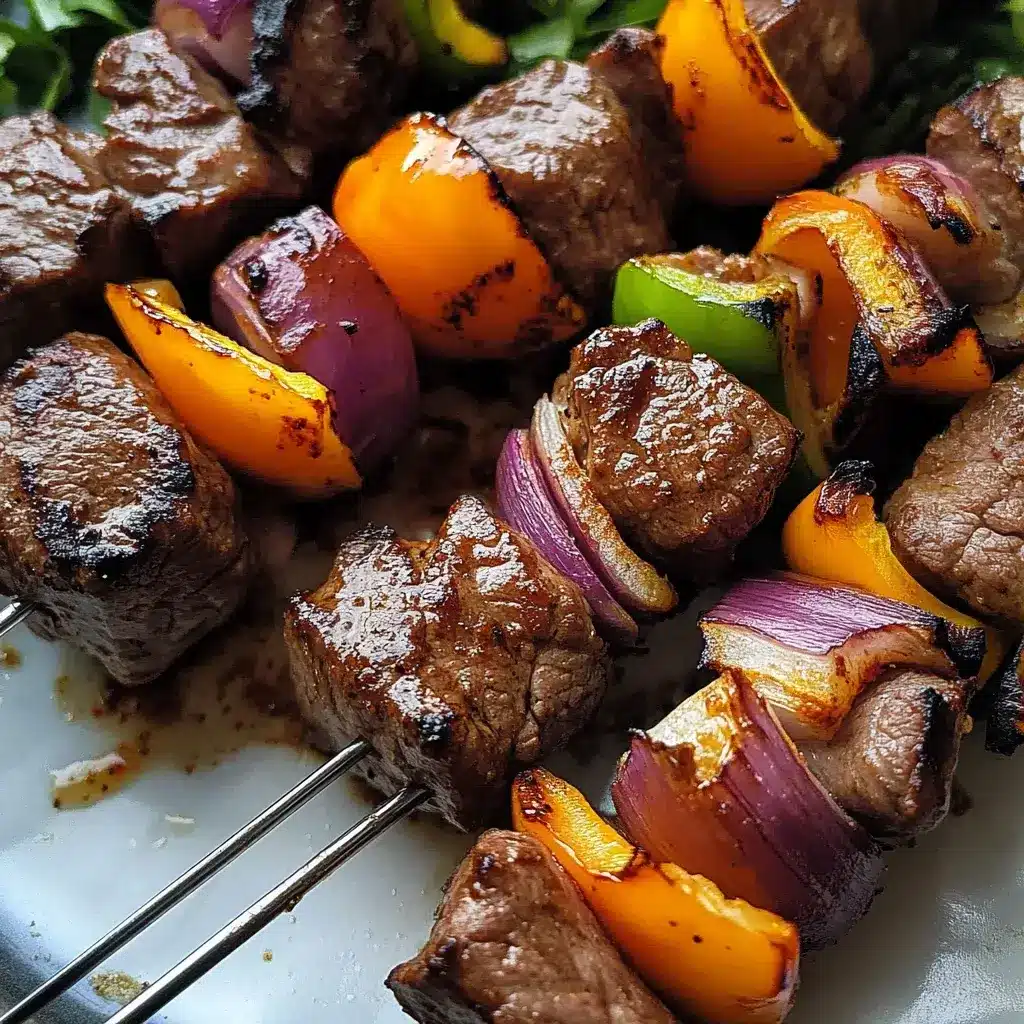
The sizzle of beef hitting a hot grill, the intoxicating aroma of spices mingling with char, and the promise of a juicy, tender bite – that’s the magic of beef kebabs. I remember the first time I truly nailed this recipe. It was a warm summer evening, the kind that begs for outdoor cooking. We had friends over, and I was a little nervous, wanting everything to be perfect. I’d marinated the beef overnight, threaded the skewers with colorful veggies, and when I pulled those perfectly charred kebabs off the grill, the reaction was immediate. Silence, followed by contented murmurs and then outright praise. My husband, usually a man of few words when it comes to food compliments (he just eats!), actually said, “Honey, these are the best kebabs you’ve ever made!” That was it. This recipe became a non-negotiable staple for our family gatherings, BBQs, and even for a special weeknight treat. It’s more than just food; it’s about creating those joyful, flavorful moments that bring everyone together. The secret, I’ve found, lies in a robust marinade that tenderizes and infuses the beef with incredible flavor, and a few simple techniques to ensure they cook to perfection every single time.
Why This Beef Kebab Recipe Will Become Your Grilling Go-To
In the vast world of grilling recipes, beef kebabs, or shish kebabs, hold a special place. They are versatile, visually appealing, and offer a delightful combination of textures and flavors. But not all beef kebab recipes are created equal. This particular recipe stands out for several reasons, making it a reliable favorite you’ll turn to again and again.
Firstly, the marinade is the cornerstone of its success. It’s a carefully balanced concoction of savory, acidic, and aromatic ingredients that work synergistically. The soy sauce provides umami depth, the olive oil ensures moisture, the lemon juice and red wine vinegar tenderize the meat beautifully, and the blend of garlic, oregano, paprika, and cumin creates an irresistible flavor profile. This isn’t just a surface-level flavoring; the marinade penetrates the beef, ensuring every bite is succulent and packed with taste.
Secondly, this recipe emphasizes using the right cut of beef and preparing it correctly. While you can technically make kebabs from various cuts, choosing one known for tenderness, like sirloin or even tenderloin (if you’re feeling indulgent), makes a world of difference. Cutting the beef into uniform pieces is also crucial for even cooking, preventing some pieces from being overdone while others remain raw.
Thirdly, it’s incredibly adaptable. While the core recipe is fantastic as is, you can easily customize the vegetables to your liking or what’s in season. You can also adjust the spice level or even experiment with different herbs in the marinade. This flexibility means you can make it your own and never get bored.
Finally, it’s a crowd-pleaser that’s easier to make than it looks. Threading skewers might seem a bit fiddly, but it’s a straightforward process, and the actual grilling time is relatively short. The vibrant colors of the beef and vegetables make for an impressive presentation, perfect for entertaining guests or simply elevating a family dinner. From backyard BBQs to weeknight culinary adventures, these beef kebabs deliver consistently delicious results, making you look like a grill master with minimal fuss.
Mastering the Marinade: The Secret to Tender, Flavorful Kebabs
The heart and soul of any truly memorable beef kebab lie in its marinade. A well-crafted marinade does more than just add flavor; it plays a crucial role in tenderizing the meat, ensuring each morsel is juicy and easy to chew. For beef, which can sometimes be a tougher protein depending on the cut, the tenderizing action of acidic components is particularly important.
Our marinade combines several key elements:
- Acid: Lemon juice and red wine vinegar are the acidic powerhouses here. They work by breaking down the tough muscle fibers in the beef, making it more tender. The tang they impart also brightens the overall flavor profile, cutting through the richness of the meat.
- Fat: Extra virgin olive oil serves multiple purposes. It helps to distribute the flavors of the other ingredients evenly over the surface of the meat. It also adds moisture, preventing the beef from drying out during the high-heat grilling process, and encourages a beautiful char.
- Salt/Umami: Soy sauce is a fantastic source of both salt and umami – that savory, “meaty” flavor. It seasons the beef deeply and enhances its natural flavors. Worcestershire sauce, with its complex blend of tangy, savory, and sweet notes, adds another layer of umami and depth.
- Aromatics & Spices: This is where the personality of the kebab truly shines.
- Garlic: Freshly minced garlic provides a pungent, aromatic base that is fundamental to many savory dishes.
- Dried Oregano: Adds a classic Mediterranean, slightly peppery and earthy note.
- Smoked Paprika: Contributes a beautiful reddish hue and a subtle, smoky flavor that complements grilled food perfectly.
- Ground Cumin: Offers a warm, earthy, and slightly citrusy flavor that pairs wonderfully with beef.
- Black Pepper: Provides a gentle kick of spice.
- Optional Red Pepper Flakes: For those who like a bit of heat, these can be added to taste.
The Marinating Process:
The magic happens when the beef is allowed to sit in this concoction. A minimum of 4 hours is recommended, but for truly spectacular results, marinating overnight (8-12 hours) in the refrigerator is ideal. This extended time allows the flavors to penetrate deeply and the acids to work their tenderizing magic more thoroughly. Ensure the beef is fully coated and submerged in the marinade. Using a resealable plastic bag is often best, as you can press out most of the air and easily turn the bag occasionally to redistribute the marinade.
The Perfect Cut: Choosing Your Beef for Kebabs
Selecting the right cut of beef is paramount to achieving succulent, tender kebabs. While marinating helps, starting with a good quality, relatively tender cut will always yield superior results. Here are some of the best options:
- Sirloin Steak (Top Sirloin): This is often considered the gold standard for beef kebabs. It offers a great balance of flavor and tenderness without being prohibitively expensive. It holds up well to marinating and grilling, remaining juicy. Look for a well-marbled top sirloin.
- Beef Tenderloin (Filet Mignon): If you’re looking for the most tender kebab possible and budget isn’t a primary concern, beef tenderloin is an excellent choice. It’s incredibly lean and tender, though it has a milder beef flavor compared to sirloin. Because it’s already so tender, it doesn’t require as long a marinating time primarily for tenderization, but it will still benefit from the flavor infusion.
- Ribeye Steak: Known for its rich marbling and intense beefy flavor, ribeye can make delicious kebabs. However, it can be pricier, and you’ll want to trim off any very large pieces of external fat to prevent excessive flare-ups on the grill. The internal marbling will keep the meat juicy.
- New York Strip Steak (Strip Loin): Another good option, offering a good beefy flavor and decent tenderness. It’s generally a bit leaner than ribeye but more marbled than tenderloin.
- Chuck Roast or Chuck Steak (with caveats): While chuck is a more economical cut and very flavorful, it’s also inherently tougher. If using chuck, it must be marinated for an extended period (at least 8-12 hours, or even up to 24) to help tenderize it. Even then, it might not be as tender as sirloin or tenderloin. Choose a well-marbled piece and ensure it’s cut against the grain. Some people prefer the robust flavor of chuck for kebabs.
What to Avoid:
Generally, avoid very lean and tough cuts like round steak or brisket unless you plan on a very specific tenderizing technique (like velveting, more common in Asian cuisine) and are prepared for a potentially chewier result. Also, avoid pre-cut “stew meat” as the pieces are often from various tougher cuts and can be inconsistently sized.
Preparation of the Beef:
Regardless of the cut you choose, proper preparation is key:
- Trimming: Trim off any large, hard pieces of fat and silverskin (the thin, iridescent membrane). A little marbling within the meat is good, as it adds flavor and moisture.
- Cubing: Cut the beef into uniform cubes, about 1 to 1.5 inches in size. Uniformity is crucial for even cooking. If pieces are too small, they’ll overcook quickly; too large, and the outside might char before the inside is done.
By selecting a quality cut and preparing it well, you’re setting the stage for kebab perfection.
Gather Your Arsenal: Complete Beef Kebab Ingredients
Here’s what you’ll need to create these mouthwatering beef kebabs:
For the Beef Kebabs:
- 2 lbs (approx. 900g) boneless beef sirloin, tenderloin, or ribeye, cut into 1 to 1.5-inch cubes
- 1 large red onion, cut into 1-inch chunks
- 1 large green bell pepper, deseeded and cut into 1-inch chunks
- 1 large red bell pepper, deseeded and cut into 1-inch chunks
- 1 large yellow or orange bell pepper, deseeded and cut into 1-inch chunks
- 8 oz (approx. 225g) cherry tomatoes (optional, but add great flavor and color)
- 8 oz (approx. 225g) whole button mushrooms, stems trimmed (optional)
- Metal skewers or wooden skewers (if using wooden, soak in water for at least 30 minutes)
For the Marinade:
- 1/2 cup extra virgin olive oil
- 1/4 cup low-sodium soy sauce
- 1/4 cup fresh lemon juice (about 1-2 lemons)
- 2 tablespoons red wine vinegar
- 2 tablespoons Worcestershire sauce
- 4-5 cloves garlic, minced (about 1.5 tablespoons)
- 1 tablespoon dried oregano
- 1 teaspoon smoked paprika
- 1 teaspoon ground cumin
- 1 teaspoon freshly ground black pepper
- 1/2 teaspoon salt (adjust to taste, especially considering soy sauce)
- Optional: 1/4 – 1/2 teaspoon red pepper flakes for a touch of heat
Step-by-Step to Kebab Perfection: Instructions
- Prepare the Marinade: In a medium bowl, whisk together all the marinade ingredients: olive oil, soy sauce, lemon juice, red wine vinegar, Worcestershire sauce, minced garlic, oregano, smoked paprika, cumin, black pepper, salt, and optional red pepper flakes.
- Marinate the Beef: Place the beef cubes in a large resealable plastic bag or a non-reactive bowl. Pour the marinade over the beef, ensuring all pieces are well-coated. Seal the bag (pressing out excess air) or cover the bowl. Refrigerate for at least 4 hours, or preferably overnight (8-12 hours), turning the bag or stirring the beef occasionally.
- Prepare Vegetables & Skewers: If using wooden skewers, soak them in water for at least 30 minutes to prevent them from burning on the grill. Chop all your vegetables (onions, bell peppers) into roughly 1-inch pieces, similar in size to your beef cubes. If using mushrooms, keep them whole or halve them if very large.
- Assemble the Kebabs: Remove the beef from the marinade, reserving the leftover marinade for basting (optional, but see note below). Thread the beef and vegetables onto the skewers, alternating them for color and flavor distribution. A common pattern is beef, bell pepper, onion, beef, cherry tomato, mushroom, and so on. Don’t pack the items too tightly, as this can prevent even cooking. Leave a little space at each end of the skewer for easier handling.
- Note on leftover marinade: If you plan to use leftover marinade for basting, it MUST be boiled vigorously for at least 5 minutes to kill any bacteria from the raw meat. Alternatively, set aside a portion of the fresh marinade before adding the raw beef if you want to use it for basting without boiling.
- Preheat the Grill: Preheat your outdoor grill to medium-high heat (around 400-450°F or 200-230°C). Clean the grill grates well and lightly oil them to prevent sticking.
- Grill the Kebabs: Place the assembled kebabs on the preheated grill. Cook for about 8-12 minutes total, turning them every 2-3 minutes for even cooking and charring on all sides.
- For medium-rare, aim for an internal temperature of 130-135°F (54-57°C).
- For medium, aim for 140-145°F (60-63°C).
- For medium-well, aim for 150-155°F (65-68°C).
Use a meat thermometer inserted into the thickest part of a beef cube (avoiding bone if any skewer part is inside) to check for doneness. Cooking time will vary depending on the thickness of your beef cubes and the heat of your grill.
- Baste (Optional): If using the boiled reserved marinade, you can baste the kebabs during the last few minutes of grilling for extra flavor and moisture.
- Rest the Kebabs: Once cooked to your desired doneness, remove the kebabs from the grill and transfer them to a clean platter. Tent them loosely with foil and let them rest for 5-10 minutes. This allows the juices to redistribute, resulting in more tender and flavorful meat.
- Serve: Serve hot with your favorite side dishes.
Nutritional Snapshot: What’s in Your Kebab?
Servings: This recipe makes approximately 6-8 servings, assuming about 2 skewers per person.
Calories per serving (approximate): Around 350-450 calories per serving (2 skewers).
Please note: This is an estimation. The exact nutritional content can vary based on:
- The specific cut of beef used (e.g., tenderloin is leaner than ribeye).
- The precise amount of marinade absorbed by the beef.
- The exact types and quantities of vegetables used.
- Serving size.
General Breakdown per Serving (Estimated):
- Protein: High (from beef)
- Fat: Moderate (from beef and olive oil, with healthy unsaturated fats from olive oil)
- Carbohydrates: Low to Moderate (primarily from vegetables and a small amount from marinade sugars)
- Vitamins & Minerals: Good source of B vitamins, iron, zinc (from beef), and various vitamins from the vegetables (like Vitamin C from bell peppers).
For a more precise nutritional analysis, you would need to use a nutritional calculator and input the exact weights and types of all ingredients used. This recipe, however, offers a good balance of protein and fresh vegetables, making it a relatively healthy and satisfying meal choice, especially when paired with whole-grain sides.
Timing is Everything: Preparation and Cooking Time
Understanding the timeline will help you plan your delicious beef kebab meal perfectly.
- Marinade Preparation: 10-15 minutes
- Beef Preparation (Cubing): 10-15 minutes
- Marinating Time: Minimum 4 hours, ideally 8-12 hours (overnight is best). This is mostly hands-off time.
- Vegetable Preparation (Chopping): 15-20 minutes
- Skewering Time: 15-25 minutes (depending on how many skewers and your speed)
- Grill Preheating: 10-15 minutes
- Grilling Time: 8-12 minutes
- Resting Time: 5-10 minutes
Total Active Preparation Time: Approximately 50 minutes to 1 hour 15 minutes (spread out)
Total Hands-Off Marinating & Resting Time: 4 hours 10 minutes (minimum) to 12 hours 10 minutes (ideal)
Total Cooking Cycle (Preheat to Rest): Approximately 25-40 minutes
Summary for Planning:
- Day Before (or Morning Of): Prepare marinade and marinate beef (15-20 mins active).
- About 1 Hour Before Grilling: Soak wooden skewers, chop vegetables, assemble kebabs (30-45 mins active).
- Grilling & Serving: Preheat grill, cook, rest, and serve (25-40 mins).
This makes beef kebabs an excellent choice for a weekend BBQ where you can prep ahead, or even a weeknight meal if you marinate the beef the night before or in the morning.
Elevate Your Meal: How to Serve Your Beef Kebabs
Beef kebabs are wonderfully versatile and can be the star of many different meal styles. Here are some fantastic ways to serve them, turning a simple skewer into a memorable feast:
1. Classic BBQ Platter:
- On their own: Arrange the colorful kebabs on a large platter, perhaps garnished with fresh parsley or cilantro.
- Grilled Corn on the Cob: A quintessential BBQ side.
- Potato Salad or Coleslaw: Creamy, tangy salads provide a lovely contrast to the savory kebabs.
- Watermelon Slices: For a refreshing, sweet counterpoint.
2. Mediterranean Mezze Style:
- Warm Pita Bread: Perfect for wrapping around the de-skewered meat and veggies, or for dipping.
- Tzatziki Sauce: A cool, creamy cucumber and yogurt sauce that is a classic pairing.
- Hummus: Another excellent dip or spread.
- Greek Salad: With feta, olives, cucumbers, tomatoes, and a light vinaigrette.
- Couscous or Quinoa: Light and fluffy grains to serve alongside or underneath the kebabs.
- Lemon Wedges: For an extra spritz of brightness.
3. Rice Bowl Extravaganza:
- Basmati or Jasmine Rice Pilaf: Fluffy, aromatic rice makes a perfect bed for the kebabs. Consider a saffron rice or a rice pilaf with toasted nuts and dried fruit.
- Roasted Vegetables: If you have extra veggies, roast them alongside or serve a different medley.
- Garlic Yogurt Sauce: A simple sauce made with Greek yogurt, minced garlic, lemon juice, and a touch of dill or mint.
- Pickled Onions or Turnips: For a tangy crunch.
4. Kebab Salad:
- Bed of Mixed Greens: Arugula, spinach, romaine, or a spring mix.
- Additional Fresh Veggies: Sliced cucumbers, cherry tomatoes, radishes.
- Crumbled Feta or Goat Cheese: Adds a creamy, salty element.
- Light Vinaigrette: A lemon-herb vinaigrette or balsamic glaze works well.
- Simply remove the meat and veggies from the skewers and toss them with the salad ingredients.
5. With Flavorful Sauces & Dips:
Beyond tzatziki and hummus, consider:
- Chimichurri Sauce: A vibrant Argentinian sauce made with parsley, garlic, vinegar, and olive oil – fantastic with grilled beef.
- Spicy Harissa Yogurt: Mix harissa paste into plain yogurt for a fiery, creamy dip.
- Garlic Aioli: A rich, garlicky mayonnaise-based sauce.
- BBQ Sauce: If you prefer a classic American BBQ flavor.
Presentation Tips:
- Garnish Generously: Fresh herbs like chopped parsley, cilantro, dill, or mint can elevate the look and add a burst of freshness.
- Colorful Sides: Ensure your side dishes offer a variety of colors to make the meal visually appealing.
- Family Style: Serving everything on large platters encourages sharing and a communal dining experience.
- De-skewering: For easier eating, especially with younger children or for certain serving styles (like in pita), you can remove the meat and veggies from the skewers before serving.
No matter how you choose to serve them, these beef kebabs are sure to impress with their flavor and versatility.
Pro Tips for Kebab Supremacy: Additional Tips
Take your beef kebab game from good to absolutely exceptional with these five professional tips:
- Don’t Overcrowd the Skewers: It’s tempting to load up each skewer to maximize space, but resist the urge! Packing ingredients too tightly prevents heat from circulating properly. This leads to uneven cooking – some parts might be steamed rather than grilled, and others might not cook through. Leave a tiny bit of space between each piece of meat and vegetable to allow for even heat exposure and a better char.
- Uniformity is Key (for Meat AND Veggies): Cut your beef into consistent 1 to 1.5-inch cubes. Do the same for your firmer vegetables like onions and bell peppers. This ensures everything cooks at roughly the same rate. If your beef cubes are significantly larger than your vegetable pieces, the veggies might burn before the beef is cooked through, or vice-versa.
- Consider Separate Skewers for Quick-Cooking Items: Delicate vegetables like cherry tomatoes or small mushroom caps cook much faster than beef and heartier vegetables. To prevent them from becoming mushy or burnt, consider making some skewers with only these quick-cooking items, or adding them towards the end of the beef’s cooking time. Alternatively, group similar-cooking-time items together on skewers.
- Master Your Grill Heat & Use a Thermometer: Avoid the common mistake of grilling over excessively high heat, which can char the outside of the kebabs while leaving the inside raw. Medium-high heat is generally ideal. More importantly, invest in a good instant-read meat thermometer. It’s the only foolproof way to ensure your beef is cooked to the perfect desired doneness (e.g., 130-135°F for medium-rare) without guesswork.
- Double Skewer for Stability (Especially for Heavier Loads): If you’re making particularly long or heavily laden kebabs, using two parallel skewers for each kebab can provide much-needed stability. This prevents the ingredients from spinning around when you try to turn the kebab on the grill, ensuring all sides get evenly cooked and nicely charred. This is especially helpful with flat metal skewers.
By incorporating these tips, you’ll address common kebab pitfalls and ensure a more delicious, perfectly cooked result every time.
Beyond the Basics: Kebab Variations and Customizations
While this classic beef kebab recipe is a guaranteed winner, its true beauty lies in its adaptability. Once you’ve mastered the foundational technique, feel free to experiment and tailor it to your own tastes or available ingredients. Here are some exciting variations and customization ideas:
1. Marinade Twists:
- Spicy Chipotle-Lime: Replace smoked paprika with chipotle powder (or adobo sauce), add extra lime juice, and a good dose of chopped cilantro to the marinade for a smoky, spicy Southwestern kick.
- Asian-Inspired Teriyaki: Use a base of soy sauce, mirin (sweet Japanese cooking wine), rice vinegar, grated ginger, garlic, a touch of sesame oil, and brown sugar. Garnish with sesame seeds and chopped scallions after grilling.
- Greek Lemon-Herb: Amp up the lemon juice and oregano, add fresh mint and dill, and perhaps a dollop of plain Greek yogurt directly into the marinade for extra tenderness.
- Spicy Peri-Peri: Use African bird’s eye chilies (or peri-peri sauce), garlic, lemon, paprika, and oil for a fiery Portuguese/African-inspired flavor.
2. Vegetable Medley Changes:
The beauty of kebabs is using your favorite veggies or what’s in season.
- Zucchini and Yellow Squash: Add these summer squashes for a tender, slightly sweet element.
- Pineapple Chunks: For a touch of sweetness and acidity that pairs surprisingly well with savory beef, especially in a teriyaki-style marinade.
- Baby Potatoes: Parboil small baby potatoes until just tender, then thread them onto the skewers. They get wonderfully crispy on the grill.
- Corn on the Cob Minis: Cut corn cobs into 1-2 inch rounds and thread them on.
- Halloumi Cheese: Cubes of halloumi cheese can be added to skewers as it grills beautifully without melting completely.
3. Protein Swaps & Combos:
While this is a beef kebab recipe, the marinade and concept work well with other proteins:
- Chicken Kebabs: Use boneless, skinless chicken breast or thighs. Chicken will cook faster than beef.
- Lamb Kebabs: Lamb loin or leg meat is traditional in many cultures and pairs exceptionally well with Mediterranean or Middle Eastern marinades.
- Pork Kebabs: Pork tenderloin or shoulder can be used.
- Shrimp Kebabs: Marinate large shrimp for a shorter time (30 minutes to 1 hour) and grill quickly until pink and opaque.
- Surf and Turf Kebabs: Alternate beef cubes with large shrimp or scallops for a luxurious option.
4. Different Cooking Methods:
No grill? No problem!
- Oven Broiling: Place kebabs on a broiler pan and broil about 4-6 inches from the heat source, turning frequently, until cooked through and charred.
- Stovetop Grilling (Grill Pan): Use a cast-iron grill pan on your stovetop over medium-high heat. You’ll get lovely grill marks, though less smoky flavor.
- Baking: While you won’t get the char, you can bake kebabs in a preheated oven at around 400°F (200°C) on a baking sheet for 15-25 minutes, turning halfway.
5. Spice Level Adjustments:
- Milder: Omit red pepper flakes and reduce black pepper. Ensure your paprika is sweet, not hot.
- Hotter: Increase red pepper flakes, add a pinch of cayenne pepper to the marinade, or even include finely minced jalapeño or serrano pepper.
Don’t be afraid to get creative! Use this recipe as a springboard for your own kebab adventures. The fundamental principles of a good marinade, proper meat preparation, and even cooking will always apply.
Your Kebab Queries Answered: FAQ
Here are answers to some frequently asked questions about making beef kebabs:
- Q: Can I use wooden skewers instead of metal ones? What’s the difference?
A: Yes, you can definitely use wooden (bamboo) skewers. The most important thing is to soak them in water for at least 30 minutes before threading and grilling. This helps prevent them from catching fire and burning up on the hot grill. Metal skewers are reusable, conduct heat (which can help cook the inside of the meat/veggies), and generally don’t require pre-soaking. Flat metal skewers are often preferred as they prevent round food items from spinning when you try to turn them. - Q: Why are my beef kebabs sometimes tough and dry?
A: Several factors can lead to tough, dry kebabs:- Wrong Cut of Beef: Using an inherently tough cut without sufficient marination.
- Insufficient Marination Time: The acidic components in the marinade need time to tenderize the meat. Aim for at least 4 hours, preferably longer for tougher cuts.
- Overcooking: This is the most common culprit. Beef, especially leaner cuts, can dry out quickly if overcooked. Use a meat thermometer to cook to your desired doneness (e.g., 130-135°F for medium-rare).
- Not Resting the Meat: Skipping the 5-10 minute rest period after grilling allows the juices to run out when cut, instead of redistributing within the meat.
- Cutting with the Grain: Though less of an issue with cubed meat, if you started with a larger piece, always try to cube it against the grain.
- Q: Can I prepare beef kebabs ahead of time?
A: Yes, absolutely! This is one of their advantages.- Marinating: You can marinate the beef for up to 24 hours in the refrigerator.
- Assembling: You can chop the vegetables and even assemble the kebabs a few hours ahead of grilling. Cover them tightly with plastic wrap and keep them refrigerated until ready to grill. If assembled too far in advance (e.g., overnight), some vegetables might weep moisture or discolor slightly, but a few hours is generally fine.
- Q: What if I don’t have an outdoor grill? Can I still make these?
A: Yes! While an outdoor grill provides that classic smoky char, you have other options:- Oven Broiler: Place kebabs on a broiler pan a few inches from the heat source. Broil, turning frequently, until cooked and charred (usually 8-15 minutes).
- Stovetop Grill Pan: A cast-iron grill pan on high heat can give you nice grill marks and good searing. Cook in batches if necessary to avoid overcrowding.
- Baking: You can bake them on a sheet pan in a hot oven (around 400°F/200°C) for 15-25 minutes, turning halfway. You won’t get the same char, but they’ll still be flavorful.
- Q: How do I prevent vegetables from falling off the skewers or burning?
A:- Falling Off: Cut vegetables into substantial chunks (at least 1 inch). Softer items like cherry tomatoes should be pierced through the center where they are firmest. Don’t force too many items onto one skewer.
- Burning: If vegetables are browning too quickly compared to the meat, you can either create separate vegetable-only skewers to better control their cooking time, or move the kebabs to a cooler part of the grill once the veggies have good color. Ensure your veggie pieces are not too small. You can also lightly toss the veggies in a bit of olive oil before skewering to help protect them.
The Joy of Grilling: Creating Memories with Beef Kebabs
There’s something inherently satisfying about grilling. It’s more than just a cooking method; it’s an experience. The aroma of charcoal or gas, the warmth of the flames, the sizzle of food meeting hot grates – it all contributes to an atmosphere of relaxation and conviviality. Beef kebabs, with their vibrant colors and interactive assembly, perfectly embody this spirit.
They invite participation, whether it’s dicing vegetables, threading skewers, or simply anticipating the delicious outcome by the grillmaster’s side. This recipe, refined over many family BBQs and friendly get-togethers, has become a vehicle for creating those cherished food memories. It’s about the laughter shared over a platter of perfectly charred skewers, the satisfied sighs after the first juicy bite, and the simple pleasure of a meal cooked with care and enjoyed in good company.
So, fire up your grill, gather your ingredients, and embark on your own beef kebab adventure. Whether you stick to this classic recipe or use it as a launchpad for your culinary creativity, the results are bound to be delicious. Here’s to many flavorful moments and happy grilling!
Print
Beef Kebabs recipe
Ingredients
-
- 2 lbs (approx. 900g) boneless beef sirloin, tenderloin, or ribeye, cut into 1 to 1.5-inch cubes
-
- 1 large red onion, cut into 1-inch chunks
-
- 1 large green bell pepper, deseeded and cut into 1-inch chunks
-
- 1 large red bell pepper, deseeded and cut into 1-inch chunks
-
- 1 large yellow or orange bell pepper, deseeded and cut into 1-inch chunks
-
- 8 oz (approx. 225g) cherry tomatoes (optional, but add great flavor and color)
-
- 8 oz (approx. 225g) whole button mushrooms, stems trimmed (optional)
-
- Metal skewers or wooden skewers (if using wooden, soak in water for at least 30 minutes)
For the Marinade:
-
- 1/2 cup extra virgin olive oil
-
- 1/4 cup low-sodium soy sauce
-
- 1/4 cup fresh lemon juice (about 1–2 lemons)
-
- 2 tablespoons red wine vinegar
-
- 2 tablespoons Worcestershire sauce
-
- 4–5 cloves garlic, minced (about 1.5 tablespoons)
-
- 1 tablespoon dried oregano
-
- 1 teaspoon smoked paprika
-
- 1 teaspoon ground cumin
-
- 1 teaspoon freshly ground black pepper
-
- 1/2 teaspoon salt (adjust to taste, especially considering soy sauce)
-
- Optional: 1/4 – 1/2 teaspoon red pepper flakes for a touch of heat
Instructions
-
- Prepare the Marinade: In a medium bowl, whisk together all the marinade ingredients: olive oil, soy sauce, lemon juice, red wine vinegar, Worcestershire sauce, minced garlic, oregano, smoked paprika, cumin, black pepper, salt, and optional red pepper flakes.
-
- Marinate the Beef: Place the beef cubes in a large resealable plastic bag or a non-reactive bowl. Pour the marinade over the beef, ensuring all pieces are well-coated. Seal the bag (pressing out excess air) or cover the bowl. Refrigerate for at least 4 hours, or preferably overnight (8-12 hours), turning the bag or stirring the beef occasionally.
-
- Prepare Vegetables & Skewers: If using wooden skewers, soak them in water for at least 30 minutes to prevent them from burning on the grill. Chop all your vegetables (onions, bell peppers) into roughly 1-inch pieces, similar in size to your beef cubes. If using mushrooms, keep them whole or halve them if very large.
-
- Assemble the Kebabs: Remove the beef from the marinade, reserving the leftover marinade for basting (optional, but see note below). Thread the beef and vegetables onto the skewers, alternating them for color and flavor distribution. A common pattern is beef, bell pepper, onion, beef, cherry tomato, mushroom, and so on. Don’t pack the items too tightly, as this can prevent even cooking. Leave a little space at each end of the skewer for easier handling.
-
- Note on leftover marinade: If you plan to use leftover marinade for basting, it MUST be boiled vigorously for at least 5 minutes to kill any bacteria from the raw meat. Alternatively, set aside a portion of the fresh marinade before adding the raw beef if you want to use it for basting without boiling.
-
- Assemble the Kebabs: Remove the beef from the marinade, reserving the leftover marinade for basting (optional, but see note below). Thread the beef and vegetables onto the skewers, alternating them for color and flavor distribution. A common pattern is beef, bell pepper, onion, beef, cherry tomato, mushroom, and so on. Don’t pack the items too tightly, as this can prevent even cooking. Leave a little space at each end of the skewer for easier handling.
-
- Preheat the Grill: Preheat your outdoor grill to medium-high heat (around 400-450°F or 200-230°C). Clean the grill grates well and lightly oil them to prevent sticking.
-
- Grill the Kebabs: Place the assembled kebabs on the preheated grill. Cook for about 8-12 minutes total, turning them every 2-3 minutes for even cooking and charring on all sides.
-
- For medium-rare, aim for an internal temperature of 130-135°F (54-57°C).
-
- For medium, aim for 140-145°F (60-63°C).
-
- For medium-well, aim for 150-155°F (65-68°C).
Use a meat thermometer inserted into the thickest part of a beef cube (avoiding bone if any skewer part is inside) to check for doneness. Cooking time will vary depending on the thickness of your beef cubes and the heat of your grill.
- For medium-well, aim for 150-155°F (65-68°C).
-
- Grill the Kebabs: Place the assembled kebabs on the preheated grill. Cook for about 8-12 minutes total, turning them every 2-3 minutes for even cooking and charring on all sides.
-
- Baste (Optional): If using the boiled reserved marinade, you can baste the kebabs during the last few minutes of grilling for extra flavor and moisture.
-
- Rest the Kebabs: Once cooked to your desired doneness, remove the kebabs from the grill and transfer them to a clean platter. Tent them loosely with foil and let them rest for 5-10 minutes. This allows the juices to redistribute, resulting in more tender and flavorful meat.
-
- Serve: Serve hot with your favorite side dishes.
Nutrition
- Serving Size: one normal portion
- Calories: 350-450